 By
By 
The United States has publicly released the full text of a previously secret 14-point Memorandum of Understanding (MoU) with Iran, offering the clearest picture yet of a diplomatic framework designed to end months of conflict, reopen the Strait of Hormuz, and lay the groundwork for a broader peace and nuclear agreement. The document is expected to be formally signed in Switzerland and will serve as the basis for negotiations toward a final settlement over the next 60 days.
The release comes after days of speculation surrounding the contents of the agreement, which had been negotiated largely behind closed doors. U.S. officials described the memorandum as an interim framework aimed at halting hostilities while creating conditions for a permanent accord.
Immediate End to Hostilities
At the center of the agreement is an immediate and permanent cessation of military operations between the United States, Iran, and their respective allies. The memorandum commits all parties to ending offensive actions and respecting the sovereignty and territorial integrity of states involved in the conflict, including Lebanon.
The deal also establishes a commitment to non-interference in each other's internal affairs and seeks to prevent any actions that could trigger a renewed escalation. During the 60-day negotiation period, neither side will introduce new military measures or policies that could undermine the peace process.
60-Day Window for a Final Agreement
The memorandum is not intended to be the final settlement. Instead, it launches a 60-day negotiation process aimed at producing a comprehensive agreement covering unresolved issues, particularly those related to Iran's nuclear activities and long-term regional security arrangements.
According to the text, both sides are obligated to negotiate in good faith and work toward concluding a final accord within that timeframe. Any eventual agreement is expected to receive backing through a binding resolution of the United Nations Security Council.
Strait of Hormuz to Reopen
One of the most significant provisions involves the reopening of the Strait of Hormuz, a critical global energy shipping route that has been heavily disrupted during the conflict.
Under the memorandum, Iran has agreed to restore safe, unrestricted, and toll-free commercial passage through the waterway. Tehran is also expected to return maritime traffic to pre-war levels and ensure the safety of commercial vessels. In exchange, the United States will end its naval blockade and remove measures that have restricted shipping access.
The reopening of Hormuz is viewed as one of the most immediate economic benefits of the agreement, given the waterway's importance to global oil and trade flows.
Nuclear Commitments from Iran
A central pillar of the framework is Iran's commitment not to develop or acquire nuclear weapons. The memorandum reiterates Tehran's pledge against nuclear weaponization and requires cooperation with international monitoring mechanisms.
According to details released by U.S. officials, Iran has also agreed to work with the International Atomic Energy Agency (IAEA) regarding its stockpile of enriched uranium. Reports indicate that the enriched uranium would be destroyed through an IAEA-supervised down-blending process, representing one of the most significant nuclear concessions in the agreement.
The memorandum further commits Iran to maintaining the current status of its nuclear program during negotiations and avoiding any actions that could advance nuclear weapons development. The final agreement is expected to address the future structure and oversight of Iran's nuclear activities in greater detail.
Sanctions Relief and Oil Exports
The United States has agreed to provide immediate waivers that would allow Iranian oil exports to resume, helping Tehran regain access to global energy markets. Officials said the measures are intended to stabilize markets and support confidence-building efforts between the two sides.
The memorandum also states that no new sanctions will be imposed during the negotiation period. However, broader and permanent sanctions relief remains conditional upon the successful conclusion of a final agreement and Iranian compliance with nuclear obligations.
The framework additionally includes provisions designed to facilitate Iran's access to frozen financial assets, although details surrounding the release and management of those funds remain under discussion.
$300 Billion Reconstruction and Development Fund
Perhaps the most attention-grabbing element of the agreement is a proposed $300 billion Reconstruction and Development Fund intended to support Iran's economic recovery after the conflict.
U.S. officials stressed that the fund is not a direct payment from Washington and will not involve American taxpayer money. Instead, it is expected to be financed by private-sector investors from the United States, Gulf nations, Asia, Africa, and South America. Investments would target sectors such as energy, manufacturing, transportation, and logistics.
More than half of the proposed funding has reportedly already been committed by private investors. However, access to the full package will depend on Iran's compliance with the final agreement, including nuclear commitments and broader political reforms.
The fund emerged after Iran reportedly sought approximately $400 billion in war reparations, a demand rejected by the United States. The investment mechanism was developed as an alternative means of supporting reconstruction while linking benefits to future compliance.
Monitoring and Enforcement Mechanisms
The memorandum includes provisions for monitoring and implementation to ensure compliance by both sides. Officials said a dedicated mechanism will oversee adherence to the agreement during the negotiation period and beyond.
International oversight, particularly through the IAEA and future UN involvement, is expected to play a major role in verifying nuclear commitments and enforcing any final settlement.
Regional and International Reactions
The agreement has generated cautious optimism among international leaders. Reports indicate that G7 leaders and NATO allies have welcomed the framework as a potentially significant step toward restoring stability in the Middle East and reducing the risk of wider regional conflict.
At the same time, concerns remain over unresolved issues. Israeli Prime Minister Benjamin Netanyahu has insisted that Iran must never acquire nuclear weapons regardless of any future agreement and has signaled that Israeli military operations in parts of the region could continue if security concerns persist.
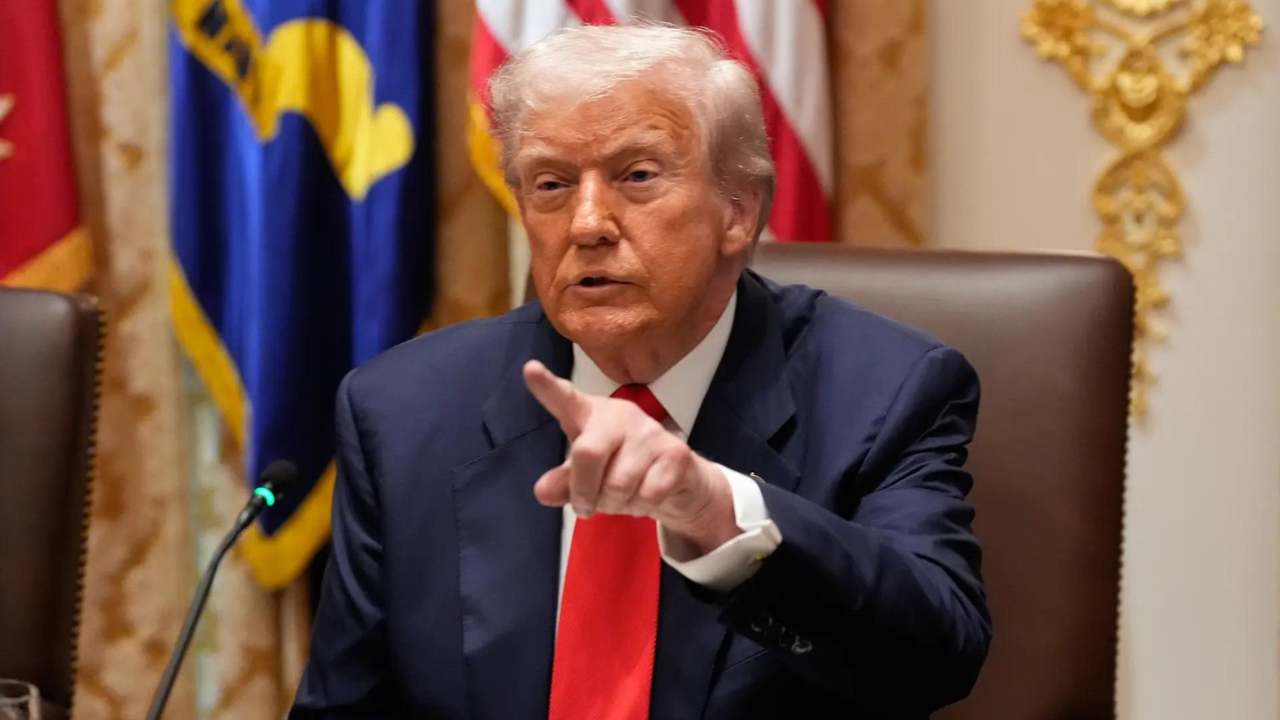
U.S. President Donald Trump has also warned that military action could resume if negotiations collapse or if Iran fails to honor its commitments.
A Fragile but Historic Opening
While the memorandum has been hailed as a major diplomatic breakthrough, analysts caution that its success will depend on what happens during the next 60 days. Key questions surrounding sanctions, regional security arrangements, nuclear restrictions, and economic reconstruction remain unresolved.
Nevertheless, the public release of the 14-point agreement provides the most comprehensive view yet of an ambitious effort to end one of the most consequential conflicts in the Middle East. If implemented successfully, the framework could reopen vital trade routes, reduce regional tensions, revive Iran's economy, and establish a pathway toward a long-term nuclear settlement. The coming weeks will determine whether the memorandum becomes the foundation for lasting peace or merely a temporary pause in a volatile conflict.
With inputs from agencies
Image Source: Multiple agencies
© Copyright 2026. All Rights Reserved. Powered by Vygr Media.