 By
By 
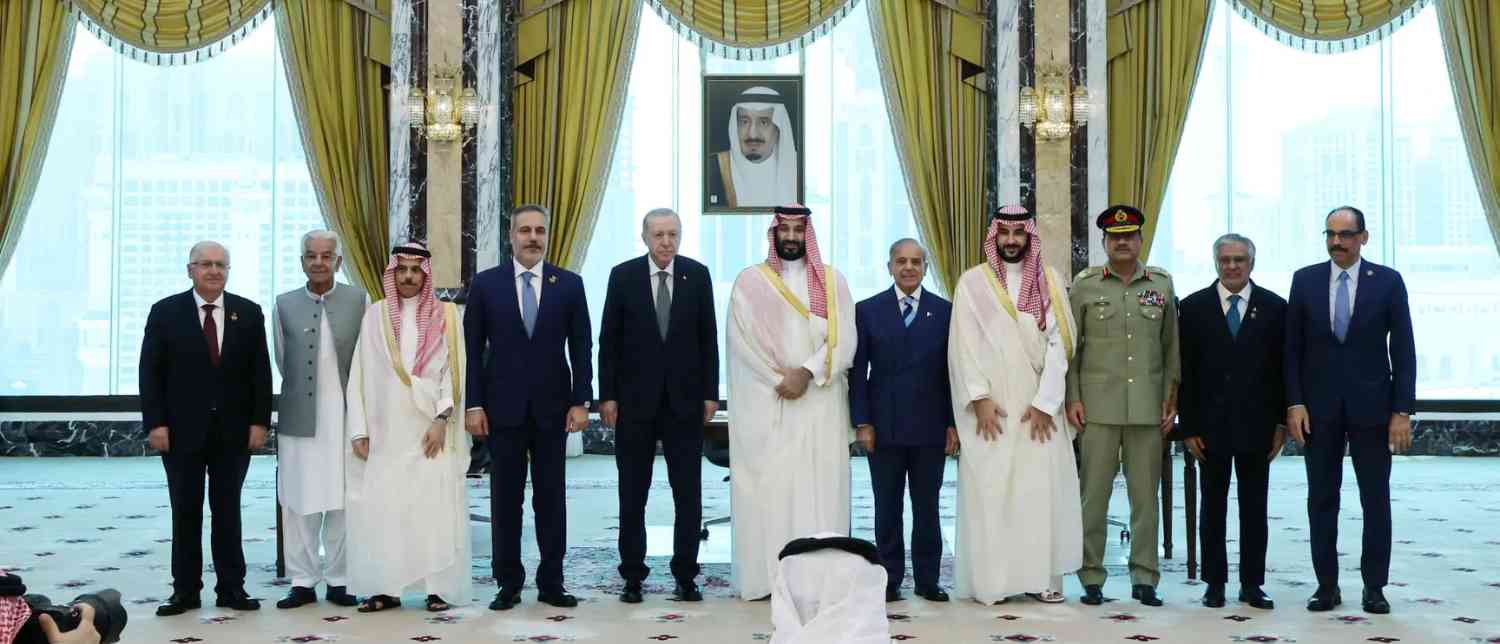
Saudi Arabia, Pakistan and Türkiye have taken a significant step towards closer strategic coordination by signing the Mecca Joint Defence Agreement, a trilateral security pact aimed at strengthening collective deterrence and defence cooperation.
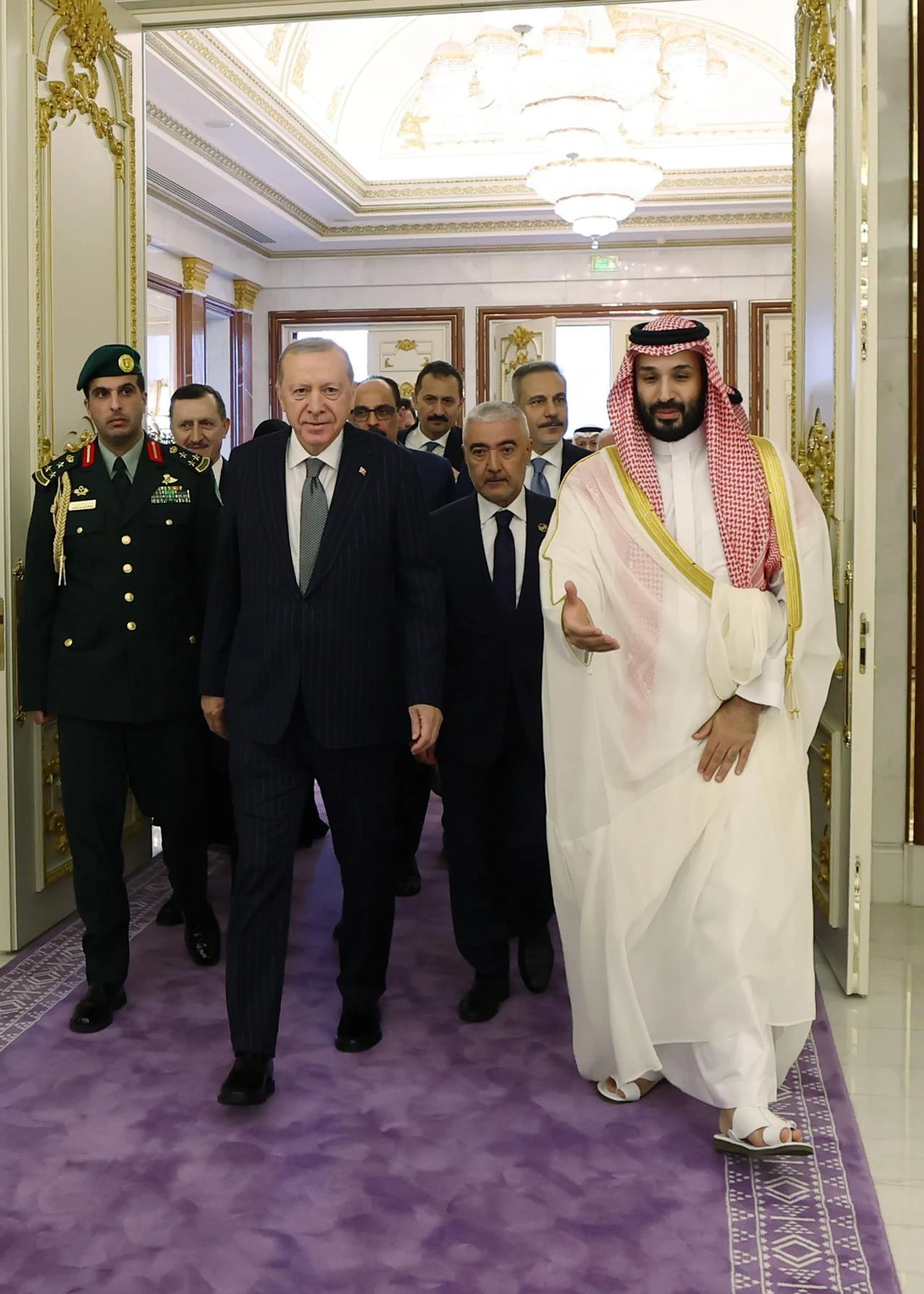
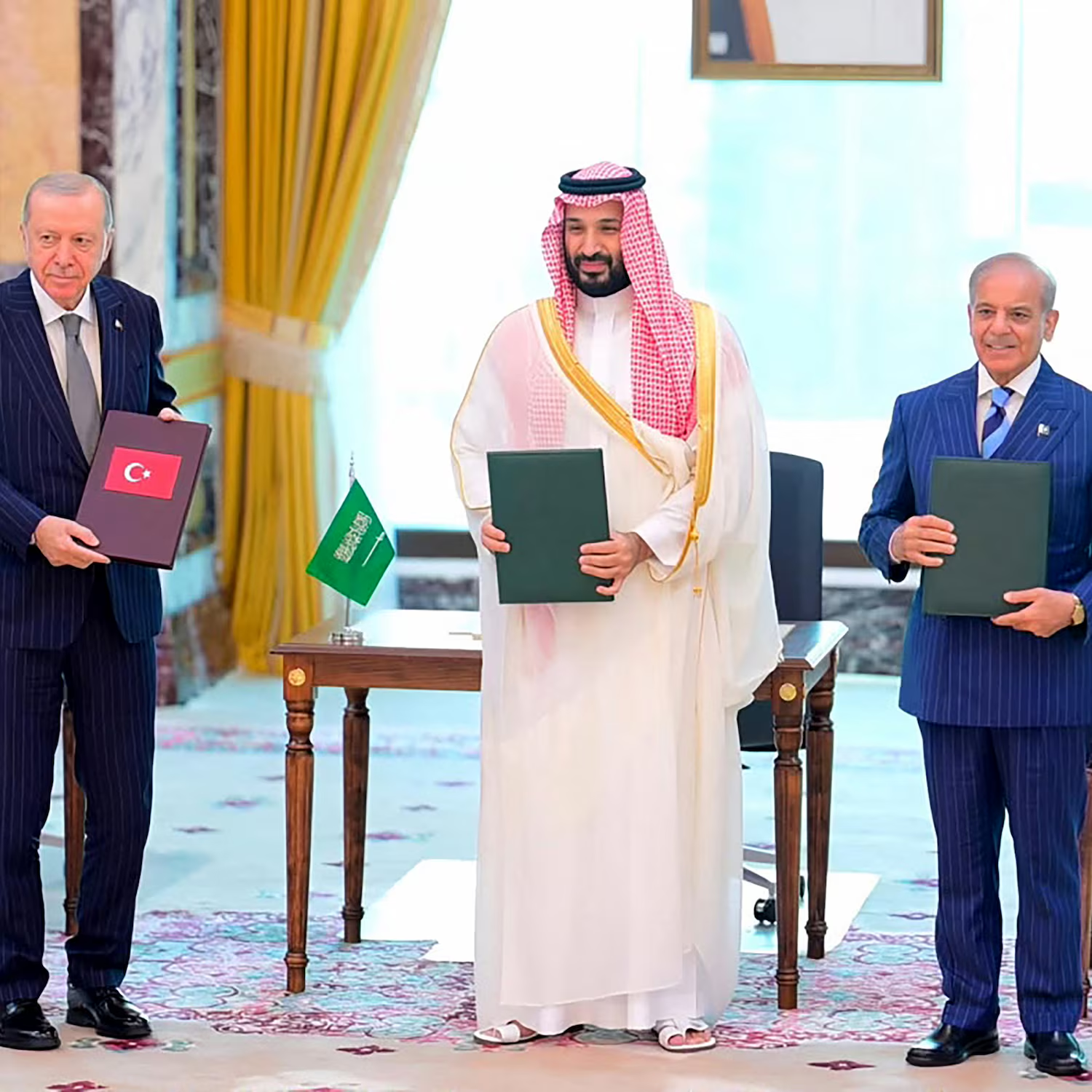
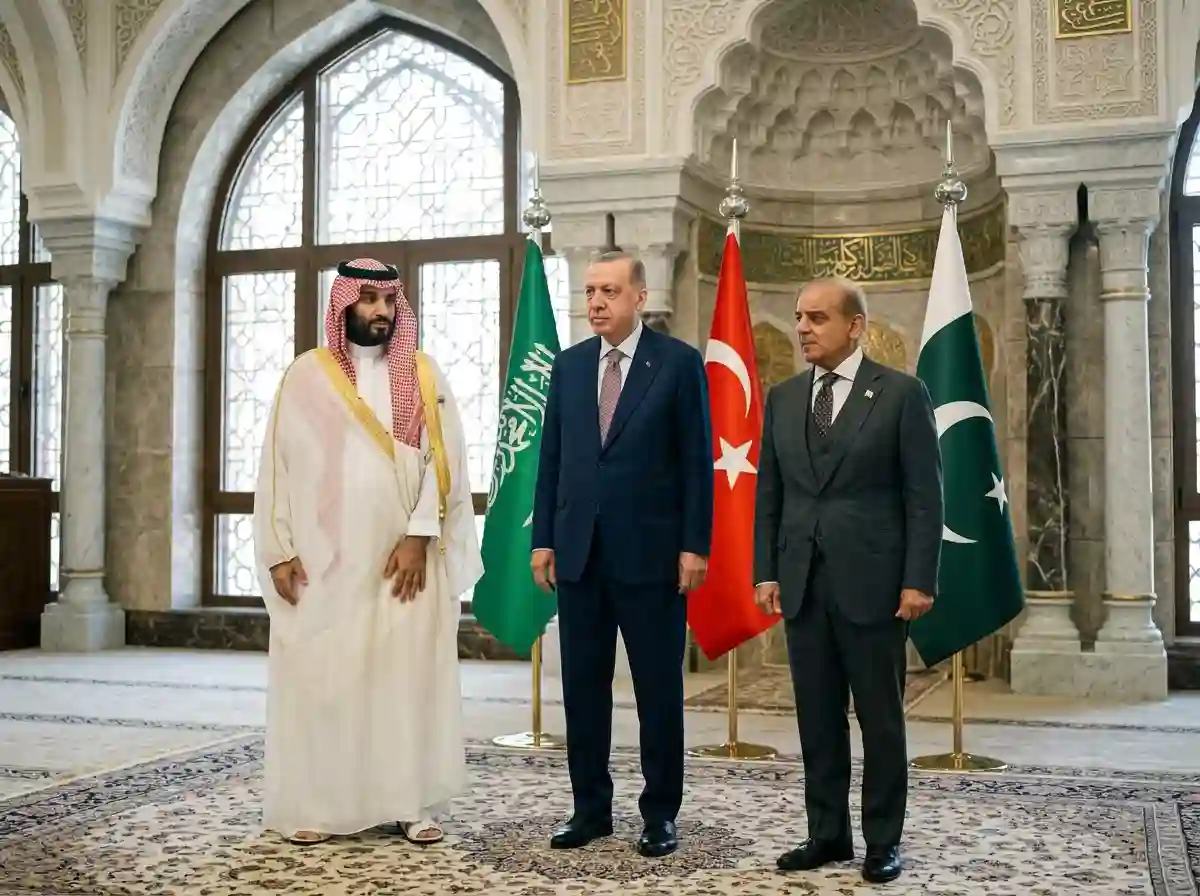
The agreement was signed in Mecca on Friday by Saudi Crown Prince and Prime Minister Mohammed bin Salman, Turkish President Recep Tayyip Erdoğan and Pakistani Prime Minister Shehbaz Sharif. The timing is significant: West Asia is facing one of its most volatile security environments in years, with the conflict involving Iran, Israel and the United States creating fresh risks for Gulf states and threatening to reshape existing alliances.
At the heart of the agreement is a straightforward but consequential principle: an armed attack against one of the three countries will be considered an attack against all three.
The pact does not, at least for now, amount to the creation of a NATO-style military alliance. The three governments have described it as a defensive framework intended to improve collective security, while Turkish officials have stressed that it is not directed against any particular country.
Yet the combination of the three countries makes the agreement strategically notable.
Saudi Arabia brings enormous financial resources, energy influence and religious significance. Türkiye contributes a large military and an increasingly sophisticated domestic defence industry. Pakistan brings extensive military experience and the strategic weight of being the only nuclear-armed Muslim-majority state.
Together, they could give one another capabilities that each country lacks individually.
What is the Mecca Joint Defence Agreement?
The Mecca Joint Defence Agreement is designed to strengthen collective deterrence among Saudi Arabia, Pakistan and Türkiye.
According to the countries' official statements, the agreement establishes that aggression against one member will be treated as aggression against all three. The broader objective is to deepen military and strategic cooperation while contributing to regional peace and stability.
The detailed operational provisions of the pact have not been publicly released. That leaves important questions unanswered, including exactly what military assistance would be provided if one member were attacked, how quickly the other two would respond and what mechanisms would be activated during a crisis.
Possible areas of cooperation include intelligence sharing, military training, defence technology, joint exercises, capacity building and greater coordination between defence establishments. Analysts quoted in the reports also point to the possibility of increased defence manufacturing and cooperation.
That distinction is important.
The phrase "attack on one, attack on all" inevitably invites comparisons with Article 5 of NATO, but the current agreement should not automatically be interpreted as an equivalent collective-defence mechanism. Experts cited by Al Jazeera have described it as a framework for closer strategic, military and defence-industrial coordination rather than a fully institutionalised alliance comparable to NATO.
Why have Saudi Arabia, Pakistan and Türkiye signed the pact now?
The agreement comes against the backdrop of a rapidly changing security environment in West Asia.
The region has witnessed repeated military confrontations involving Israel, Iran and Iran-backed groups, while Gulf states have increasingly faced the consequences of conflicts occurring beyond their borders. Missile and drone attacks, threats to energy infrastructure and disruptions affecting maritime trade have underscored the vulnerability of countries that once relied heavily on external security guarantees.
Saudi Arabia has particular reasons to reconsider its security arrangements.
The kingdom hosts important US military infrastructure but has also faced attacks and security threats linked to the wider regional conflict. The current crisis has raised concerns in Gulf capitals about how dependable traditional security arrangements will be if Washington's priorities change or if regional conflicts escalate beyond expectations.
The Mecca agreement therefore reflects not simply a desire for military cooperation, but a broader push towards greater regional strategic autonomy.
Negotiations among the three countries have reportedly been underway for some time. Their foreign ministers discussed the possibility of a joint security arrangement during a meeting in Riyadh earlier this year. The latest agreement builds on years of bilateral defence cooperation and, particularly, the Saudi-Pakistani mutual defence agreement signed in 2025.
The worsening regional situation appears to have accelerated the process.
Three countries, three different strategic strengths
The importance of the agreement lies partly in the complementary capabilities of its members.
Saudi Arabia: Money, energy and regional influence
Saudi Arabia is one of the world's largest oil producers and has enormous economic influence. It is also home to Islam's two holiest sites, giving Riyadh considerable religious and diplomatic weight across the Muslim world.
For decades, however, Saudi Arabia has relied heavily on foreign suppliers for advanced military equipment.
Closer defence cooperation with Türkiye and Pakistan could help Riyadh diversify its security relationships and potentially strengthen domestic defence capabilities.
Türkiye, in particular, has emerged as an increasingly important defence partner for Saudi Arabia. Riyadh has purchased Turkish military technology, including drones, while the two countries have sought to deepen their broader strategic relationship.
Türkiye: Military power and defence manufacturing
Türkiye provides the partnership with a substantial military capability and a growing defence-industrial base.
As a NATO member, Ankara occupies a unique position. It remains embedded within a Western-led military alliance while simultaneously developing independent strategic relationships with countries across the Middle East and wider Muslim world.
Its defence industry has also expanded considerably, particularly in areas such as unmanned aerial systems, naval platforms and other military technologies.
That makes Türkiye potentially valuable to Saudi Arabia as the kingdom seeks greater domestic defence production and more diversified military partnerships.
Pakistan: Military experience and nuclear deterrence
Pakistan adds another critical dimension.
It has one of the region's most experienced conventional militaries and longstanding defence ties with Saudi Arabia. Pakistani personnel have historically trained and supported Saudi security forces, while military cooperation between the two countries stretches back decades.
Pakistan is also the world's only nuclear-armed Muslim-majority country.
However, analysts caution against assuming that Pakistan's nuclear arsenal automatically becomes part of the new trilateral security arrangement.
The nuclear dimension remains particularly sensitive because Pakistan's nuclear deterrence has historically been structured primarily around its rivalry with India. Experts cited by The Times of India and OpIndia have therefore suggested that the Mecca pact should not be interpreted as the creation of a formal Pakistani nuclear umbrella for Saudi Arabia.
Is this an 'Islamic NATO'?
The signing of the agreement has already triggered comparisons with NATO and speculation about an emerging "Islamic NATO".
That description may be politically catchy, but it risks overstating what has actually been created.
The current pact does not establish a NATO-style institution with a permanent command structure, integrated military forces or an Article 5-equivalent mechanism detailing an automatic military response.
The three countries have instead created a framework for closer security coordination.
Still, the comparison is not entirely without significance.
The three states collectively represent considerable military, economic and geopolitical weight. Their cooperation could become much more consequential if the agreement develops into regular joint exercises, intelligence-sharing arrangements, defence-production partnerships and coordinated military planning.
The real question, therefore, is not what the pact is on the day it was signed, but what it eventually becomes.
If the three governments institutionalise their cooperation, the agreement could evolve into a more influential regional security grouping.
If implementation remains limited, its immediate significance may be more political and diplomatic than military.
Iran is likely to watch the development closely
Although the agreement has officially been described as defensive and not targeted at any particular country, Iran is an obvious factor in the strategic calculations surrounding the pact.
Iran shares borders or close geographical proximity with several of the countries involved in the broader regional security environment. Tehran has also been at the centre of the current conflict, while Iran-backed groups have played a significant role in conflicts across the region.
There has not been an official statement from Iran's leadership on the agreement at the time of reporting. However, Iranian parliamentarian Ebrahim Rezaei criticised the pact, arguing that Saudi Arabia would not achieve security simply through agreements with Türkiye and Pakistan.
For Tehran, the concern could be less about an immediate military alliance and more about the gradual emergence of a coordinated regional bloc capable of constraining Iranian influence.
That does not necessarily mean that Saudi Arabia, Türkiye and Pakistan are preparing for war with Iran.
All three countries have complicated relationships with Tehran, and each has different economic, diplomatic and security interests.
Türkiye, for example, shares a long border with Iran and has historically maintained channels of engagement with Tehran. Pakistan also has a long border with Iran and has repeatedly sought to prevent tensions between its neighbours from spilling into its own territory.
Saudi Arabia, meanwhile, has its own security concerns involving Iran and its regional allies.
The pact therefore creates both deterrence and diplomatic complexity.
What does the agreement mean for Israel?
Israel is another major consideration.
None of the three governments has formally declared the agreement to be an anti-Israel alliance. Turkish officials have explicitly said that the pact is defensive and open to other regional countries.
Nevertheless, relations between Israel and each of the three members have become increasingly complicated.
Türkiye has been among Israel's strongest critics over the Gaza war and has repeatedly condemned Israeli military operations in Gaza, Lebanon and Syria.
Pakistan does not have diplomatic relations with Israel and has consistently opposed Israeli policies concerning the Palestinians.
Saudi Arabia, meanwhile, has maintained that normalisation with Israel would require a credible pathway towards Palestinian statehood. The regional conflict has made that diplomatic equation considerably more difficult.
Against this backdrop, closer defence cooperation among Riyadh, Ankara and Islamabad will inevitably be examined through the lens of Israel's expanding military footprint in the region.
However, describing the new agreement simply as an anti-Israel pact would go beyond the evidence currently available.
The three governments have deliberately framed it around collective security rather than confrontation with a named adversary.
India watches the pact carefully
For India, the development carries a particularly sensitive dimension because Pakistan is one of the three signatories.
New Delhi's initial response was cautious.
Ministry of External Affairs spokesperson Randhir Jaiswal said India was closely following the development and would provide further updates as appropriate.
The restrained response is significant.
India has traditionally maintained strong and growing relations with Saudi Arabia, particularly in trade, investment, energy and counterterrorism cooperation. New Delhi has also developed substantial strategic ties with the Gulf states in recent years.
At the same time, India's relationship with Pakistan remains deeply adversarial, particularly on terrorism and security issues.
The addition of Türkiye introduces another layer. Ankara has historically taken positions on issues involving India and Pakistan that New Delhi has viewed with concern.
The trilateral pact could therefore complicate India's strategic calculations even if it is not explicitly directed at India.
There is, however, an important distinction between Pakistan's participation in a multilateral security framework and an agreement designed specifically to counter India.
The pact's stated purpose is regional collective defence. There is currently no indication in the publicly available details that Saudi Arabia or Türkiye has committed to supporting Pakistan in a future conflict with India.
That distinction will be important for New Delhi as it assesses the agreement.
A bigger shift in the Middle East's security architecture
Perhaps the most important consequence of the Mecca pact is not the immediate military capability it creates but the signal it sends.
For decades, West Asian security has been heavily influenced by external powers, particularly the United States. Regional states have relied on American military presence, arms supplies and security partnerships while simultaneously maintaining their own diplomatic relationships with rival powers.
The recent conflicts have exposed the limits and vulnerabilities of that model.
The Saudi-Pakistan-Türkiye agreement suggests that influential regional states are increasingly interested in developing additional layers of security cooperation that do not depend entirely on one external power.
That does not mean the United States is being pushed out.
All three countries continue to maintain important relationships with Washington, and the agreement has been explicitly described as complementary to existing security arrangements rather than a replacement for them.
Instead, the region appears to be moving towards a more diversified security system in which countries maintain multiple partnerships and attempt to increase their own strategic room for manoeuvre.
What happens next?
The real test for the Mecca Joint Defence Agreement will begin after the headlines fade.
Three questions will determine its long-term importance.
First, will the countries establish permanent mechanisms for military coordination?
Second, will defence cooperation translate into joint exercises, intelligence sharing and technology partnerships?
And third, how will the three governments respond if one of them actually faces a major armed attack?
The answers will determine whether the agreement remains primarily a political declaration or evolves into a meaningful regional security institution.
For now, the pact has achieved something significant simply by bringing together three strategically important countries at a moment of extraordinary uncertainty.
Saudi Arabia brings financial power and energy influence. Türkiye contributes military capacity and a sophisticated defence industry. Pakistan brings military experience and strategic deterrence.
Their interests do not perfectly align, and those differences could limit how far the partnership goes.
But the direction is unmistakable.
The Mecca Joint Defence Agreement reflects a region increasingly unwilling to leave its security entirely in the hands of outside powers. For Iran, Israel, the United States and India, the emergence of this new trilateral framework will require close attention.
Whether it becomes an "Islamic NATO" is far from certain.
What is clearer is that West Asia's security map is changing — and Saudi Arabia, Pakistan and Türkiye want a larger role in deciding what comes next.
With input from agencies
Image Source: Multiple agencies
© Copyright 2026. All Rights Reserved. Powered by Vygr Media.