 By

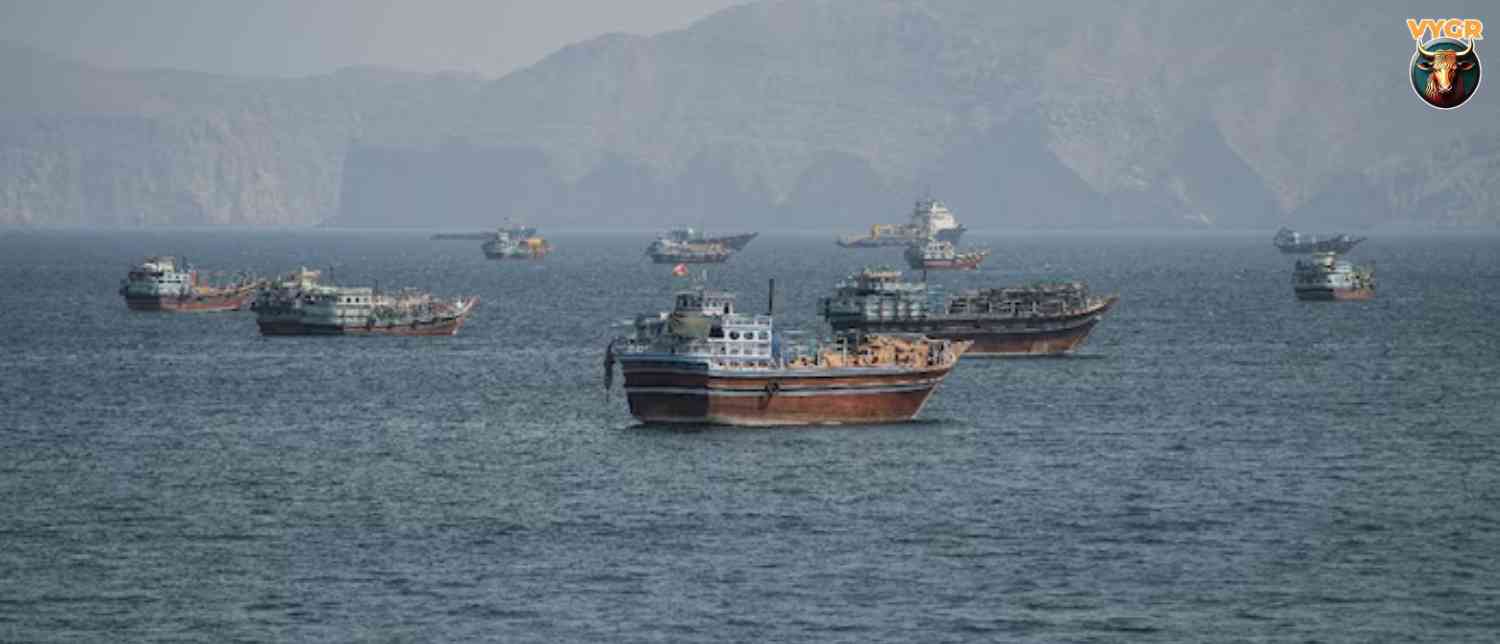
New Delhi: It was a moment every seafarer’s family dreads. A tanker carrying 27 Indian crew members was struck by limpet mines in the Strait of Hormuz on October 30, setting its engine room on fire. The news was followed within hours by some relief: the entire crew is safe.
The vessel, the Panama-flagged crude oil tanker MT Louise 1, was temporarily disabled by the blast. Union Shipping Minister Sarbananda Sonowal said all those on board are unharmed.
What happened
-
The attack. A small craft approached the tanker and attached two limpet mines to its hull before moving away, according to maritime security sources. The explosion started a fire in the engine room.
- The crew’s response. All 27 crew members, who are Indian nationals, acted quickly to put out the fire. The ship was disabled for a time and later resumed its journey once the blaze was under control.
- The location. The tanker was in the Strait of Hormuz, near the coast of Oman. It is owned by a Dubai-based company.
- Casualties. None have been reported.
A second attack a day earlier
The government says this was not an isolated incident. On October 29, the Liberia-flagged very large crude carrier MT Arzanah, with two Indian nationals on board, came under a projectile attack in the same waterway. Taken together, 29 Indian seafarers were on the two vessels, and officials say they are all safe. Sonowal said the government is monitoring the situation and coordinating with the ship management companies to protect the crew’s safety and well-being.
_1793383892.jfif)
Why this attack stands out
This is reported to be the first successful use of limpet mines in the Strait of Hormuz since the US-Iran war began in February 2026, now in its eighth month. An attempt in September failed because the devices did not detonate.
A limpet mine is a small explosive that clamps onto a ship’s hull with powerful magnets. Unlike larger sea mines, it is typically meant to disable a ship rather than sink it. It is cheap and easy to use from a small boat, which is exactly why security experts worry about it. A single fast craft, with no need for warships or missiles, can put a commercial tanker out of action.
Who is behind it?
That remains unclear. Reports differ. Most accounts say the attackers have not been identified, while one report cites a claim that Tehran was behind the attack. Neither claim has been independently confirmed, and no official statement from Iran was available at the time of writing. Readers should treat attribution as unsettled until credible authorities say more.
For historical context, a similar technique was used in 2019, when tankers were hit by limpet-style devices in the Gulf of Oman. The US blamed Iran at the time, and Iran denied involvement. That precedent is not evidence for the current attack.
The human cost of the Hormuz crisis
For Indian families, these attacks are personal. India is a large supplier of merchant seafarers, and many Indians crew tankers that pass through the Gulf. Earlier in the conflict, an Indian crew member was killed when a US-owned tanker was attacked near Basra in Iraq, and shipping companies have complained for months that the risk of operating in these waters is very high. For the families of the crews on Louise 1 and Arzanah, relief on Friday night came with a worry that the next attack could have a different outcome.
What it means for India
-
Seafarer safety. The government will face pressure to strengthen advisories, keep close contact with ship managers, and ensure crews can refuse hazardous voyages where appropriate.
- Energy and shipping costs. Hormuz is a major route for oil and gas supplies, and India depends heavily on imported energy. More attacks tend to raise insurance premiums and freight costs, even without a major supply disruption.
- Diplomatic balancing. India has ties with Iran, the Gulf states, and the United States. Any attribution of blame will test how carefully New Delhi words its statements.
What to watch next
-
Whether any country or group claims responsibility or investigators publicly attribute the attack.
- The assessment of damage to MT Louise 1 and the condition of the tanker’s engine room.
- Whether more vessels are attacked using limpet mines or other low-cost methods.
- New advisories from India’s shipping authorities and from international maritime bodies.
- The reaction in oil and insurance markets.
© Copyright 2026. All Rights Reserved. Powered by Vygr Media.