 By

New Delhi: Israel has woken up to a political stalemate, and New Delhi is watching closely. For India, the partnership with Israel will be tested less by who sits in the prime minister’s chair than by how both countries steer through a rough neighbourhood.
What happened in Israel
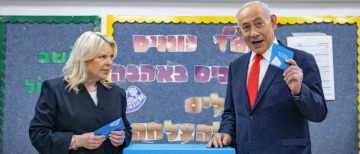
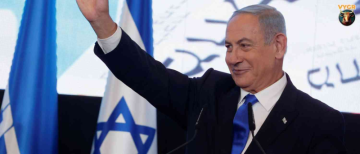
Israelis voted on October 27 in an election widely seen as a referendum on Prime Minister Benjamin Netanyahu’s leadership and on the legacy of the October 7, 2023 Hamas attack. With counting complete, no bloc has the 61 seats needed for a majority in the 120-seat Knesset.
- Netanyahu’s bloc: 53 seats, well below the strength it held in the outgoing Knesset, though ahead of what early exit polls suggested.
- Gadi Eisenkot’s opposition bloc: 48 seats.
- Arab parties: a record 19 seats, which makes them pivotal.
- Turnout: about 77.9 per cent.
Netanyahu remains caretaker prime minister while negotiations run. The new Knesset is due to be sworn in on November 10, and final results are to be certified in the coming days. If no coalition emerges, Israel could be sent back to the polls as early as April.
Why the maths is so hard
-
Netanyahu’s path is narrow. He cannot realistically bring in Arab parties without losing his settler allies, and he has called for a “strong right-wing government.” He also alleged election fraud, but the Central Elections Committee said the vote was lawful and found no basis for claims of systematic interference. Opposition leaders called the election free and fair.
- Eisenkot’s path runs through Arab parties’ support, which he has publicly said he does not want to formalise as a partnership. The Joint List has said it will work to end Netanyahu’s rule, so a minority government backed from outside is possible but politically awkward.
- A unity government is the third option. President Isaac Herzog could push for one, but Netanyahu has shown little interest.
Both main camps campaigned on ending Hamas rule in Gaza, which limits how far Israeli policy might shift, whatever the final coalition.
India and Israel: the partnership will hold, but the terrain is shifting
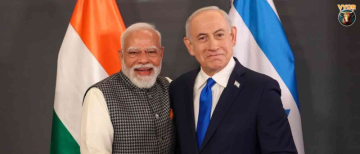
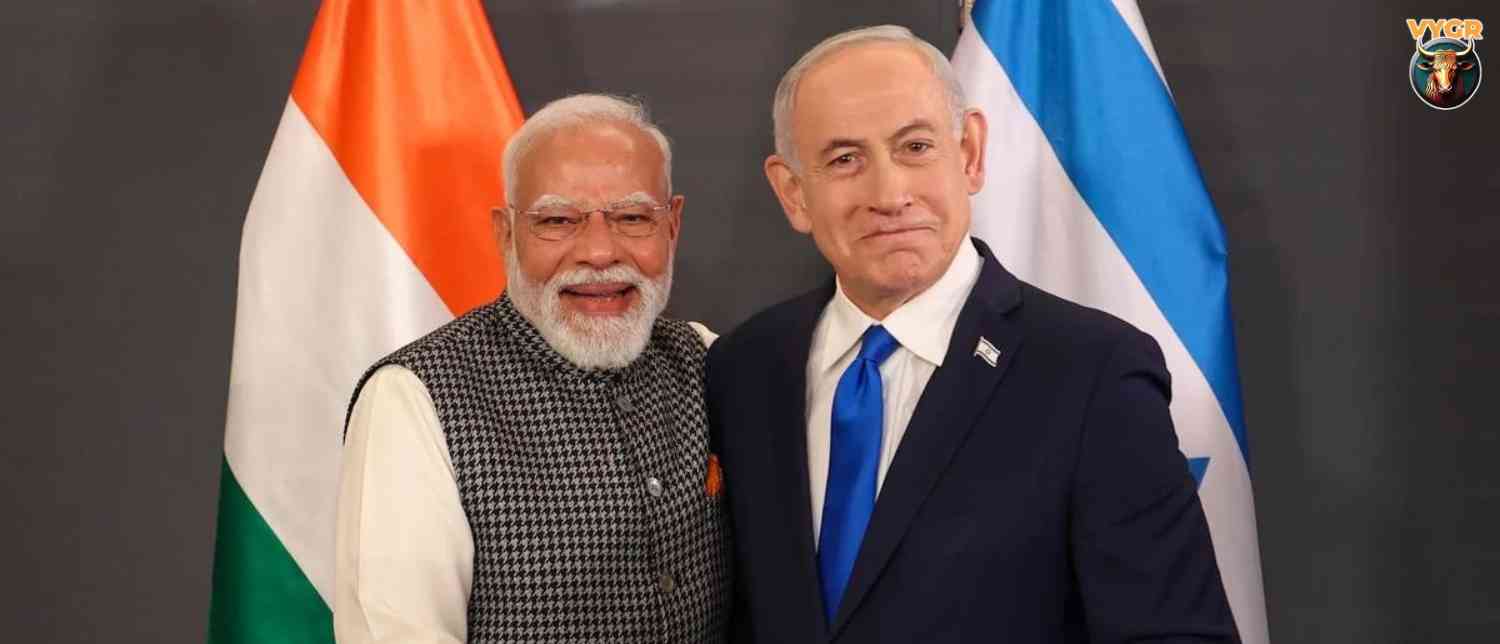
The India-Israel relationship has deepened sharply. During Prime Minister Narendra Modi’s visit to Israel in February 2026, the two countries elevated ties to a “Special Strategic Partnership for Peace, Innovation and Prosperity.” The agenda spans defence, cybersecurity, AI, space, agriculture, water management and critical technologies, and both sides committed to advancing talks on a free trade agreement.
Because that cooperation rests on institutions, defence requirements and technology partnerships, analysts broadly expect continuity regardless of who wins. One Israeli commentator said the partnership goes beyond political leadership, though a new prime minister’s rapport with Modi would be a factor. A prolonged stalemate raises a different risk: a caretaker or fragile government may struggle to take big decisions, such as closing trade talks or signing large defence contracts.
Iran: the hardest test of strategic autonomy
Iran is where India’s balancing is most exposed. Tehran offers India a route to Afghanistan and Central Asia, and Chabahar port was designed to bypass Pakistan. India can deepen ties with Israel without abandoning Iran, but a sustained Israel-Iran confrontation makes that separation harder to maintain.
A new government could shift the balance between military pressure, deterrence and diplomacy towards Iran, but the underlying confrontation would remain. A caretaker government is not barred from military decisions, and reporting around the election has raised the prospect of fresh action once the US midterm elections are over. For India, escalation threatens energy prices, shipping and the safety of its nationals in the region.
Gaza: ceasefire politics and India’s two-track position
Gaza matters to India because it shapes both its partnership with Israel and its standing in the Arab world and the wider Global South. India backs a negotiated two-state solution and has supported the Gaza peace plan while expanding cooperation with Israel.
A coalition built around a harder line would likely prolong diplomatic friction with Arab states. A more flexible government could ease tensions and open space for regional cooperation. Some analysts caution that neither outcome will bring a dramatic change in security policy, since Israel does not want to return to pre-October 7 conditions.
The Gulf and IMEC: where the real economic stakes lie
India’s relationships in the Gulf are larger than its ties with Israel in trade and people terms. Trade with the GCC reached roughly $178.6 billion in 2025-26, about 10 million Indians live in the region, and the Gulf is a major source of energy, investment and remittances. India and the GCC also signed terms of reference for free trade talks in February 2026.
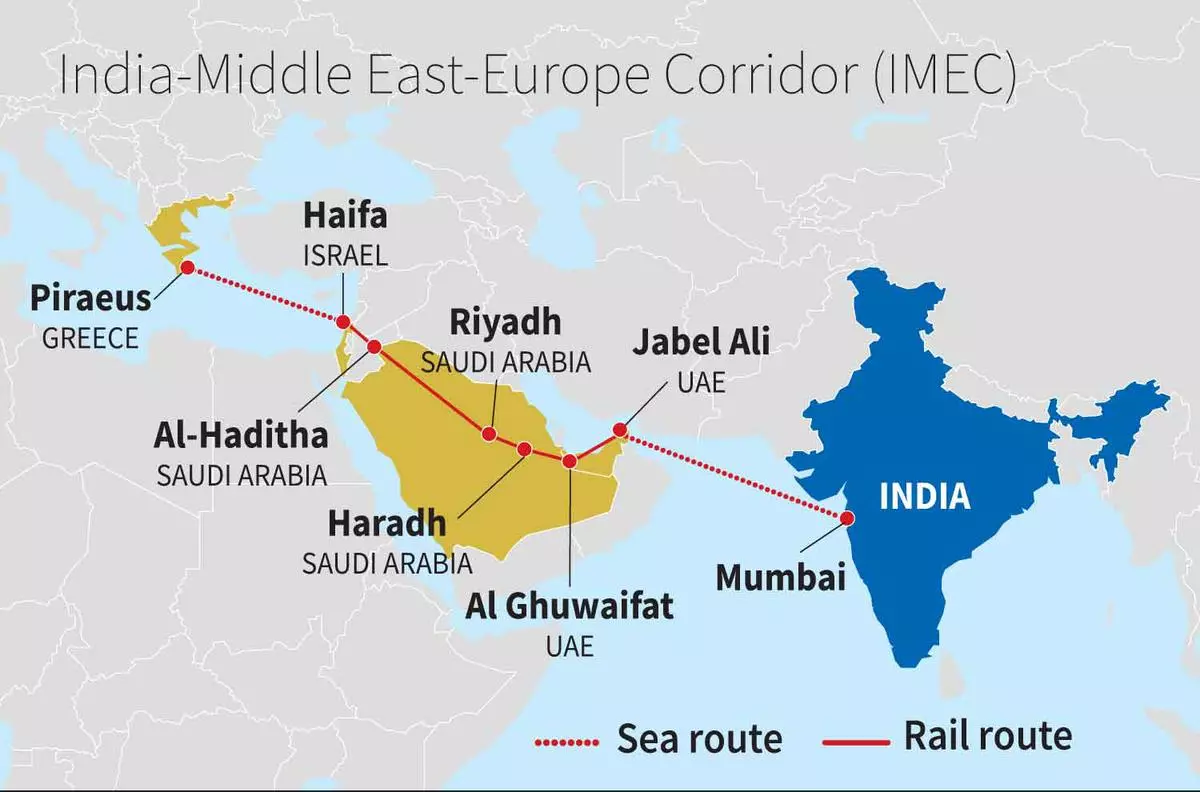
This is why New Delhi cannot read Israel’s politics in isolation. Israel’s relations with Saudi Arabia and the UAE, and the prospects for normalisation, affect the India-Middle East-Europe Economic Corridor (IMEC). The corridor depends on cooperation among India, the Gulf states, Israel, the US and Europe, so a long period of Israeli political paralysis could slow it, though the election alone does not decide its fate.
What India is likely to do
- Stay publicly neutral on Israel’s coalition-building and avoid being seen to favour any side.
- Protect defence and technology cooperation, which is the least politically exposed part of the relationship.
- Keep Gulf and Iran channels open, pressing for de-escalation in public statements.
- Hold its Palestine position steady, supporting a negotiated two-state outcome.
The more useful distinction, as analysts note, is between continuity in India’s objectives and changes in the conditions in which it pursues them.
What to watch next
-
Whether Herzog assigns the task of forming a government and to whom.
- The role of Arab parties in any opposition-led arrangement.
- Any Israeli military action against Iran during the caretaker period.
- The status of the Gaza ceasefire and humanitarian access.
- Movement on the India-Israel free trade agreement and IMEC.
- Whether Israel faces a new election in April.
The bottom line
India’s interests do not hinge on a single name. Its partnership with Israel looks durable, but its ability to manage the Iran file, reassure the Gulf and keep its connectivity plans alive depends on the region staying calm. A deadlocked Israel is not a threat to the partnership itself, but it raises the odds of drift and miscalculation at a delicate moment.
© Copyright 2026. All Rights Reserved. Powered by Vygr Media.