 By

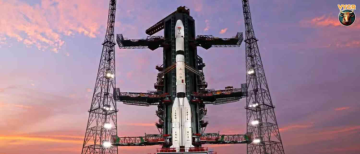
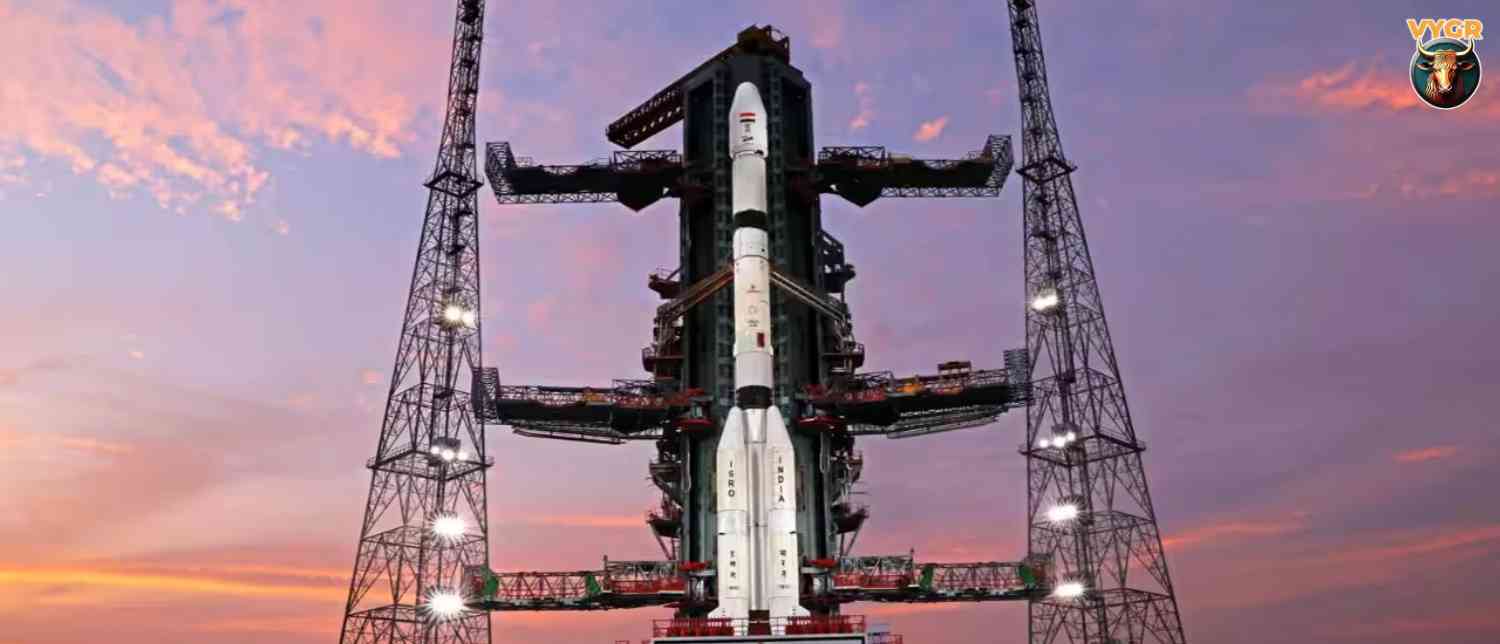
Sriharikota: ISRO’s GSLV-F18 rocket lifted off from the Second Launch Pad of the Satish Dhawan Space Centre at 11:51 PM IST on Friday, October 30, carrying NVS-03, the third satellite in India’s second-generation NavIC series. Reports describe the launch as successful. The satellite was meant to be released into a Geosynchronous Transfer Orbit about 18 minutes and 40 seconds after liftoff.
An important caveat: A good launch is only half the story. NVS-03 must now raise its own orbit to reach its working position, which is the step where its predecessor NVS-02 got stuck.
Key facts
| Item | Detail |
|---|---|
| Mission | GSLV-F18 / NVS-03 |
| Liftoff | 11:51 PM IST, October 30, 2026 |
| Pad | Second Launch Pad, SDSC SHAR, Sriharikota |
| Rocket | Three-stage GSLV, about 50 m tall, around 420 tonnes at liftoff, 20th GSLV flight |
| Satellite | NVS-03, about 2,232 kg |
| Target orbit | Geosynchronous Transfer Orbit, roughly 170 km by 37,023 km |
| Final slot | Geosynchronous position at 32.5 degrees East |
| ISRO launches in 2026 | Third of the year |
What went into the satellite
-
Atomic clocks. NVS-03 carries one indigenous atomic clock along with procured clocks. Satellite navigation depends on extremely precise timing, so clock reliability decides how accurate the service can be.
- Three signals. The satellite includes the L1 signal in addition to L5 and S-band, with coverage over India and a region extending about 1,500 km around its borders.
- Ranging. Like earlier NVS satellites, it is part of the second-generation series designed to ensure continuity of services for the IRNSS/NavIC system.
Why the open-valve decision matters
NVS-02, launched in January 2025, was placed correctly in transfer orbit by its rocket but could not raise itself to its final orbit. The cause was traced to a connector fault in the pyrotechnic valve system, which controls the flow of propellant to the satellite’s engine.
For NVS-03, a configuration was cleared at ISRO’s Mission Readiness Review in which the pyro valves were already open at launch. This departs from the usual practice of keeping propellant lines isolated during the vibrations of liftoff, and it is designed to bypass the step that failed last time. It trades one risk for another: the failure point is removed, but propellant plumbing is live during the ride to orbit. Whether this was the right call will become clear when the satellite fires its engine.
The next steps in orbit
-
Health check. Controllers will confirm power, communication, and thermal systems.
- Orbit-raising burns. The satellite’s motor will fire several times to turn its elongated orbit into a circular geosynchronous one.
- Positioning. The satellite will be moved to its working slot at 32.5 degrees East.
- Payload testing. The navigation signals and clocks will be switched on and calibrated, a stage that can take weeks.
Only after these steps can the mission be called fully successful.
The NavIC revival maths: reports differ
How much NVS-03 improves India’s system depends on whom you ask.
- Some reports say a successful deployment is expected to help restore the minimum satellite requirement for standalone positioning, which is four satellites.
- A more cautious analysis says NavIC’s fleet has been effectively defunct and that restoring it to the minimum of four requires NVS-04 and NVS-05 to join NVS-01 and NVS-03.
These can be reconciled if the first view is read as describing progress towards the minimum, not its immediate achievement. ISRO’s own count after commissioning will be the authoritative answer.
The pace problem
ISRO has typically flown only one or two GSLV missions a year, and about five to seven launches a year from Indian soil. Launching NVS-04 and NVS-05 in quick succession would require rockets to be built and integrated faster, and it could affect other missions in the pipeline. ISRO Chairman V Narayanan has said the agency will have four launch pads by 2029, a sign that launch capacity is on the agenda.
The NVS series so far
| Satellite | Rocket | Date | Outcome |
|---|---|---|---|
| NVS-01 | GSLV-F12 | May 29, 2023 | Reached intended orbit. First satellite to fly an indigenous atomic clock. |
| NVS-02 | GSLV-F15 | January 29, 2025 | Placed in transfer orbit, but could not reach its final orbit because of a valve connector fault. |
| NVS-03 | GSLV-F18 | October 30, 2026 | Launched. Orbit-raising pending. |
Why it matters
Independent satellite navigation is a strategic asset. It supports defence, aviation, shipping, fisheries, disaster management, power grids, telecom timing and precision agriculture, among other uses. A functioning NavIC reduces India’s reliance on foreign systems for critical services. For everyday users, the L1 signal could make it easier for phone and device makers to support NavIC, though that depends on manufacturers.
What to watch
-
ISRO’s official statement on orbit parameters.
- The first orbit-raising burn and whether the engine fires normally.
- Arrival at the 32.5-degree East slot.
- The commissioning schedule and official count of working satellites.
- Launch dates for NVS-04 and NVS-05.
FAQ
Was the launch successful? Reports describe the launch as successful, but the satellite still has to reach its final orbit.
Why is NVS-02 mentioned so often? It could not raise its orbit after launch, so NVS-03’s performance in orbit is under particular scrutiny.
When will NavIC be restored? That depends on NVS-03’s commissioning and on the launches of NVS-04 and NVS-05, for which dates have not been confirmed.
© Copyright 2026. All Rights Reserved. Powered by Vygr Media.