 By

Polls point to a close contest as Israel votes on October 27. Supporters credit Benjamin Netanyahu with confronting Israel’s adversaries, while critics blame him for the October 7 security failures and question his handling of the wars in Gaza and Iran.
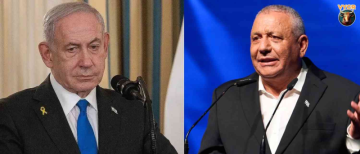
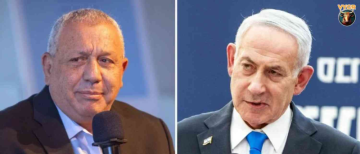
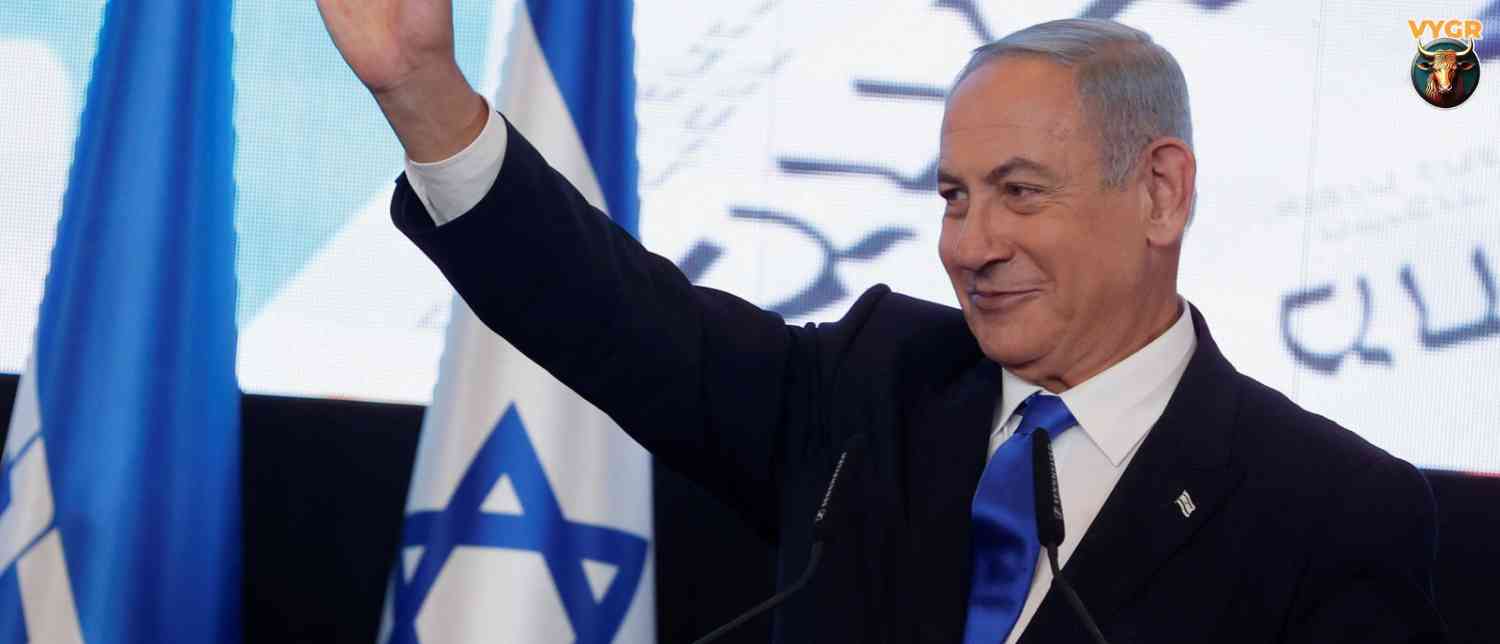
Israelis go to the polls on Tuesday, October 27, in the first election since the October 7, 2023 Hamas attack and the wars that followed in Gaza, Lebanon and Iran. About 7.3 million citizens are eligible to vote for the 120-seat Knesset. The outcome will decide whether Benjamin Netanyahu gets another term, or whether Israel slides into a hung parliament and weeks of coalition bargaining.
What the polls say
The final surveys tell a consistent story, even if the numbers vary. Gadi Eisenkot’s new centrist party, Yashar, is ahead of Netanyahu’s Likud in most polls. In one of the last major surveys, Yashar had 22 seats to Likud’s 19, with Naftali Bennett’s B’Yachad on 14 and the left-wing Democrats on 10.
The question is not who finishes first but who can reach 61. In that same survey, the opposition’s “change bloc” had 54 seats against 50 for Netanyahu’s bloc, and both were short of a majority. Averages of the main television polls give a similar picture, with Netanyahu’s bloc at around 50 and the opposition at around 54. Most polls put Netanyahu’s bloc, made up of Likud, two far-right parties and two ultra-Orthodox parties, between 49 and 55 seats.
Not every pollster agrees. Surveys aligned with the right project Likud at around 30 seats and Eisenkot at about 20. Israeli polls are also notoriously imperfect, and taken together they are better read as a gauge of the climate than as a forecast.
For Netanyahu, even a first-place finish would be a drop. Likud holds 32 seats in the outgoing Knesset.
Two ways of reading the same record
Supporters credit Netanyahu with taking on Israel’s adversaries over three years of war, and the campaign has leaned heavily on that argument. Critics point to the October 7 failures, the handling of efforts to bring home captives from Gaza, alleged corruption, and the long dispute over ultra-Orthodox military service. Many Israelis are also unhappy with the outcome of the Iran war.
The draft exemption has become a flashpoint. Despite a shortage of soldiers, fewer than 10% of eligible ultra-Orthodox men enlist, and Eisenkot has promised to end the exemptions.
The challenger
Eisenkot is a former chief of staff of the Israel Defense Forces who served in the wartime cabinet after October 7 and later resigned. He lost a son in the fighting, and two of his nephews also died in Gaza, which has become a prominent campaign talking point. In head-to-head questions about who is better suited to be prime minister, polls have shown him ahead of Netanyahu by a steady margin. Betting markets also favour him to replace Netanyahu.
How a deadlock would work
No single party has ever won 61 seats in Israel, so every government has been a coalition. Parties need 3.25% of the vote to enter the Knesset, and around 11 to 13 are expected to clear it. That makes the small parties decisive. A party that narrowly misses the threshold can wipe out seats that either bloc was counting on, as the polls showed with the Reservists Party, which cleared the bar in only some surveys.
The Arab parties, projected at around 14 seats in one poll, are another variable. Several opposition leaders have ruled out depending on them, which makes an alternative coalition hard to assemble even if the opposition wins more seats.
A tense final stretch
Early turnout was reported as the highest in decades. Netanyahu has warned of Arab voters “racing to the ballots” and accused Ra’am operatives of “trying to steal the election.” The Central Elections Committee said it had found no evidence of systematic ballot tampering. Bennett’s party accused Likud of illegally tracking voters at polling stations, a claim the committee disputed. A recent survey found that about half of Israelis fear the losing side will reject the result.
What happens next
Exit polls are expected when voting closes on Tuesday night, with final results over the following days. Then comes the harder part. Once results are certified, the president picks the candidate with the best chance of forming a government, who then has weeks to do so. That process can take weeks or months.
© Copyright 2026. All Rights Reserved. Powered by Vygr Media.