 By
By 
Venezuela is grappling with one of the deadliest natural disasters in its modern history after two powerful earthquakes struck the country within seconds of each other, killing at least 164 people, injuring more than 1,000, and leaving thousands unaccounted for as rescuers continue searching through collapsed buildings and debris.
The back-to-back quakes, described by seismologists as a rare “seismic doublet,” struck late on June 24 and triggered widespread destruction across Caracas and several coastal regions. Authorities have declared a state of emergency while international aid and rescue teams continue to arrive to support relief operations.
Rare ‘Seismic Doublet’ Rocks Venezuela
According to geological agencies, the first earthquake measured magnitude 7.2 and struck approximately 160 kilometres west of Caracas. Just 39 seconds later, a second and even stronger magnitude 7.5 earthquake hit the region.
The United States Geological Survey (USGS) classified the event as a “seismic doublet”, a rare phenomenon in which two similarly powerful earthquakes occur in rapid succession from closely related but distinct ruptures.
Experts noted that the 7.5-magnitude quake was the strongest earthquake to hit Venezuela or its offshore region since modern records began in 1900. The close timing between the two tremors amplified the destruction, as already-weakened buildings collapsed when the second quake struck.
Death Toll Climbs as Search for Survivors Continues
The latest official figures place the death toll at 164, while more than 1,000 people have suffered injuries ranging from minor wounds to critical trauma. Emergency officials fear the numbers could rise significantly as search-and-rescue teams continue operations in heavily affected areas.
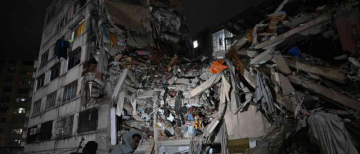
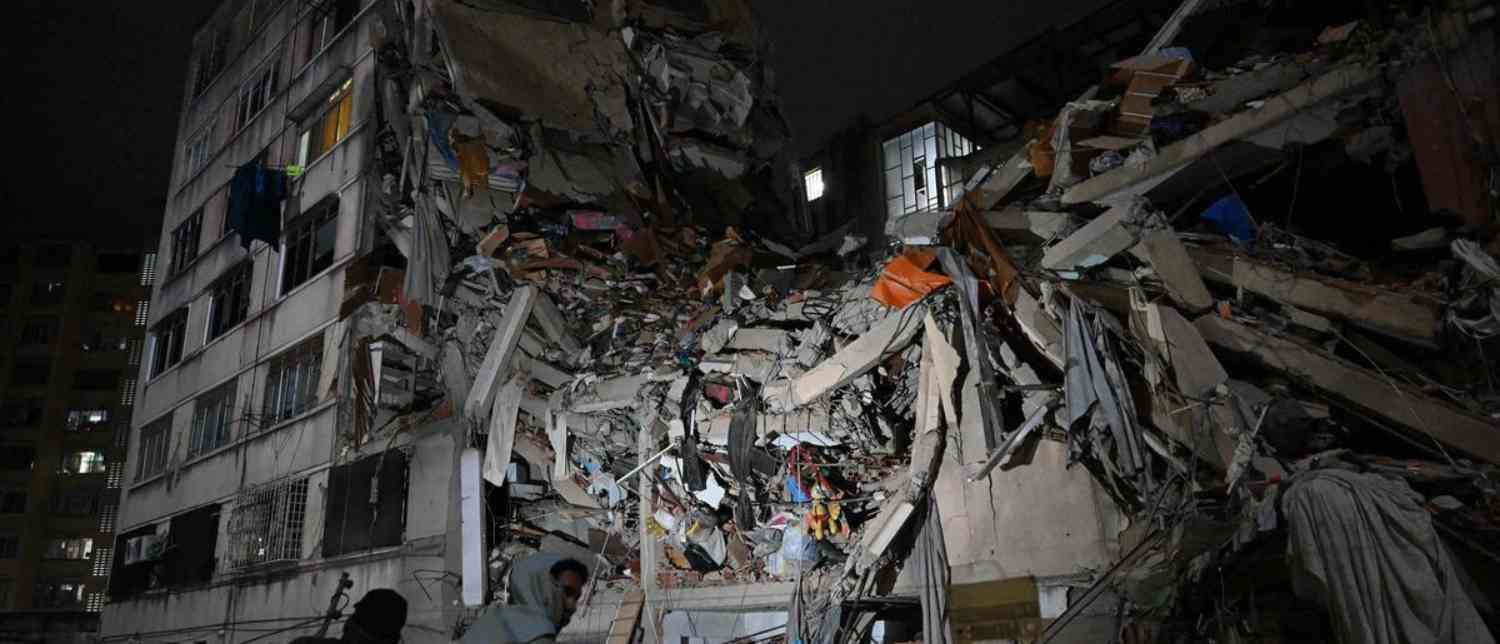
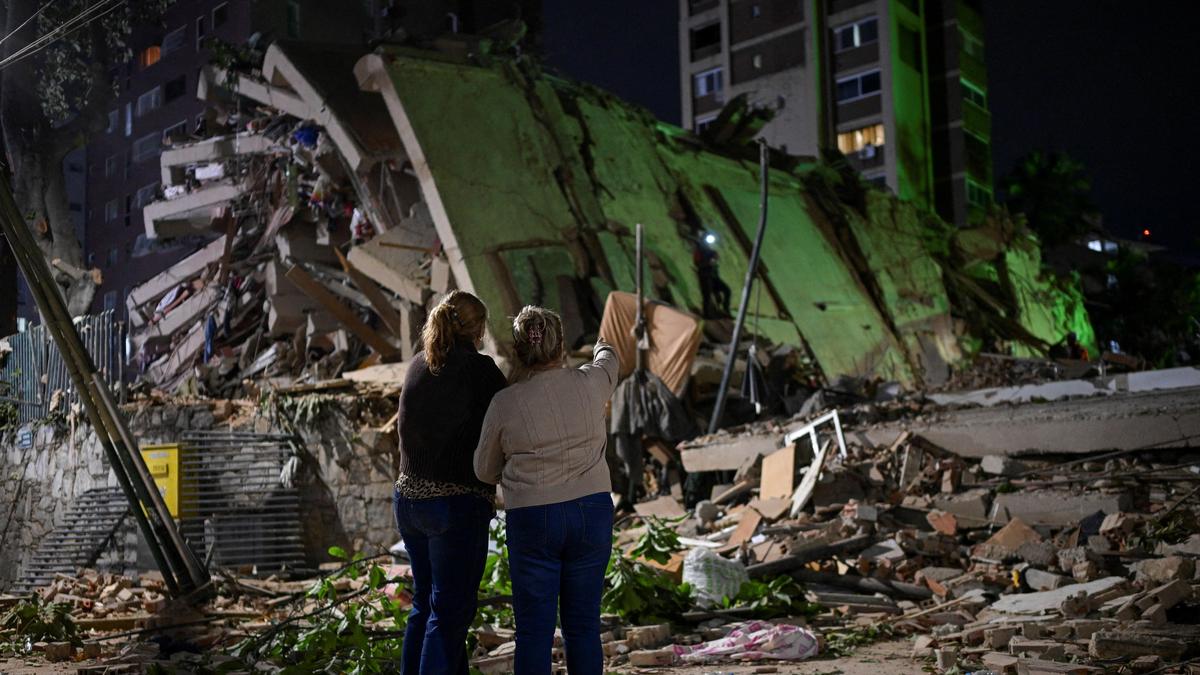
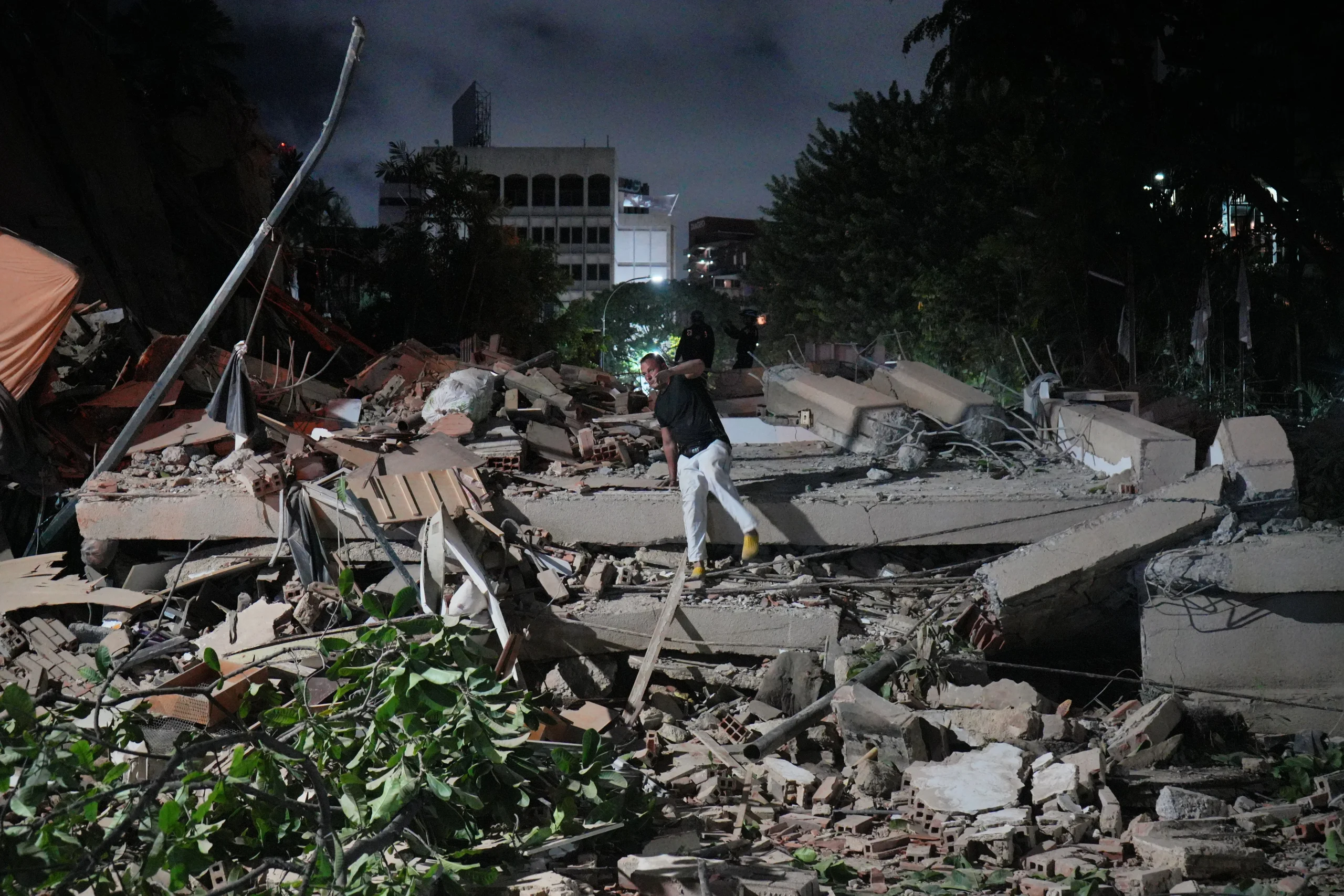
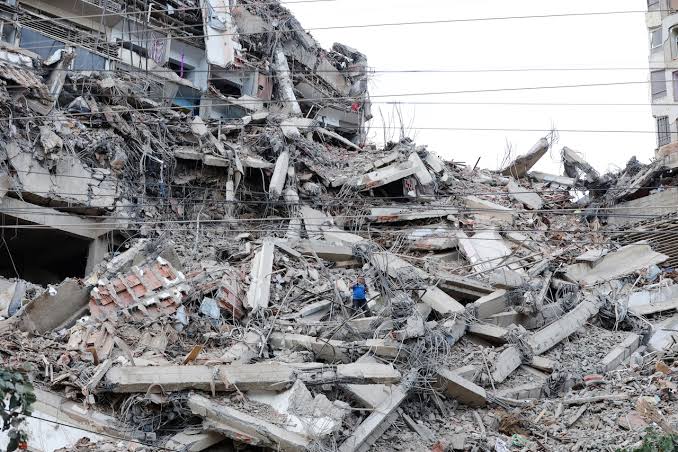
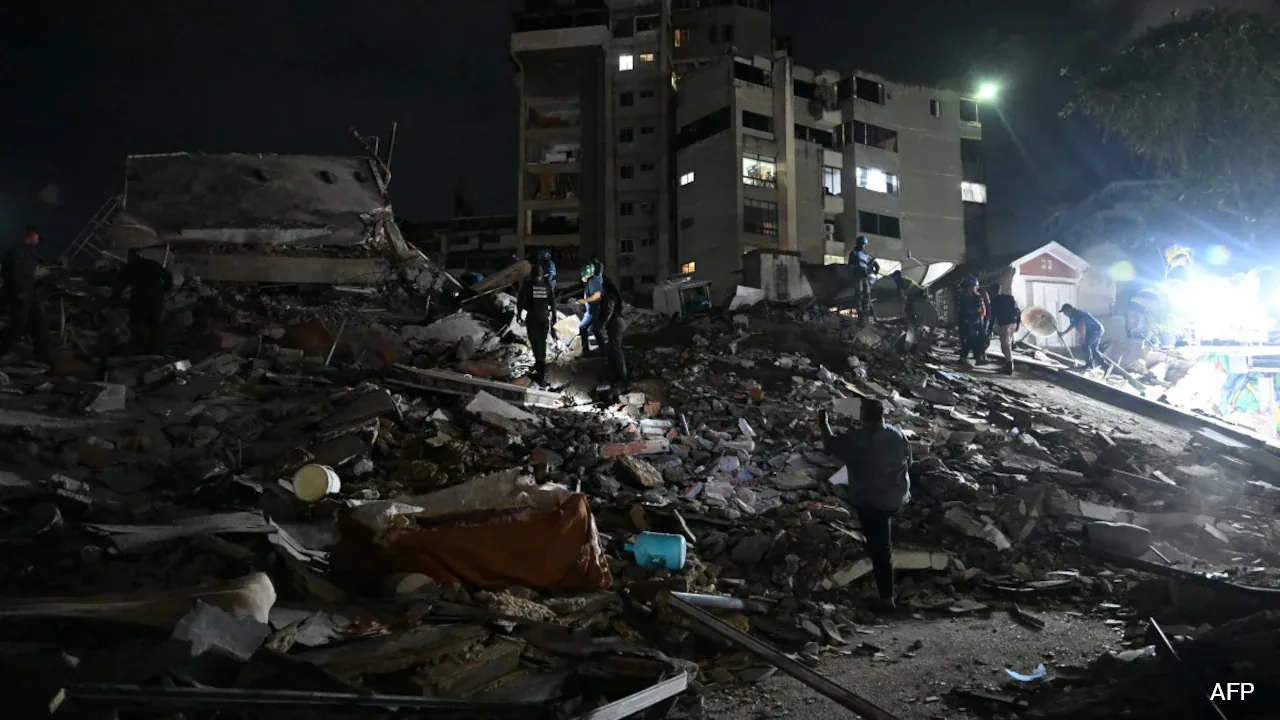
Dozens of buildings crumbled into piles of concrete and twisted metal, trapping residents beneath the rubble. Families across the country have gathered near disaster sites awaiting news of missing relatives, while emergency workers race against time to locate survivors.
Several neighborhoods in Caracas witnessed extensive structural damage, with apartment blocks, commercial buildings, and public infrastructure suffering severe impacts. The coastal state of La Guaira emerged as one of the worst-hit regions, prompting authorities to declare it a disaster zone.
Reports also indicate that thousands of people remain unaccounted for, raising concerns that the eventual human toll could be considerably higher.
Scenes of Chaos Across Caracas
Residents described moments of panic as powerful shaking sent people rushing into streets and open spaces.
Witnesses reported buildings swaying violently before sections collapsed. In several locations, power outages and communication disruptions complicated rescue efforts.
Hospitals faced a sudden influx of injured people, while emergency shelters were established to accommodate families displaced by the disaster. Government agencies mobilized military personnel, firefighters, police officers, and medical teams to assist in rescue and relief operations.
Authorities have urged citizens to remain alert for aftershocks, which continue to pose risks to damaged structures.
Why Were the Quakes So Destructive?
Seismologists say the unusual nature of the earthquake sequence played a major role in the scale of destruction.
A seismic doublet delivers multiple powerful shocks before infrastructure has time to absorb or recover from the initial impact. Buildings weakened by the first earthquake become far more vulnerable when the second arrives almost immediately afterward.
Experts also point to building standards as a critical factor. While countries such as Japan frequently experience strong earthquakes and maintain stringent earthquake-resistant construction codes, many parts of Latin America and the Caribbean remain vulnerable due to older infrastructure and inconsistent enforcement of seismic regulations.
The vulnerability of urban areas, combined with densely populated neighborhoods and aging buildings, significantly increased the human and economic cost of the disaster.
Why Is the Region Prone to Earthquakes?
The disaster has renewed attention on the tectonic forces shaping northern South America and Central America.
The region lies near several active tectonic plate boundaries where immense geological stresses accumulate over time. The interaction of these plates frequently generates earthquakes, volcanic activity, and other seismic hazards.
Scientists explain that Venezuela sits within a complex seismic environment influenced by the movement of major tectonic plates. When accumulated stress is suddenly released along fault systems, powerful earthquakes can occur.
Although Venezuela does not experience destructive earthquakes as frequently as some Pacific Rim nations, experts warn that the region remains vulnerable to major seismic events.
International Response and Emergency Aid
As the scale of devastation became clear, governments and humanitarian organizations worldwide began mobilizing support.
International aid shipments have started arriving, bringing medical supplies, emergency shelter materials, food assistance, and specialized rescue equipment.
The United States has pledged rapid assistance and dispatched search-and-rescue teams to support Venezuelan authorities. Relief agencies are also assessing humanitarian needs in affected communities where thousands of residents may require temporary housing and long-term support.
The declaration of a national emergency has enabled authorities to coordinate resources more effectively and accelerate relief operations.
Technology Played a Crucial Role in Early Warnings
One of the most remarkable aspects of the disaster response involved smartphone-based earthquake alerts.
Google’s Android Earthquake Alerts System detected the initial seismic activity and sent warnings to millions of Android users in areas expected to experience shaking.
The system does not predict earthquakes. Instead, it uses sensors known as accelerometers inside Android smartphones, which act as miniature seismometers. When many devices simultaneously detect seismic waves, Google’s system rapidly analyzes the information and estimates the earthquake’s location and magnitude.
Because earthquake waves travel more slowly than electronic communications, alerts can often reach users seconds before the strongest shaking arrives.
In Venezuela, many Android users reportedly received warnings before experiencing the most intense tremors, giving them valuable moments to move away from hazardous areas, seek shelter, or prepare for the incoming shaking.
Disaster-management experts say even a few seconds of advance notice can save lives by allowing people to move away from windows, unstable structures, elevators, and other dangerous locations.
A Growing Role for Smartphone-Based Disaster Alerts
The Venezuela earthquake has highlighted the increasing importance of technology in disaster preparedness.
Google’s earthquake alert network now operates in multiple countries and relies on billions of Android devices worldwide. The system complements traditional seismic monitoring networks and can provide warnings in areas where dedicated earthquake-detection infrastructure may be limited.
Experts believe such systems will become increasingly important as governments and technology companies invest in early-warning capabilities designed to reduce casualties during natural disasters.
However, specialists stress that technology alone cannot eliminate earthquake risks. Stronger building codes, improved urban planning, public awareness campaigns, and disaster preparedness measures remain essential components of earthquake resilience.
Long Road to Recovery Ahead
With rescue operations still underway, Venezuela faces a lengthy and challenging recovery process.
Authorities are focused on locating survivors, restoring critical services, and providing assistance to displaced residents. Engineers are assessing damaged structures, while emergency teams continue clearing debris and searching for people trapped beneath collapsed buildings.
For thousands of families waiting for news of loved ones, the coming days will be critical.
The twin earthquakes have already become one of the deadliest natural disasters to strike Venezuela in recent memory, exposing the destructive power of rare seismic events and underscoring the importance of preparedness, resilient infrastructure, and rapid-response technology in reducing the impact of future catastrophes.
With inputs from agencies
Image Source: Multiple agencies
© Copyright 2026. All Rights Reserved. Powered by Vygr Media.