 By
By 
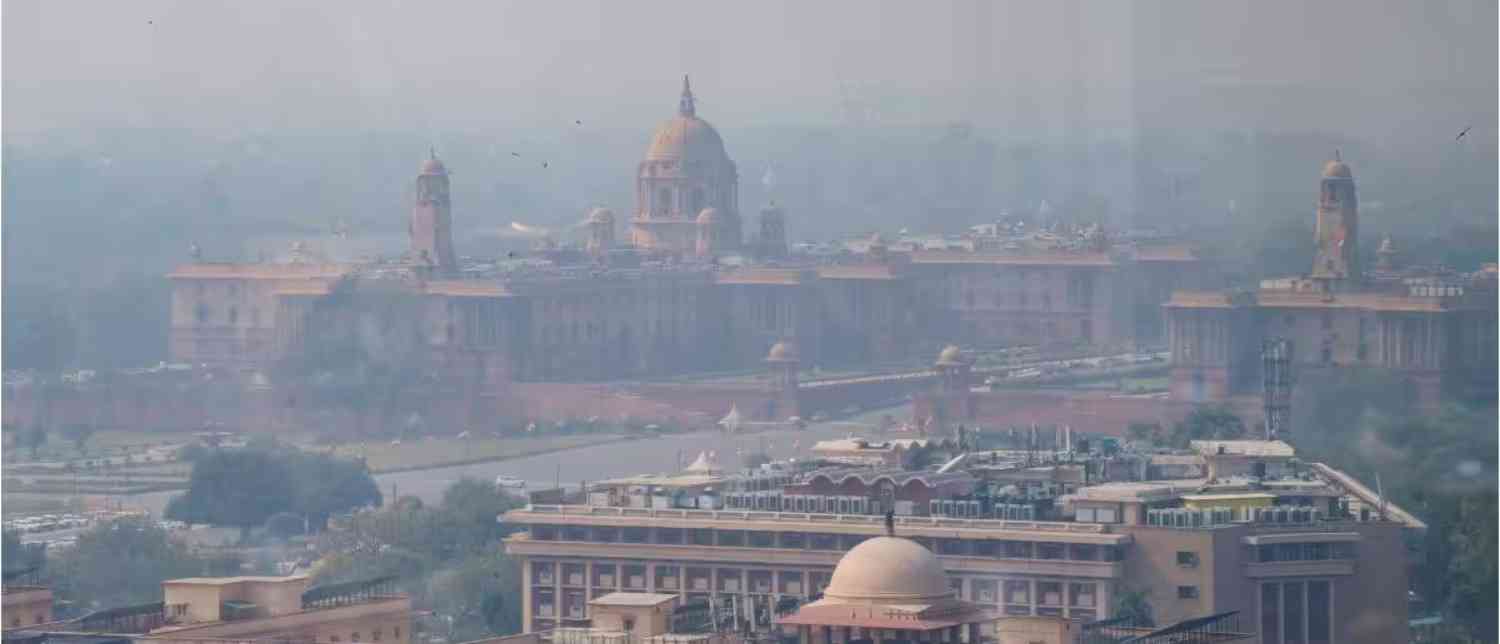
Delhi has unveiled its most comprehensive strategy yet to tackle its annual air pollution crisis, shifting from reactive emergency measures to a permanent, preventive framework that will be implemented every winter. The Delhi government has officially notified a Permanent Winter Pollution Master Plan, under which a series of anti-pollution measures will be enforced every year between November 1 and February 28, aiming to reduce emissions before air quality deteriorates to hazardous levels.
The new framework introduces several stringent measures, including a 'No Pollution Under Control (PUC) Certificate, No Fuel' policy, mandatory year-round PUC compliance, work-from-home provisions for offices, staggered office timings, increased parking charges, stricter action against polluting vehicles, and tighter controls on construction dust and industrial emissions. The plan reflects the government's intent to institutionalise pollution control instead of relying solely on emergency interventions during peak smog episodes.
A Permanent Shift in Delhi's Pollution Strategy
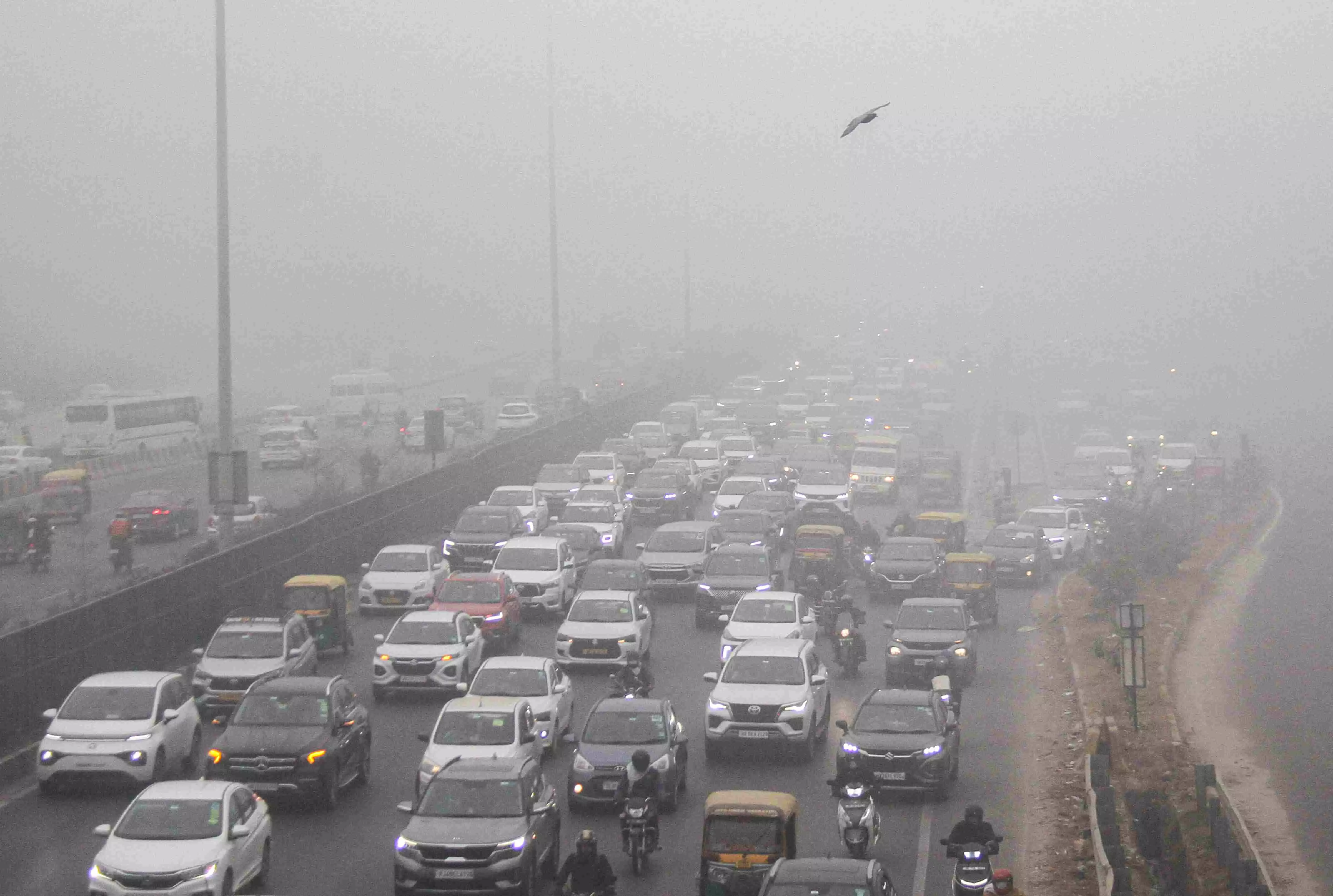
Every winter, Delhi witnesses a sharp decline in air quality due to a combination of vehicular emissions, industrial pollution, construction dust, biomass burning, adverse meteorological conditions, and stubble burning in neighbouring states. Instead of introducing ad hoc restrictions after pollution levels spike, the government has now adopted a recurring annual framework designed to prevent the crisis from escalating.
Officials describe the approach as a transition from "crisis management" to "prevention-first" planning, with multiple departments required to coordinate implementation well before pollution reaches severe levels.
No Fuel Without a Valid PUC Certificate
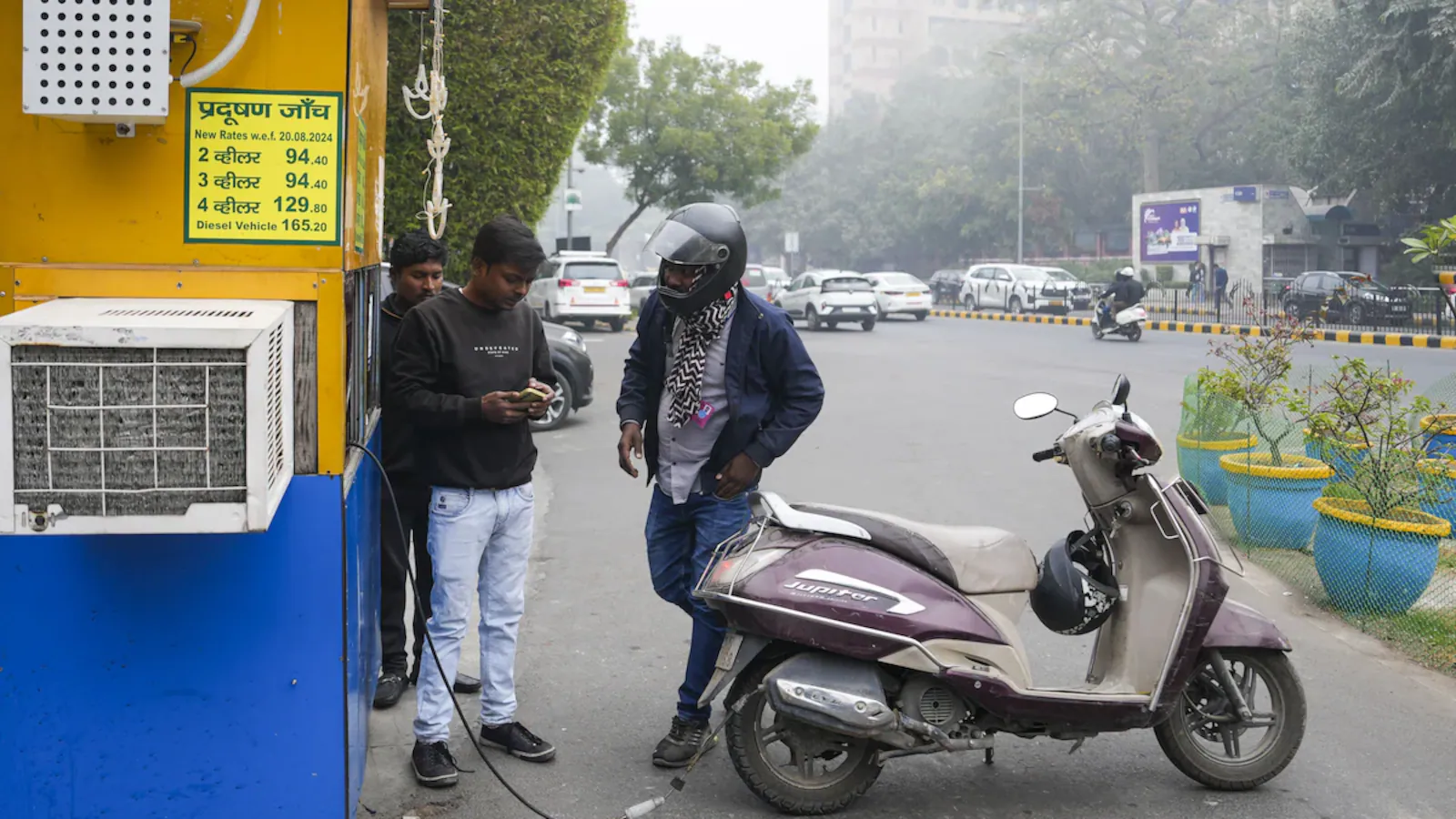
Among the most significant provisions is the "No Fuel Without PUC" policy.
Under the new rules, petrol pumps across Delhi will deny fuel to vehicles that do not possess a valid Pollution Under Control certificate once the system is operational. Authorities believe the measure will significantly improve compliance with emission norms and discourage the use of highly polluting vehicles.
The government also plans to make PUC certification mandatory throughout the year, rather than treating it as a seasonal requirement. This is expected to strengthen vehicle emission monitoring on a continuous basis and reduce pollution from poorly maintained vehicles.
To support stricter enforcement, Delhi is also preparing to introduce an upgraded PUCC 3.0 system that will use artificial intelligence to verify vehicle testing and curb fraudulent pollution certificate practices.
Work From Home and Staggered Office Timings
The framework empowers authorities to introduce work-from-home arrangements for up to 50% of employees in government and private offices whenever pollution levels warrant stricter intervention.
Flexible and staggered office timings will also be implemented to reduce traffic congestion during peak hours, thereby lowering vehicular emissions. The move aims to spread traffic volumes across the day while decreasing the concentration of vehicles on Delhi's roads during rush hours.
Officials believe that reducing daily commuting during critical pollution periods can make a meaningful contribution to lowering emissions.
Higher Parking Charges to Discourage Private Vehicle Use
To reduce dependence on private vehicles, the government has proposed doubling parking fees during the winter pollution period.
The measure is intended to encourage commuters to shift towards public transport while discouraging unnecessary use of private vehicles during months when air quality is most vulnerable.
Authorities also plan to strengthen public transport services to accommodate the expected increase in ridership during these periods.
Stricter Action Against Polluting Vehicles
Vehicular emissions remain one of the largest contributors to Delhi's poor air quality, and the new master plan introduces multiple restrictions targeting older and highly polluting vehicles.
Beginning November 1, non-Bharat Stage VI (BS VI) commercial vehicles will face restrictions on entering Delhi unless exempted under specified categories. The objective is to reduce emissions from heavy-duty diesel vehicles that contribute disproportionately to particulate pollution.
Authorities will also intensify enforcement against end-of-life vehicles, strengthen roadside emission checks, and expand surveillance using technology-based monitoring systems.
Tackling Dust, Construction and Industrial Pollution
Beyond transport, the winter pollution framework focuses on other major emission sources.
Construction sites will be subject to stricter dust-control norms, including mandatory anti-smog guns where applicable, dust suppression measures, proper covering of construction material, and regular inspections. Violations could attract penalties or work stoppages.
Industrial units will also face enhanced monitoring to ensure compliance with emission standards. Authorities intend to improve coordination among multiple agencies responsible for enforcing pollution-control regulations across sectors.
Better Preparedness Through Inter-Department Coordination
Unlike previous years, the permanent framework assigns responsibilities to multiple government departments well in advance of the pollution season.
Transport, municipal corporations, environment authorities, public works agencies, police, and other departments will operate under predefined action plans rather than waiting for pollution levels to worsen.
The government believes this structured coordination will enable faster implementation of pollution-control measures and improve accountability among agencies responsible for enforcement.
Technology to Play a Bigger Role
Technology forms a central pillar of the new strategy.
Apart from AI-enabled verification of Pollution Under Control certificates, authorities are expected to increase the use of automated monitoring systems, digital enforcement tools, and data-driven surveillance to identify polluting vehicles and ensure compliance.
These measures are intended to reduce manual intervention, improve transparency, and minimise fraudulent practices in the vehicle emission certification process.
Long-Term Vision for Cleaner Air
The Winter Pollution Master Plan complements Delhi's broader clean-air initiatives, including its recently notified electric vehicle policy aimed at accelerating the transition to zero-emission mobility and reducing dependence on conventional fuels over the coming years.
Officials maintain that while winter pollution cannot be eliminated through a single intervention, sustained implementation of preventive measures across transport, industry, construction, and public behaviour can significantly reduce pollution peaks.
Environmental experts have long argued that Delhi requires predictable, institutionalised action rather than short-term emergency responses. The annual framework represents an attempt to provide that continuity by embedding pollution-control measures into regular governance.
A Preventive Rather Than Reactive Approach
The government has positioned the master plan as a permanent governance mechanism that will be activated every winter instead of waiting for air quality to enter emergency categories.
By combining stricter vehicle emission norms, year-round PUC enforcement, conditional work-from-home provisions, higher parking charges, tighter regulation of commercial vehicles, dust-control measures, and enhanced technological monitoring, Delhi hopes to reduce the intensity of its annual pollution crisis before it reaches dangerous levels.
Whether the strategy delivers measurable improvements will ultimately depend on consistent enforcement, inter-agency coordination, public compliance, and complementary action by neighbouring states on regional pollution sources. However, the notification marks one of Delhi's most ambitious attempts yet to institutionalise seasonal air pollution management through a recurring, city-wide preventive framework.
With inputs from agencies
Image Source: Multiple agencies
© Copyright 2026. All Rights Reserved. Powered by Vygr Media.