 By
By 
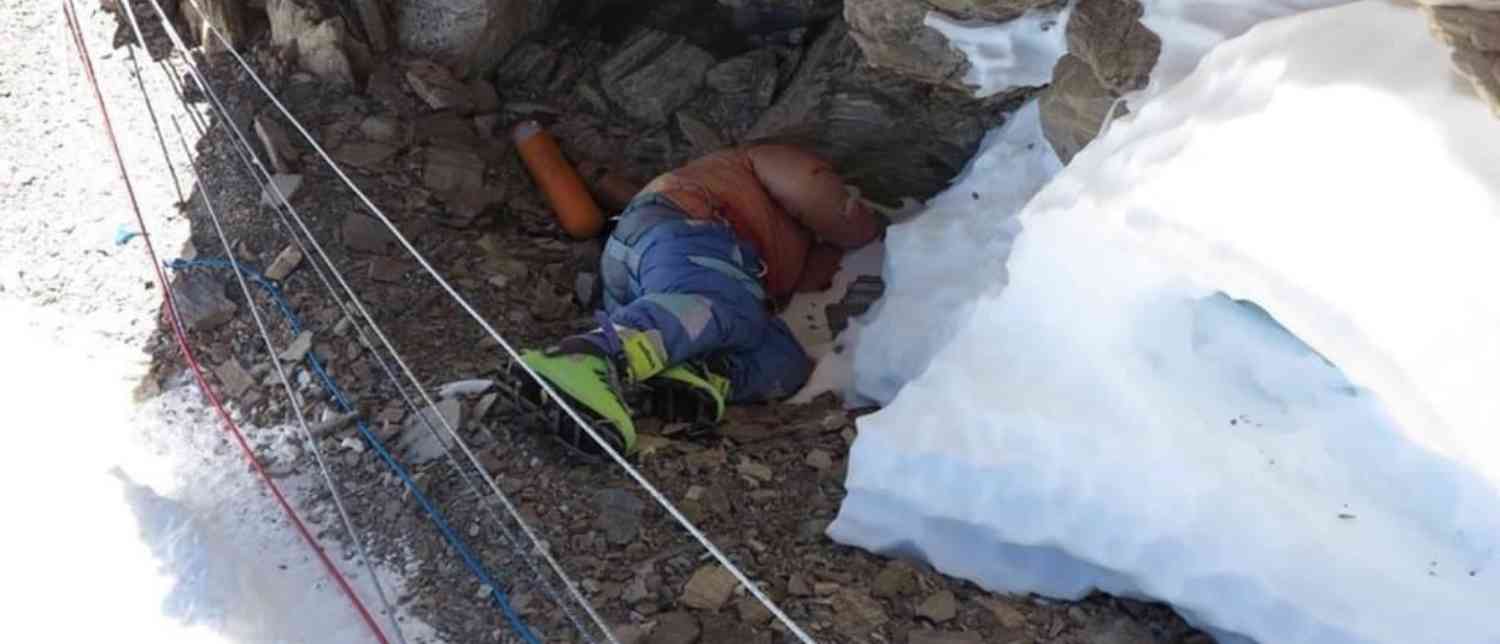
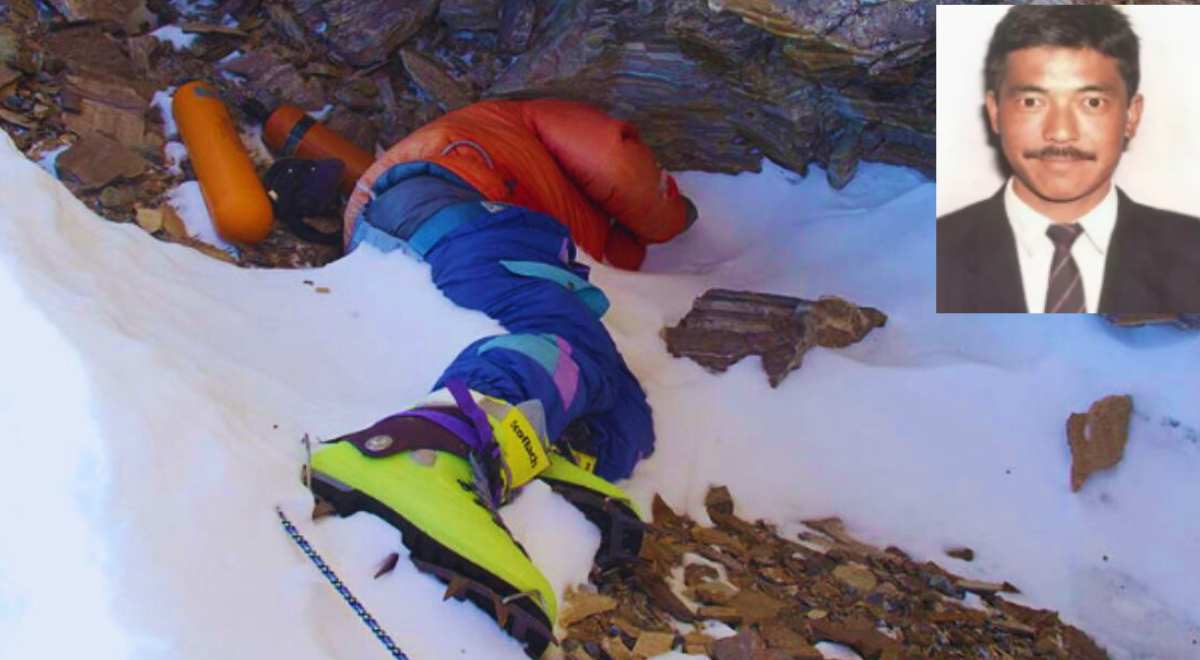
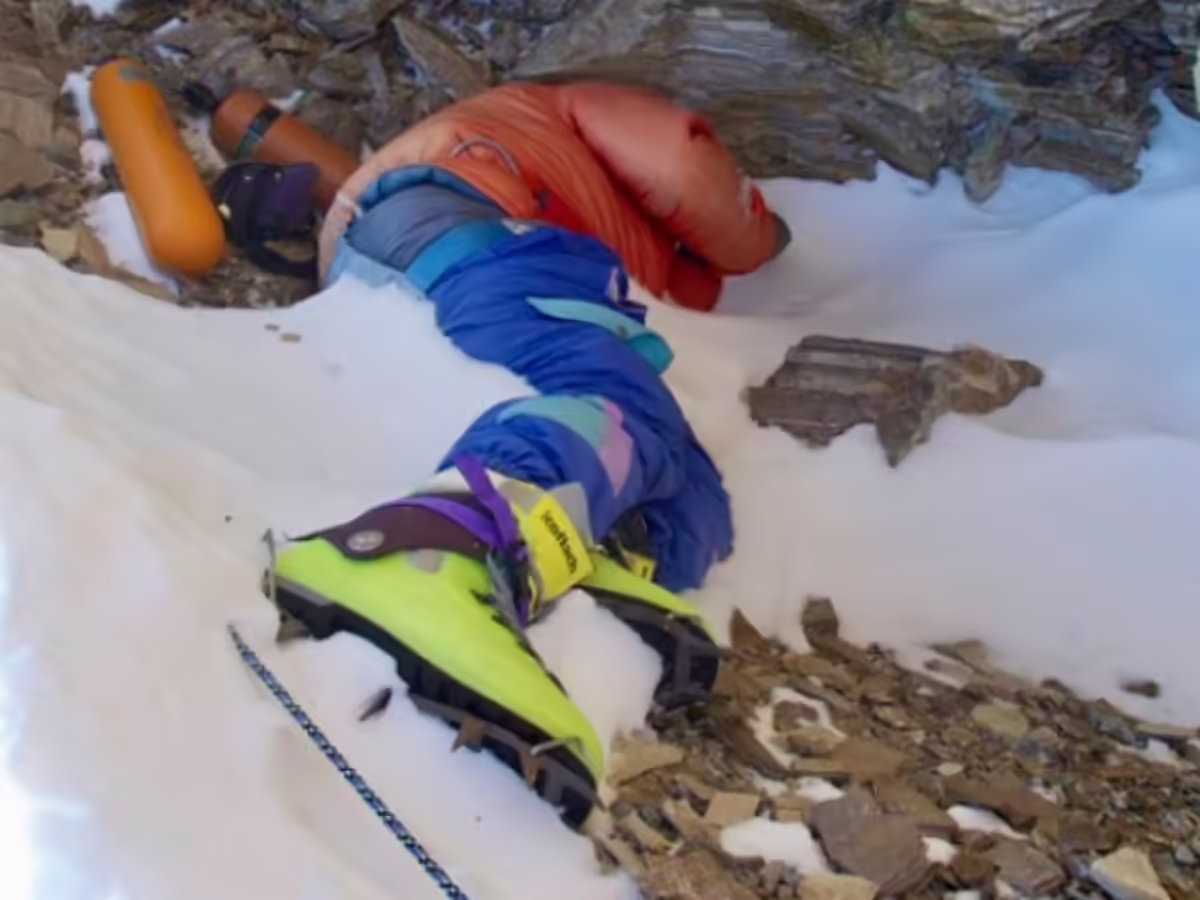
For nearly three decades, a pair of lime-green mountaineering boots has marked one of the most haunting landmarks on Mount Everest. Resting inside a rocky alcove on the mountain's treacherous northern route, the frozen body known worldwide as "Green Boots" has silently witnessed thousands of climbers pass by on their way to and from the summit.
Now, Indian authorities are preparing one of the most technically demanding recovery missions ever attempted on the world's highest peak. The Indo-Tibetan Border Police (ITBP) has initiated plans to retrieve the remains from Everest's infamous "death zone," nearly 30 years after the climber perished during the catastrophic 1996 climbing season.
A recovery mission unlike any other
The ITBP has floated a tender inviting specialist high-altitude recovery agencies to undertake the operation. Unlike a standard Everest expedition, this mission involves recovering a frozen body lying at an altitude of around 8,500 metres (approximately 27,800 feet), where oxygen levels are critically low and even experienced climbers struggle to survive.
According to the tender, the selected agency must deploy an elite team of highly experienced Sherpas capable of operating above 8,000 metres. The operation is expected to take place during the relatively stable climbing window between June and September, after securing necessary approvals from Chinese authorities, as the body lies on Everest's Tibetan side. Once recovered, the remains would undergo legal formalities before being repatriated to India.
Experts familiar with Everest rescues describe the task as significantly more dangerous than a regular summit attempt. A frozen human body can weigh considerably more than normal due to ice accumulation, making transportation down steep slopes extraordinarily difficult while climbers themselves battle exhaustion, extreme cold and oxygen deprivation.
The mystery behind 'Green Boots'
For decades, the identity of "Green Boots" remained one of Everest's enduring mysteries.
The nickname originated from the climber's distinctive lime-green mountaineering boots, which became instantly recognizable to generations of mountaineers ascending the Northeast Ridge. Positioned inside a limestone cave near the trail, the body evolved into an unofficial checkpoint. Climbers often reported reaching "Green Boots Cave" while communicating with their teams below.
Over the years, many believed the body belonged to Indian climber Tsewang Paljor, one of three ITBP personnel who died during the ill-fated 1996 expedition. However, recent official documents and DNA analysis cited by multiple international reports suggest the remains actually belong to Lance Naik Dorje Morup, another member of the same expedition. While the finding settles a decades-long debate for Indian authorities, the identification has also renewed public interest in the tragic events of May 1996.
The deadly 1996 Everest disaster
The tragedy unfolded during one of Everest's darkest climbing seasons.
An ITBP team attempted to summit Mount Everest via the mountain's challenging North Ridge route from Tibet. Six Indian climbers were part of the expedition. While some members turned back due to deteriorating weather, Subedar Tsewang Samanla, Lance Naik Dorje Morup and Head Constable Tsewang Paljor continued their ascent.
As they descended, an intense blizzard engulfed the mountain.
Communication was lost, visibility vanished and temperatures plummeted. The three climbers never returned.
The disaster coincided with the infamous 1996 Everest tragedy, during which eight climbers from multiple expeditions lost their lives in a single storm. The catastrophe later became the subject of books, documentaries and films, including the bestselling account Into Thin Air, which brought global attention to the extreme dangers of commercial mountaineering on Everest.
Why recovering bodies from Everest is so difficult
Although Everest attracts hundreds of climbers every year, recovering those who die on the mountain remains exceptionally rare.
Above 8,000 metres lies the "death zone," where oxygen levels are roughly one-third of those at sea level. The human body begins to deteriorate rapidly, increasing the risk of altitude sickness, cerebral edema and pulmonary edema. Every additional minute spent in this environment significantly increases danger—even for elite climbers.
Helicopters cannot reach many locations near the summit, leaving recovery teams to rely entirely on manpower.
Removing a frozen body requires digging it out of ice and rock, securing it with ropes and lowering it across steep ridges while navigating deep snow, crevasses and unpredictable weather. Each rescuer faces the same life-threatening conditions that claimed the victim in the first place.
Veteran Sherpas have described body recoveries above 8,000 metres as among the most dangerous assignments in high-altitude mountaineering, sometimes presenting even greater risks than summiting itself.
A mountain that keeps its dead
Everest is believed to hold around 200 unrecovered bodies, many preserved by freezing temperatures for decades. In numerous cases, the risks associated with recovery are considered too great, leading authorities and families to leave the deceased where they fell.
Some bodies have inadvertently become landmarks.
"Green Boots" is perhaps the most famous, but other climbers' remains have also been known to serve as reference points along popular climbing routes before eventually being moved away from the main trail. Around 2014, Chinese climbers reportedly shifted the body known as Green Boots farther beneath nearby rocks, making it less visible to those attempting the summit.
Climate change has added another dimension to the issue. As glaciers retreat and snow cover thins, experts warn that previously hidden bodies may increasingly emerge from the ice, creating fresh challenges for Everest authorities and climbing organizations.
More than a recovery mission
For the family of the deceased climber, the planned operation represents more than just a logistical exercise.
Bringing the remains home after nearly three decades would finally allow loved ones to perform last rites and provide long-awaited closure. It would also conclude one of the longest-running mysteries associated with Mount Everest.
However, the proposal has also sparked debate within the mountaineering community.
Many climbers believe recovering bodies whenever possible is an act of dignity and respect. Others argue that no recovery mission should place additional lives at risk, especially in the unforgiving conditions of the death zone. The discussion reflects the difficult ethical balance between honoring those who have died and protecting those tasked with bringing them home.
A symbol of Everest's enduring dangers
For nearly 30 years, "Green Boots" has served as a stark reminder that reaching the summit of Everest is only half the journey. Thousands of climbers have paused briefly while passing the silent figure, reminded that the mountain offers no guarantees, regardless of experience or ambition.
If India's recovery mission succeeds, one of Everest's most recognizable and haunting landmarks will finally disappear from the mountain.
Yet the story of Green Boots—and the lessons it represents—will remain part of Everest's history. It is a story of courage, tragedy, unanswered questions and, perhaps finally, closure.
As preparations continue, the world will be watching a mission that is as much about humanity as it is about mountaineering—an attempt to bring home a climber whose final resting place became one of the most famous landmarks on Earth's highest peak.
With inputs from agencies
Image Source: Multiple agencies
© Copyright 2026. All Rights Reserved. Powered by Vygr Media.