
 By
By 
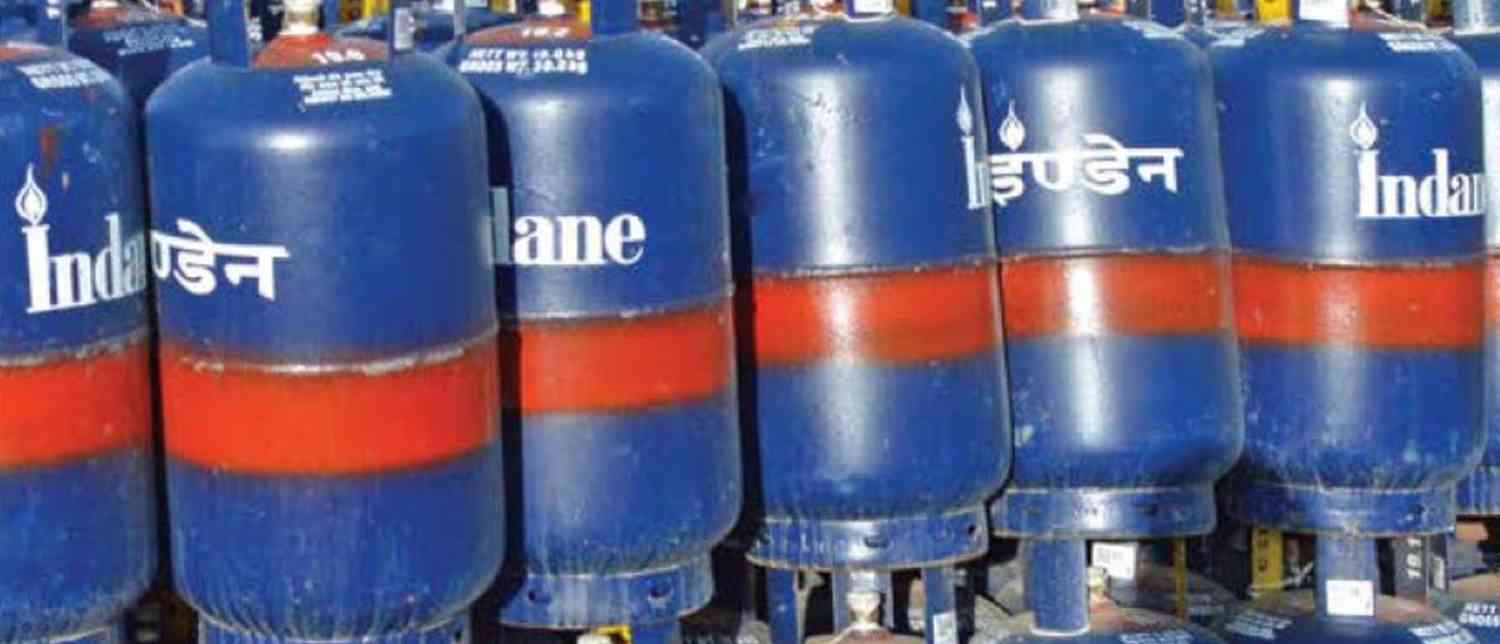
Commercial LPG cylinder prices have been increased across India from June 1, delivering another blow to restaurants, hotels, caterers, and other businesses that rely heavily on liquefied petroleum gas (LPG) for daily operations. However, households have received some relief as the prices of domestic cooking gas cylinders remain unchanged.
According to the latest revision by oil marketing companies (OMCs), the price of a 19-kg commercial LPG cylinder has been raised by between ₹42 and ₹53.50, depending on the city. The increase comes amid continuing concerns over fuel supply security and efforts by the government and energy companies to strengthen LPG reserves in the wake of disruptions linked to the ongoing geopolitical tensions in West Asia.
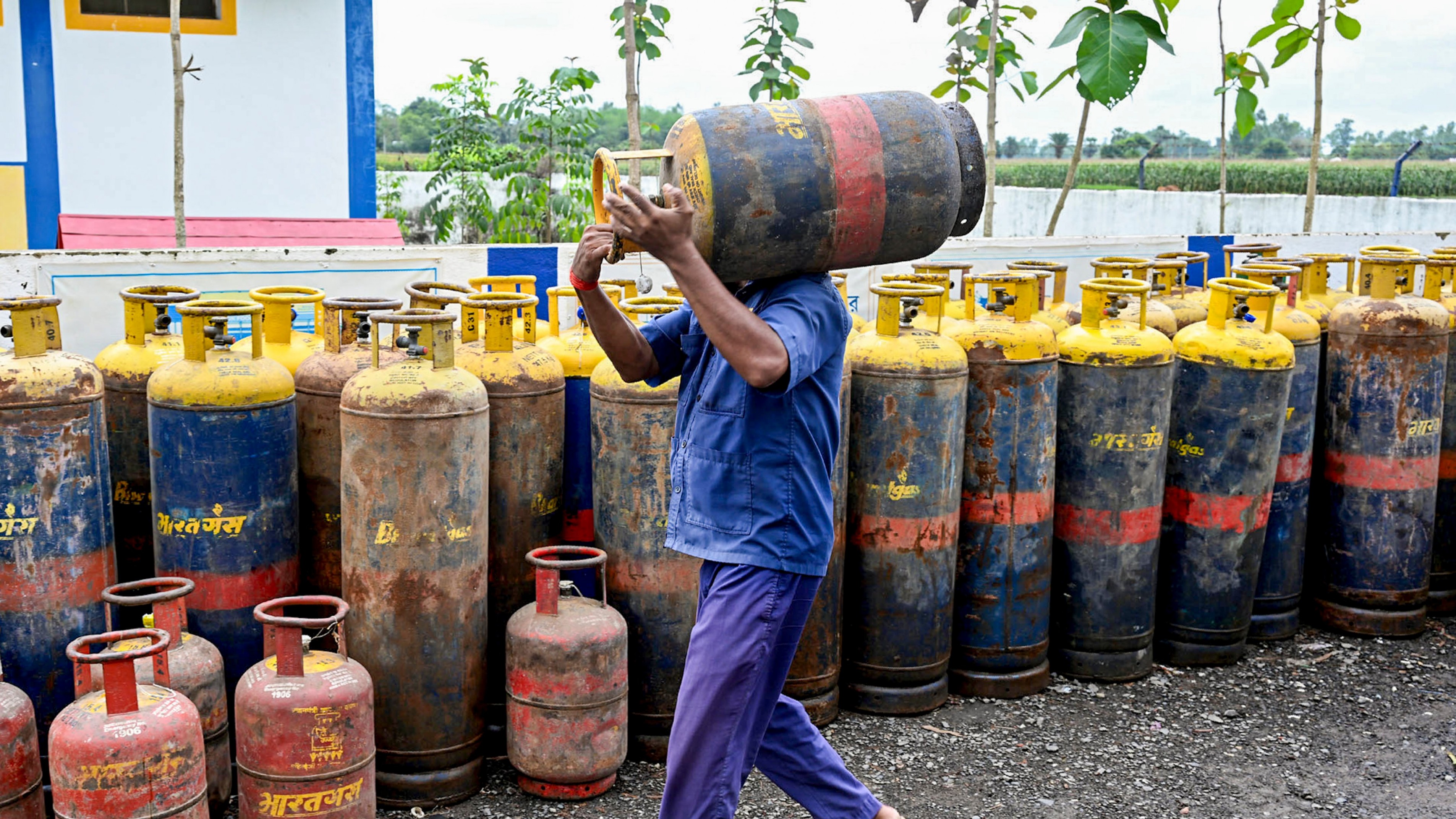
Delhi Commercial LPG Cylinder Now Costs ₹3,113.50
Following the latest revision, the price of a 19-kg commercial LPG cylinder in Delhi has increased by ₹42, taking the retail price to ₹3,113.50 per cylinder, up from ₹3,071.50 previously. The revised rates came into effect from June 1.
The increase directly impacts commercial establishments such as restaurants, hotels, food vendors, bakeries, catering businesses, and other enterprises that depend on LPG as a primary fuel source. Industry observers expect the higher fuel costs to add pressure on operating expenses, potentially resulting in increased prices for consumers in some sectors.
City-Wise Increase Varies Between ₹42 and ₹53.50
The latest hike is not uniform across the country. Depending on local pricing structures and transportation costs, commercial LPG cylinder rates have risen by amounts ranging from ₹42 to ₹53.50 in major cities.
Oil companies revise LPG prices at the beginning of every month, taking into account international energy prices, import costs, exchange rates, and supply-demand conditions. The June revision follows a series of substantial increases seen over recent months.
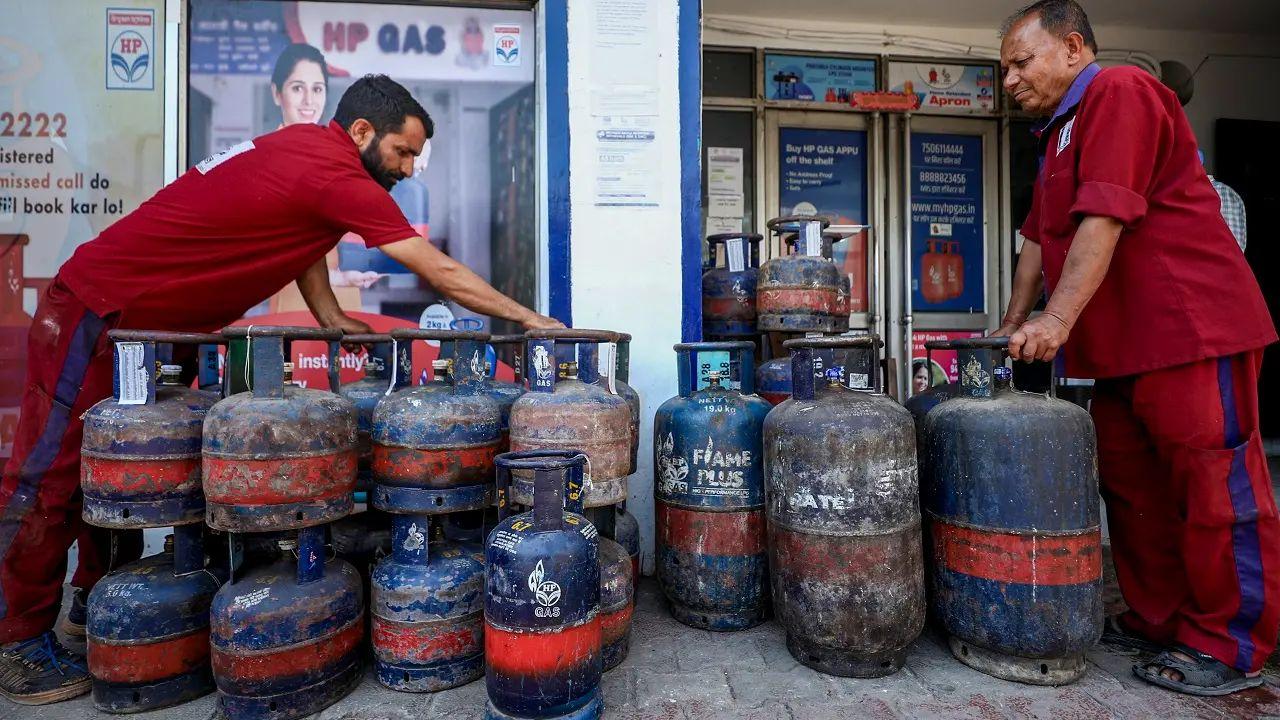
Domestic LPG Cylinder Prices Stay Unchanged
While commercial users will bear higher costs from June 1, domestic LPG consumers have been spared any fresh increase. The prices of 14.2-kg household LPG cylinders remain unchanged across major metro cities, including Delhi, Mumbai, Kolkata, and Chennai.
Current domestic LPG cylinder prices remain:
-
Delhi: ₹913
-
Mumbai: ₹912.50
-
Kolkata: ₹939
-
Chennai: ₹928.50
These rates continue despite volatility in global energy markets and concerns surrounding fuel supplies.
The government has maintained its focus on protecting household consumers from additional inflationary pressure, even as commercial fuel prices continue to adjust according to market conditions.
Latest Hike Comes After Months of Sharp Increases
The June 1 increase follows a series of significant commercial LPG price revisions since the escalation of geopolitical tensions in West Asia earlier this year. Commercial LPG rates have witnessed multiple upward revisions since late February, when concerns over regional conflict and supply disruptions began affecting global energy markets.
In early March, commercial LPG cylinder prices were increased by more than ₹100. Another hike of nearly ₹200 followed in April. Then, on May 1, oil marketing companies announced one of the steepest increases in recent years, raising commercial LPG prices by around ₹993 per cylinder.
That May revision pushed the Delhi price of a 19-kg commercial cylinder to ₹3,071.50 from ₹2,078.50. Similar increases were seen across other metropolitan cities, with prices crossing the ₹3,000 mark in several markets.
With the latest June increase, Delhi's commercial LPG rate has now climbed to ₹3,113.50.
Fuel Supply Security Concerns Driving Policy Response
The latest revision comes at a time when authorities are closely monitoring fuel supply security. Recent disruptions in global energy supply chains and concerns over transportation routes have prompted discussions around strengthening India's strategic LPG reserves.
Reports indicate that the Centre is pushing for larger LPG stockpiles to ensure uninterrupted availability of cooking and commercial fuel in the event of future global disruptions. The move is aimed at reducing vulnerability to external shocks and maintaining energy security for consumers and businesses alike.
The government has previously stated that it is making every possible effort to ensure uninterrupted supplies of LPG, crude oil, and natural gas, while also discouraging panic buying amid geopolitical uncertainties.
Impact on Hotels, Restaurants and Small Businesses
The immediate impact of the latest hike will be felt by commercial establishments that use 19-kg LPG cylinders for cooking and operational requirements. Hotels, restaurants, cafes, street-food vendors, caterers, bakeries, and small manufacturing units are among the sectors most exposed to rising LPG costs.
Industry experts note that repeated increases in commercial fuel prices over recent months have significantly raised input costs. Many businesses have already been grappling with higher expenses linked to transportation, raw materials, and energy consumption. The latest increase may further squeeze profit margins, particularly for small and medium-sized enterprises.
Although commercial LPG pricing is market-linked and deregulated, frequent revisions can have a cascading effect on sectors that depend heavily on fuel-intensive operations.
Monthly LPG Price Revision Continues
Oil marketing companies traditionally revise LPG prices on the first day of every month based on prevailing market conditions. While domestic LPG prices have remained unchanged in the latest revision, commercial rates continue to reflect changes in international energy markets and supply dynamics.
The June 1 increase reinforces the trend seen over the past several months, during which commercial LPG prices have experienced multiple upward revisions. Businesses dependent on LPG will now be watching future revisions closely as global energy markets remain sensitive to geopolitical developments and supply-chain disruptions.
For now, while households avoid another increase in cooking gas expenses, commercial users across the country will have to absorb higher fuel costs as the new rates come into effect.
With inputs from agencies
Image Source: Multiple agencies
© Copyright 2026. All Rights Reserved. Powered by Vygr Media.