
 By
By 
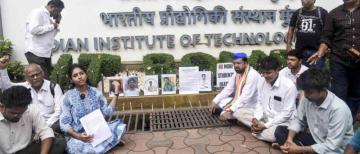
In a significant move aimed at restoring public confidence in India's examination system, the Union Cabinet has approved a bill proposing stricter punishment for examination paper leaks and organised cheating. The decision comes against the backdrop of widespread outrage over alleged irregularities in competitive examinations, particularly the NEET controversy, and growing demands from students for stronger safeguards to protect the integrity of public exams.
The proposed legislation is expected to amend the existing Public Examinations (Prevention of Unfair Means) Act, 2024, making its provisions more stringent by increasing jail terms, imposing heavier financial penalties, and introducing fast-track courts for speedy trials in paper leak cases.
Government Moves to Tighten Existing Law
According to government sources cited by multiple media reports, the Cabinet has cleared amendments designed to strengthen India's anti-cheating framework after repeated incidents of question paper leaks and examination fraud raised concerns over the credibility of recruitment and entrance examinations.
The proposed amendments are likely to increase the punishment for individuals involved in organised paper leak rackets while also expanding accountability for institutions and officials found complicit in examination malpractice. Officials believe that stronger deterrence is necessary to dismantle criminal networks that profit from leaking examination papers and manipulating recruitment processes.
The bill is expected to be introduced in Parliament during the ongoing session, where the government will seek its early passage.
Fast-Track Courts Proposed for Speedier Justice
One of the key features of the proposed amendments is the establishment of dedicated fast-track courts to ensure that paper leak cases are investigated and adjudicated without prolonged delays.
Successive paper leak incidents have often led to lengthy legal proceedings, forcing lakhs of students to wait months—or even years—for justice while recruitment processes remained stalled. By introducing time-bound trials, the government hopes to deliver quicker convictions and discourage future offenders.
Prime Minister Narendra Modi had earlier indicated that the draft legislation would include provisions for fast-track courts alongside stricter punishment, describing the measure as part of a broader effort to protect honest students and uphold the sanctity of public examinations.
Background: NEET Controversy Intensified Demand for Reform
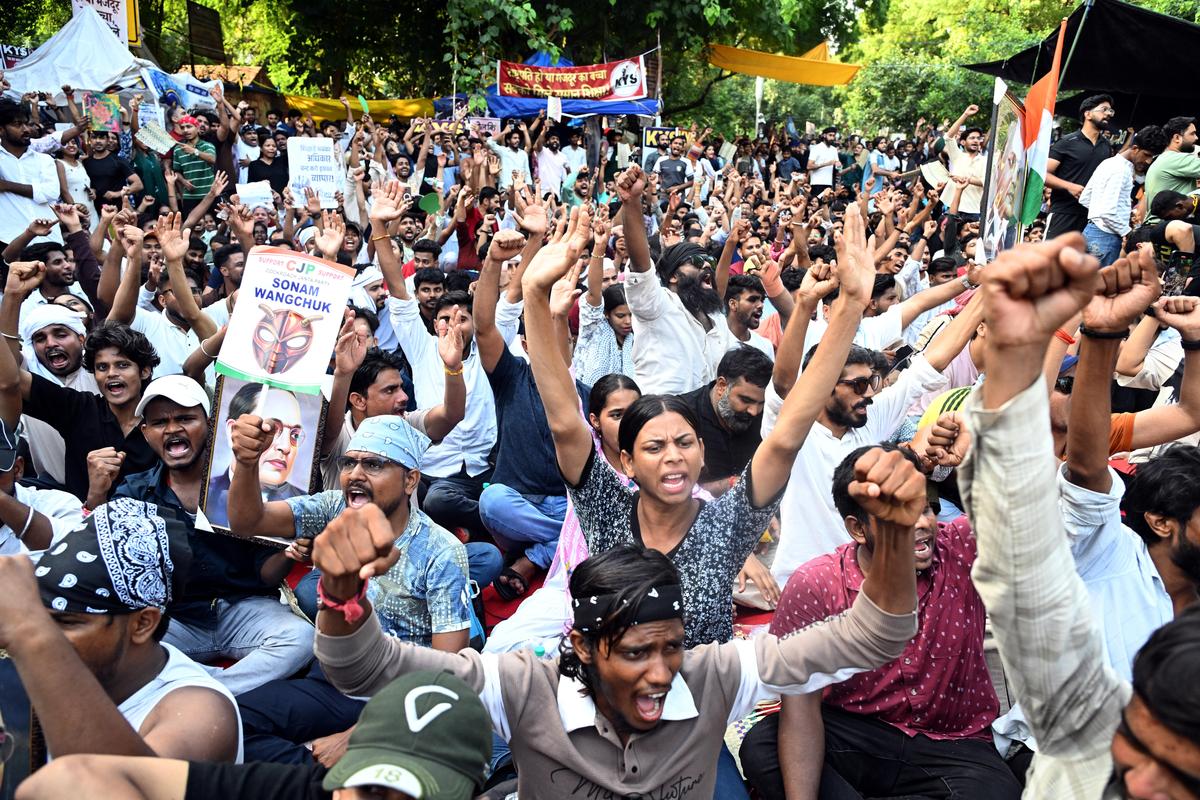
The government's latest move comes after months of public anger over alleged examination irregularities, particularly surrounding the National Eligibility-cum-Entrance Test (NEET), which triggered nationwide protests and legal scrutiny.
The controversy revived concerns over the security of high-stakes examinations conducted across the country, with students and parents demanding greater transparency, stricter accountability and stronger legal consequences for those involved in organised cheating.
Following the allegations, investigative agencies launched multiple probes, resulting in arrests across several states. Authorities also ordered re-examinations for affected candidates in certain cases to ensure fairness in the admission process.
The renewed legislative push is widely seen as the government's response to these concerns, aiming to reassure millions of aspirants preparing for competitive examinations.
Existing Law Already Prescribes Harsh Penalties
India already has the Public Examinations (Prevention of Unfair Means) Act, 2024, enacted to combat organised cheating in major public examinations conducted by agencies such as the Union Public Service Commission (UPSC), Staff Selection Commission (SSC), National Testing Agency (NTA), Railway Recruitment Boards and other government bodies.
The existing law provides for imprisonment of up to 10 years and fines that can extend to ₹1 crore for organised examination fraud. It also targets individuals and organised groups involved in leaking question papers, manipulating examination systems or facilitating large-scale cheating.
However, despite the legislation, recurring incidents of paper leaks have prompted the government to consider making the law even more stringent.
Proposed Changes May Include Longer Jail Terms and Higher Fines
While the final text of the amendments has not yet been made public, reports indicate that the government is considering increasing both imprisonment periods and financial penalties for offenders.
The proposed changes are also expected to strengthen accountability mechanisms by targeting organised syndicates and those facilitating examination fraud through digital platforms or institutional collusion.
Officials believe tougher punishments, combined with faster prosecution, will significantly improve deterrence and reduce the likelihood of future paper leak incidents.
Students Welcome Stronger Action
The proposed amendments have been viewed positively by many students' groups, which have repeatedly demanded stricter laws following repeated disruptions to recruitment and entrance examinations.
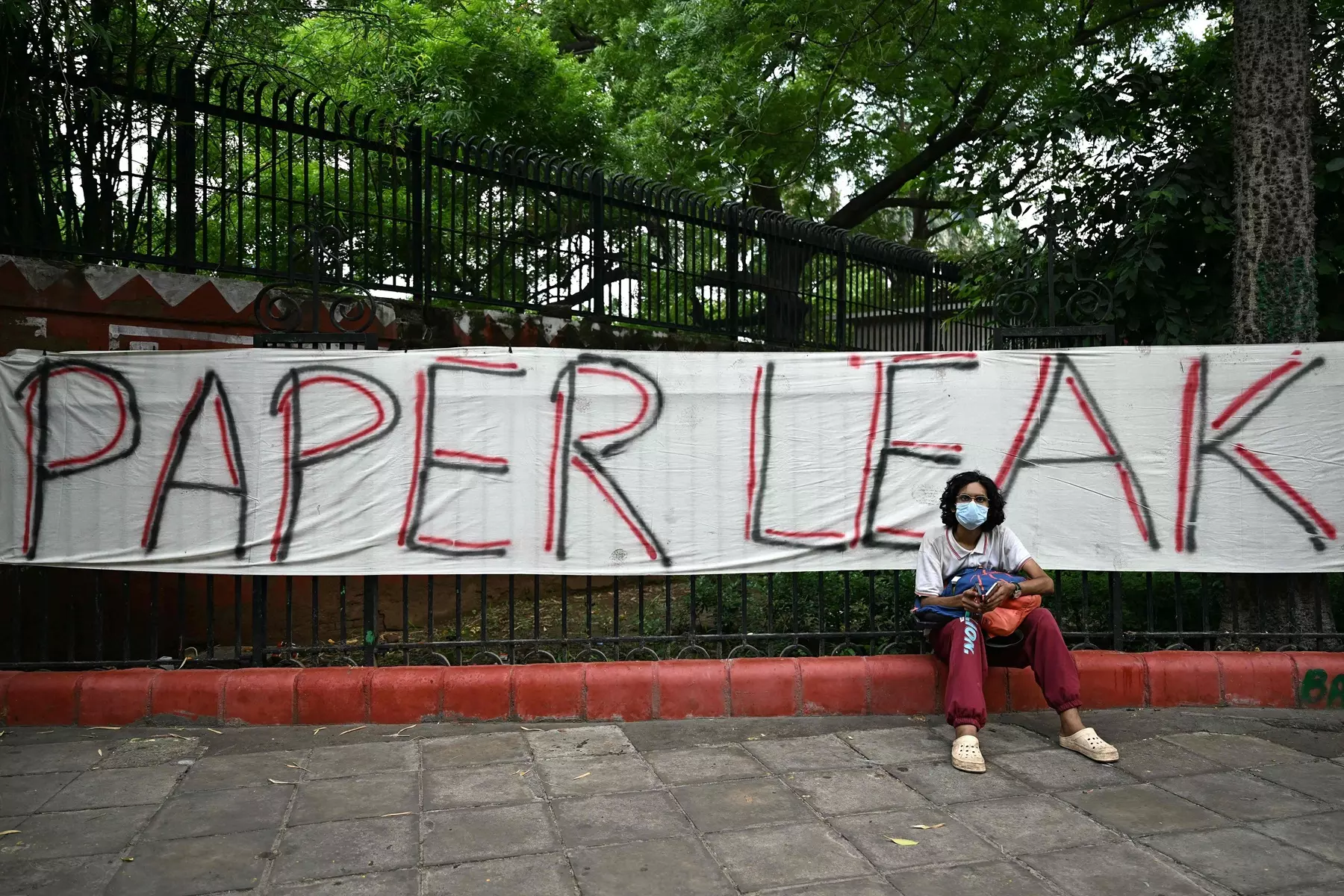
Paper leak scandals not only undermine merit-based selection but also impose emotional and financial burdens on candidates who spend years preparing for highly competitive examinations.
Several recruitment drives have previously faced cancellations or postponements because of alleged leaks, forcing candidates to restart preparations while uncertainty surrounding examinations continued.
Education experts have also argued that legal reforms must be accompanied by stronger technological safeguards, better cybersecurity infrastructure, secure printing and distribution systems, and enhanced monitoring throughout the examination process to effectively eliminate organised cheating.
Government Seeks to Restore Trust in Examination System
The Cabinet's decision reflects the government's broader objective of restoring public trust in India's examination ecosystem, which plays a crucial role in admissions to higher education institutions and recruitment for government jobs.
Competitive examinations in India involve millions of candidates every year, making transparency and fairness essential for maintaining confidence in public institutions.
Officials believe that stricter legal provisions, faster judicial processes and tougher enforcement will send a strong message against organised examination fraud while protecting the interests of genuine candidates.
With Parliament expected to take up the bill soon, the proposed amendments could mark another significant step in India's ongoing efforts to curb paper leaks and reinforce the credibility of one of the world's largest examination systems.
With input from agencies
Image Source: Multiple agencies
© Copyright 2026. All Rights Reserved. Powered by Vygr Media.