
 By
By 
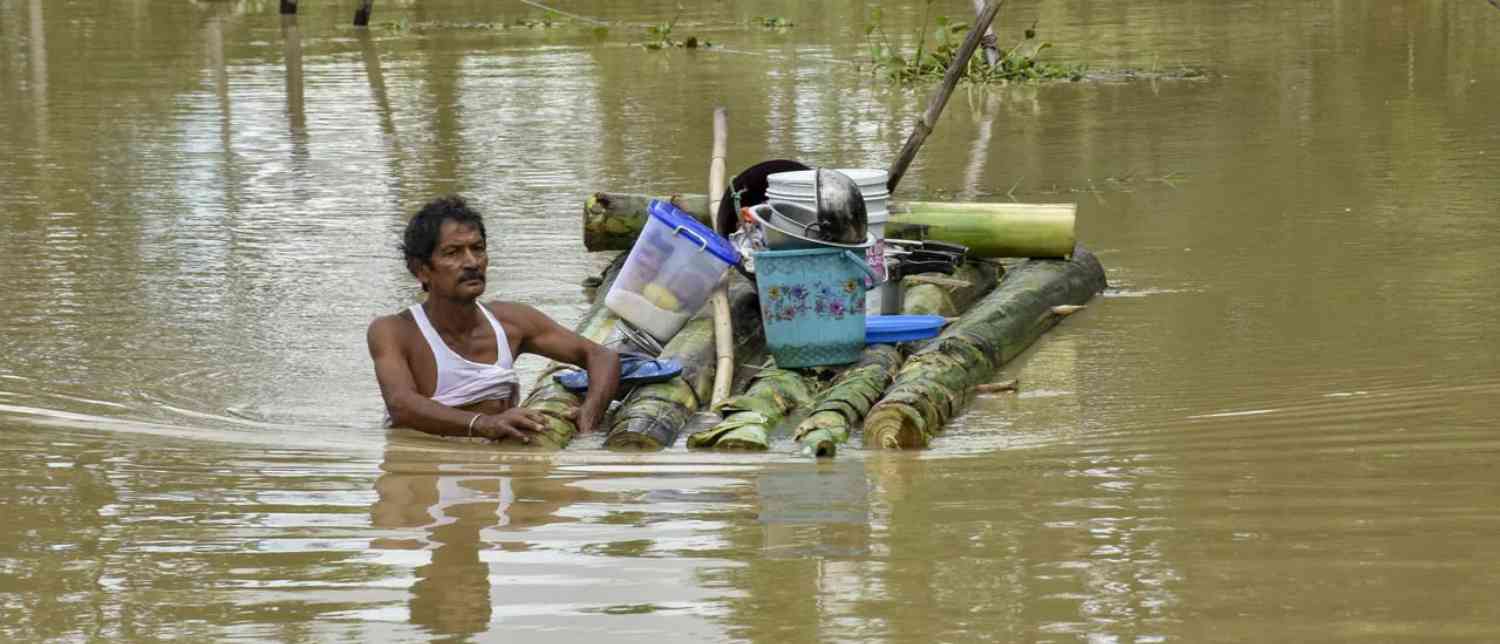
The flood situation in Assam continues to deteriorate, with the death toll climbing to 62 and more than seven lakh people reeling under the impact of one of the state's worst monsoon disasters this year. Continuous rainfall across Upper Assam and swelling rivers have submerged hundreds of villages, displaced thousands of families, damaged infrastructure, and intensified the humanitarian crisis despite large-scale rescue and relief operations.
According to the latest bulletin issued by the Assam State Disaster Management Authority (ASDMA), the floods have affected over seven lakh residents across 12 districts, with fresh casualties reported from the worst-hit regions of Charaideo, Sivasagar, and Jorhat. The latest fatalities have pushed the cumulative death toll from this year's floods to 62, underscoring the severity of the ongoing disaster.
Upper Assam Bears the Brunt
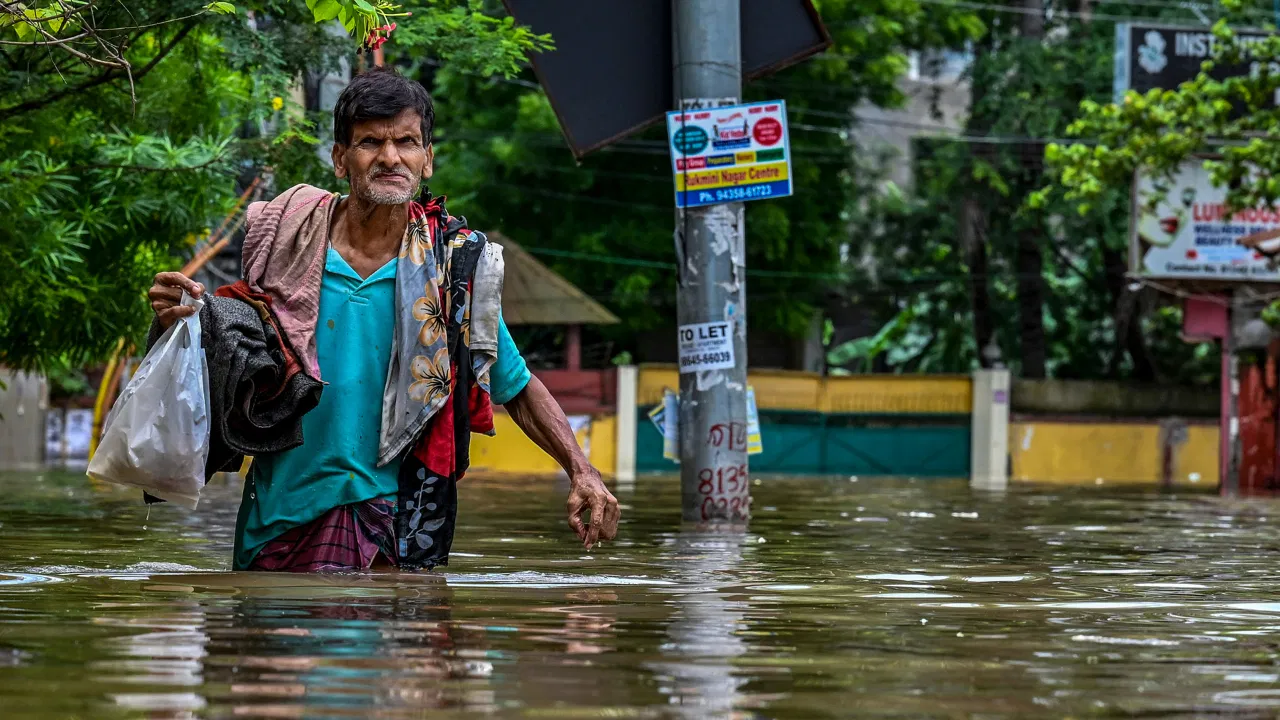
Upper Assam remains the epicentre of the crisis, with Charaideo and Sivasagar emerging as the worst-affected districts. Torrential rainfall over the past several days has caused rivers to breach embankments and inundate low-lying areas, forcing thousands to flee their homes.
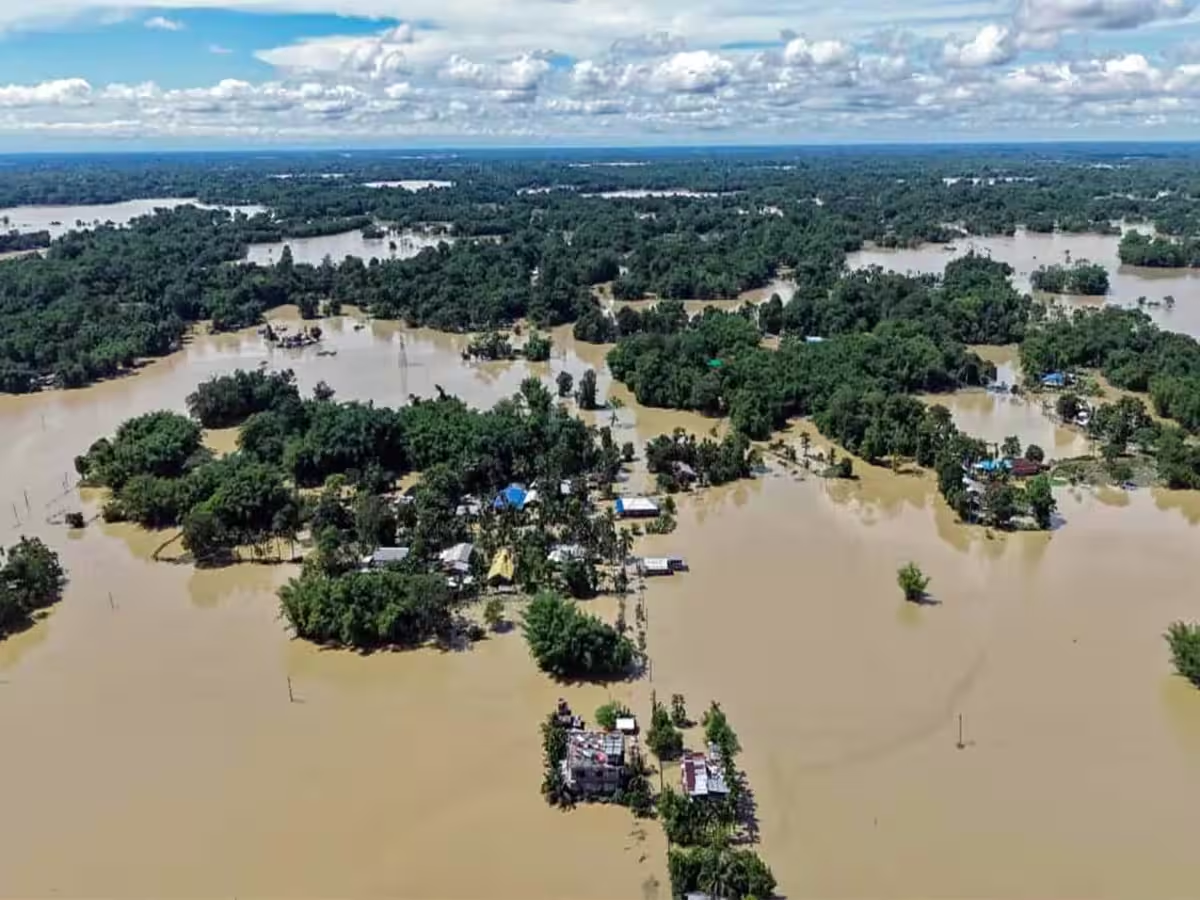
The floods have submerged hundreds of villages spread across 37 revenue circles, disrupting road connectivity, electricity supply, drinking water facilities, schools, healthcare services, and agricultural activities. Vast stretches of cropland remain underwater, raising concerns over significant losses to farmers and the region's agricultural economy.
Over Seven Lakh People Continue to Suffer
The scale of the disaster remains staggering. More than 7 lakh people continue to be affected by floodwaters, with lakhs of families facing displacement, food shortages, contaminated drinking water, and damaged homes.
Authorities have established numerous relief camps and distribution centres, providing shelter, food, drinking water, medicines, and essential supplies to displaced residents. Government agencies, local administrations, volunteers, and disaster response teams are working round the clock to evacuate stranded people and deliver humanitarian assistance to inaccessible areas.
The National Disaster Response Force (NDRF), State Disaster Response Force (SDRF), police personnel, and local volunteers remain actively engaged in rescue operations using boats and specialised equipment to evacuate people trapped in inundated villages. In severely affected locations, relief materials are also being transported through alternative means wherever road access has been cut off.
Rivers Continue Flowing Above Danger Mark
One of the biggest concerns for authorities is that several major rivers in Assam continue to flow above the danger level, preventing floodwaters from receding rapidly.
The swollen rivers have caused extensive erosion along embankments and riverbanks, increasing the risk of further inundation if rainfall persists. Waterlogging has also affected urban and semi-urban areas, disrupting transportation and daily life.
Officials continue to monitor river levels closely, warning that fresh rainfall in the catchment areas could worsen the situation in vulnerable districts.
Massive Damage to Homes, Agriculture and Infrastructure
Beyond the tragic loss of life, the floods have inflicted widespread damage on homes, roads, bridges, public infrastructure, livestock, and standing crops.
Thousands of houses have either been partially or completely damaged after remaining submerged for days. Farmers have suffered heavy crop losses as agricultural land continues to remain underwater during the crucial cultivation season.
Several roads have become impassable, disrupting transportation and delaying the movement of relief materials in some locations. Educational institutions and government offices in affected regions have also experienced disruptions due to flooding.
Health officials are simultaneously monitoring the risk of waterborne diseases as prolonged flooding increases concerns over sanitation and access to safe drinking water.
Relief Operations Intensified
The Assam government has intensified rescue and rehabilitation measures as the crisis unfolds. Relief camps continue to accommodate displaced families while authorities distribute cooked food, dry rations, drinking water, baby food, medicines, blankets, and other essential items.
District administrations are maintaining constant surveillance over vulnerable embankments and flood-prone villages while coordinating with disaster response agencies for rapid evacuations wherever water levels rise further.
Officials have urged residents living near rivers and low-lying areas to remain alert and immediately shift to safer locations if advised by local authorities.
Wildlife Also Faces Serious Threat
The floods have once again impacted Assam's ecologically sensitive regions. Rising water levels have affected wildlife habitats, forcing animals to move towards higher ground in search of safety.
Conservation authorities continue monitoring protected forest areas and wildlife corridors to minimise animal casualties and human-wildlife conflict during the flooding period. Floods in Assam traditionally pose significant risks to biodiversity, particularly in areas connected to major river systems.
Humanitarian Challenges Continue
Apart from immediate rescue efforts, rehabilitation remains a major challenge. Many displaced families have lost homes, livestock, household belongings, and livelihoods.
Children, elderly residents, and people with existing health conditions remain among the most vulnerable groups inside relief camps. Ensuring uninterrupted access to healthcare, sanitation, nutrition, and clean drinking water continues to be a priority for authorities.
The prolonged flooding has also disrupted education, local businesses, transportation, and rural employment, with experts warning that recovery may take months even after waters recede.
Authorities Remain on High Alert
With weather conditions remaining unpredictable, disaster management agencies continue monitoring rainfall patterns and river levels across Assam. Officials have warned that additional rainfall upstream could delay the improvement of the flood situation.
Emergency response teams remain deployed across vulnerable districts, while local administrations continue advising residents to follow official warnings and avoid travelling through waterlogged or flooded areas unless absolutely necessary.
As rescue operations continue, the focus has now shifted towards preventing further loss of life, ensuring timely relief for displaced families, restoring essential services, and preparing for long-term rehabilitation once floodwaters begin to recede.
With input from agencies
Image Source: Multiple agencies
© Copyright 2026. All Rights Reserved. Powered by Vygr Media.