 By
By 
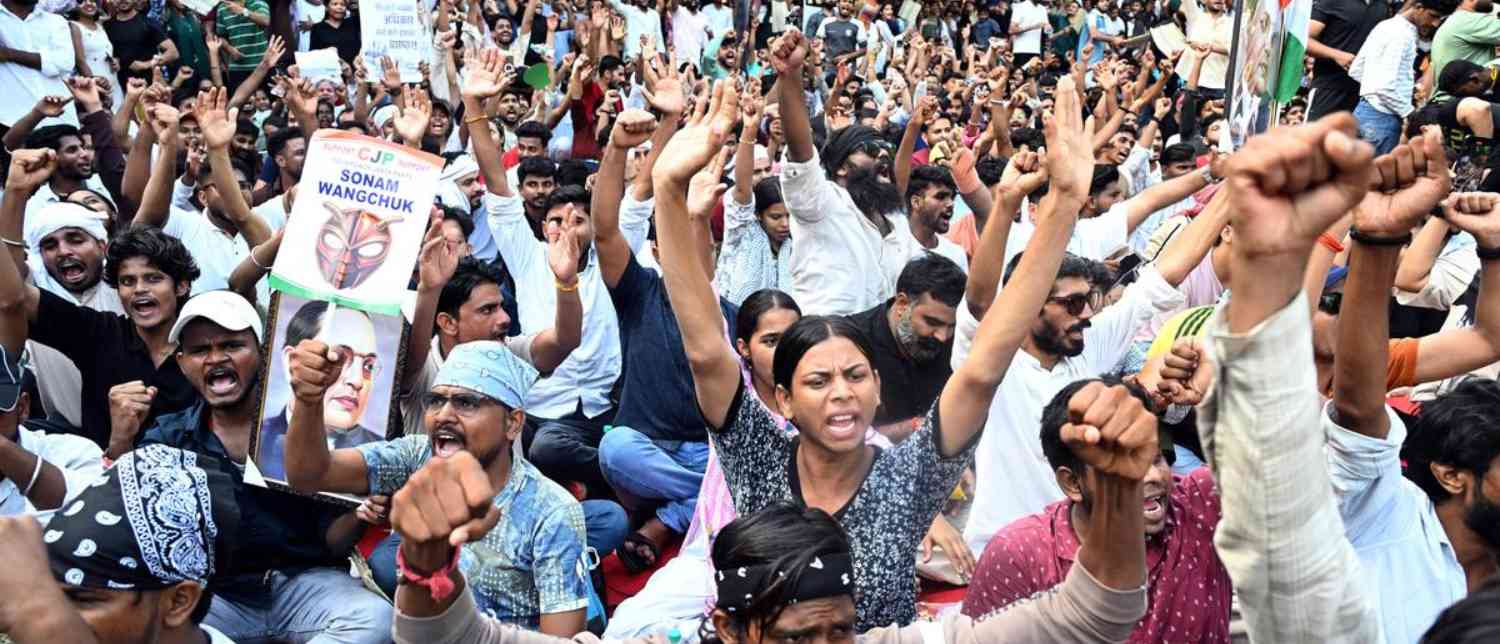
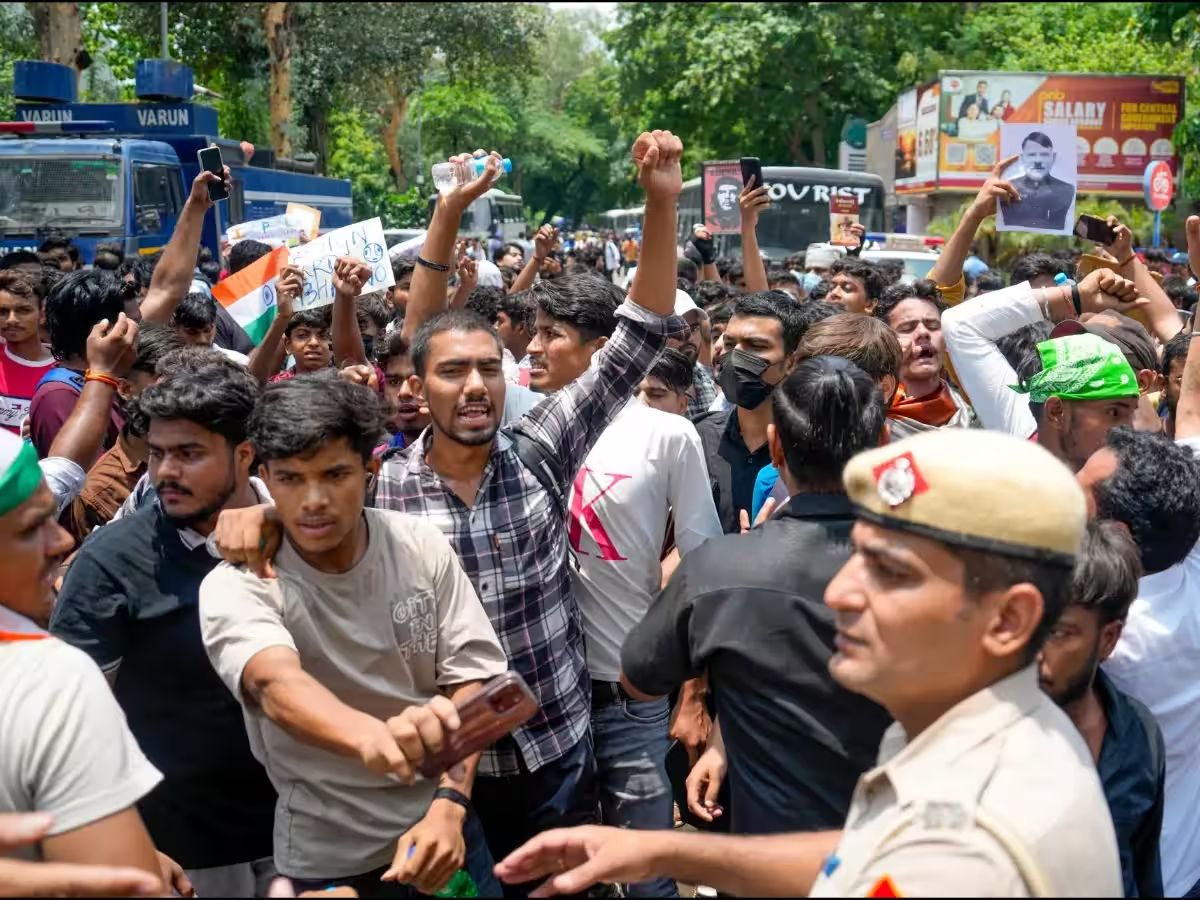
The nationwide outrage over the alleged NEET-UG 2026 paper leak has transformed into one of the country's largest student-led protest movements in recent years, with demonstrations spreading far beyond Delhi into cities including Mumbai, Bengaluru, Chennai, Hyderabad, Kolkata and dozens of smaller towns. What began as a gathering of angry medical aspirants has evolved into a broader youth movement demanding accountability, examination reforms and political responsibility.
Led under the banner of the Cockroach Janta Party (CJP)—a satirical yet powerful protest collective—students have adopted the cockroach as their symbol, describing themselves as ordinary young Indians who continue to survive despite repeated setbacks in the country's competitive examination system. The movement has rapidly gained traction across social media and on the ground, with organisers claiming participation from over 30 cities.
A Protest That Outgrew Delhi
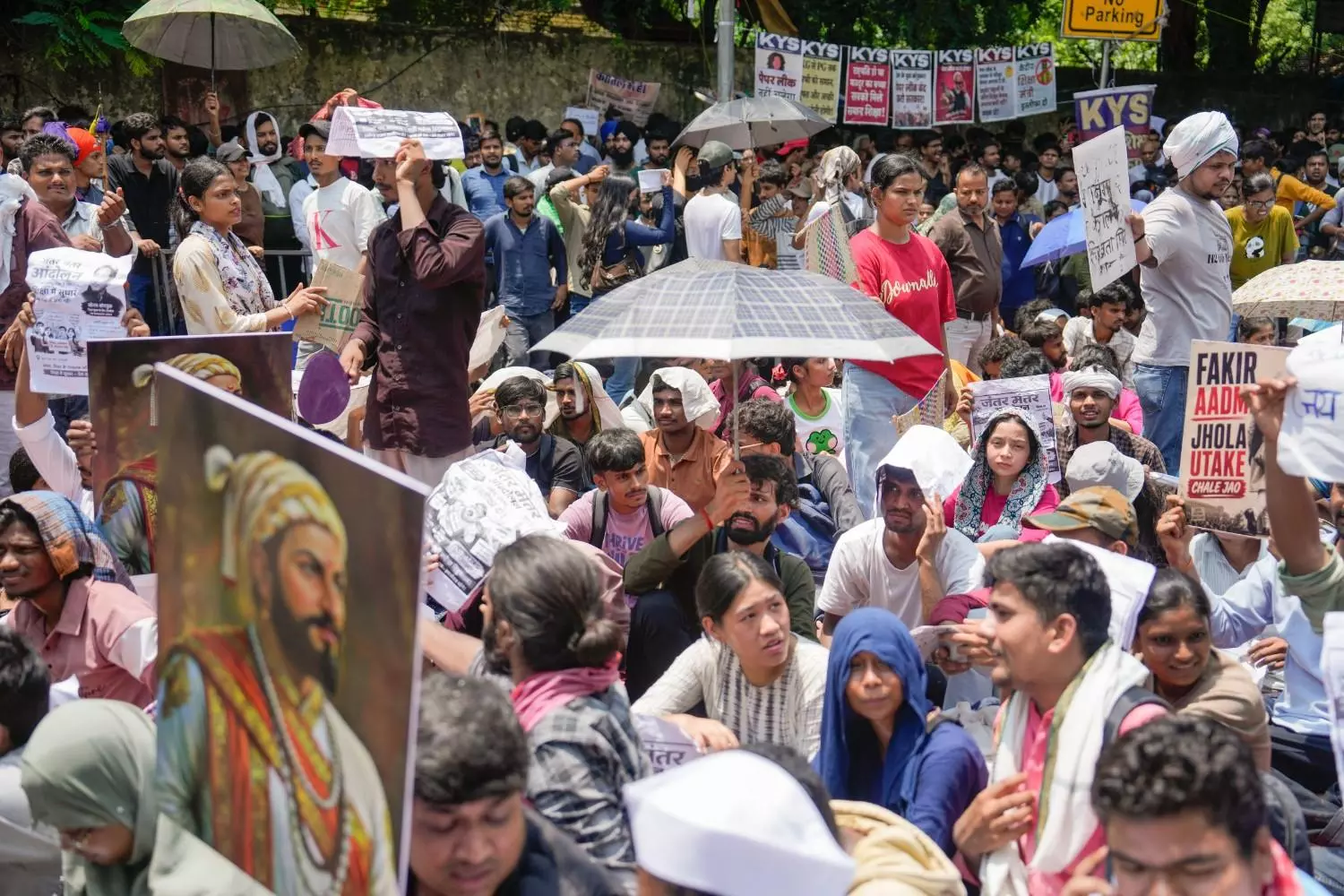
The demonstrations first drew national attention at Delhi's Jantar Mantar, where thousands of students gathered after allegations surfaced that the NEET-UG 2026 examination had been compromised by a paper leak. Protesters accused authorities of failing to ensure the integrity of one of India's most competitive entrance examinations, taken annually by millions of aspiring medical students.
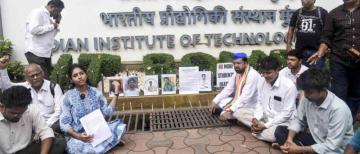
As images and videos from Delhi circulated online, solidarity protests quickly emerged across the country. Students assembled in Bengaluru despite heavy rain, marched through Chennai's streets, organised rallies in Mumbai, Hyderabad and Kolkata, and staged demonstrations in numerous university towns.
Across locations, protesters carried placards, raised slogans demanding educational reforms and called for the resignation of Union Education Minister Dharmendra Pradhan, arguing that accountability must accompany any investigation into the alleged irregularities.
Why a Cockroach?
The movement's most striking feature is its mascot—a cockroach.
Organisers say the insect symbolises resilience. Just as cockroaches are known for surviving hostile environments, students argue they have endured years of intense competition, repeated examination uncertainties, paper leaks, changing rules and mounting mental stress while continuing to pursue their dreams.
Many protesters wore cockroach masks, carried oversized cut-outs and incorporated the imagery into posters and social media campaigns. The unconventional symbolism has made the movement instantly recognisable, helping it gain attention both nationally and internationally.
The satirical branding has also enabled protesters to communicate a serious message: despite repeated institutional failures, students refuse to disappear or give up.
Alleged Paper Leak Triggers Widespread Anger
At the heart of the protests lies the alleged leak of the NEET-UG 2026 examination paper, an incident that has once again raised concerns about the credibility of high-stakes competitive examinations in India.
Students argue that recurring allegations of question paper leaks across major recruitment and entrance examinations have severely damaged trust in the country's testing ecosystem. Many aspirants spend years preparing for a single opportunity, often investing substantial financial resources in coaching, accommodation and study materials.
Protesters contend that when examinations are allegedly compromised, it is not merely an administrative lapse but a direct blow to the aspirations of millions of young people.
While investigations into the alleged leak continue, demonstrators have maintained that systemic reforms—not just criminal action against those responsible—are necessary to restore confidence in public examinations.
From Exam Issue to National Youth Movement
The demonstrations have steadily expanded beyond the immediate issue of the alleged paper leak.
Speakers at various protest sites have highlighted broader concerns surrounding India's examination system, including repeated paper leak controversies, transparency in recruitment and entrance tests, the mental health burden on aspirants, and the need for stronger safeguards to prevent future irregularities.
The movement has attracted students preparing for various competitive examinations, not just NEET aspirants. Protesters argue that recurring examination controversies affect a much wider generation of young Indians competing for limited educational and employment opportunities.
This widening agenda has helped transform what began as an exam-specific protest into a larger youth-led campaign focused on accountability and educational reform.
Sonam Wangchuk's Hunger Strike Adds Momentum
The movement received additional national attention after education reform activist Sonam Wangchuk joined the campaign through a prolonged hunger strike.
Wangchuk undertook a 26-day fast in support of students demanding transparency, accountability and reforms in India's examination system. His participation significantly broadened public engagement with the issue, drawing support from civil society groups and prominent public figures.
According to reports, Wangchuk eventually ended his hunger strike after discussions with government representatives and receiving written assurances regarding key concerns, including examination reforms and protection for peaceful protesters. He later clarified that ending the fast should not be interpreted as the end of the movement but as an opportunity for dialogue while safeguarding students from further confrontation.
Government Under Pressure
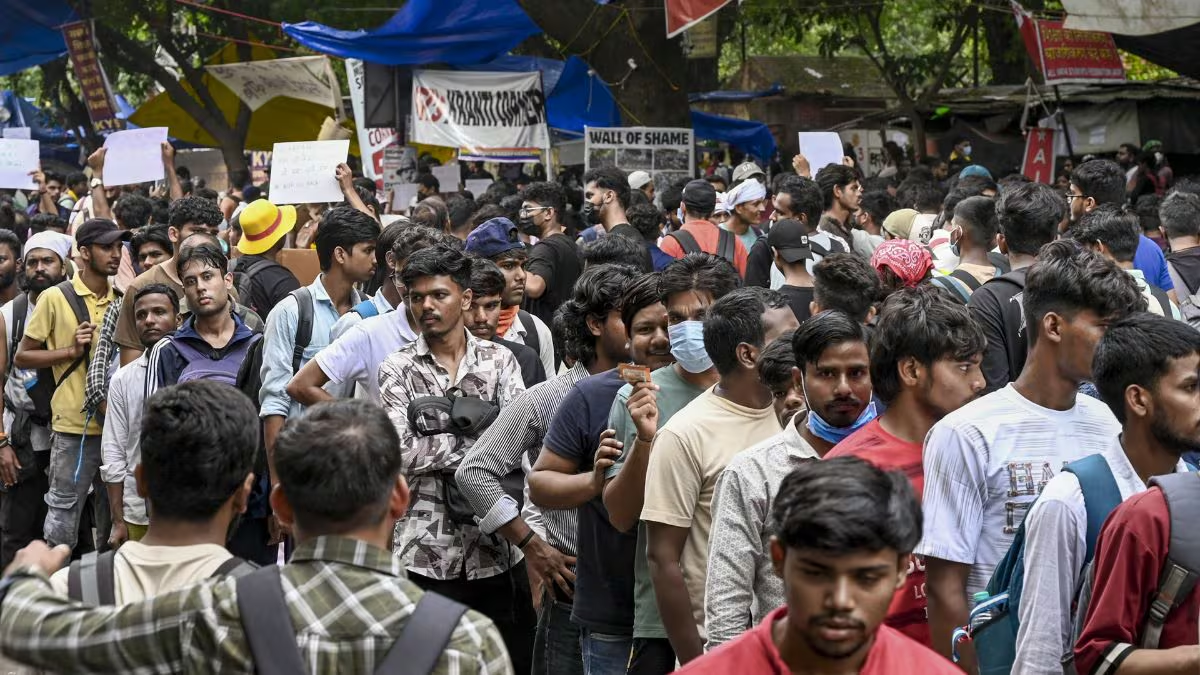
The growing scale of demonstrations has increased pressure on the Centre to respond to students' demands.
Protest leaders have continued to seek the resignation of Union Education Minister Dharmendra Pradhan, alleging administrative failure in preventing the alleged paper leak. Government representatives, however, have engaged with protest leaders through discussions while broader political consultations have also been reported.
The Centre has reportedly sought time to respond to the protesters' demands following meetings with movement representatives, signalling that dialogue remains ongoing even as demonstrations continue across multiple cities.
Social Media Amplifies the Movement
Digital platforms have played a central role in expanding the protests.
Images of cockroach masks, student marches and creative demonstrations have circulated widely across Instagram, X and other social media platforms, enabling organisers to coordinate events across states and mobilise supporters within hours.
The visual identity of the Cockroach Janta Party has helped distinguish the campaign from previous student protests, turning a symbolic mascot into a recognisable emblem of youth frustration with repeated examination controversies.
The online momentum has also attracted solidarity from Indian students abroad, further amplifying discussions around examination reforms and educational accountability.
What Lies Ahead
With protests continuing across multiple cities, the NEET agitation has become far more than a dispute over a single examination.
For many participants, it represents accumulated frustration over repeated paper leak allegations, uncertainty surrounding competitive examinations and the perceived lack of institutional accountability.
Whether the movement results in major policy reforms remains to be seen. However, its rapid expansion demonstrates the growing willingness of India's youth to organise collectively around issues affecting education and opportunity.
As investigations into the alleged NEET-UG 2026 paper leak proceed and talks between protest leaders and the government continue, the Cockroach Janta Party has emerged as an unexpected but powerful symbol of student resilience.
The coming weeks are likely to determine whether the movement culminates in meaningful examination reforms or marks another chapter in India's long history of student-led democratic mobilisation.
With input from agencies
Image Source: Multiple agencies
© Copyright 2026. All Rights Reserved. Powered by Vygr Media.