 By

In ‘Belonging: A Journey of Love’, the Congress leader describes rare, formal encounters with the Prime Minister and frames their rivalry as a clash of two visions for India.
Congress Parliamentary Party chairperson Sonia Gandhi has written in her new memoir that she has had almost no personal contact with Prime Minister Narendra Modi, and that when they meet face to face, he tends to look away. The book, Belonging: A Journey of Love, was released in bookstores across India on Tuesday, November 10. It is published by HarperCollins India.
What the Memoir Says
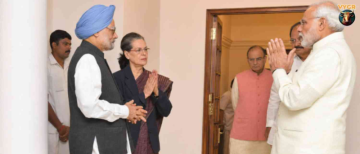
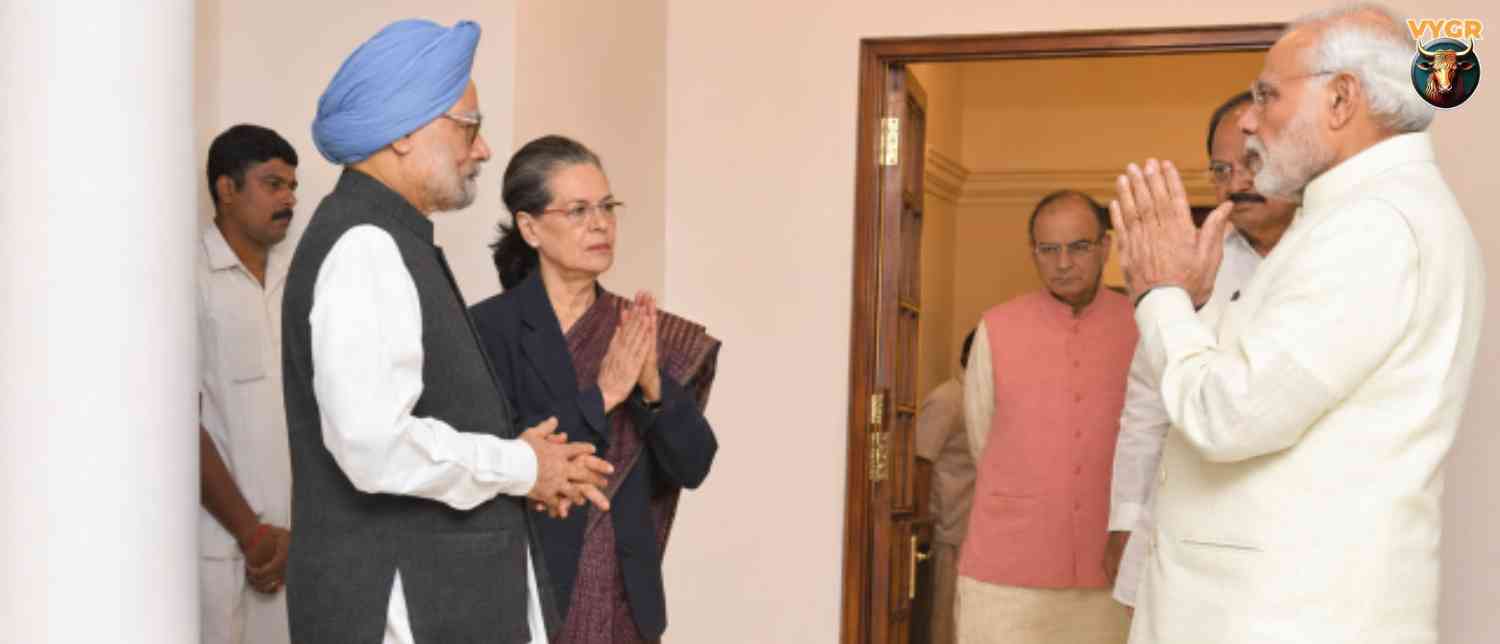
Gandhi writes that Modi has been Prime Minister for more than twelve years and is in his third term, and that she has had “practically no real contact” with him to this day. She says they meet only at semi-official gatherings, such as in the Speaker’s chamber at the end of Parliament sessions, and exchange a formal namaste.
She contrasts this with earlier times, when leaders across party lines treated each other with cordiality. In her account, Modi “tends to look away, avoiding eye contact” when he comes face to face with her.
“It Wasn’t Personal”
Gandhi presents the distance as political rather than personal. She writes that Modi was fighting for his vision of India and she for hers, which she describes as an India that stands for inclusiveness, secularism, and social justice and is against hegemony. “It wasn’t personal,” she writes.
She also says she understood some of his discomfort with the country’s ruling elite. She notes that he had worked his way up within the Rashtriya Swayamsevak Sangh (RSS) from an underprivileged background, and says his path into politics ran along a course completely different from her own. She links his critical remarks about Jawaharlal Nehru to his conditioning within the RSS.
A Book With a Wider Canvas
The Modi passage is one part of a long memoir. The book follows Gandhi from her childhood in post-war Italy and her time in the United Kingdom to her meeting with Rajiv Gandhi at Cambridge, their marriage in 1968, and her move into the household of her mother-in-law, Indira Gandhi. It covers personal losses, including the assassinations of Indira Gandhi in 1984 and Rajiv Gandhi in 1991, and her treatment for breast cancer.
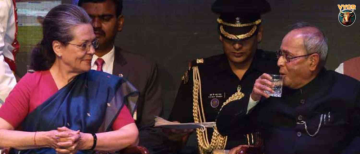
It also describes her years leading the Congress and the UPA. In other extracts, she recalls declining the Prime Minister’s post in 2004, rejects the “back seat driver” label for her role in the Manmohan Singh government, and describes a 2010 conversation in which Pranab Mukherjee hinted at wanting to be Prime Minister.
Reaction From the BJP
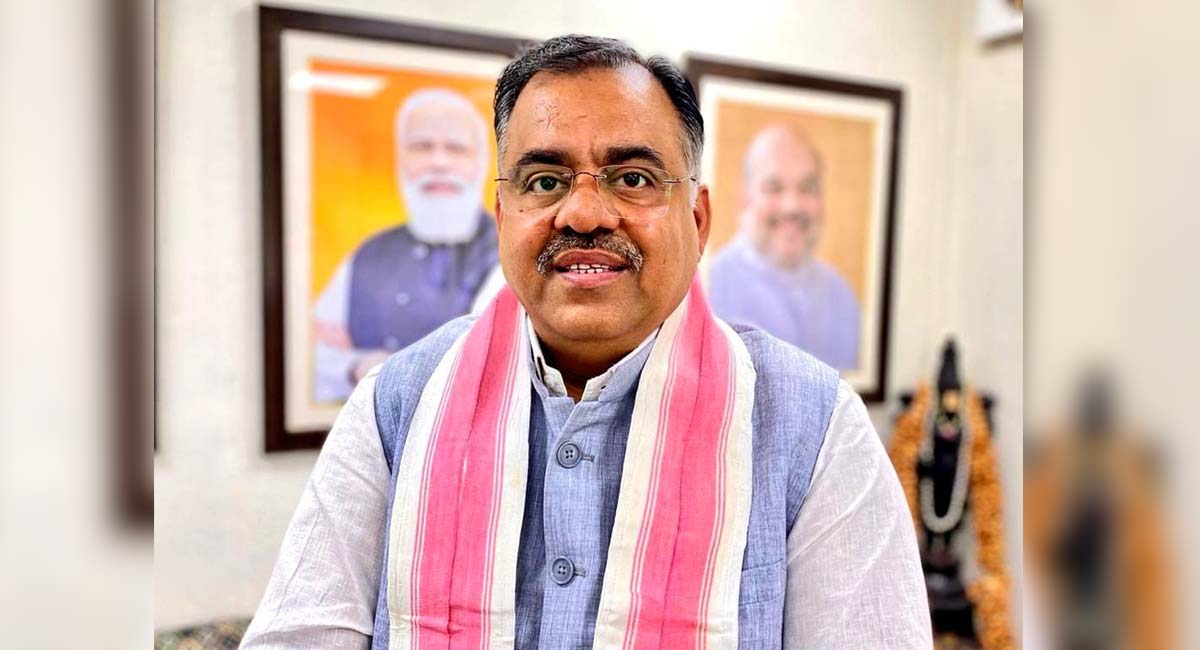
The BJP has criticised the memoir and Gandhi’s recent interviews around it, although no reaction specific to the eye-contact passage has been reported so far. Over the weekend before the release, BJP leader Tarun Chugh asked Gandhi to remove her “Italian lenses” and acknowledge India’s progress under the Modi government over the past 12 years. BJP spokesperson Pradeep Bhandari accused her of trying to justify the Emergency after she spoke about Indira Gandhi’s regret over its excesses, and another party leader suggested the book should have been titled “Whitewashing”.
The government has not commented on the passages about the Prime Minister, and Modi has not responded publicly to the memoir.
The Publishing Row
The book’s route to the shelves was itself political. Earlier this year, Penguin Random House India decided not to publish the memoir. The Congress alleged that pressure had been applied to remove references to Modi and the RSS, and that Gandhi had declined to make such changes. BJP leaders questioned whether it was a memoir or fiction and said the matter was an editorial decision for the publisher. HarperCollins India later took on the book.
Rahul Gandhi, the Leader of the Opposition in the Lok Sabha, marked the release with a message saying he was proud of his mother after sixty years in public life.
Why It Matters
The two leaders have faced each other across the aisle for over a decade, and the memoir offers a rare first-person description of their encounters. Whether or not readers agree with her reading of the Prime Minister’s body language, the passage shows how deep the divide between the two sides has become, in her telling, even in routine settings. How the BJP and the Prime Minister’s Office respond, if they choose to, will be watched in the coming days.
© Copyright 2026. All Rights Reserved. Powered by Vygr Media.