 By

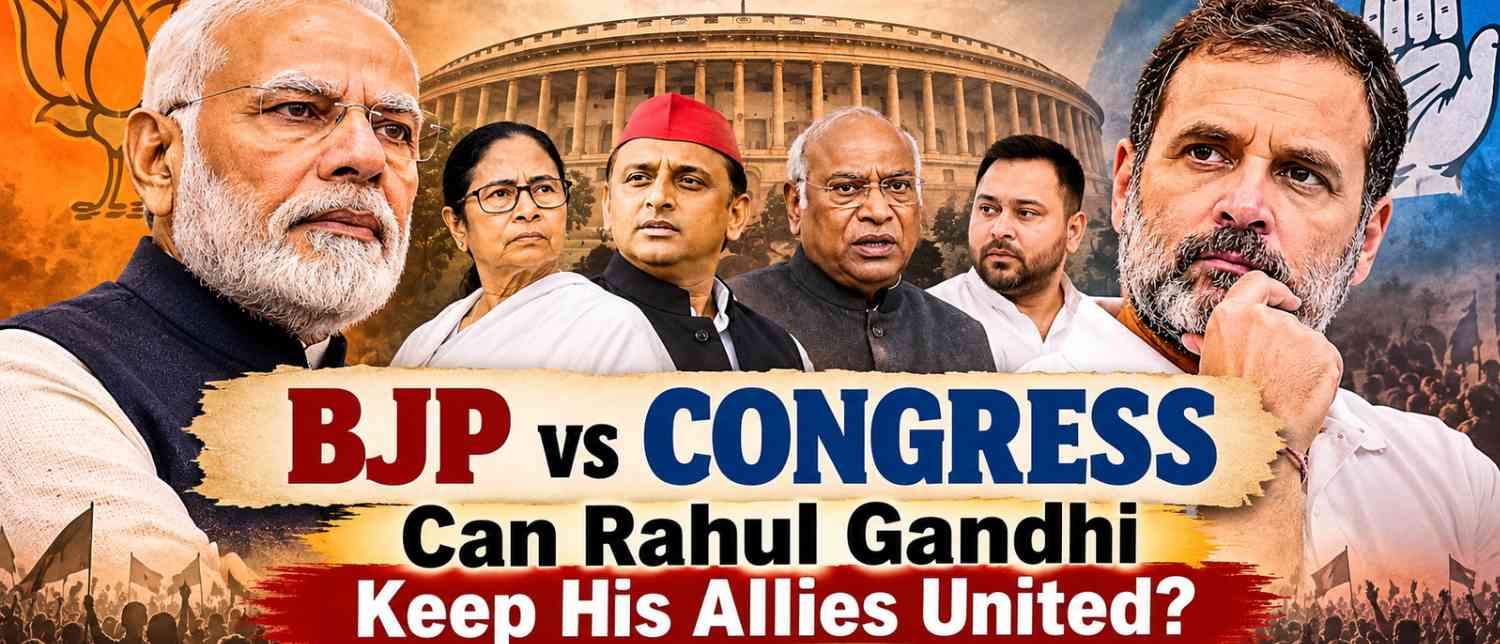
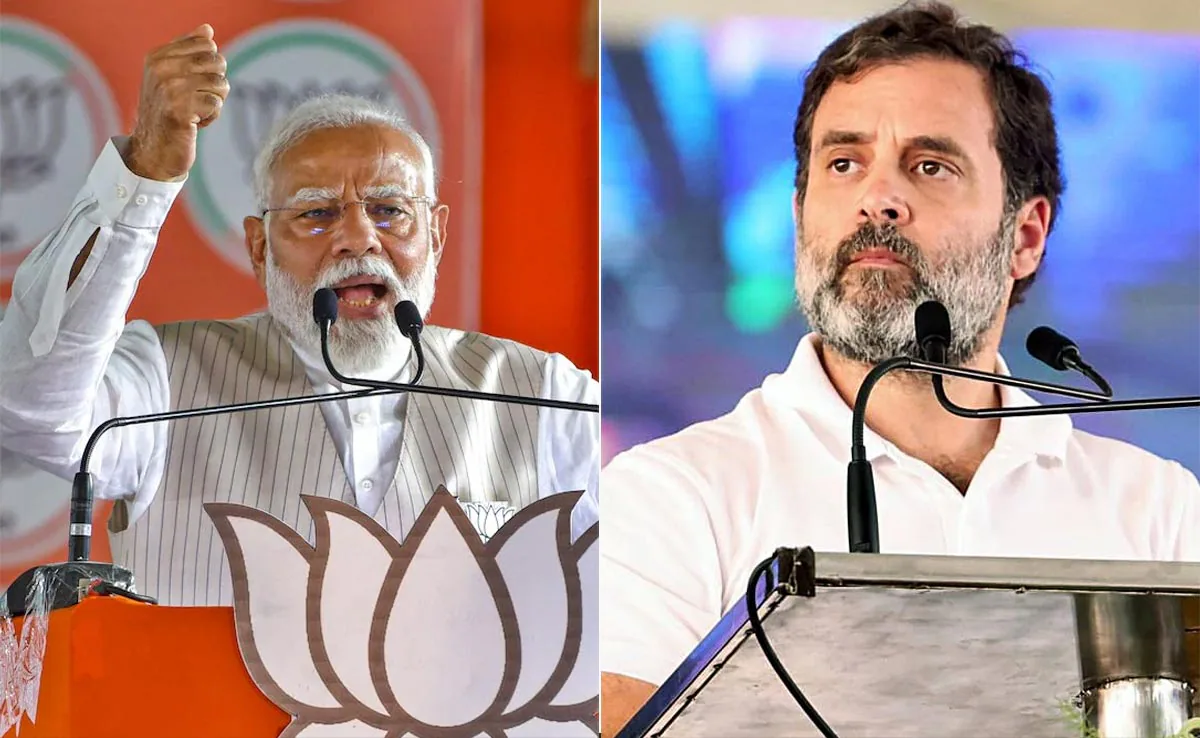
The political battle between the Bharatiya Janata Party (BJP) and the Congress has entered an interesting phase, with Rahul Gandhi increasingly attempting to shape the national political narrative around alleged electoral irregularities and 'vote chori'. While the BJP continues to defend its political position under Prime Minister Narendra Modi, the Congress leader has found an opportunity to bring several opposition parties together under the INDIA alliance.
However, the challenge for Rahul Gandhi may extend beyond confronting the BJP. Maintaining unity among opposition parties with different ideological positions, regional ambitions and electoral interests could prove equally difficult.
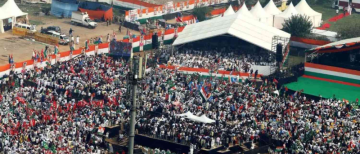
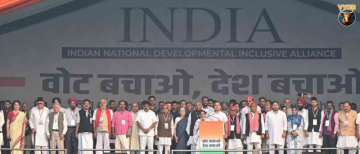
The INDIA bloc's recent show of solidarity at Delhi's Ramlila Maidan brought prominent opposition leaders onto one platform. Yet, beneath the public display of unity, differences over political messaging, leadership, caste equations and regional interests remain significant.
The controversy surrounding student leader Neha Bora's remarks about the Brahmanical system has further highlighted the difficulties of managing a politically diverse alliance. The BJP has used the controversy to question the Congress's ideological position, while some of Rahul Gandhi's own allies have publicly distanced themselves from the remarks.
This raises an important political question: Can the BJP exploit the differences within the INDIA alliance to weaken Rahul Gandhi's growing opposition narrative?
Rahul Gandhi's Vote Chori Campaign Puts BJP on the Defensive
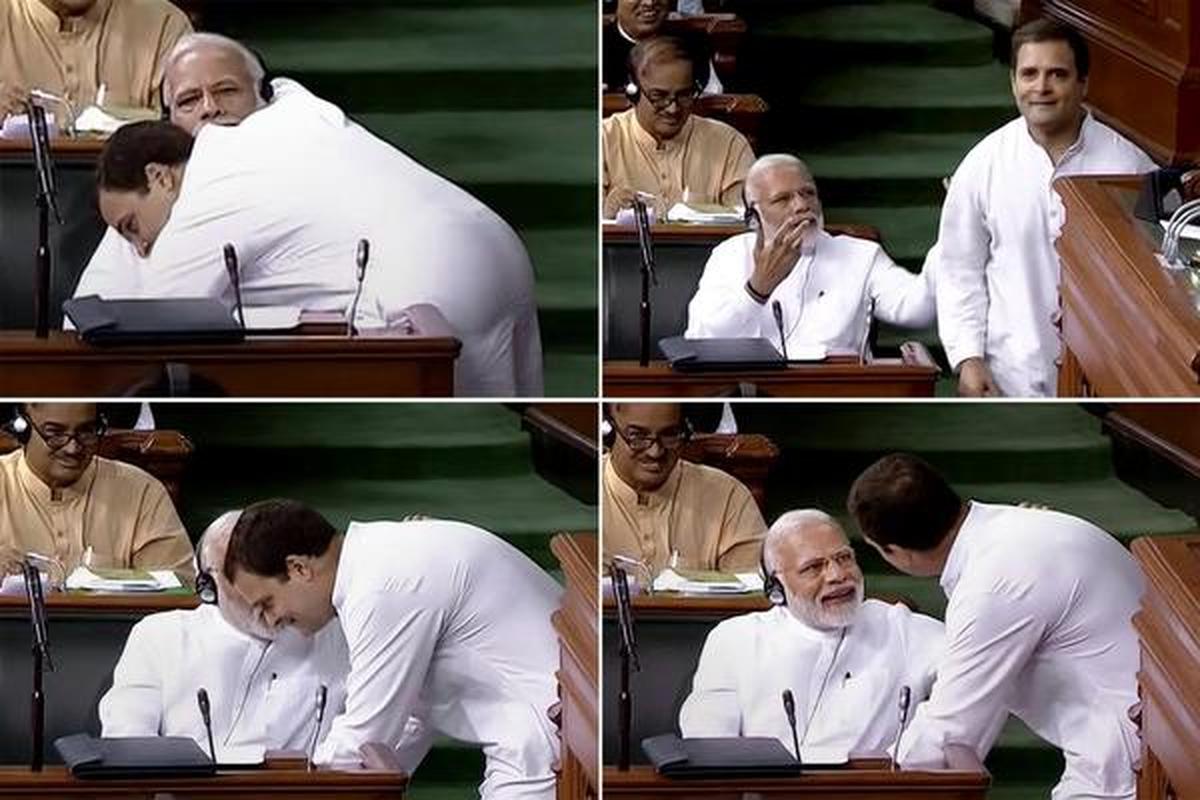
Rahul Gandhi's campaign around alleged vote theft has become a central part of the Congress's political messaging against the Modi government. By raising questions about electoral rolls, the Special Intensive Revision (SIR) exercise and the functioning of the Election Commission, Gandhi has attempted to make electoral transparency a wider national issue.
The campaign has also given opposition parties a common platform to raise concerns about democratic institutions and the electoral process.
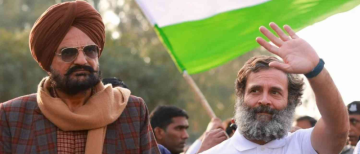
At the November 1 Ramlila Maidan rally, leaders from several INDIA bloc parties participated in the 'Vote Bachao, Desh Bachao' mobilisation. Rahul Gandhi, Congress president Mallikarjun Kharge, Samajwadi Party chief Akhilesh Yadav, Trinamool Congress leader Mamata Banerjee and other opposition representatives addressed the gathering.
Gandhi alleged electoral irregularities and called for accountability from the authorities concerned. He also indicated that the campaign was not limited to one political party or leader but represented a collective opposition effort.
The BJP, meanwhile, has challenged the opposition's allegations and attempted to shift the political discussion towards issues such as infiltration, national security and alleged attempts to destabilise the country.
The competing narratives have created a political contest in which both sides are attempting to define the central issues before voters.
For Rahul Gandhi, the immediate task is to sustain the momentum of the vote chori campaign. But keeping the INDIA bloc focused on that message may become difficult when its constituent parties have their own priorities and political compulsions.
INDIA Alliance Unity: A Common Enemy Does Not Guarantee Common Interests
The INDIA alliance was formed around a shared objective of challenging the BJP-led National Democratic Alliance (NDA). It brought together parties that had historically competed against one another in different states.
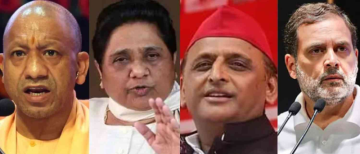
Congress, the Samajwadi Party, Trinamool Congress, Rashtriya Janata Dal, Left parties and several regional organisations have different voter bases, ideological positions and political ambitions.
Their common opposition to the BJP has helped them cooperate on national issues. However, this arrangement does not automatically resolve their differences at the state level.
The Congress and Samajwadi Party, for instance, need to coordinate in Uttar Pradesh, where both parties have electoral interests. In West Bengal, the Congress, Trinamool Congress and Left parties have historically competed for political space. Similarly, Congress and AAP have found themselves on opposing sides in Punjab and Delhi.
These contradictions create a complicated situation for Rahul Gandhi. A statement or political position that appeals to one alliance partner may create difficulties for another.
The problem is not necessarily that opposition parties disagree. Political alliances routinely accommodate differences. The larger challenge is whether their leaders can manage those differences without allowing them to damage the alliance's collective public image.
The issue of leadership also remains relevant. Several regional leaders have their own political ambitions and do not necessarily view Rahul Gandhi as the unquestioned leader of the opposition.
Earlier disagreements over coordination, campaign conduct and the frequency of alliance meetings have demonstrated that these concerns are not merely theoretical.
At a June 2026 meeting involving opposition parties, concerns were reportedly raised about Congress's coordination and the conduct of some party leaders during election campaigns. The discussions also highlighted the need for more frequent consultations among alliance partners.
Therefore, INDIA bloc unity requires more than joint rallies and common statements. It needs consistent communication, mutual political accommodation and a clear understanding of how national and regional interests can coexist.
Neha Bora Controversy Gives BJP an Opportunity to Target Congress
One of the most significant developments adding to the political debate is the controversy surrounding All India Students' Association (AISA) president Neha Bora.
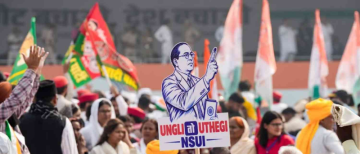
Bora came into wider public attention through student-led protests and opposition mobilisation against alleged irregularities in electoral rolls. Her presence at events associated with Rahul Gandhi and other opposition leaders increased her visibility within the broader INDIA bloc movement.
However, an older video featuring her comments about the Brahmanical system and women's safety triggered a political controversy in November.
In the video, Bora criticised what she described as a hierarchical social system that perpetuates discrimination and oppression. She also made remarks about the safety of women in religious institutions and alleged sexual violence involving priests.
The BJP strongly criticised her comments, accusing her of targeting Hindu religious traditions and making sweeping allegations against religious figures. Party representatives also attempted to connect her statements with Rahul Gandhi's political messaging and the Congress's position on religion and caste.
The controversy became more politically significant when leaders associated with Congress's alliance partners also expressed reservations.
Shiv Sena (UBT) leader Priyanka Chaturvedi questioned the generalisations in Bora's remarks, while Samajwadi Party MP Rajeev Rai said that making sweeping statements about an entire religion, caste or community was inappropriate.
This response exposed a potential difficulty for Rahul Gandhi. The Congress may share ideological space with Left organisations on issues such as social justice, discrimination and women's rights. However, its regional allies must also consider the electoral consequences of political statements that could alienate sections of their voter base.
The BJP has attempted to use the controversy to reinforce its criticism of the opposition's ideological position. Whether that narrative gains wider electoral traction is a separate question, but the episode has certainly created an additional communication challenge for the Congress.
Caste Politics and the Brahmin Vote: Why Uttar Pradesh Matters
The Neha Bora controversy is particularly relevant in the context of Uttar Pradesh, where caste equations remain an important part of electoral politics.
The Samajwadi Party, led by Akhilesh Yadav, has been working to expand its political support beyond its traditional voter base. Its PDA strategy, which focuses on backward classes, Dalits and minorities, has been central to its political messaging.
At the same time, the party has also attempted to reach out to Brahmin voters and other upper-caste communities.
This creates a sensitive political situation for the opposition alliance. The CPI(ML) and Left organisations may approach questions surrounding caste hierarchy and religious traditions through an ideological framework. However, the Samajwadi Party must consider how such statements could be interpreted by voters in Uttar Pradesh.
Brahmins represent a relatively smaller section of the state's population, but their political influence and voting preferences are frequently discussed in electoral calculations.
The BJP has traditionally built a broad social coalition that includes several upper-caste communities, alongside sections of Other Backward Classes and Dalit voters. Any perceived challenge to Hindu religious identity or traditional social institutions can become part of its political messaging.
For Akhilesh Yadav, the challenge is to maintain his social justice agenda while reaching out to communities that may have reservations about certain ideological statements made by people associated with the wider opposition movement.
This does not mean that the Samajwadi Party must abandon its position on caste discrimination or social equality. Rather, it highlights the political complexity of combining different ideological approaches within one alliance.
For Rahul Gandhi, the concern is broader. A controversy that begins with a statement by an individual associated with one ideological group can quickly become a political issue involving several opposition parties.
Rahul Gandhi, Manusmriti and the BJP's Religious Politics Narrative
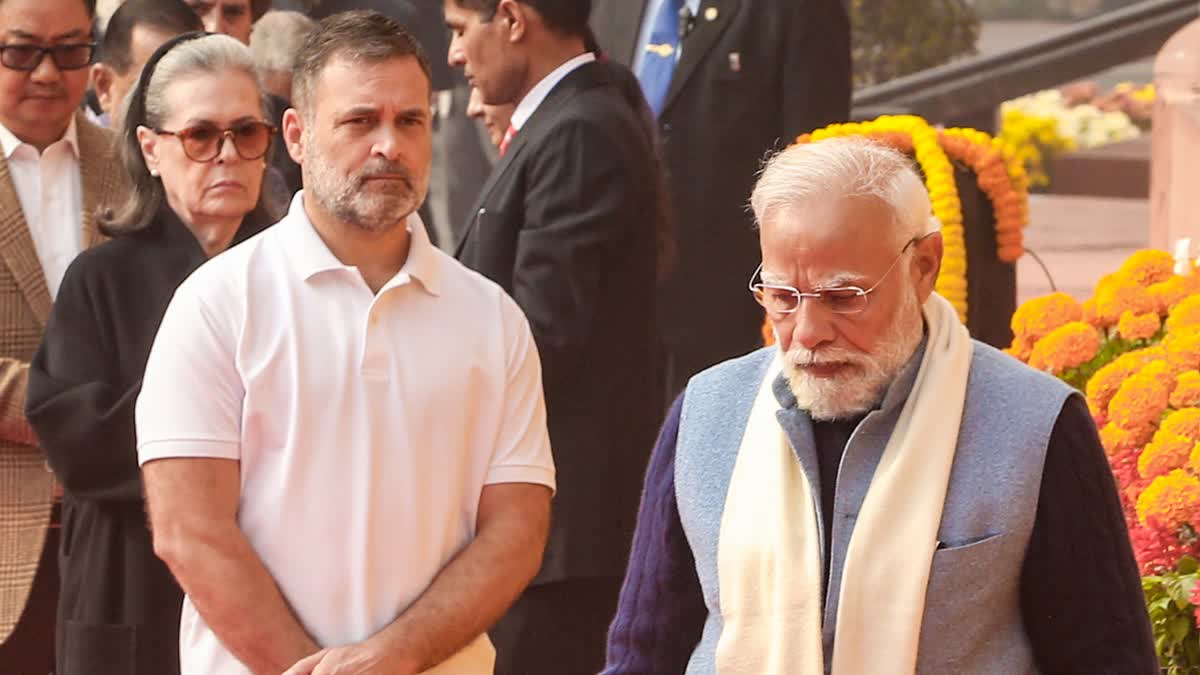
The debate surrounding Neha Bora has also brought Rahul Gandhi's comments on the Manusmriti and patriarchy back into the political discussion.
During a youth outreach interaction in Pune in August 2026, Gandhi spoke about patriarchy, social restrictions on women and the need for young people to challenge discriminatory practices. His remarks included criticism of the Manusmriti.
For the Congress, such statements form part of a wider political emphasis on social justice, equality and the representation of marginalised communities.
However, the BJP has attempted to frame this messaging as selective criticism of Hindu religious traditions. Its representatives have argued that Gandhi's criticism of one religious text, without comparable references to other religious traditions, reflects a particular ideological approach.
The political disagreement is therefore not limited to the content of one speech. It concerns how questions of caste, religion, gender equality and social reform are presented to voters.
The Congress has to communicate its position on discrimination without allowing the BJP to reduce its wider social justice agenda to a controversy over religious identity.
At the same time, the BJP's criticism should be understood as a political argument rather than proof that all opposition parties share an identical ideological position.
The INDIA alliance includes parties with different approaches to religion, caste and social reform. Their ability to maintain a common position on sensitive issues will be important for the credibility of their collective political campaign.
Mamata Banerjee, Akhilesh Yadav and the Leadership Question
The Ramlila Maidan rally also offered an interesting picture of the changing relationships among opposition leaders.
Mamata Banerjee's public acknowledgement of Sonia Gandhi as 'my leader' and her cordial interaction with Left leaders attracted attention, particularly given the historical political rivalry between the Trinamool Congress and the Left in West Bengal.
Such gestures suggested an effort to present a more coordinated opposition front.
However, political cooperation at a national rally does not necessarily eliminate competition in state elections.
The Trinamool Congress has its own political interests in West Bengal, while Congress and Left parties also seek to expand their influence in the state. Their differences over electoral strategies and political space remain relevant.
Akhilesh Yadav, meanwhile, has his own priorities in Uttar Pradesh. His speech at the rally placed considerable emphasis on the state's political situation, reflecting the importance of regional concerns within the national opposition movement.
Rahul Gandhi's position is therefore unusual. He is attempting to lead a national political narrative while accommodating leaders who possess their own electoral bases, ambitions and regional authority.
The challenge is not simply to bring these leaders onto one stage. It is to ensure that they remain aligned when political disagreements emerge outside the rally environment.
BJP's Political Strategy: Turning Opposition Disagreements Into Electoral Issues
The BJP has an established record of responding to opposition campaigns with counter-narratives. In the present political contest, the party has attempted to challenge Rahul Gandhi's vote chori allegations by raising alternative issues, including infiltration and national security.
It has also sought to connect controversial statements by opposition-linked individuals with the broader Congress leadership.
This approach reflects an important feature of modern political communication: individual statements can become national political controversies within hours through television debates and social media campaigns.
For a large political organisation such as the BJP, identifying disagreements within the opposition provides opportunities to question the INDIA bloc's ideological consistency and leadership.
The Neha Bora controversy is one example. The BJP has attempted to connect her remarks with Rahul Gandhi's wider political messaging, while criticism from some opposition allies has provided additional material for the debate.
The Congress, consequently, faces a two-sided communication challenge. It must respond to the BJP's attacks while also ensuring that its alliance partners do not unintentionally create new controversies.
However, the BJP also faces its own political challenges. Being in power for an extended period brings questions about governance, accountability and public expectations. The opposition's ability to sustain issues such as electoral transparency, unemployment and institutional independence can keep the ruling party under pressure.
The political contest will therefore depend on more than one controversy or public statement.
Can the INDIA Bloc Maintain Unity Ahead of the 2027 Elections?
With the Uttar Pradesh Assembly elections approaching in 2027, the relationship between Congress and the Samajwadi Party will be particularly important.
Both parties have an interest in challenging the BJP, but their electoral strategies and political calculations may not always align.
Seat-sharing negotiations, caste outreach, candidate selection and campaign messaging could become difficult subjects. Similar complications may arise in other states where INDIA bloc partners compete against one another.
For Rahul Gandhi, maintaining a national opposition narrative while respecting regional leadership will require careful political coordination.
The alliance also needs a clearer common programme that goes beyond opposing Narendra Modi and the BJP. Issues such as employment, inflation, education, farmers' concerns, social justice and electoral reforms could provide a broader basis for cooperation.
A common agenda would not eliminate ideological differences, but it could help opposition parties focus on issues where their interests overlap.
The BJP, meanwhile, is likely to continue highlighting disagreements among its opponents and questioning the consistency of their political positions.
Whether these efforts translate into electoral gains will depend on voter responses, local political conditions and the performance of individual parties.
Rahul Gandhi's Biggest Challenge May Be Managing His Own Alliance
The political contest between the BJP and Congress is no longer limited to speeches, rallies and accusations exchanged between Narendra Modi and Rahul Gandhi.
The INDIA bloc has given the opposition a wider platform to challenge the ruling establishment. Its collective mobilisation around alleged electoral irregularities demonstrates that parties with different political backgrounds can cooperate when they identify a common issue.
But the same diversity that makes the alliance politically broad also creates vulnerabilities.
The Neha Bora controversy, disagreements over religious messaging, the Brahmin outreach in Uttar Pradesh, regional rivalries and questions surrounding alliance leadership all demonstrate the difficulties of maintaining a consistent political position.
For the BJP, these differences provide opportunities to challenge the opposition's unity and credibility. For Congress, they underline the importance of communication, political discipline and coordination with its partners.
Ultimately, Rahul Gandhi's ability to sustain the vote chori campaign and build a credible alternative to the BJP will depend not only on how effectively he challenges the Modi government but also on how successfully he manages the competing interests within the INDIA alliance.
A united opposition can create a powerful political platform. But unity that exists only on rally stages may struggle when confronted with the realities of electoral politics.
© Copyright 2026. All Rights Reserved. Powered by Vygr Media.