 By
By 
In a significant judicial intervention that has reignited the debate over violence against healthcare professionals, the Bombay High Court on Saturday cancelled the bail granted to Shiv Sena (Eknath Shinde faction) corporator Ramesh Mhatre and his co-accused in the Dombivli doctor assault case. The court directed the accused to surrender before the investigating agency by 5 pm on July 19, observing that the lower court had failed to appreciate the gravity of the allegations before granting them bail.
The decision came after the High Court took the unusual step of holding a special Saturday sitting to urgently hear the matter, underscoring the seriousness with which it viewed the alleged assault on doctors, nurses and hospital staff at a civic-run hospital in Maharashtra.
High Court Takes Swift Action
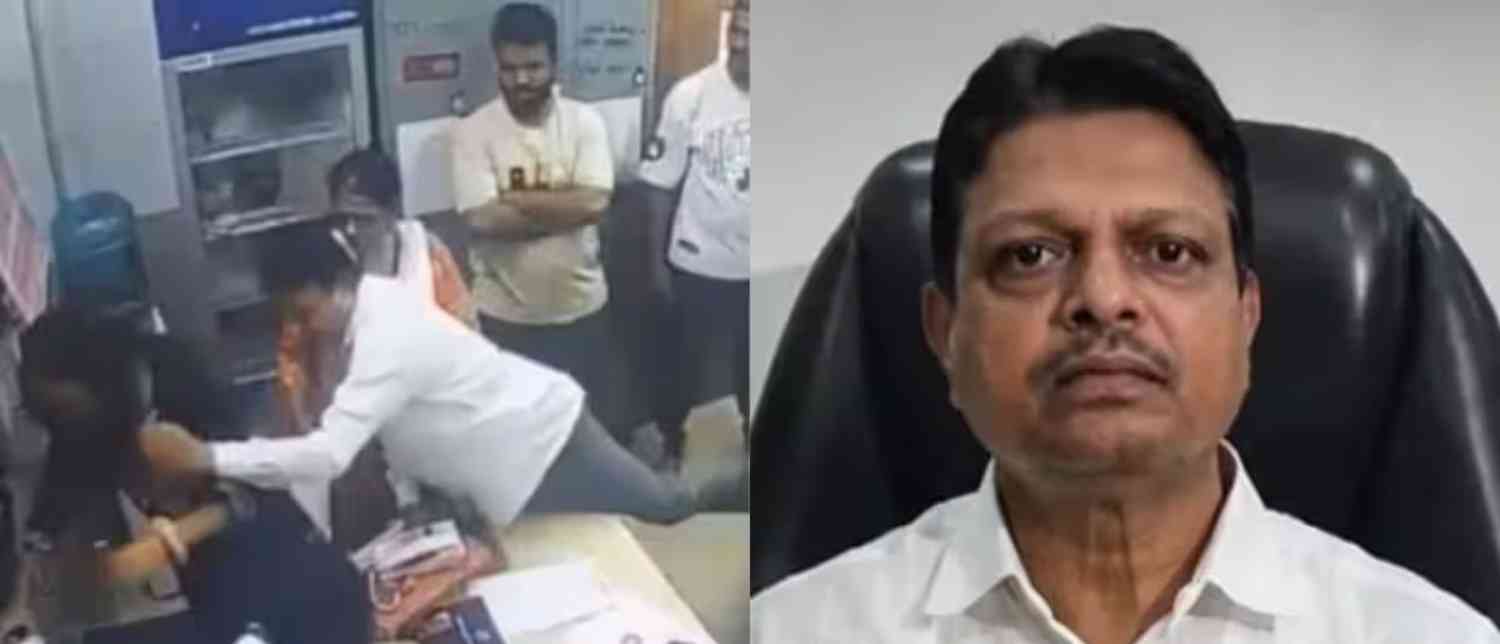
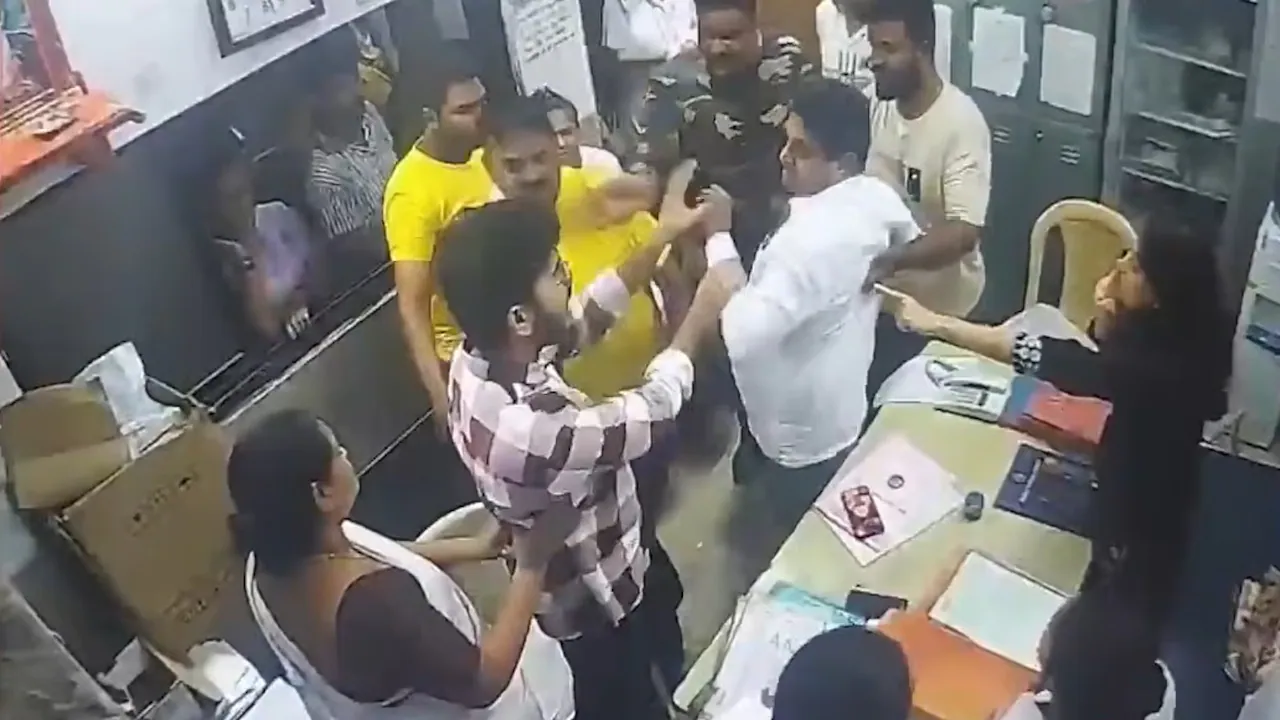
The controversy stems from an incident at the KDMC-run Shastri Nagar Hospital in Dombivli, where Ramesh Mhatre and several supporters allegedly barged into the medical facility and assaulted doctors and healthcare workers following the death of a patient.
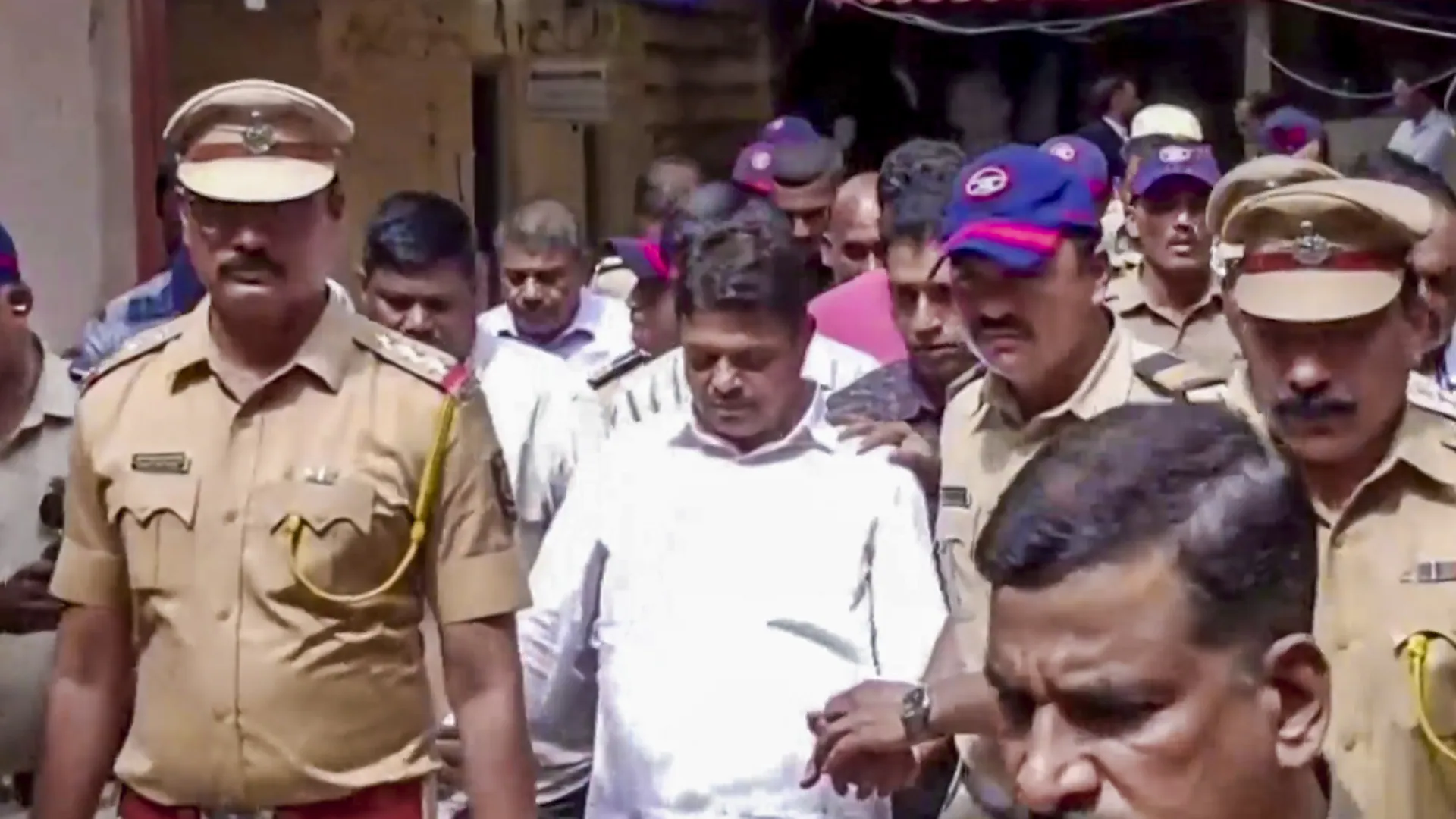
After Mhatre and others were arrested, a trial court granted them bail earlier this week. However, the order sparked widespread outrage among the medical fraternity, prompting an urgent challenge before the Bombay High Court.
Taking suo motu cognisance of the matter, the High Court first stayed the operation of the bail order before proceeding to hear the case in detail during a special sitting. After examining the records, the bench concluded that the bail order suffered from serious infirmities and could not be allowed to stand.
The High Court subsequently cancelled the bail of Mhatre and the other accused, directing them to surrender by Sunday evening or face further legal consequences.
Court Questions Trial Court's Approach
The High Court expressed concern over the manner in which the lower court granted bail despite the seriousness of the allegations involving violence inside a public hospital.
According to reports, the bench observed that assaults on doctors while they are discharging their professional duties cannot be treated as ordinary offences. Such incidents not only endanger healthcare workers but also disrupt medical services that are vital for the public.
The court reportedly found that the trial court had overlooked important aspects of the prosecution's case and had not adequately considered the broader public interest before granting bail.
Assault Triggered by Patient's Death
The incident occurred after the death of a patient at the municipal hospital allegedly led to a confrontation between the patient's relatives and hospital staff.
Police alleged that Mhatre, accompanied by supporters, entered the hospital premises and physically assaulted doctors, nurses and other healthcare employees. Videos of the incident circulated widely on social media, drawing sharp criticism from medical associations and civil society.
Several hospital employees reportedly sustained injuries during the attack, while normal medical services were disrupted amid the violence. The accused were subsequently booked under multiple provisions of the Bharatiya Nyaya Sanhita and other applicable laws before being arrested.
Bail Sparked Widespread Outrage
The decision of the local court to grant bail on a cash bond had triggered strong protests from the medical fraternity across Maharashtra.
Doctors' associations argued that granting immediate bail in such a high-profile assault case would send a dangerous message and embolden attacks on healthcare workers.
The Indian Medical Association (IMA) condemned the incident and announced a statewide 24-hour suspension of routine OPD services, demanding stricter action against those responsible and stronger legal protection for medical professionals. Emergency services, however, continued to function to avoid inconvenience to patients.
The High Court's intervention has therefore been welcomed by many within the healthcare community, who view the cancellation of bail as an important affirmation that violence inside hospitals will not be tolerated.
Special Saturday Sitting Highlights Urgency
One of the most striking aspects of the case was the High Court's decision to convene a special sitting on a Saturday.
Such hearings are relatively uncommon and are generally reserved for matters requiring immediate judicial attention. Legal experts noted that the decision reflected the court's concern over the implications of the bail order and the need to preserve public confidence in the justice system.
During the hearing, the bench examined the prosecution's submissions, the circumstances surrounding the assault and the reasoning adopted by the lower court before arriving at its decision to revoke bail.
Protection of Healthcare Workers Under Spotlight
The incident has once again highlighted the recurring issue of violence against doctors and healthcare workers in India.
Medical professionals have repeatedly raised concerns over attacks by patients' relatives following deaths or alleged negligence, arguing that hospitals cannot function effectively unless doctors are assured of a safe working environment.
Healthcare associations have been demanding stronger enforcement of existing laws, faster prosecution of offenders and enhanced security arrangements at government hospitals.
The Dombivli incident has become one of the latest examples prompting renewed calls for comprehensive measures to curb violence in medical institutions.
Political Repercussions
The case has also acquired political significance because of Mhatre's position as a sitting corporator affiliated with the Shiv Sena led by Maharashtra Deputy Chief Minister Eknath Shinde.
Opposition parties criticised the initial grant of bail, alleging that influential individuals should not receive preferential treatment in criminal proceedings.
Meanwhile, the High Court's decision has reinforced the principle that elected representatives remain subject to the same legal standards as any other accused person.
Neither the political affiliation of the accused nor the public attention surrounding the case appeared to influence the court's assessment, which remained focused on the legal merits of the bail order.
What Happens Next?
With the High Court cancelling the bail order, Mhatre and the co-accused have been directed to surrender before the stipulated deadline.
Once they surrender, they are expected to return to judicial custody while the investigation and subsequent legal proceedings continue. The prosecution is likely to oppose any fresh attempt to secure bail, citing the High Court's observations regarding the seriousness of the offence.
The police investigation into the assault remains ongoing, with authorities expected to continue gathering evidence, recording witness statements and examining video footage related to the incident.
A Strong Judicial Message
The Bombay High Court's intervention sends a strong message that attacks on healthcare professionals will be viewed with utmost seriousness, particularly when they occur within hospital premises where doctors and medical staff are performing essential public duties.
Beyond the immediate legal consequences for the accused, the ruling has wider implications for protecting healthcare workers and reinforcing public confidence in the justice system. As the case progresses, it is expected to remain closely watched by the medical fraternity, legal observers and political stakeholders alike.
The court's decision not only restores judicial scrutiny over the controversial bail order but also underscores the principle that violence against frontline healthcare workers cannot be trivialised, regardless of the status or political position of those accused.
With input from agencies
Image Source: Multiple agencies
© Copyright 2026. All Rights Reserved. Powered by Vygr Media.