 By
By 
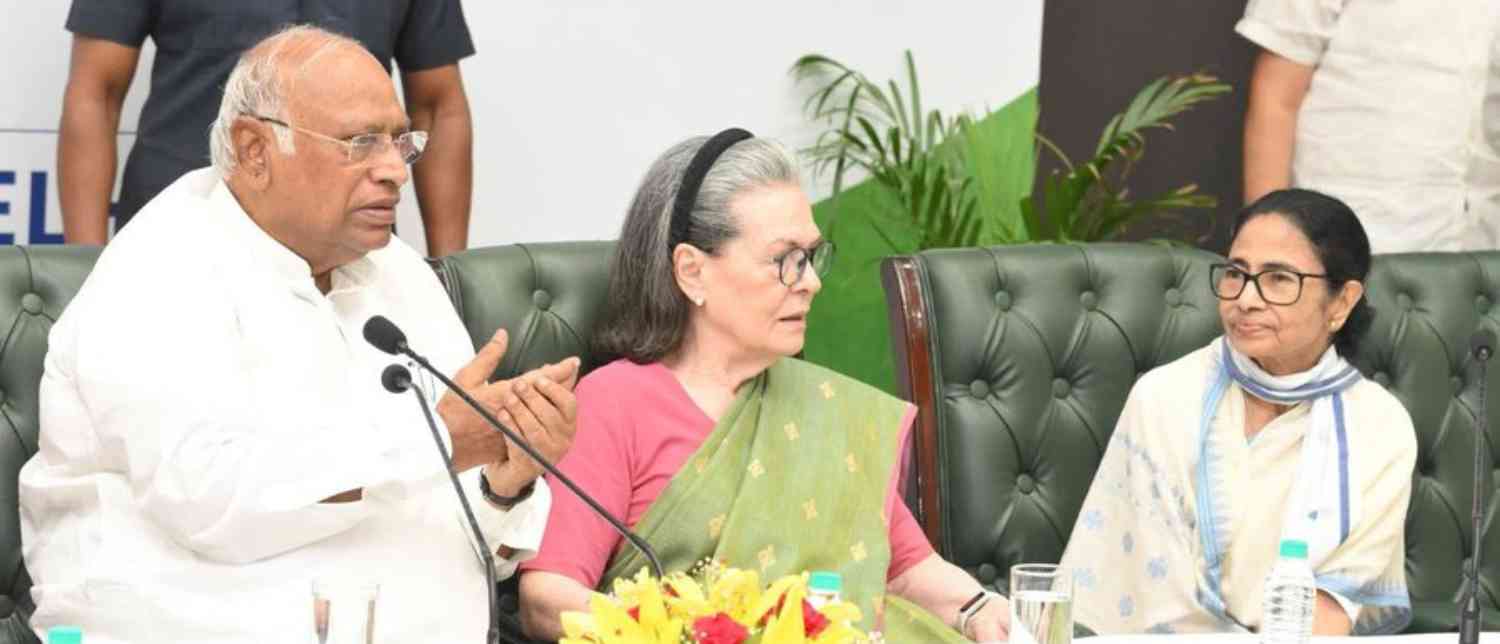
The political landscape of West Bengal and the broader opposition ecosystem witnessed dramatic developments this week as signs of a thaw between the Congress and the Trinamool Congress (TMC) emerged at the national level, even as Mamata Banerjee's party grappled with one of the most serious internal crises in its history.
A series of high-profile meetings involving Congress leaders Sonia Gandhi and Rahul Gandhi and TMC leaders Mamata Banerjee and Abhishek Banerjee has fueled intense speculation about the future of opposition unity within the INDIA bloc. Simultaneously, growing defections, rebel activity, and leadership challenges have exposed deep fault lines within the ruling party in West Bengal.
Sonia-Mamata Meeting Signals New Political Equation
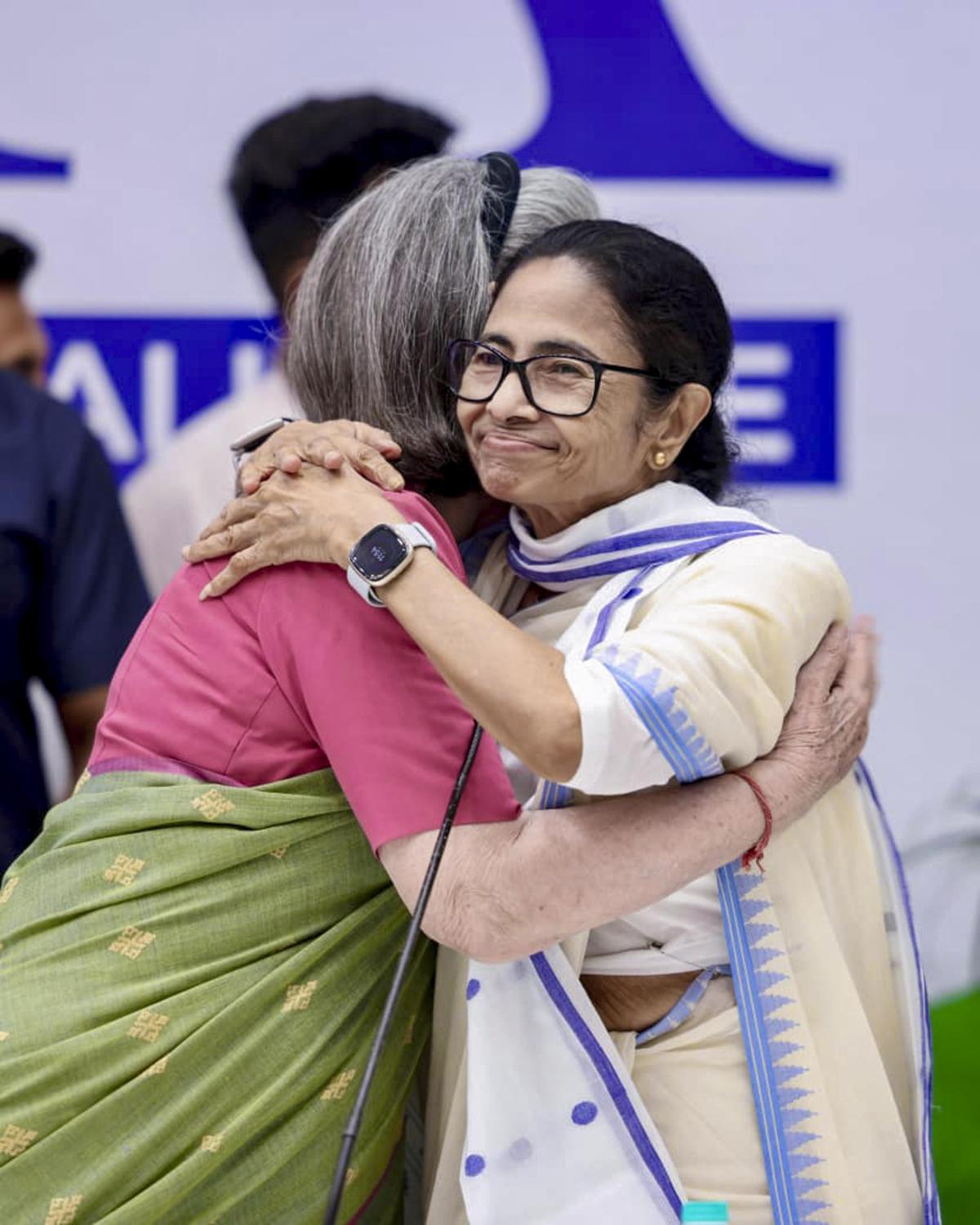
The strongest indication yet of improving ties between the Congress and the TMC came when Mamata Banerjee met Sonia Gandhi at the Congress leader's residence at 10 Janpath in New Delhi. The meeting took place shortly after a widely discussed embrace between the two leaders during an INDIA bloc gathering.
The interaction was significant because it marked the first formal meeting between Mamata Banerjee and Sonia Gandhi in nearly five years. Political observers viewed the development as a symbolic departure from years of friction between the two parties, particularly in West Bengal where they have often been bitter electoral rivals.
According to reports, Sonia Gandhi urged Mamata Banerjee to work more closely with the Congress to strengthen opposition unity against the Bharatiya Janata Party (BJP). The discussions reportedly centered on reinforcing the INDIA bloc and building a stronger collective opposition platform.
At the INDIA bloc meeting, Mamata Banerjee also reportedly emphasized the need for opposition cohesion and coordinated political action. The warm optics generated by the Sonia-Mamata interaction quickly became a major talking point in national politics.
Rahul-Abhishek Meeting Triggers Merger Speculation
Speculation intensified further after TMC National General Secretary Abhishek Banerjee held a closed-door meeting with Congress leader Rahul Gandhi that reportedly lasted around 90 minutes.
Sources indicated that the discussion focused on strengthening opposition coordination and rebuilding trust between the two parties. Reports suggested that the TMC conveyed its desire for a stronger opposition alliance and signaled acceptance of Rahul Gandhi's leadership role within the broader opposition framework.
The length and timing of the meeting immediately sparked rumors about a possible merger or deeper political arrangement between the Congress and the TMC. However, leaders and sources from both camps moved quickly to downplay such speculation.
Congress sources reportedly maintained that any proposal for a merger would have to originate from the TMC itself, while TMC leaders denied that any merger discussions had taken place. Party insiders instead described the conversations as efforts to consolidate opposition unity ahead of future political battles.
Despite the denials, the sequence of meetings between Sonia Gandhi, Rahul Gandhi, Mamata Banerjee, and Abhishek Banerjee has revived debate over whether political realities could eventually push the two parties closer together.
Political Compulsions Behind the Growing Warmth
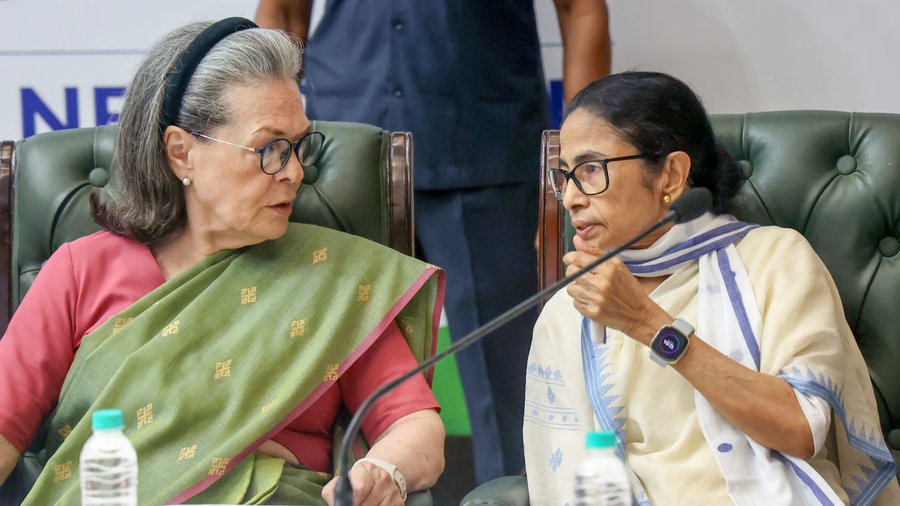
The renewed engagement comes at a time when both parties face significant challenges.
For the Congress, strengthening ties with regional allies remains critical to maintaining the relevance of the INDIA bloc. For the TMC, recent political setbacks have increased the importance of national alliances and cooperative opposition politics.
The rapprochement is particularly notable because relations between the Congress and TMC have often been strained. The parties have repeatedly clashed over leadership questions, seat-sharing arrangements, and political strategy in West Bengal. At various points, TMC leaders had even projected Mamata Banerjee as a potential national opposition leader, creating tensions with Congress leadership.
The recent meetings therefore represent a significant shift in tone, even if both sides remain cautious about formal political arrangements.
Internal Crisis Deepens Within Trinamool Congress
While Mamata Banerjee was working to strengthen opposition unity nationally, her party was simultaneously confronting a growing rebellion at home.
Reports indicate that the TMC has been facing an escalating wave of dissent, defections, and leadership challenges following recent political setbacks. The crisis has exposed divisions that have been building within the organization for years.
One of the most significant developments has been the emergence of a rebel faction led by former TMC figures who have openly challenged the party leadership. Rebel leader Ritabrata Banerjee has claimed support from dozens of legislators, signaling a serious challenge to the party's internal cohesion.
The rebellion has fueled concerns that the party could witness further fragmentation if the leadership fails to address growing dissatisfaction among legislators and organizational leaders.
Saayoni Ghosh's Possible Exit Adds to Concerns
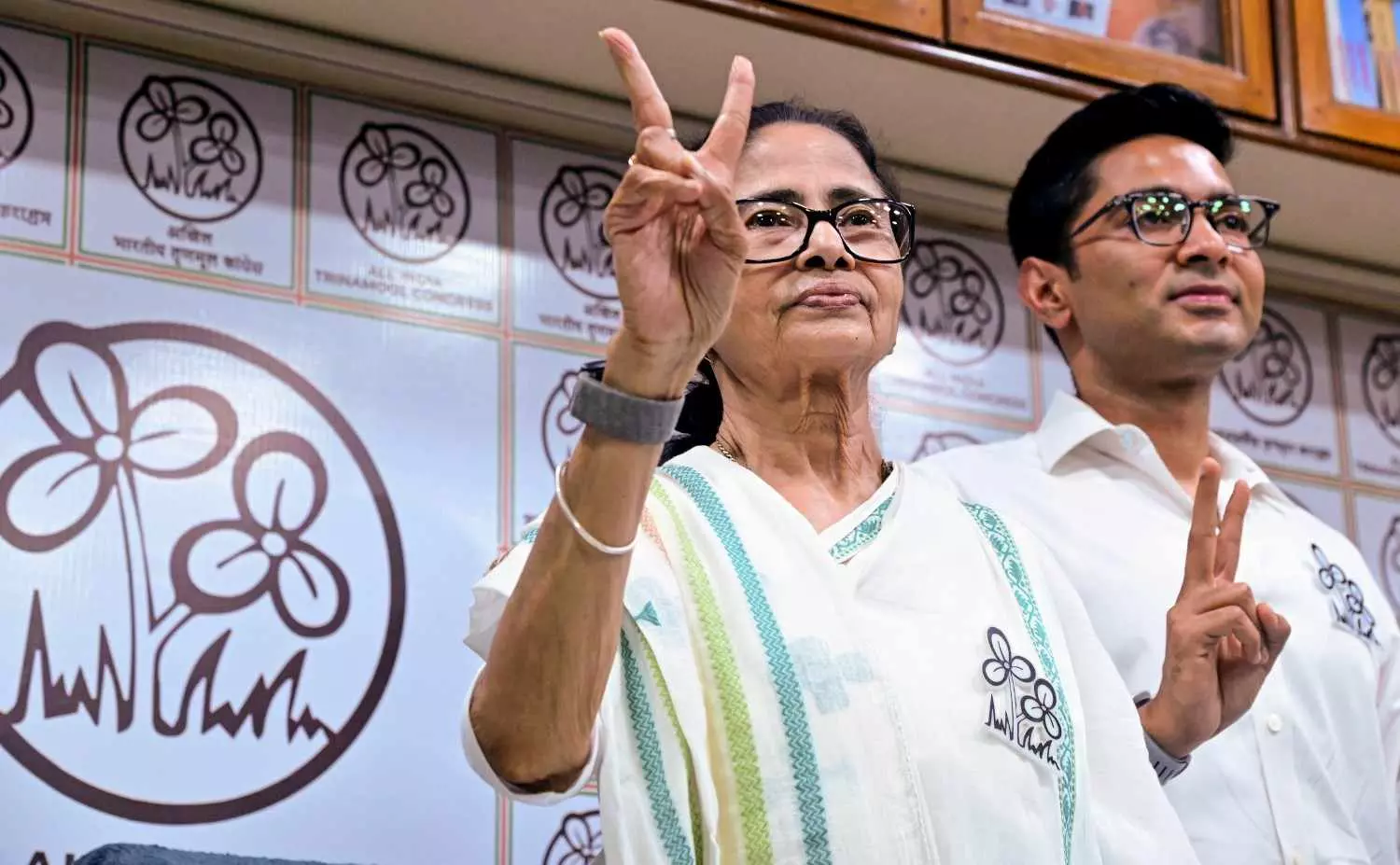
Among the developments attracting considerable attention is speculation surrounding actor-turned-politician Saayoni Ghosh.
The TMC youth leader has emerged as one of the prominent faces reportedly being linked to the expanding rebel camp. Reports suggest that her potential departure would represent another symbolic setback for Mamata Banerjee, particularly because Saayoni has been one of the party's most visible young leaders and a key figure in its outreach efforts.
Although no formal announcement has been made, discussions around her future have intensified concerns about the possibility of additional exits from the party. Such a move would further reinforce perceptions of instability within the TMC at a politically sensitive moment.
Defections: A Persistent Challenge for Mamata Banerjee
Defections have long been a defining feature of West Bengal politics, and the TMC itself benefited from the phenomenon during its rise to power.
Over the years, politicians from the Congress, Left parties, and later even the BJP migrated to the Trinamool Congress in search of greater political opportunities. However, the current situation reflects a reversal of that trend.
Political analysts note that the TMC is now experiencing the same problem it once exploited: leaders and legislators questioning their future within the party and exploring alternative political platforms.
The party has already witnessed resignations and growing dissatisfaction among several leaders. Recent reports of parliamentary resignations and high-profile exits have intensified perceptions that the organization is under pressure.
The Road Ahead
The simultaneous emergence of two contrasting political narratives has placed Mamata Banerjee at a critical crossroads.
On one hand, her outreach to Congress leadership and growing cooperation within the INDIA bloc suggest a renewed commitment to opposition unity at the national level. The meetings with Sonia Gandhi and Rahul Gandhi have opened the door to closer collaboration and potentially a stronger anti-BJP front.
On the other hand, mounting internal unrest, potential defections, and the rise of organized rebel groups pose serious challenges to the stability of her party in West Bengal. The possibility of more leaders joining dissident factions threatens to weaken the TMC's organizational structure and electoral machinery.
For now, both Congress and TMC leaders continue to publicly deny any merger plans. Yet the unprecedented warmth between the two parties, combined with the pressures confronting Mamata Banerjee at home, has ensured that speculation about a deeper political realignment is unlikely to disappear anytime soon.
As opposition parties prepare for future electoral battles, the success of the INDIA bloc—and the political future of the TMC—may depend on whether Mamata Banerjee can simultaneously strengthen national alliances while restoring unity within her own ranks.
With inputs from agencies
Image Source: Multiple agencies
© Copyright 2026. All Rights Reserved. Powered by Vygr Media.