 By
By 
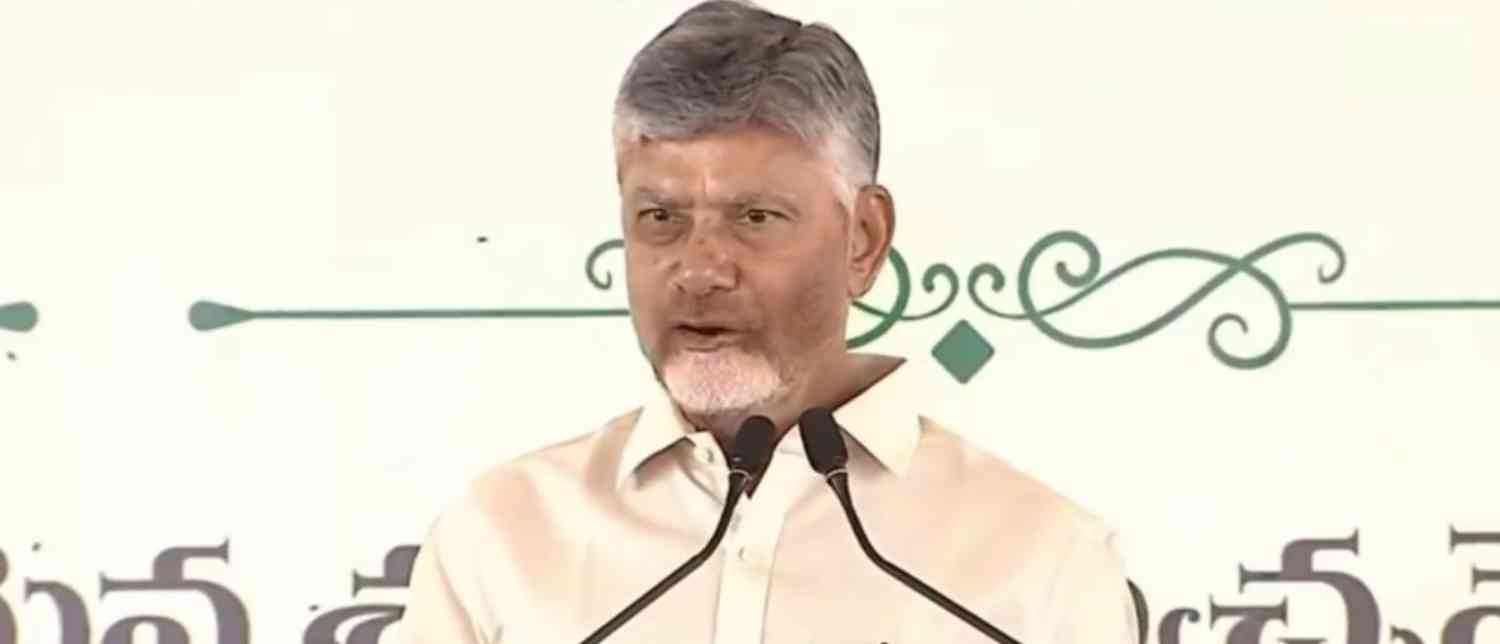
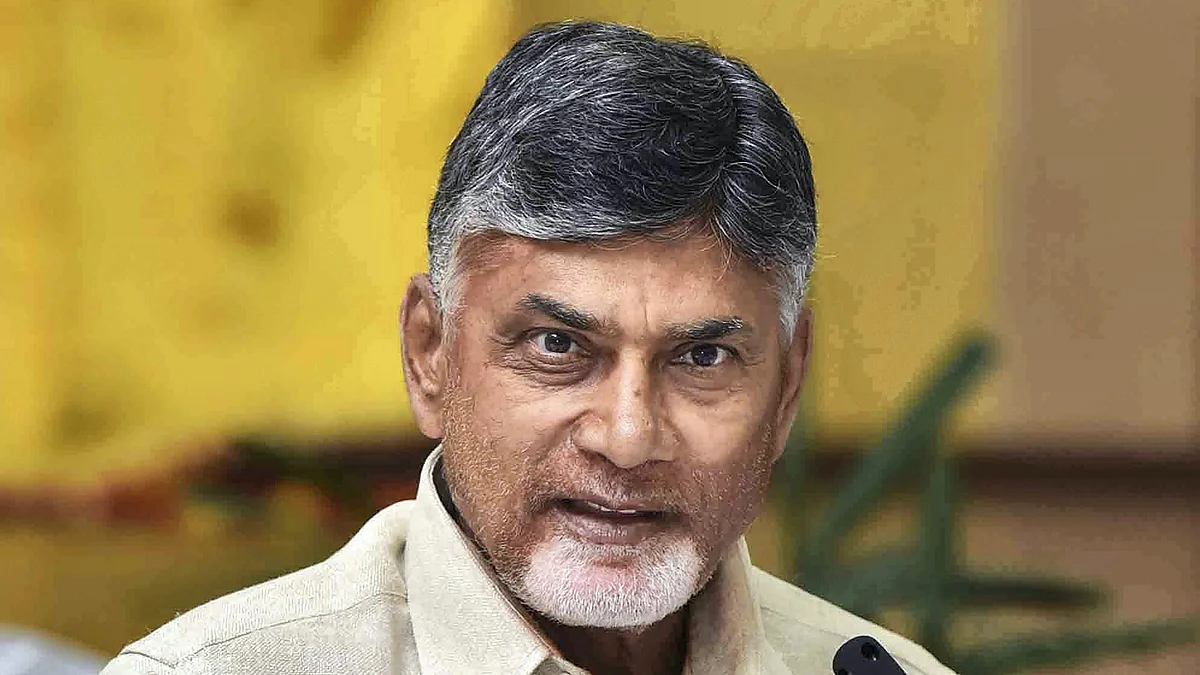
In a major policy shift aimed at reversing declining birth rates in Andhra Pradesh, Chief Minister N. Chandrababu Naidu has announced direct cash incentives for families having more children. Under the proposed scheme, families will receive ₹30,000 for the birth of a third child and ₹40,000 for the birth of a fourth child.
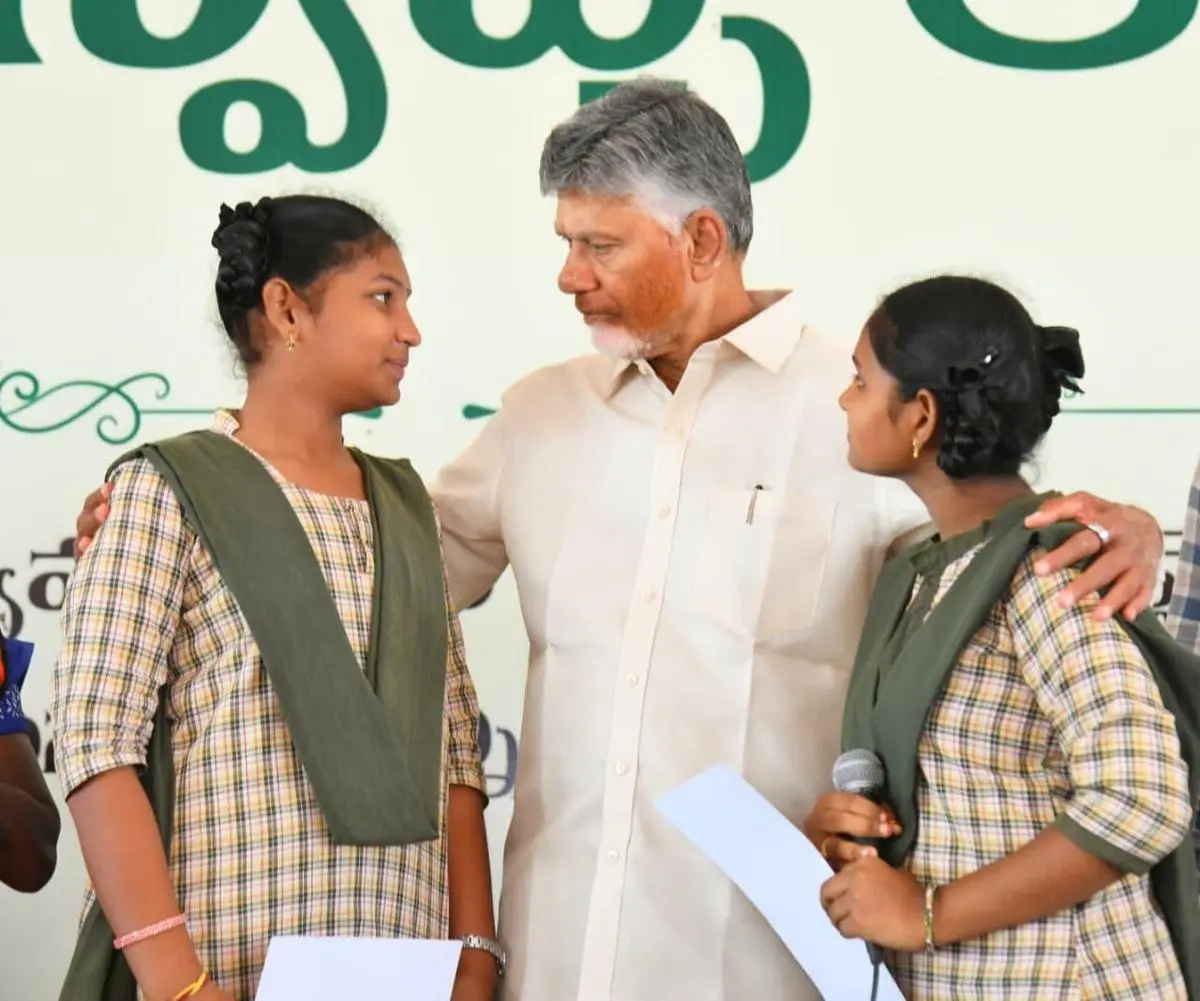
The announcement was made during a public meeting at Narsannapeta in Srikakulam district as part of the “Swarna Andhra, Swach Andhra” programme. The proposal marks one of the most aggressive population-boosting measures announced by an Indian state in recent years.
Naidu said the state government would issue detailed operational guidelines for the scheme within a month. The initiative is being framed as a response to falling fertility rates, changing family structures, and concerns over long-term demographic decline in Andhra Pradesh.
Why Andhra Pradesh Is Encouraging Larger Families
Speaking at the event, Naidu argued that increasing prosperity and urban lifestyles are pushing many couples toward smaller families, with some opting to have only one child. According to him, this trend could create serious economic and social challenges in the future.
The Andhra Pradesh Chief Minister warned that India should avoid repeating the demographic trajectory seen in countries such as South Korea and Japan, where rapidly ageing populations and shrinking birth rates have created labour shortages and economic stress.
Naidu acknowledged that he had once supported population control measures during earlier decades when India’s primary concern was unchecked population growth. However, he said circumstances have changed significantly and governments must now rethink demographic policies in light of declining fertility trends.
“Society must now work together to increase the birth rate,” Naidu said while unveiling the proposal.
What the New Incentive Scheme Includes
Under the proposed population incentive programme:
-
Families will receive ₹30,000 immediately after the birth of a third child.
-
Families will receive ₹40,000 after the birth of a fourth child.
-
The money is expected to be transferred directly to the mother’s bank account.
-
Beneficiaries may also receive an “NTR Baby Kit” alongside the financial support.
The state government is yet to formally notify the scheme, but officials indicated that the programme is part of a broader population management strategy being developed by the Andhra Pradesh administration.
Evolution of Andhra Pradesh’s Population Policy
The latest announcement is not an isolated measure. It builds upon a broader demographic strategy that the Naidu government has been discussing over the past several months.
Earlier this year, the Andhra Pradesh government had proposed a ₹25,000 incentive for families having a second or third child. The earlier proposal also reportedly included:
-
monthly support of ₹1,000 for the third child for five years, and
-
free education support up to the age of 18.
However, the government later appeared to recalibrate the plan by focusing incentives specifically on third and fourth children. Health Minister Satya Kumar Yadav reportedly indicated that the state had decided to expand incentives for larger families as part of efforts to combat falling fertility levels.
The Andhra Pradesh Cabinet has also previously discussed a “Pillale Sampada” initiative — roughly translating to “Children are Wealth” — to address ageing population concerns and fertility decline.
Concerns Over Declining Fertility Rates
The Naidu government’s demographic push reflects growing concern among policymakers about southern India’s falling fertility rates. Andhra Pradesh, like several southern states, has witnessed a steady decline in birth rates due to urbanisation, higher education levels, migration, delayed marriages, and changing economic priorities.
Experts have repeatedly warned that if fertility rates continue to decline below replacement levels for extended periods, states could face:
-
ageing populations,
-
shrinking workforces,
-
reduced tax bases,
-
rising healthcare burdens, and
-
long-term economic slowdowns.
Naidu has repeatedly argued that states which succeeded in population control during earlier decades may eventually be “penalised” politically and economically if population size begins to determine parliamentary representation and labour availability.
Political Reactions and Criticism
The announcement has triggered criticism from opposition parties and political observers.
Critics questioned the apparent contradiction between earlier population-control messaging and the current push for larger families. Opposition leaders also linked the policy debate to the Centre’s proposed delimitation exercise, under which parliamentary seats could potentially be redistributed based on population figures.
Some opposition figures argued that southern states, which historically implemented family planning successfully, now fear losing political representation if future Lok Sabha seat allocation becomes population-driven. According to critics, this concern may partly explain the renewed focus on population growth.
At the same time, supporters of the proposal have defended it as a pragmatic response to emerging demographic realities rather than a political move.
Andhra Pradesh’s Broader Welfare Narrative
Naidu’s announcement also aligns with the Telugu Desam Party government’s attempt to project itself as welfare-oriented while simultaneously pursuing economic development and infrastructure expansion.
The population incentive scheme was announced alongside broader discussions around sanitation, local development, labour welfare, and social support initiatives in Srikakulam district.
The Andhra Pradesh government has recently launched or discussed several welfare-focused programmes, including labour support systems, skill development initiatives, and direct-benefit-transfer models. The population incentive proposal appears designed to fit within this broader governance framework.
Similar Global Trends
Andhra Pradesh is not alone in experimenting with financial incentives to increase birth rates. Several countries facing demographic decline — including Japan, South Korea, Hungary, Singapore, and parts of Europe — have introduced cash incentives, tax breaks, childcare subsidies, and housing support to encourage larger families.
However, international experience shows that financial incentives alone often have limited long-term impact unless combined with broader social reforms such as affordable childcare, women’s workforce participation support, healthcare access, and work-life balance policies.
Naidu’s references to Japan and South Korea indicate that the Andhra Pradesh government is studying global demographic trends while designing its own policy response.
What Happens Next
The Andhra Pradesh government is expected to release formal guidelines for the scheme within the next month. Key details that remain unclear include:
-
eligibility criteria,
-
income thresholds,
-
implementation timelines,
-
budget allocation,
-
documentation requirements, and
-
whether the scheme will apply retrospectively or only to future births.
It also remains to be seen whether the programme will eventually expand into a larger family welfare package involving healthcare, education, nutrition, and long-term child support.
For now, Naidu’s announcement has reignited a nationwide conversation on India’s demographic future — a debate that increasingly pits earlier concerns of overpopulation against new anxieties surrounding ageing societies and declining fertility rates.
The Andhra Pradesh government’s decision to directly incentivise third and fourth children represents a striking reversal from decades of population-control policies in India and could potentially influence similar debates in other states in the coming years.
With inputs from agencies
Image Source: Multiple agencies
© Copyright 2026. All Rights Reserved. Powered by Vygr Media.