 By

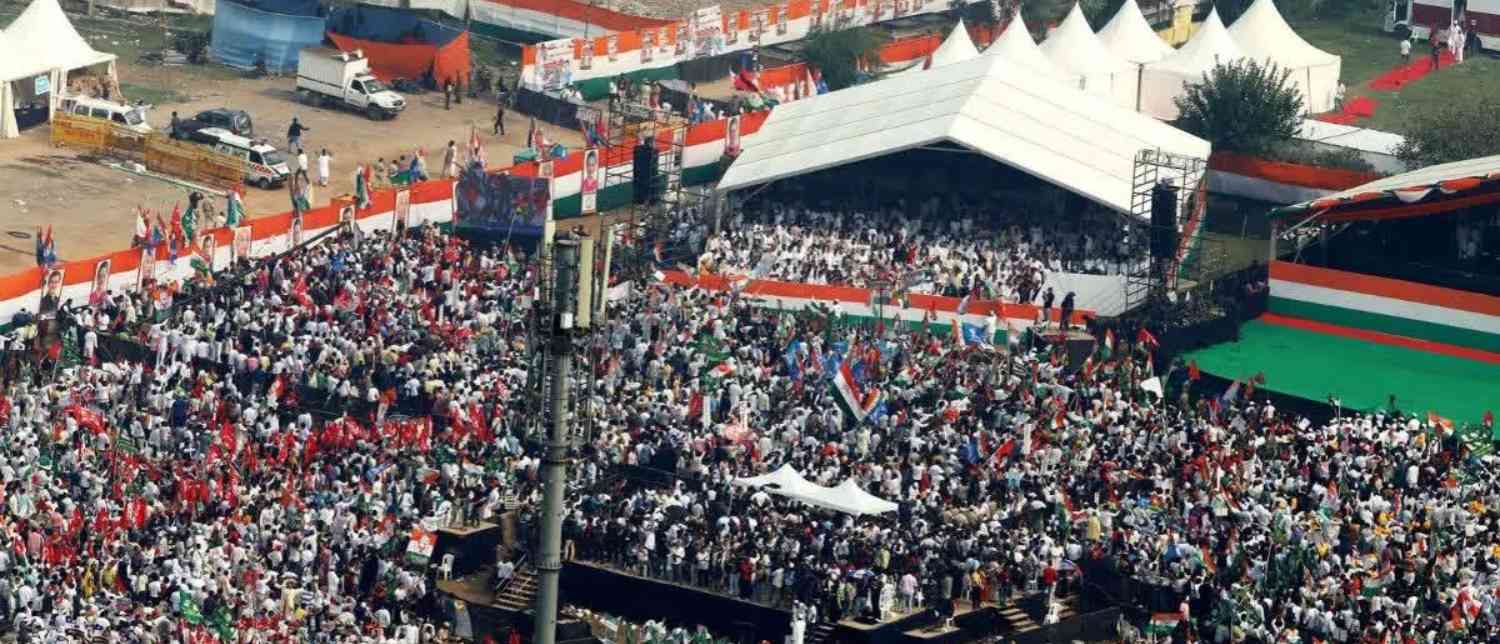
New Delhi, November 2, 2026: A major political rally in the heart of the national capital has triggered a heated debate over its economic consequences, with Delhi's traders claiming business losses of approximately ₹11,000 crore following the INDIA bloc's mega rally at Ramlila Maidan on November 1. The traders' association has questioned who will compensate businesses for the alleged losses, arguing that the event disrupted commercial activities during one of the busiest shopping periods of the year.
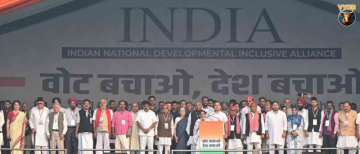
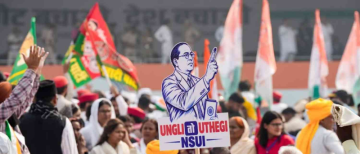
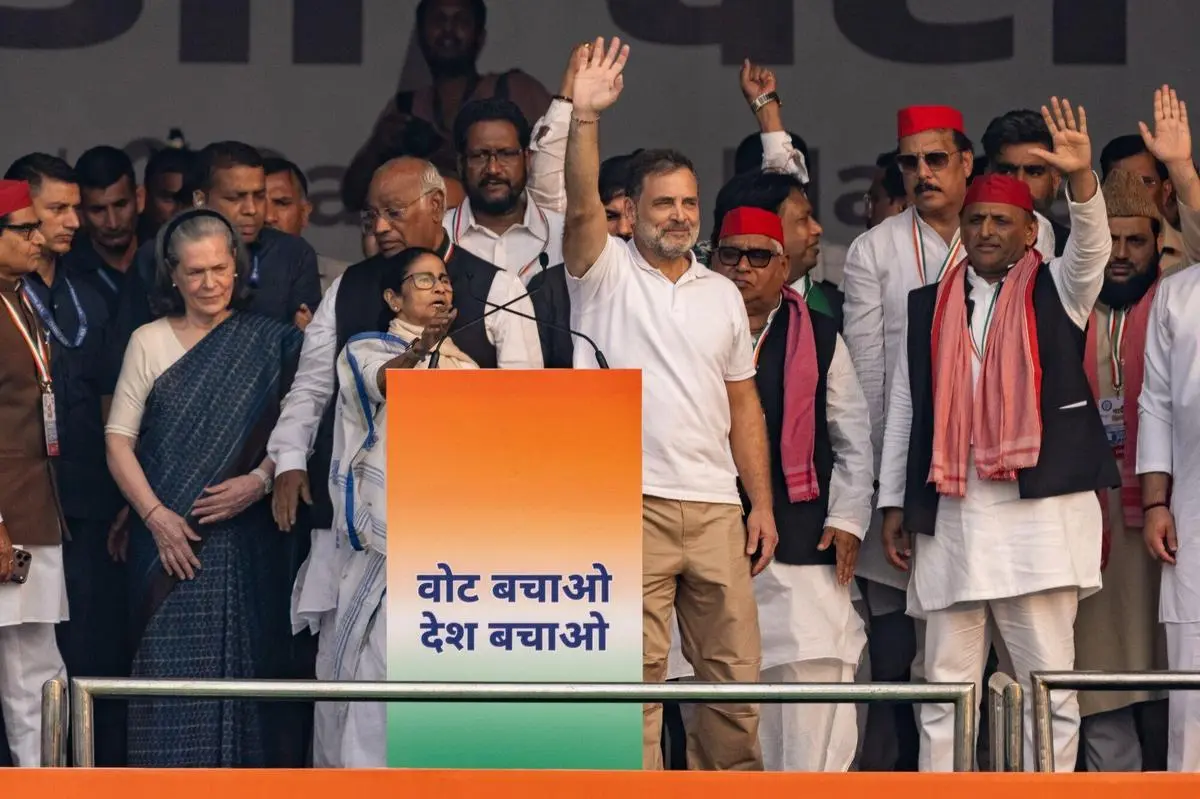
The rally, led by Congress leader and Leader of Opposition Rahul Gandhi, brought together several prominent INDIA bloc leaders to protest against alleged electoral irregularities and demand the resignation of Chief Election Commissioner Gyanesh Kumar. However, while the opposition leaders focused on political accountability and electoral transparency, the event has now sparked a separate controversy over the impact of large-scale political gatherings on local businesses.
According to the Chamber of Trade and Industry (CTI), approximately 2.5 lakh shops remained closed across major markets in Delhi, while transport restrictions and reduced customer movement affected wholesale and retail businesses, hotels, restaurants, and daily-wage workers.
The traders' association has maintained that the rally should have been postponed until after Diwali, warning that its timing could severely affect businesses already preparing for the peak festive shopping season.
Delhi Traders Claim ₹11,000 Crore Business Loss
The Chamber of Trade and Industry, led by chairman Brijesh Goyal, has estimated that Delhi's business community suffered losses worth approximately ₹10,000 crore to ₹11,000 crore on November 1.
According to the association, the disruption affected nearly 20 to 25 major commercial markets situated around Ramlila Maidan, including several prominent trading hubs in Central Delhi and Old Delhi.
The CTI estimates that these markets collectively house approximately three lakh shops, of which nearly 2.5 lakh remained completely closed during the rally. This represents around 80 per cent of the total shops in the affected areas.
The association further claimed that business activity within a five-kilometre radius of Ramlila Maidan came to an almost complete standstill.
Markets such as Chandni Chowk, Sadar Bazar, Khari Baoli, Chawri Bazar, Kashmere Gate, Mori Gate, Naya Bazar, Ajmeri Gate, Daryaganj, Paharganj, Jama Masjid, Connaught Place, Karol Bagh, Bhagirath Palace, and Lajpat Rai Market were among those reportedly affected.
These commercial centres are important hubs for wholesale trading, retail shopping, electronics, garments, jewellery, food supplies, and other essential business activities. Any disruption to their daily operations can affect not just shopkeepers but also suppliers, transporters, distributors, and customers.
The traders' body argued that even shops that remained open struggled to generate sales because customer movement was significantly reduced.
How the ₹11,000 Crore Loss Was Calculated
Breaking down its estimated losses, the CTI said the retail and wholesale trading sector suffered the biggest setback, followed by transportation, hospitality, and the informal workforce.
According to the association, the estimated losses were:
-
Retail and wholesale trade: ₹8,800 crore
-
Transport and logistics: ₹1,500 crore
-
Hospitality, hotels, restaurants and tourism: ₹500 crore
-
Informal sector and daily-wage workers: ₹200 crore
The total estimated financial impact stands at approximately ₹11,000 crore.
The transportation sector was particularly affected, with the association claiming that the movement of goods was disrupted within a 10-kilometre radius of the rally venue.
CTI chairman Brijesh Goyal also stated that approximately 5,000 vehicles, including small commercial tempos and trucks, could not operate normally. These vehicles typically transport goods from industrial areas and logistics hubs to wholesale markets across Delhi.
The association further claimed that around three to four lakh customers, suppliers, and dealers who regularly travel to Delhi from neighbouring towns could not reach the markets because of the anticipated traffic and security restrictions.
For businesses dependent on daily deliveries and customer visits, the disruption reportedly affected the entire commercial supply chain.
Why the Timing of the Ramlila Maidan Rally Became a Major Concern
One of the biggest objections raised by Delhi traders concerns the timing of the INDIA bloc rally.
November marks an important period for businesses across the national capital, as markets generally experience increased customer activity ahead of Diwali. Dhanteras shopping, festive purchases, wholesale orders, and household preparations contribute significantly to the annual earnings of thousands of traders.
According to the CTI, the affected markets collectively generate daily business worth approximately ₹10,000 crore to ₹12,000 crore during the peak festive period.
The association argued that shutting down commercial activities during such an important period could have serious financial consequences, particularly for small and medium-sized businesses that depend on daily sales.
The traders also pointed out that Dhanteras was scheduled just four days after the rally. With Diwali falling on a Sunday, November 8, many shopkeepers were also preparing for cleaning, stock management, and festive arrangements.
Before the event, the association reportedly wrote multiple letters to opposition leaders, including Rahul Gandhi, requesting that the rally be postponed until after Diwali.
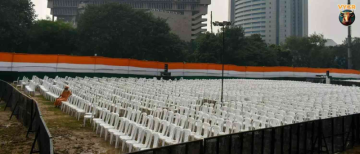
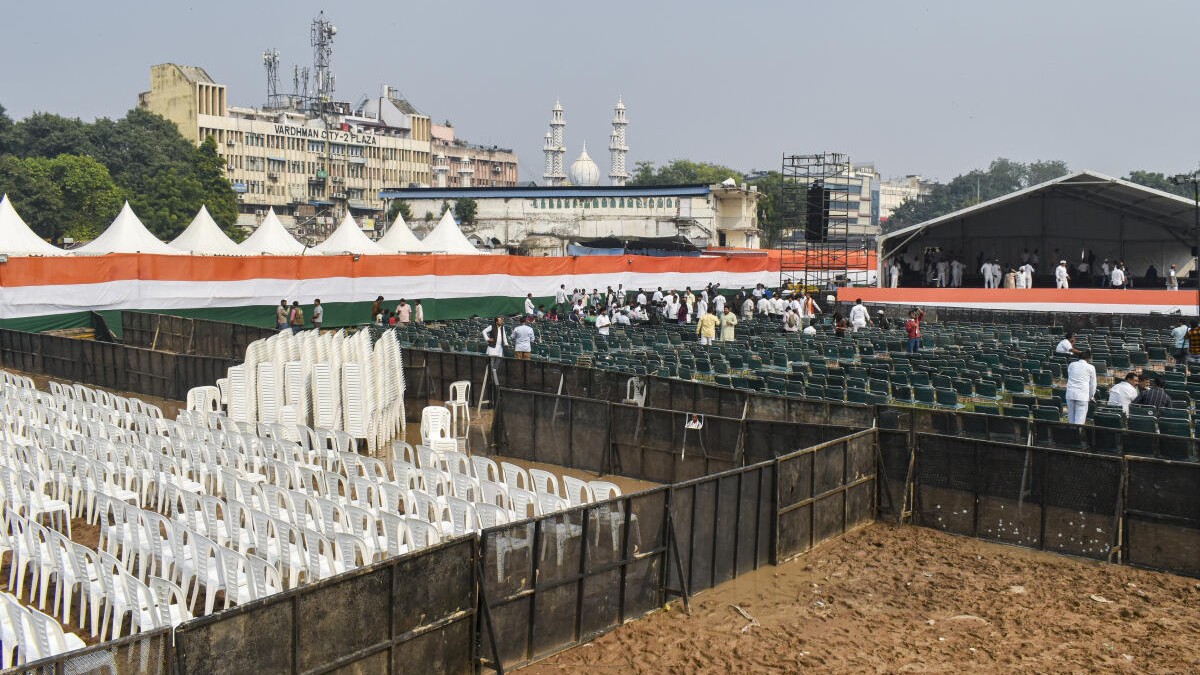
The CTI also raised concerns about the venue's capacity, parking arrangements, traffic management, and the possibility of large crowds creating lockdown-like conditions in parts of Central Delhi and Old Delhi.
Despite these appeals, the rally went ahead as scheduled on November 1.
Daily-Wage Workers, Hotels and Small Businesses Also Hit
The alleged economic impact was not limited to shop owners and large commercial establishments.
According to the CTI, the hospitality and tourism sectors suffered estimated losses of ₹500 crore, with bookings reportedly cancelled across more than 2,000 hotels, restaurants, guest houses, and dhabas in areas including Connaught Place, Karol Bagh, Paharganj, Chandni Chowk, and Daryaganj.
The informal sector also faced significant challenges.
The association estimated that approximately 20 lakh people, including loaders, workers, auto-rickshaw and e-rickshaw drivers, street vendors, porters, and labourers, lost a full day's wages. Their combined estimated wage losses were put at nearly ₹200 crore.
For people dependent on daily earnings, even a single day without work can create immediate financial difficulties.
Unlike large businesses, daily-wage workers often have limited financial reserves to manage unexpected disruptions. Similarly, small shopkeepers may struggle to recover lost sales when festive demand is concentrated within a short period.
The traders' association has therefore argued that the economic consequences of the rally extended far beyond the immediate area surrounding Ramlila Maidan.
Rahul Gandhi Blames BJP for Shop Closures
As traders raised questions about their alleged financial losses, Rahul Gandhi presented a different account of what happened in Delhi's markets.
Ahead of the rally, the Congress leader had encouraged participants travelling to the national capital to support local businesses by shopping in nearby markets after attending the protest.
However, while visiting Connaught Place, Gandhi alleged that shops had been forcibly closed by the BJP-led government.
In a video message, he questioned why businesses were being prevented from operating and argued that the ruling party was responsible for the losses faced by traders.
His remarks shifted the debate from the economic impact of the rally to allegations surrounding the closure of shops and the role of the administration.
Congress leaders also rejected the criticism directed at the INDIA bloc.
Senior Congress leader Jairam Ramesh claimed that the rally had actually benefited local businesses, arguing that visitors arriving from different parts of the country could contribute to Delhi's economy through shopping and other commercial activities.
He also alleged that the BJP was attempting to create a narrative of business losses to discredit the opposition's protest.
Congress leader Renuka Chowdhury similarly dismissed claims that the rally had harmed local traders, maintaining that opposition leaders had encouraged people to support local markets during the festive season.
BJP Targets Congress Over Traders' Losses
The BJP strongly criticised the INDIA bloc for proceeding with the Ramlila Maidan rally despite repeated objections from the traders' association.
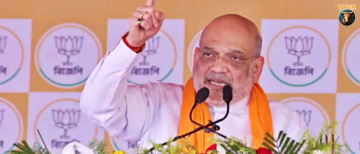
Union Home Minister Amit Shah accused Rahul Gandhi and the Congress leadership of ignoring the concerns raised by traders. He pointed out that the business community had reportedly held press conferences and written multiple letters requesting that the event be shifted to a date after Diwali.
Union Minister JP Nadda also criticised the opposition, alleging that its decision to organise a large political gathering during the festive season demonstrated a lack of concern for small shopkeepers and business owners.
The BJP argued that political demonstrations should not come at the expense of ordinary people's livelihoods, particularly when businesses are preparing for their most important sales period.
The opposition, meanwhile, continued to defend the rally, insisting that the demonstration was necessary to raise concerns about alleged electoral irregularities.
The disagreement has turned the issue into a political confrontation, with both sides offering sharply different explanations for the disruption experienced by Delhi's traders.
What Was the INDIA Bloc Rally About?
The November 1 gathering at Ramlila Maidan was organised as part of the INDIA bloc's campaign against alleged electoral irregularities and concerns surrounding the functioning of the Election Commission.
The opposition organised a 'Chalo Dilli' march, which began near the Minto Road-Connaught Place junction before culminating at Ramlila Maidan.
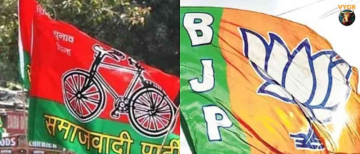
Several prominent opposition leaders participated in the demonstration, including Rahul Gandhi, Priyanka Gandhi, Samajwadi Party chief Akhilesh Yadav, and RJD leader Tejashwi Yadav.
The opposition demanded accountability over alleged electoral irregularities and called for Chief Election Commissioner Gyanesh Kumar's resignation.
While the rally was intended to demonstrate opposition unity and amplify concerns about the electoral process, the controversy surrounding the alleged ₹11,000 crore business loss has introduced another dimension to the political debate.
Who Will Compensate Delhi Traders for the Alleged ₹11,000 Crore Loss?
The biggest question emerging from the controversy is whether the affected traders will receive any compensation for the financial disruption.
CTI chairman Brijesh Goyal has questioned who will make up for the losses suffered by shopkeepers, transporters, factory owners, and other businesses.
The association believes that the business community should not be forced to bear the financial consequences of a political event held during the peak festive shopping season, particularly when traders had raised concerns beforehand.
However, the ₹11,000 crore figure remains the association's estimate, and no independent official assessment confirming the total loss has been established in the reports.
The political blame game also leaves several questions unanswered. The extent to which the rally, advance security arrangements, traffic restrictions, voluntary shop closures, and reduced customer movement each contributed to the disruption remains a matter requiring further examination.
For Delhi's trading community, the immediate concern is the possible loss of crucial festive-season revenue. For political parties, the controversy has become another opportunity to question each other's priorities and accountability.
Ultimately, the incident highlights a larger issue: how can political demonstrations, public safety arrangements, and the economic interests of ordinary citizens be balanced?
As the debate over the INDIA bloc rally continues, Delhi's traders are demanding answers, and the question of who will bear the financial cost remains unresolved.
© Copyright 2026. All Rights Reserved. Powered by Vygr Media.