
 By

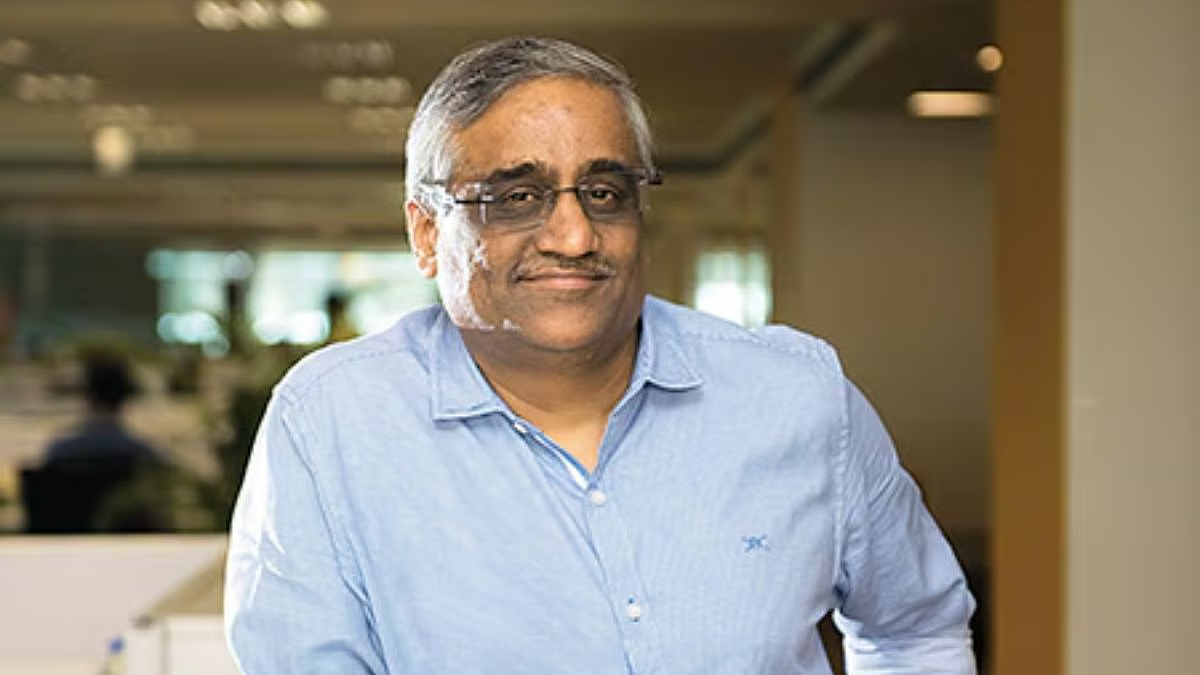
The Central Bureau of Investigation (CBI) has registered a major bank fraud case against Future Retail Ltd (FRL) and its promoters, including prominent Indian businessman Kishore Biyani and his brother Rakesh Biyani, over an alleged financial fraud involving ₹904.32 crore. The development has brought the former retail giant back into the spotlight, raising fresh questions about its financial dealings, alleged diversion of bank loans and the accountability of its top management.
Following a complaint filed by the State Bank of India (SBI), the investigating agency registered a First Information Report (FIR) on November 4, 2026. The case involves allegations of criminal conspiracy, cheating and offences under the Prevention of Corruption Act.
As part of the investigation, CBI teams conducted searches at multiple premises in Mumbai linked to the company's promoters and directors on November 6. Several documents considered relevant to the investigation were recovered and seized.
The investigation is expected to focus on how Future Retail obtained substantial credit facilities from banks, whether the borrowed money was used for its sanctioned purposes and how the funds allegedly moved through associated companies and connected entities.
CBI Registers ₹904.32 Crore Bank Fraud Case Against Future Retail
The latest development follows a formal complaint by SBI's Stressed Assets Management Branch-III in Mumbai. According to the complaint, Future Retail Ltd, its promoters and other individuals allegedly entered into a criminal conspiracy to obtain various credit facilities from SBI and a consortium of nine banks.
The loans and credit facilities reportedly included working capital loans, term loans and letters of credit. Future Retail had availed itself of credit facilities from SBI's Commercial Branch in Fort, Mumbai.
The CBI has named Future Retail, its promoters and managing directors, executive directors and guarantors in the case. Kishore Biyani and Rakesh Biyani are among the prominent individuals named in the FIR. The agency has also included unknown public servants and other unidentified individuals whose possible involvement is being examined.
According to the investigating agency, the alleged transactions resulted in a wrongful loss of ₹904.32 crore to the complainant bank.
The allegations are serious because they concern the possible misuse of institutional credit and the movement of substantial borrowed funds outside their intended business purposes.
However, it is important to note that these are allegations under investigation. The registration of an FIR does not establish the guilt of the individuals or company named in the case.
How Were the Bank Loans Allegedly Diverted?
One of the central aspects of the Future Retail bank fraud case concerns the alleged diversion and siphoning of funds obtained through bank credit facilities.
According to the CBI's preliminary findings, the company allegedly failed to utilise the sanctioned funds for the specific purposes for which the loans and credit facilities had been approved.
Instead, investigators suspect that the money was diverted through associate companies and connected entities.
The alleged movement of funds has become a key focus of the investigation, as the agency attempts to establish where the borrowed money ultimately went and who benefited from the transactions.
Working capital loans are generally intended to support a company's everyday business requirements, including inventory purchases, operational expenses and payments to suppliers. Term loans, meanwhile, are typically sanctioned for longer-term financial requirements, while letters of credit facilitate commercial transactions and payments.
The alleged misuse of these facilities raises questions about whether the borrowed money was deployed in accordance with the conditions agreed upon with the lending institutions.
The CBI is now examining the financial transactions, the involvement of associated entities and the responsibilities of individuals connected with the company.
The investigation will also look into whether any public servants or private individuals played a role in the alleged conspiracy. The agency has not yet established the complete sequence of transactions or disclosed the identities of all the individuals whose involvement is being examined.
CBI Conducts Searches at Multiple Locations in Mumbai
After registering the FIR on November 4, the CBI intensified its investigation by conducting coordinated searches at several premises in Mumbai on November 6.
The searches targeted locations associated with Future Retail's promoters and directors, including individuals named in the case.
During the operations, investigating officers recovered and seized documents considered relevant to the alleged financial irregularities and banking transactions.
These documents could help investigators reconstruct the movement of funds, examine financial arrangements between the company and its associated entities, and establish the roles played by the individuals involved.
The seizure of documents marks an important step in the investigation, although the agency has not publicly disclosed their specific contents.
The CBI has stated that its investigation is continuing to determine the full extent of the alleged conspiracy, identify the roles of all individuals involved and trace the ultimate utilisation of the loan funds.
Further developments will depend on the examination of financial records and other evidence collected during the searches.
Who Is Kishore Biyani? The Man Behind Big Bazaar and Future Group
Kishore Biyani is one of India's best-known retail entrepreneurs and is widely regarded as a pioneer of organised retail in the country. Often described as the 'Father of Indian Retail', he played a significant role in changing how Indian consumers shopped by introducing large-format stores and accessible retail brands.
Born on August 9, 1961, in Mumbai, Biyani began his entrepreneurial journey in the fashion business.
One of his early major ventures was Pantaloons, which he established in 1987. What began as a clothing business eventually developed into a prominent fashion retail chain.
However, his biggest breakthrough came with the launch of Big Bazaar in 2001.
The hypermarket chain introduced a shopping experience that brought groceries, clothing, household products, personal care items and other everyday essentials together under one roof. Its mass-market positioning and value-driven approach helped it connect with India's expanding middle-class consumer base.
Big Bazaar soon became one of the country's most recognisable retail brands.
Under Biyani's leadership, Future Group expanded its presence across multiple retail segments, introducing brands and formats such as Central, Foodhall and Fashion@Big Bazaar.
The group's business model focused on understanding Indian consumers, offering a wide variety of products and building retail formats around everyday shopping requirements.
Over the years, Future Group became a significant name in India's organised retail industry, with a large presence across fashion, food, grocery and general merchandise.
However, the group's subsequent financial difficulties and the collapse of its retail operations marked a dramatic reversal for the once-prominent retail entrepreneur.
What Was Future Retail's Business and Why Did It Collapse?
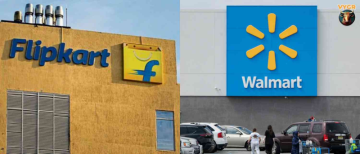
Future Retail Ltd was a major player in India's organised retail sector, operating several well-known hypermarket and supermarket formats.
Its most recognisable brands included Big Bazaar, Fashion@Big Bazaar and Foodhall. The company was also involved in the general trading of fast-moving consumer goods (FMCG), fashion products and other merchandise through its retail outlets.
Its business model centred on large-format stores offering consumers a wide range of products under one roof.
For years, the company benefited from the growing demand for organised retail in India. However, mounting debt, liquidity pressures and financial difficulties eventually pushed the business into a prolonged crisis.
Future Retail's financial troubles culminated in insolvency proceedings and the collapse of its retail operations.
The company's decline was particularly significant given its earlier position in the Indian retail market. Big Bazaar, once a familiar destination for millions of shoppers, became a symbol of the challenges facing the business.
The latest CBI investigation adds another major legal and financial development to the company's troubled history.
While the insolvency proceedings and the present bank fraud investigation are separate matters, both highlight the scale of financial difficulties surrounding the former retail giant.
The current investigation specifically concerns allegations relating to bank credit facilities, their utilisation and the suspected movement of funds through connected entities.
What Happens Next in the Future Retail Bank Fraud Investigation?
The CBI investigation is still at an early stage, and several important questions remain unanswered.
The agency will need to establish the complete financial trail, determine how the credit facilities were utilised and identify the individuals responsible for the alleged diversion of funds.
Investigators are also examining the possible involvement of unidentified public servants and other private individuals. Establishing whether any of them facilitated the alleged transactions will be an important part of the probe.
Another significant aspect will be tracing the ultimate destination of the funds allegedly siphoned off through associate companies and connected entities.
The documents seized during the Mumbai searches could provide important evidence and help investigators understand the financial relationships between Future Retail and other businesses.
The case also draws attention to the broader issue of corporate governance and accountability in large businesses that depend heavily on institutional borrowing.
Banks sanction substantial credit facilities based on financial disclosures, business projections and agreed lending conditions. When borrowers allegedly fail to use those funds for their intended purposes, the consequences can extend beyond the company itself, affecting lenders, creditors and the wider financial system.
For now, the CBI has not announced the final findings of its investigation, and the allegations against Kishore Biyani, Rakesh Biyani and other individuals remain to be established through the legal process.
The ₹904.32 crore Future Retail bank fraud case is therefore likely to remain under close scrutiny as investigators work to establish the full extent of the alleged financial irregularities.
For Kishore Biyani, once celebrated for transforming India's organised retail landscape through Big Bazaar and Future Group, the latest investigation represents another significant chapter in the troubled journey of his former retail empire.
© Copyright 2026. All Rights Reserved. Powered by Vygr Media.