 By
By 
The fragile calm that briefly offered hope for de-escalation between the United States and Iran has once again given way to military confrontation. Fresh American strikes on Iranian military targets, retaliatory threats from Tehran, and mounting concerns over security in the Strait of Hormuz have dramatically altered the regional security landscape, raising fresh questions about whether diplomacy can still prevent a prolonged conflict.
The renewed exchange of hostilities comes just weeks after both sides had appeared to move toward a temporary ceasefire. That optimism has largely evaporated following attacks on commercial shipping in the Strait of Hormuz, a strategic maritime corridor through which nearly a fifth of the world's oil supply passes. Washington blamed Iran for the attacks and responded with a fresh wave of military operations targeting Iranian military infrastructure, including missile facilities, radar systems and naval assets.
Ceasefire Under Severe Strain
The latest escalation represents one of the most serious setbacks to diplomatic efforts in recent weeks. While earlier negotiations had raised hopes of reducing hostilities, the renewed strikes have reinforced the deep mistrust between Washington and Tehran.
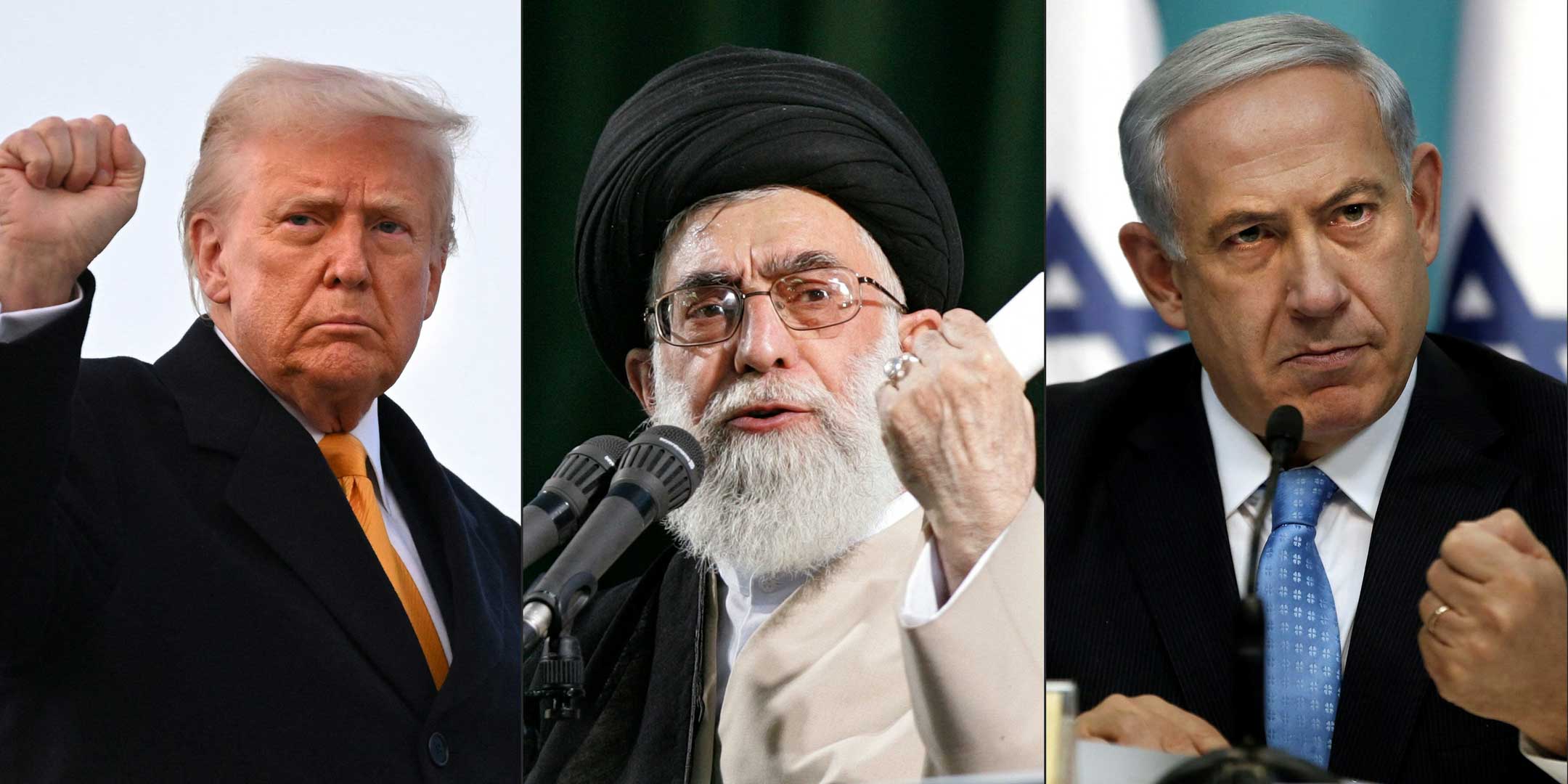
Speaking during an international summit, US President Donald Trump declared that the ceasefire was effectively over, arguing that Iran's recent actions had rendered further negotiations meaningless. He also warned that additional military action remained a possibility if Tehran continued targeting commercial shipping and American interests in the region.
Iranian officials, meanwhile, accused the United States of violating previous understandings and vowed to respond forcefully. Military leaders in Tehran insisted that the country would defend its sovereignty while rejecting accusations that it alone was responsible for escalating the conflict.
Strait of Hormuz Once Again at the Centre
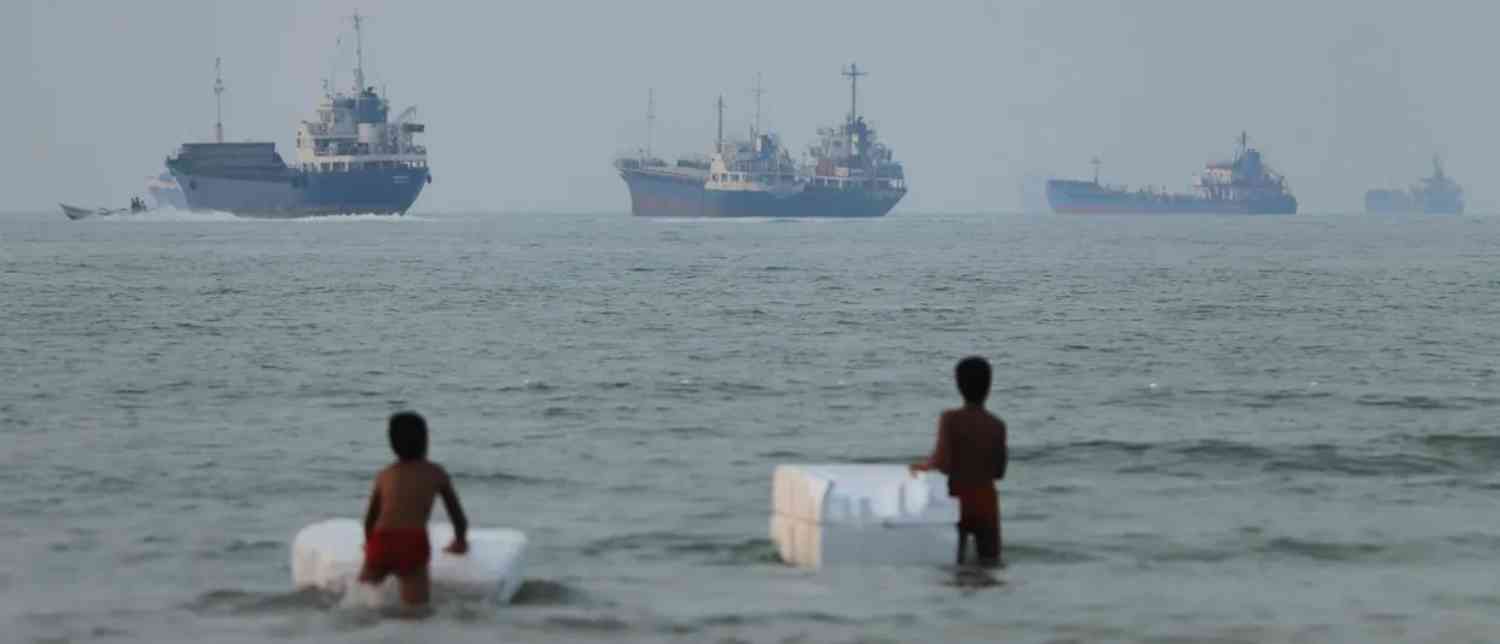
Much of the current crisis revolves around the Strait of Hormuz, one of the world's most strategically important waterways. The narrow passage connects the Persian Gulf to international shipping routes and serves as a critical artery for global energy exports.
Any disruption to shipping through the strait immediately reverberates across international markets. Even limited attacks on commercial vessels have triggered concerns among energy traders, shipping companies and governments dependent on Gulf oil supplies.
The latest US military operation was described as an effort to reduce Iran's ability to threaten international commerce by targeting anti-ship missile sites, coastal radar installations and naval assets positioned around the Strait of Hormuz. Washington maintains that freedom of navigation through the waterway is a vital international interest.
For Iran, however, the Strait of Hormuz remains one of its strongest strategic leverage points. The country's geographic position allows it to influence one of the busiest energy corridors in the world, making the strait central to both its military planning and diplomatic calculations.
Oil Markets React Swiftly
Financial markets reacted almost immediately to the renewed hostilities.
Global oil prices climbed sharply as investors assessed the possibility of prolonged disruptions to energy supplies from the Gulf. Analysts warned that any sustained military confrontation near the Strait of Hormuz could significantly affect crude exports, insurance costs for shipping companies and broader inflationary pressures worldwide.
Currency markets also reflected heightened uncertainty, with investors moving toward traditional safe-haven assets while monitoring developments in the Middle East.
Energy analysts caution that even if physical oil supplies remain uninterrupted, geopolitical risk alone can keep prices elevated, affecting consumers and businesses far beyond the region.
_1783533410.jpg)
Regional Security Concerns Intensify
The latest round of fighting has also heightened anxiety among America's Gulf allies.
Following the US strikes, Iran reportedly threatened retaliation against American military facilities across the region. Security measures have consequently been strengthened in several Gulf countries, while regional governments continue to urge restraint to prevent the conflict from expanding further.
Military analysts warn that any miscalculation involving regional actors could transform the current confrontation into a broader Middle East conflict involving multiple countries and proxy groups.
Israel and Regional Flashpoints
The broader regional picture remains equally volatile.
Alongside the confrontation between Washington and Tehran, tensions involving Israel continue to add another layer of instability. Reports of heightened security measures and renewed tensions around religious sites in Jerusalem have further complicated an already fragile environment.
Observers note that these parallel crises are interconnected, with developments in one theatre often influencing calculations elsewhere across the Middle East.
The combination of military operations, political rhetoric and religious sensitivities has created a highly unpredictable regional environment where localized incidents carry the potential to escalate rapidly.
Diplomacy Faces Growing Challenges
Despite the renewed violence, diplomatic channels have not completely closed.
Several international actors continue to encourage restraint, arguing that neither Washington nor Tehran stands to benefit from a prolonged military confrontation. However, trust between both governments has deteriorated significantly following repeated accusations of ceasefire violations.
Analysts believe rebuilding confidence will be extremely difficult unless both sides first agree to halt military operations and establish credible mechanisms to prevent further incidents in the Strait of Hormuz.
The current situation also complicates broader discussions surrounding sanctions, regional security arrangements and future nuclear negotiations, all of which now face additional political obstacles.
Humanitarian and Economic Implications
Beyond military strategy, the conflict carries significant humanitarian and economic consequences.
Communities across the region continue to live under the threat of missile attacks, while commercial aviation, maritime transport and international trade remain vulnerable to sudden disruptions. Airlines have already adjusted operations in response to changing security conditions across parts of the Middle East.
Businesses dependent on stable energy supplies are also closely monitoring developments, as prolonged instability could increase transportation costs and contribute to inflation in multiple economies.
International humanitarian organisations continue to warn that any sustained escalation would place additional pressure on civilian populations already affected by years of regional instability.
What Comes Next?
The coming days are likely to prove decisive.
If military exchanges continue, prospects for reviving meaningful negotiations may diminish further. Conversely, successful diplomatic intervention by regional or international mediators could still prevent a wider conflict.
Much will depend on developments around the Strait of Hormuz. Any further attacks on commercial shipping or additional military retaliation could trigger another cycle of escalation with consequences extending well beyond the Middle East.
For now, the region remains caught between diplomacy and confrontation. While political leaders continue exchanging warnings, the world watches closely, aware that events unfolding in one of the globe's most strategically important regions could reshape international security, energy markets and global diplomacy for months to come.
With inputs from agencies
Image Source: Multiple agencies
© Copyright 2026. All Rights Reserved. Powered by Vygr Media.