 By
By 
Harvey Weinstein has been sentenced to 15 years in prison for sexually assaulting former production assistant Miriam Haley in 2006, bringing another chapter to a long-running legal saga that has stretched across more than six years and remained closely tied to the global reckoning over sexual misconduct in Hollywood.
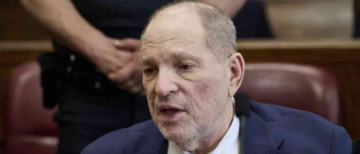
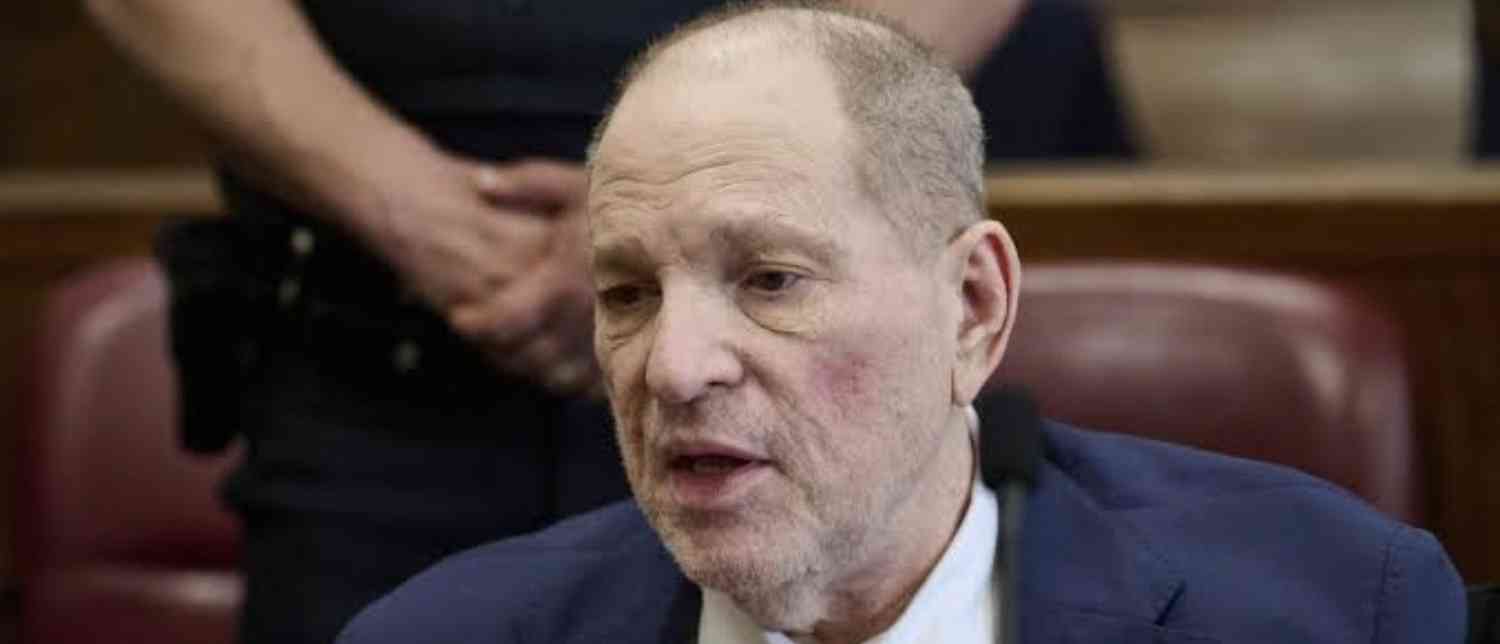
The 74-year-old former movie producer was sentenced Wednesday in Manhattan after a jury convicted him during a retrial of first-degree criminal sexual act involving Haley. The conviction came after his original New York conviction was overturned in 2024, forcing prosecutors to revisit a case that had once resulted in a 23-year prison sentence.
Weinstein, who has consistently denied raping or sexually assaulting women, appeared in court in a wheelchair and maintained his innocence while expressing remorse for the pain Haley experienced. His lawyers had urged the court to impose a significantly shorter sentence, citing his age and serious health problems.
The latest sentence means Weinstein is expected to remain behind bars well into his 80s. He is also facing further legal proceedings in California over a separate rape conviction.
_1790187122.jpg)
Harvey Weinstein gets 15 years for 2006 sexual assault
The sentence stems from an incident involving Miriam Haley at Weinstein's Manhattan apartment in 2006.
Haley, who was working as a production assistant at the time, had professional connections to Weinstein's company and had worked briefly on the reality television programme Project Runway. She testified that she accepted an invitation to visit his apartment before travelling to Los Angeles for a film-related event.
According to her testimony, what began as a social meeting quickly turned into an unwanted sexual encounter. Haley said Weinstein attempted to kiss her, ignored her objections and forcibly assaulted her after taking her into a bedroom.
Her account became central to the criminal case against the producer and was presented again after the original conviction was overturned.
The charge for which Weinstein was sentenced carries a maximum possible sentence of 25 years. Prosecutors had asked the court to impose 20 years, while the defence argued for a substantially shorter term.
Miriam Haley speaks about the lasting impact
Before the sentence was handed down, Haley addressed the court and described the long-term consequences of the assault and the years of legal proceedings that followed.
She said the experience had deeply affected her sense of safety and that speaking publicly and testifying in court had itself become another source of trauma. After years of proceedings, she told the court that the consequences of the assault felt like a "life sentence" for her.
Haley had already testified during Weinstein's original trial and returned to the witness stand during the retrial. Her decision to continue participating in the case came despite the emotional burden of repeatedly recounting the events.
The sentencing hearing therefore represented more than the conclusion of a single criminal proceeding. For Haley, it marked the latest stage in an unusually prolonged effort to hold Weinstein accountable for the assault.
Following the sentencing, Haley said she believed the 15-year sentence was fair. Her attorney also rejected the idea that the conclusion of Weinstein's New York case meant the broader movement sparked by the allegations against him had come to an end.
Why was Harvey Weinstein sentenced again?
Weinstein's latest sentence follows a complicated series of trials and appeals.
In 2020, a New York jury convicted him of sexually assaulting Haley and raping aspiring actress Jessica Mann. He was subsequently sentenced to 23 years in prison.
That conviction did not remain intact.
In 2024, New York's highest court overturned the conviction and ordered a new trial. The court concluded that testimony concerning allegations that were not directly part of the charges had improperly affected the original proceedings.
The reversal did not amount to an acquittal of the underlying allegations. Instead, prosecutors were given the opportunity to try the case again.
At the 2025 retrial, Weinstein was again convicted of the criminal sex act involving Haley. However, the outcome was mixed. Jurors acquitted him of a separate sexual assault allegation involving Kaja Sokola and failed to reach a verdict on the rape allegation involving Mann.
The Mann charge was subsequently tried again in 2026. That proceeding ended with another hung jury in May. Prosecutors later decided not to pursue another trial after Mann indicated that she could not endure another round of testimony.
With that charge no longer moving forward, the path was cleared for Weinstein to be sentenced for the conviction involving Haley.
_1790187154.jpg)
Weinstein apologises but maintains his innocence
During Wednesday's hearing, Weinstein attempted to address the court personally.
He expressed regret for the pain Haley had experienced and apologised for his actions, but he stopped short of accepting responsibility for the criminal conduct for which he had been convicted.
Weinstein said he had remorse for Haley's pain while reiterating his claim of innocence. His defence has indicated that he intends to appeal the latest conviction and sentence.
Judge Curtis Farber, however, delivered a sharply critical assessment of Weinstein's conduct before imposing the sentence. The judge pointed to the contrast between Weinstein's former status as one of Hollywood's most powerful producers and the criminal conviction that now defines his legal legacy.
Health concerns were central to the defence's plea
Weinstein's deteriorating health was a major factor in his lawyers' request for a shorter prison term.
His defence team told the court that the former producer has faced several serious medical problems and has been hospitalised multiple times since 2025. His reported conditions include blood cancer, congestive heart failure and kidney problems.
His lawyers argued that a lengthy sentence could effectively amount to a sentence he would not live long enough to complete. They requested only a limited additional period of imprisonment beyond the more than six years he has already spent in custody.
Weinstein has spent portions of his incarceration in medical facilities and has experienced significant mobility problems. He appeared in court using a wheelchair during the sentencing hearing.
The judge ultimately imposed a 15-year sentence, considerably longer than the term sought by the defence but shorter than the 20 years requested by prosecutors.
Where is Miriam Haley now?
The renewed focus on the sentencing has also drawn attention to Haley's life away from the courtroom.
Haley, now 49, has largely maintained a private life since the allegations became public. She currently works in advertising and has moved away from the entertainment industry environment in which she first encountered Weinstein.
She publicly identified herself as one of Weinstein's accusers in 2017, when a growing number of women began speaking about alleged sexual misconduct by the producer.
Haley also reached a civil settlement related to her allegations, reportedly for approximately $475,000.
Despite the intense public attention surrounding Weinstein's cases, she has largely kept her personal life out of the spotlight. Her appearance at the sentencing hearing once again placed her story at the centre of a case that has been followed around the world.
Weinstein's legal troubles are not over
The 15-year New York sentence does not mark the end of Weinstein's legal battles.
He is also awaiting resentencing in California, where he was convicted in a separate case involving the rape and sexual assault of an actress in Los Angeles in 2013.
A California appeals court upheld the underlying conviction but overturned the original 16-year sentence after determining that the judge had considered the now-overturned New York convictions as an aggravating factor.
The California proceedings could therefore affect how and when Weinstein serves the sentences imposed in the two states.
Harvey Weinstein's case and the #MeToo movement
Few criminal cases have had the cultural impact of Weinstein's.
When allegations against him became public in 2017, dozens of women came forward with accounts of alleged sexual harassment, assault and misconduct. The revelations helped propel the #MeToo movement into a global conversation about sexual abuse, workplace power and the treatment of women in industries where influential individuals could exert extraordinary control over careers.
Weinstein's fall was particularly striking because of his former position in Hollywood. He had been associated with major films and had significant influence over actors, filmmakers and industry professionals.
His criminal cases subsequently became a test of how allegations involving powerful individuals could be handled through the justice system. The repeated trials, appeals and retrials have also highlighted the complexity of prosecuting sexual assault cases years after the alleged incidents occurred.
With his latest 15-year sentence, Weinstein's New York legal saga has reached another significant milestone. Yet the broader story surrounding the allegations, the women who came forward and the changes that followed continues to extend far beyond one courtroom.
For Miriam Haley, Wednesday's sentencing closed another difficult chapter. For Weinstein, however, the legal proceedings continue, with an appeal expected and a separate California case still unresolved.
With input from agencies
Image Source: Multiple agencies
© Copyright 2026. All Rights Reserved. Powered by Vygr Media.