
 By
By 
Artificial intelligence has created extraordinary opportunities for women. A woman entrepreneur can use AI tools to reach customers, a student can access educational resources beyond the boundaries of her classroom, and a community leader can communicate with people who might otherwise never hear her voice. Translation tools, digital platforms and generative AI can make information more accessible and help women participate more confidently in economic, social and political life.
Yet the same technology can become a weapon of humiliation.
A woman's photograph can be transformed into an obscene image without her consent. Her voice can be cloned to make her appear to say things she never said. A social media post expressing an ordinary political opinion can attract sexualised insults, threats and attacks on her appearance rather than any meaningful engagement with her argument.
This contradiction lies at the heart of the debate about AI, patriarchy and women's freedom. Technology can amplify women's voices, but it can also amplify the prejudices that have historically tried to silence them.
The challenge, therefore, is not simply to give women access to digital platforms. It is to ensure that they can use those platforms without being punished for their visibility.
As artificial intelligence becomes increasingly embedded in everyday life, protecting women's digital rights must become a central part of India's conversation about technological progress, gender equality and democracy.
AI Deepfakes: A New Weapon in an Old Patriarchal Battle
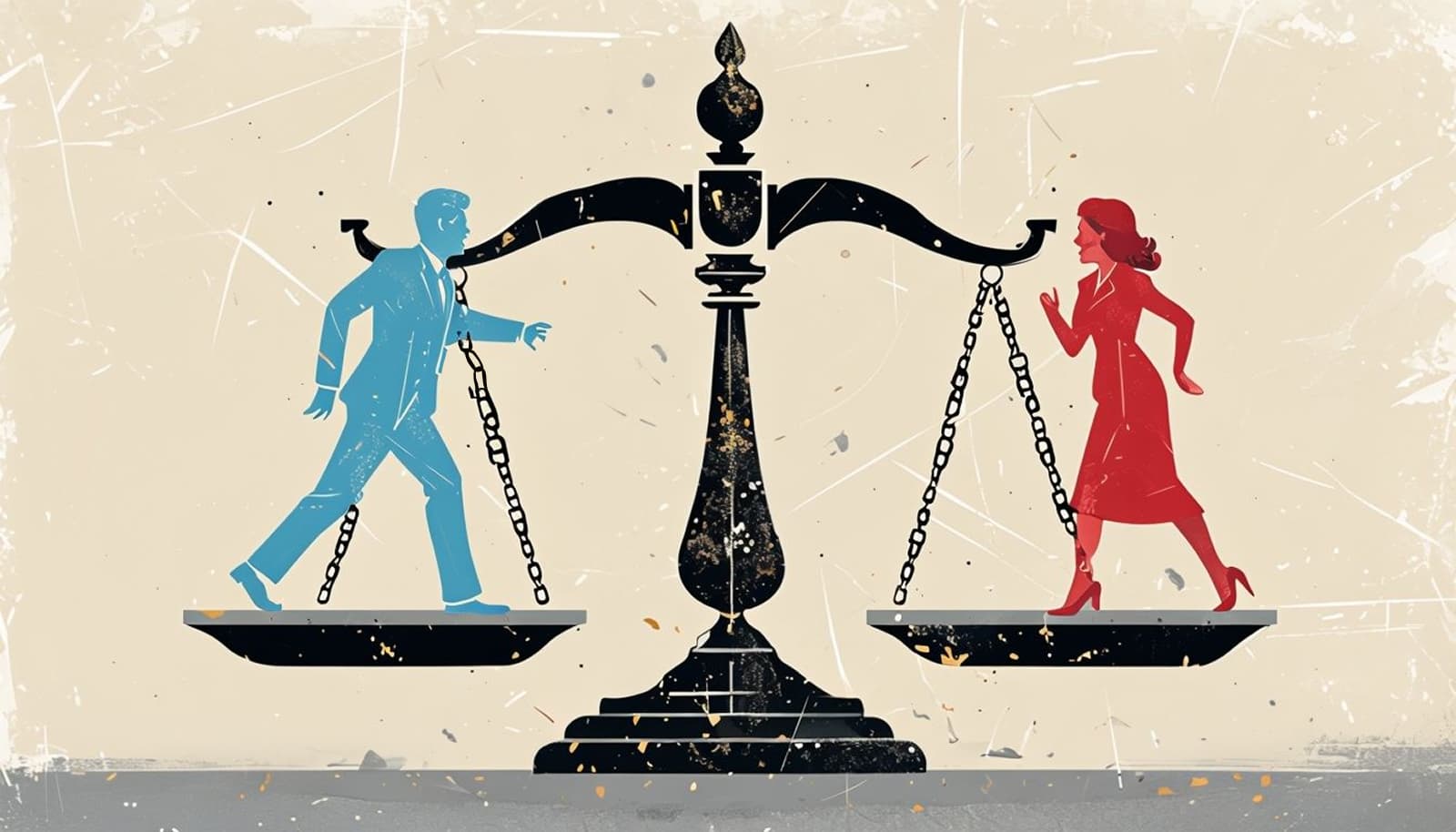
Deepfake technology allows users to generate or manipulate realistic images, videos and audio recordings. Although these tools have legitimate applications in entertainment, education and creative industries, their misuse has created serious concerns about privacy, consent and personal dignity.
Women are particularly vulnerable when AI-generated content is used to create sexualised images, fabricate intimate videos or impersonate them online. Such material can circulate rapidly, sometimes reaching thousands of people before a victim even learns that it exists.
The damage is not limited to the authenticity of the content. A fabricated image can trigger real humiliation, harassment, family conflict, professional consequences and reputational harm. Even after content is removed, screenshots and copies may continue circulating.
The underlying problem is not entirely new. Women have long faced attempts to control their bodies, reputations, sexuality and public behaviour. AI changes the scale, speed and sophistication of those attempts.
In the past, creating convincing fake visual material often required considerable technical skill. Generative AI has lowered that barrier, making sophisticated manipulation accessible to a much wider range of people. A person's publicly available photographs may be enough to begin a campaign of digital exploitation.
This creates a disturbing reality: a woman does not need to share intimate photographs to become a victim of fabricated sexual imagery.
The burden of this abuse also frequently falls on the victim. Women may be advised to remove photographs, make their accounts private, avoid public appearances or stop posting opinions. Such advice might occasionally reduce exposure to risk, but it does not address the source of the wrongdoing.
Why should women surrender their digital freedom because someone else chooses to violate their consent?
The responsibility must lie with those who create and distribute abusive material, as well as with the platforms and systems that enable its spread. AI innovation cannot be considered socially responsible if it allows a person's likeness to be exploited with little regard for the consequences.
Online Misogyny: When Women's Opinions Become Personal Targets
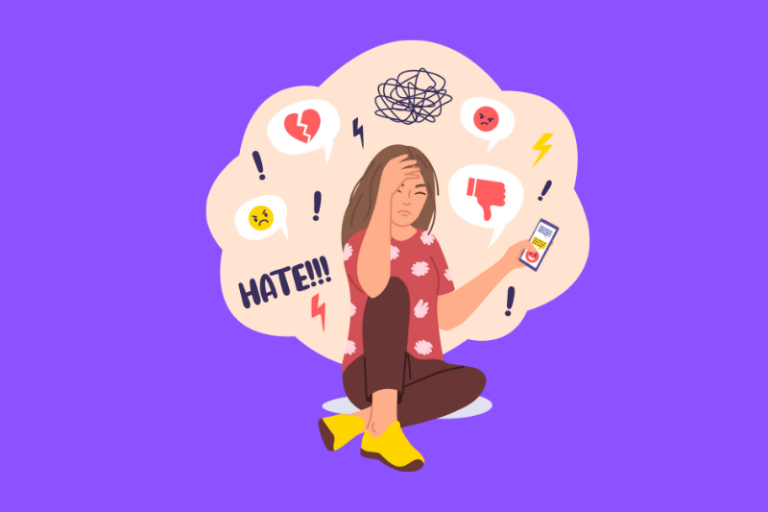
The threat to women's freedom is not confined to deepfakes. Online misogyny, gender-based harassment and coordinated abuse can make participation in public debate exhausting and intimidating.
A woman who comments on politics, questions a social practice or criticises a powerful institution may find that the discussion quickly shifts from her argument to her appearance, clothing, relationships or perceived morality. Instead of being challenged on the substance of her views, she is judged against expectations about how women should behave.
Men and women can both experience online abuse. However, gendered attacks draw on social prejudices that can make the consequences particularly severe for women. Sexualised insults and threats often attempt to suggest that a woman is unworthy of respect, attention or public authority simply because she refuses to remain within accepted boundaries.
This distinction matters. Democracy requires criticism, disagreement and the freedom to question public figures. Women in political and professional life should not be exempt from scrutiny. Their decisions, policies, performance and arguments must remain open to examination.
But criticism of a person's public record is different from sexualised humiliation designed to undermine her credibility.
Calling out a politician's policy is part of democratic debate. Threatening her with sexual violence or circulating fabricated intimate imagery is not a legitimate substitute for political argument.
The distinction between criticism and gender-based intimidation must remain clear. Otherwise, the language of free speech can be used to excuse behaviour that discourages women from exercising their own freedom of expression.
The Invisible Cost: Women Who Choose Silence
One of the most damaging consequences of online harassment is the silence it produces.
A woman who is repeatedly targeted may begin avoiding controversial subjects. She may stop sharing professional achievements, withdraw from public conversations or refuse opportunities that require an online presence. A journalist may reconsider investigating a sensitive issue. An aspiring politician may decide that the personal cost of public life is too high.
These decisions are not always visible in statistics about online abuse. A deleted account does not explain the threats that preceded its closure. A woman who declines to enter politics may never reveal that watching other women face sexualised harassment influenced her decision.
The consequences extend beyond individual victims.
When women withdraw from public debate, society loses their knowledge, experience and perspectives. Communities become less representative, democratic conversations become narrower, and existing concentrations of power face fewer challenges.
This is why women's digital safety should not be treated merely as a matter of personal comfort or social media etiquette. It is connected to the quality of public life itself.
A society cannot claim to encourage women's leadership while allowing the digital environment to become a place where their participation carries a disproportionate risk of humiliation and intimidation.
The right to be heard means more than having access to a microphone. It means having a reasonable opportunity to speak without facing targeted abuse intended to drive you away.

Gender Bias in Artificial Intelligence: The Problem Behind the Technology
The relationship between AI and gender inequality extends beyond deepfakes.
Artificial intelligence systems are shaped by the data on which they are trained, the objectives chosen by their developers and the assumptions embedded in their design. When those inputs reflect existing social inequalities, automated systems can reproduce or even reinforce them.
For example, a recruitment system trained on historically unequal hiring patterns may disadvantage women if it learns to associate certain professional characteristics with predominantly male applicants. A language model may reproduce stereotypes about leadership, domestic responsibilities or appropriate occupations. Image-generation systems may reinforce narrow assumptions about beauty, gender roles and professional identity.
These outcomes are not inevitable, but neither are they automatically eliminated by technological sophistication.
AI systems learn from human-created information, and human societies have long contained biases. If developers fail to identify and correct those patterns, automation can give old prejudices a new appearance of neutrality.
This makes gender-inclusive AI development essential.
Women must have meaningful representation in the teams that build, evaluate and govern AI systems. Diverse participation alone will not solve every problem, but it can help identify risks that homogeneous teams might overlook. Independent testing, transparent evaluation methods and effective complaint mechanisms are equally important.
Women should not merely be subjects whose behaviour is analysed by AI. They must also be participants in decisions about how these technologies are designed, deployed and regulated.
The goal is not to create technology that favours one gender. It is to prevent technology from reproducing unjust barriers under the appearance of objective decision-making.
India's Responsibility: Stronger Protection, Faster Accountability
India's digital transformation has expanded access to information, services and economic opportunities. However, the benefits of a connected society depend partly on whether people can use digital services safely and with confidence.
The misuse of AI-generated imagery and online impersonation raises difficult questions about enforcement, platform responsibility and the adequacy of existing remedies. India already has legal provisions that may apply to different forms of identity theft, impersonation, privacy violations and sexually explicit online content. The precise remedy depends on the facts and the applicable law.
The challenge is ensuring that protections work in practice.
For a victim, the process of reporting abusive content can be confusing and emotionally draining. Content may spread across several platforms, accounts may be anonymous, and repeated uploads may undermine an initial removal. Delayed action can allow harmful material to reach a much larger audience.
Effective AI regulation and digital safety policies must therefore prioritise timely intervention, accessible reporting and clear accountability.
Platforms should make it easier for victims to report non-consensual intimate imagery, impersonation and synthetic sexual content. They should act promptly on credible reports, provide clear explanations of their decisions and develop safeguards against repeated distribution. Where appropriate and lawful, they should preserve relevant evidence and cooperate with investigations.
AI developers should assess foreseeable misuse before releasing powerful image, audio and video generation tools. Safety testing should consider how easily systems can be exploited to produce non-consensual sexual material or impersonate real people. Protective measures must be evaluated continuously rather than treated as a one-time compliance exercise.
Regulators, meanwhile, must balance innovation with enforceable protections for privacy, dignity and equality. Rules should be clear enough to hold irresponsible actors accountable without creating vague restrictions that suppress legitimate expression or artistic activity.
Most importantly, women need practical access to remedies. Legal protection that is too slow, inaccessible or difficult to navigate cannot provide adequate reassurance to those facing urgent digital harm.
Why Technology Companies Cannot Solve Patriarchy Alone
It would be a mistake to assume that better AI moderation can eliminate gender inequality.
Platforms can detect harmful material, restrict abusive accounts and reduce the circulation of manipulated content. These measures are important. But online behaviour does not emerge in isolation from society.
Gender stereotypes are reinforced through families, workplaces, entertainment, political rhetoric and everyday interactions. The belief that women should remain quiet, modest or deferential does not disappear when a conversation moves from a physical room to a digital screen.
In some cases, social media can make these attitudes more visible and easier to spread. Abusive content may attract attention, provoke reactions and circulate through networks that reward outrage. When harassment becomes a source of entertainment or a tool for political mobilisation, removing individual posts addresses only part of the problem.
Political parties and public figures have a responsibility to condemn gender-based abuse consistently, including when it comes from their own supporters. Media organisations must avoid unnecessarily reproducing fabricated or degrading material in the process of reporting it. Educational institutions should teach digital literacy, consent and responsible online conduct.
Ordinary users also have a role to play. Sharing a humiliating deepfake, forwarding an unverified allegation or treating sexualised harassment as harmless humour can increase the harm. Refusing to circulate abusive content and supporting victims without blaming them are simple but meaningful interventions.
Men, in particular, have an important role in challenging misogynistic behaviour within their own social circles. Gender equality cannot become the responsibility of women alone, especially when they are already carrying the consequences of abuse.
Technology companies must improve their systems, but society must also question the attitudes that make the misuse of those systems attractive.
From Protection to Empowerment: What Meaningful Change Looks Like
The ultimate objective should not be to persuade women to become more cautious versions of themselves. It should be to create conditions in which they can participate more freely.
That requires a shift from asking women how they can avoid harassment to asking institutions how they can prevent it and respond effectively.
First, digital literacy programmes should help people understand AI-generated content, manipulated media, online consent and practical reporting options. Women and girls should have access to these resources without being made to feel responsible for preventing someone else's misconduct.
Second, reporting systems should be accessible, responsive and designed around the needs of victims. Clear procedures, timely updates and appropriate support can make a substantial difference when someone is dealing with fabricated sexual content or threats.
Third, AI safety assessments should examine gendered risks. Developers and platforms should evaluate whether their systems can be misused to create sexualised deepfakes, impersonate women or reinforce discriminatory stereotypes.
Fourth, institutions should measure outcomes rather than relying solely on public awareness campaigns. The number of training sessions conducted or posts removed does not necessarily reveal whether women feel safer participating online. Better indicators include response times, repeat abuse, access to remedies and whether victims can continue their professional and public activities.
Finally, women must be involved in shaping these interventions. Their experiences should inform platform policies, regulatory decisions and the development of safety tools. Policies designed without the meaningful participation of affected communities risk overlooking the very problems they are intended to address.
Protection should also respect women's autonomy. A victim should be able to seek help without automatically losing control over her story or being pressured into a particular response.
The objective is not simply to reduce visible abuse. It is to strengthen women's ability to make decisions, express opinions, pursue opportunities and remain present in public life.
A Future Where Women's Voices Are Not Conditional
Artificial intelligence presents India with a choice. It can help expand women's access to education, employment, information and public participation, or it can make existing forms of discrimination faster, more sophisticated and harder to escape.
The outcome will depend not only on what technology can do, but also on the values that guide its development and use.
AI-generated deepfakes, online misogyny and algorithmic gender bias are not isolated technical inconveniences. They raise fundamental questions about consent, equality, privacy and the distribution of power in a digital society.
Women's freedom cannot depend on whether they are willing to tolerate harassment. Their right to participate should not be conditional on remaining silent about difficult issues, avoiding public visibility or surrendering control over their digital identities.
A woman should be able to speak about politics without being subjected to sexualised intimidation. She should be able to share a photograph without fearing that it will be turned into fabricated intimate content. She should be able to use AI to improve her work without facing discrimination embedded in the systems around her.
The measure of technological progress is not merely how realistic a deepfake can become, how quickly an algorithm can operate or how many people a platform can reach. It is also whether people can exercise their rights more freely because that technology exists.
India's ambition to become a leader in artificial intelligence must therefore go hand in hand with a commitment to gender equality, digital dignity and meaningful accountability.
Giving women a voice is not enough if the cost of using it is humiliation, intimidation or exclusion.
The real test is whether they can speak, disagree, lead and participate without fear and whether society is prepared to defend that freedom as firmly online as it claims to defend it offline.
© Copyright 2026. All Rights Reserved. Powered by Vygr Media.