 By
By 
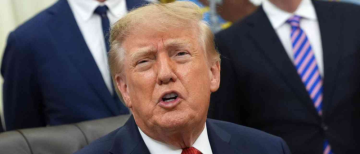
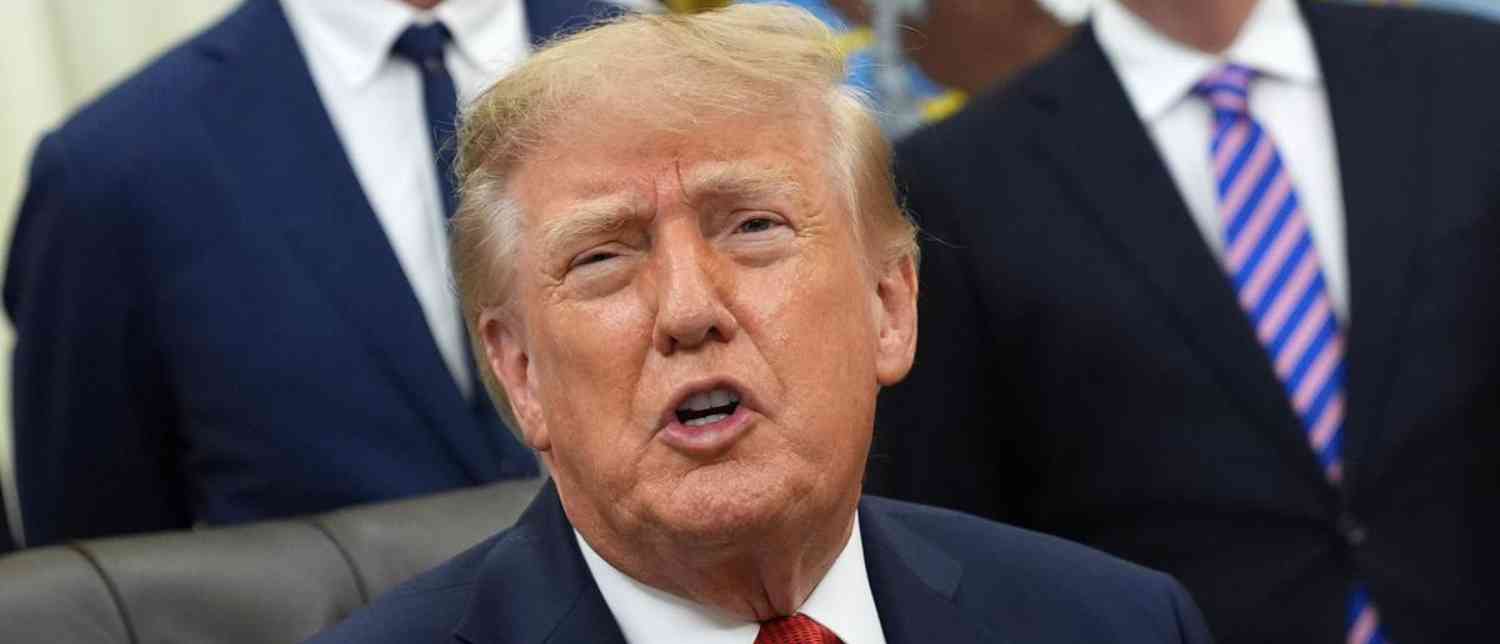
US President Donald Trump has signed into law a sweeping Russia and Iran sanctions measure that gives his administration expanded powers to impose tariffs of up to 100% on countries continuing to purchase Russian oil and gas. India and China, among the world's biggest buyers of Russian crude, could potentially come under the new tariff mechanism.
Trump signed the legislation, formally known as the Lindsey O. Graham Sanctioning Russia and Iran Act of 2026, on September 18, after it cleared both chambers of the US Congress with substantial bipartisan support. The legislation is designed to intensify economic pressure on Moscow over the ongoing Russia-Ukraine war by targeting Russia's energy revenues, defence sector, financial networks and vessels accused of helping circumvent existing sanctions.
However, the signing does not mean that Indian goods will immediately face a 100% tariff in the US. Instead, the law creates a legal framework under which the US president can impose duties of up to 100% on countries that meet specified criteria related to Russian energy purchases. The actual countries targeted, tariff rates and implementation will depend on decisions by the Trump administration.
What does the new Russia sanctions law say?
The legislation significantly expands Washington's ability to penalise Russia and countries continuing to conduct certain energy-related business with Moscow.
One of its most consequential provisions allows the US president to impose tariffs of up to 100% on goods imported from countries that rank among the five largest purchasers of Russian crude oil or natural gas during the relevant 12-month period. The measure can also cover countries that knowingly make new purchases of Russian oil or gas after the law takes effect, as well as certain nations accused of helping Russia evade sanctions.
The law also targets Russian officials, financial institutions, defence-related entities and the country's so-called shadow fleet — a network of vessels that Western governments have accused of helping transport Russian oil while bypassing sanctions.
The legislation further extends existing US sanctions relating to Iran, adding another layer to Washington's broader strategy of using economic restrictions and trade measures to exert geopolitical pressure.
The law is expected to take effect within 30 days of Trump's signature.
Why India is in the spotlight
India has emerged as one of the largest buyers of Russian crude since the Russia-Ukraine war began in February 2022.
Before the war, Russia accounted for a relatively small share of India's crude imports. The picture changed dramatically after Western sanctions disrupted Russia's traditional energy markets. Discounted Russian crude became increasingly attractive to Indian refiners, allowing them to diversify supplies while obtaining oil at competitive prices.
India currently imports more than 85% of the crude oil it consumes, making the availability of affordable and reliable supplies a major consideration for the country's energy policy. Russian crude has consequently become a significant component of India's import basket.
According to vessel-tracking data cited in recent reports, India imported about 2.08 million barrels per day of Russian oil in August, representing roughly 45% of its total oil imports. Russian crude had accounted for more than half of India's imports in each of the preceding two months.
That dependence puts New Delhi in a potentially difficult position as Washington gains a new mechanism to penalise major Russian energy buyers.
India says energy security remains a priority
New Delhi has repeatedly defended its decision to purchase Russian oil, arguing that energy procurement is driven by national requirements rather than geopolitical alignment.
India has maintained that it needs to secure adequate, affordable and uninterrupted energy supplies for its large population and rapidly expanding economy. The government has also pointed out that India is heavily dependent on imported crude and therefore cannot easily ignore price, availability and supply-security considerations when choosing its energy sources.
Following the latest US legislative development, India's foreign ministry said the country remained committed to ensuring energy security and was closely monitoring the implications of the new legislation.
New Delhi has also indicated that it has discussed the issue with US officials at various levels and made clear its concerns about the possible consequences for bilateral relations as well as the international energy market. India has said it will take necessary measures to protect its trade and economic interests.
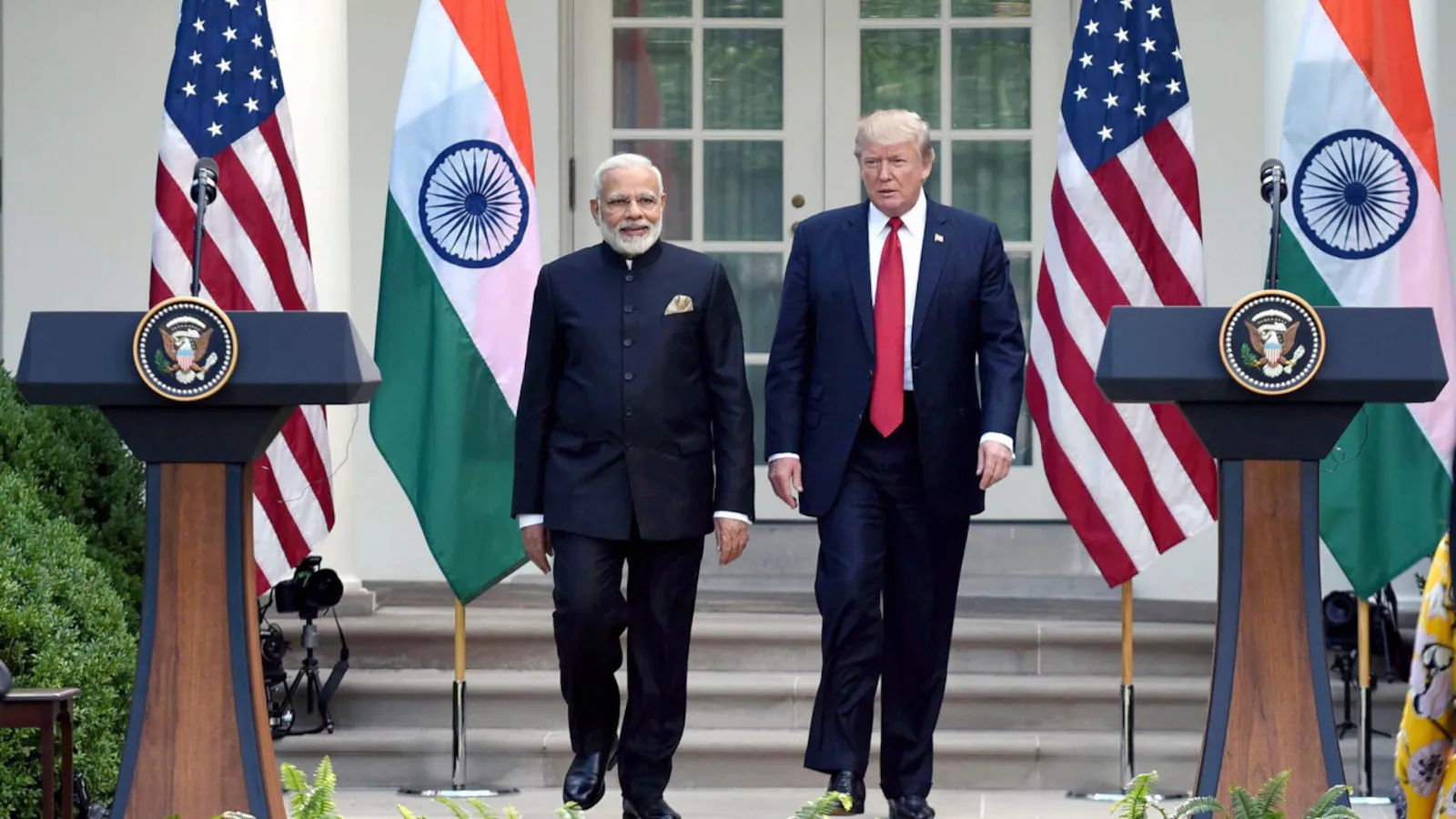
The issue therefore goes beyond crude oil. Any significant escalation could affect the broader economic relationship between India and the United States at a time when the two countries are also working through sensitive trade negotiations.
Will India actually face a 100% tariff?
Not automatically.
This distinction is critical. The newly enacted law gives Trump the authority to impose tariffs of as much as 100% under specified circumstances; it does not itself announce a 100% tariff on Indian products.
The legislation leaves considerable discretion to the US administration over implementation, including determining which countries qualify for the measures, the tariff rates imposed and the products covered.
The law also contains provisions allowing certain sanctions or tariff measures to be waived under specified circumstances, including considerations involving US national interests.
As a result, India's immediate position remains uncertain. The potential tariff is a significant risk, but the final economic impact will depend on what Washington ultimately decides.
What could a 100% tariff mean for Indian exporters?
If the US eventually imposes a very high tariff on Indian goods, the immediate pressure would fall primarily on Indian exporters selling into the American market.
A tariff of 100% would substantially increase the landed cost of affected Indian products in the US, potentially making them less competitive against goods from countries facing lower duties.
The impact would not necessarily be uniform across India's export economy. The consequences would depend on which products are covered, whether exemptions are granted and how long any additional tariff remains in place.
Sectors that rely heavily on the US market could face pressure through higher costs, weaker demand and potential changes in sourcing decisions by American buyers.
The measure could also complicate India's broader trade negotiations with Washington. The possibility of additional tariffs gives the US administration another instrument at a time when the two countries are already negotiating over market access and trade-related issues.
China faces the same tariff risk
India is not the only major economy potentially exposed to the new US sanctions framework.
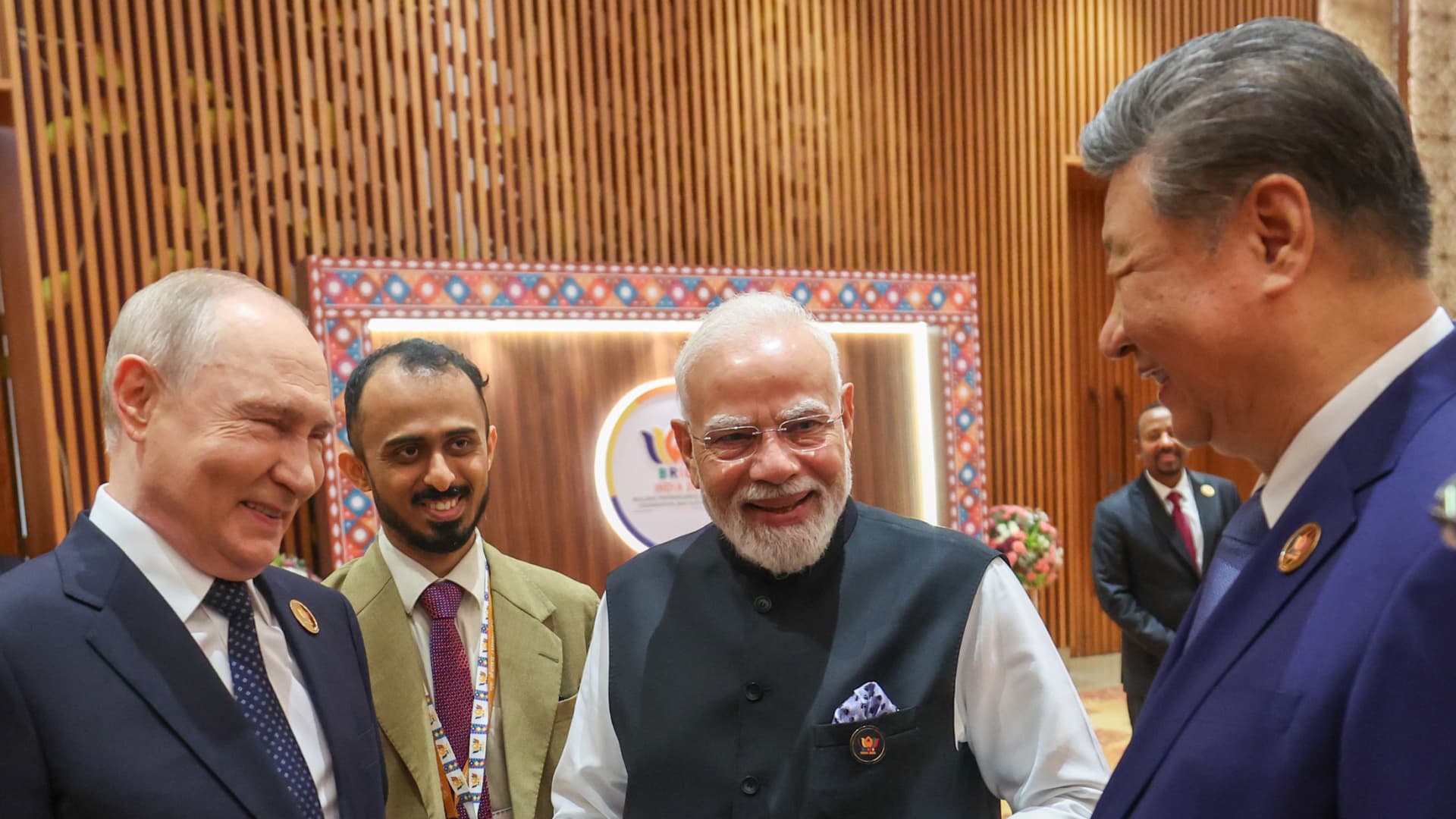
China is the world's largest buyer of Russian crude and has maintained extensive energy ties with Moscow. Beijing has rejected Washington's attempts to use tariffs and sanctions to influence its energy trade, arguing that normal economic cooperation between countries should not be subject to unilateral interference.
The structure of China's Russian energy relationship also differs from India's in important ways. A significant portion of China's Russian energy imports is transported through pipelines across their shared land border, while India's purchases are largely seaborne.
Nevertheless, the new US law places both countries under greater scrutiny because of their substantial Russian energy purchases.
Why Washington is targeting Russian oil buyers
The central objective of the legislation is to reduce the revenue Russia receives from energy exports.
Despite extensive Western sanctions imposed since the beginning of the Ukraine war, Russia has continued earning substantial revenues from oil and gas sales. Countries such as India and China have become important destinations for Russian energy, helping Moscow maintain export volumes even as some Western markets have reduced or eliminated their purchases.
By threatening tariffs against major buyers, Washington is seeking to create an additional economic incentive for countries to reduce their dependence on Russian energy.
The legislation's supporters argue that increasing pressure on Russia's energy revenues could strengthen efforts to end the war in Ukraine. Ukrainian President Volodymyr Zelenskyy has welcomed the sanctions legislation as another tool for increasing pressure on Moscow.
Russia, meanwhile, has criticised additional US sanctions, describing them as unfriendly measures and warning that further restrictions could complicate efforts toward a potential peace settlement.
A new challenge for India-US ties
The new law adds another complication to an already evolving India-US economic relationship.
For New Delhi, the issue involves balancing several competing priorities: maintaining affordable energy supplies, protecting exporters' access to the US market and managing its broader strategic relationship with Washington while retaining flexibility in relations with Moscow.
For the Trump administration, the challenge is equally complex. A tariff of up to 100% could put significant pressure on Russian oil buyers, but imposing such duties on major economies could also disrupt established trade and energy flows.
For now, India has not been subjected to an automatic 100% tariff. The immediate development is instead the creation of a powerful new legal mechanism that Washington can use against major purchasers of Russian energy.
The coming weeks will therefore be crucial. As the law moves toward implementation, India's Russian oil purchases, US trade negotiations and Washington's decisions on which countries and products to target will determine whether the tariff threat remains a negotiating tool or develops into a major new trade barrier for Indian exporters.
With input from agencies
Image Source: Multiple agencies
© Copyright 2026. All Rights Reserved. Powered by Vygr Media.