 By
By 
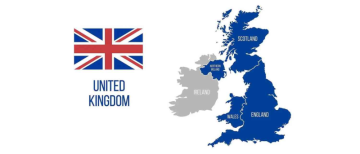
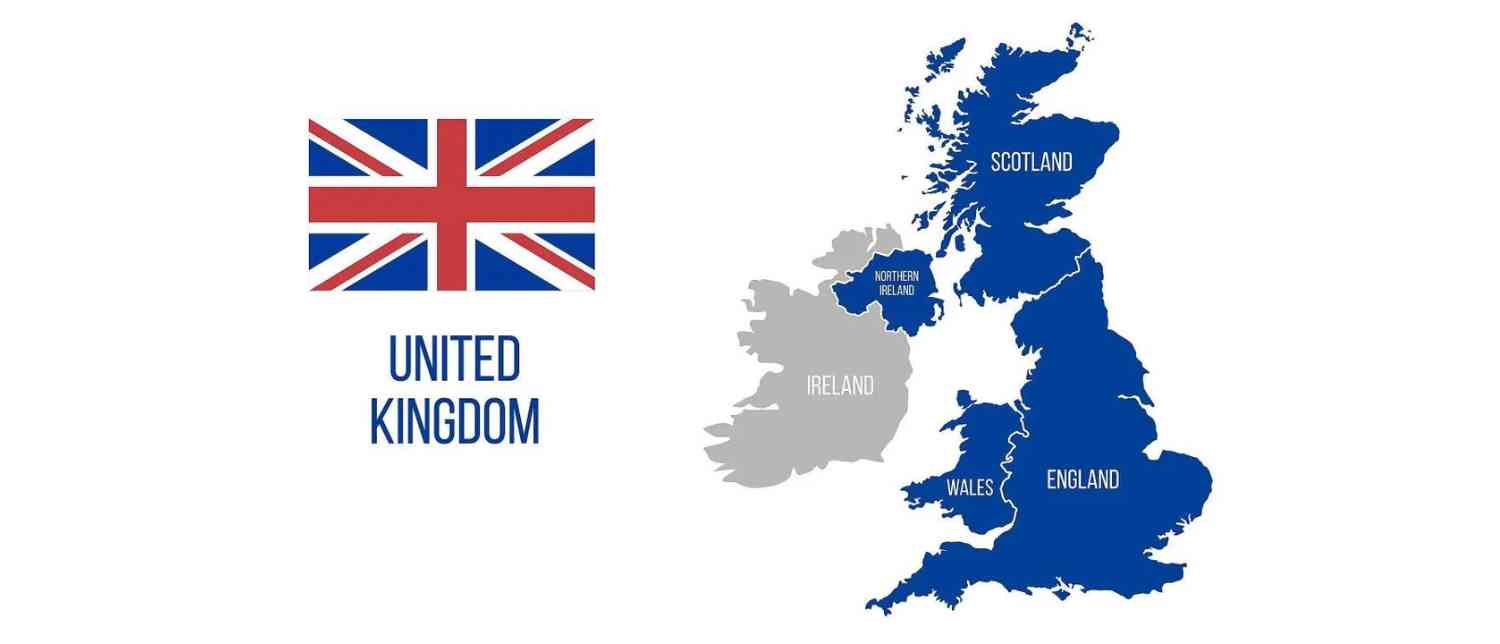
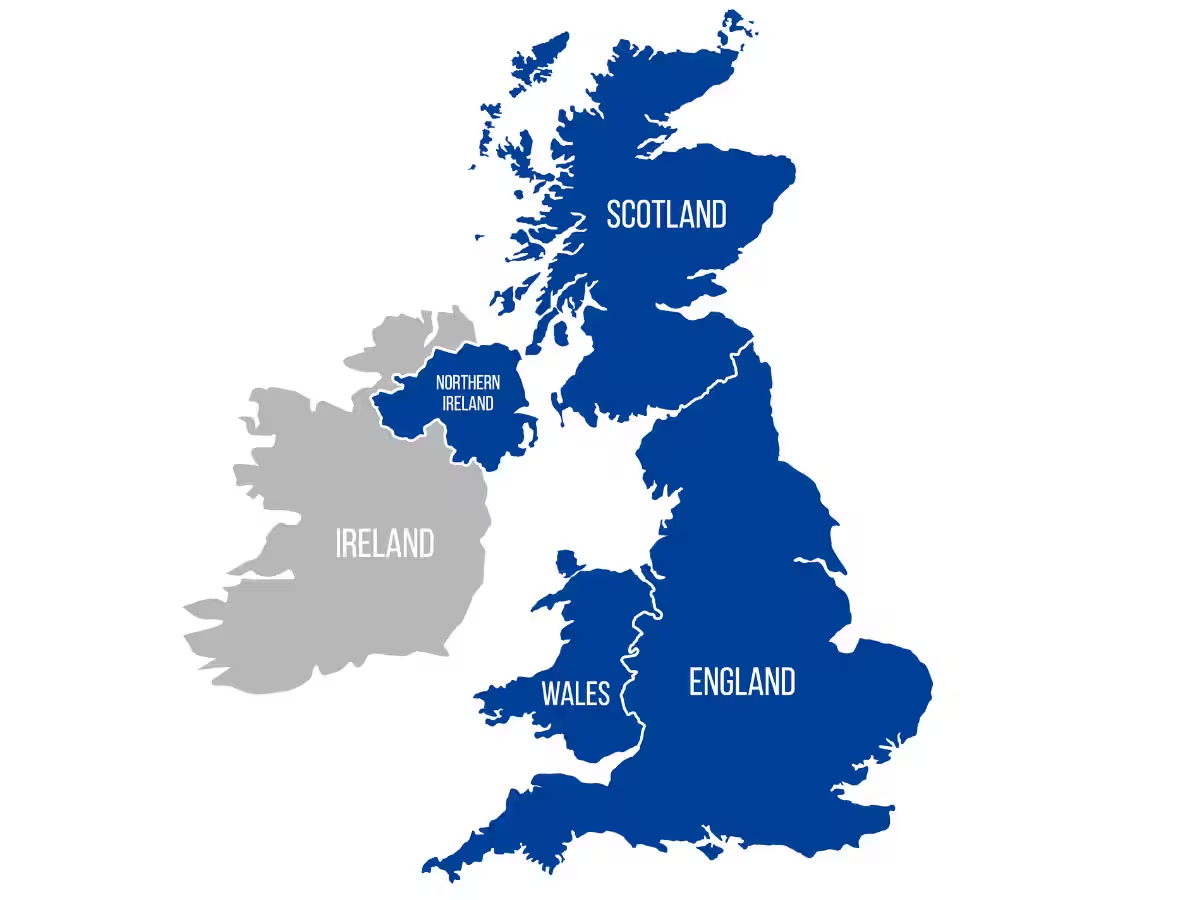
The political map of the United Kingdom is facing one of its most serious tests in decades after the leaders of Scotland, Wales and Northern Ireland joined forces to demand greater self-determination and a path towards constitutional change.
At a summit in Cardiff, the leaders of the three nations signed a memorandum of understanding (MoU) calling for their right to determine their own constitutional futures. The development has intensified questions over whether the United Kingdom could eventually face a breakup, with Scotland and Northern Ireland already pushing more openly for referendums and Wales increasingly demanding greater autonomy.
The move is significant not because the agreement immediately changes the UK's constitutional structure it does not but because pro-independence forces from all three nations have now publicly presented a united political front. The leaders argue that Westminster's increasingly centralised model of governance no longer adequately reflects the political aspirations of Scotland, Wales and Northern Ireland.
The agreement also comes at a politically sensitive moment for Britain. Years after Brexit reshaped the country's relationship with Europe, debates over national identity, devolution and sovereignty have become increasingly prominent. The latest push could therefore turn what were once separate independence campaigns into a broader debate about the future of the United Kingdom itself.
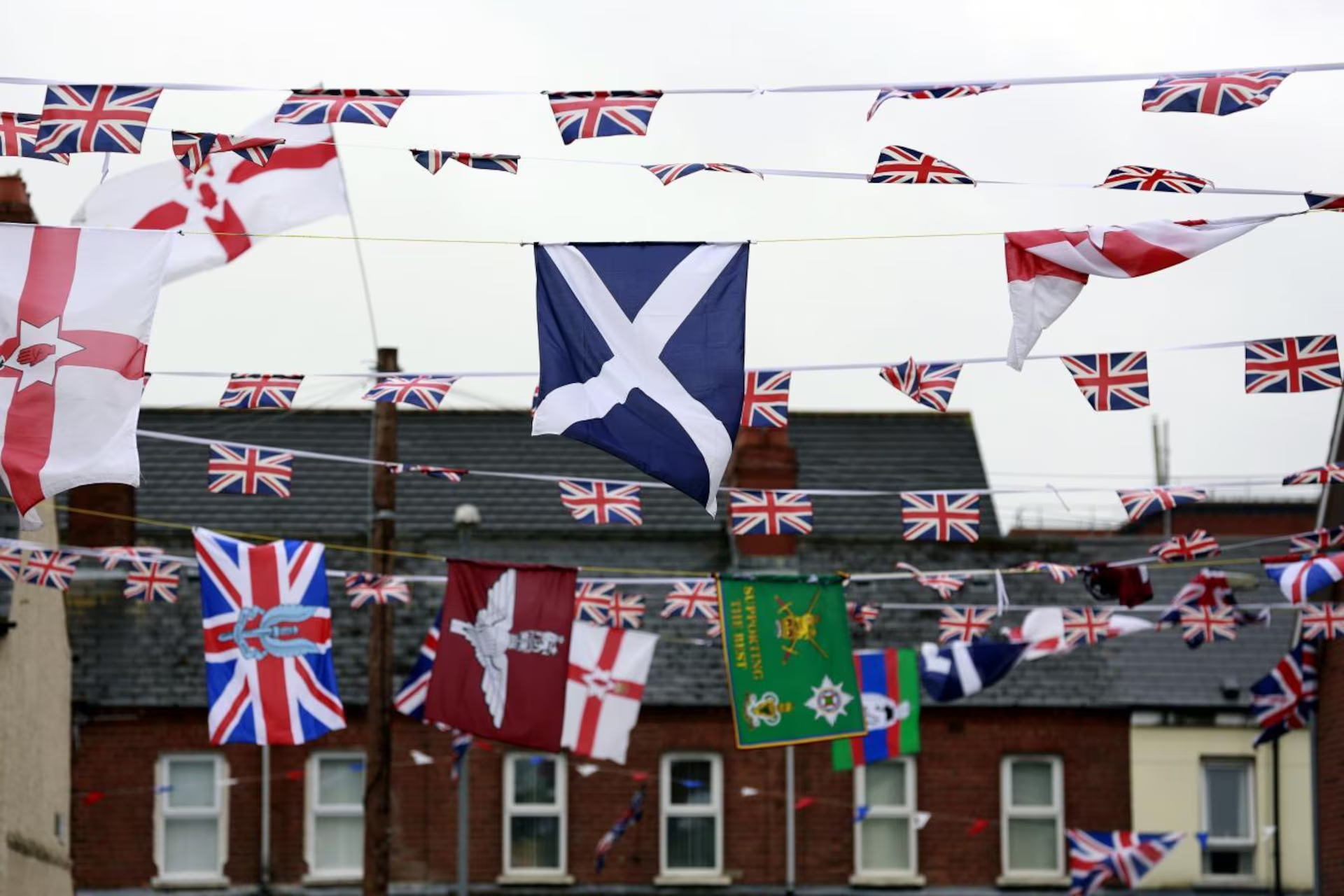
What Happened at the Cardiff Summit?
The summit brought together Scotland's First Minister John Swinney, Wales' First Minister Rhun ap Iorwerth and Northern Ireland's First Minister Michelle O'Neill, alongside representatives of the political movements backing greater national self-determination.
The leaders signed an MoU centred on cooperation and the principle that people in each nation should ultimately have the right to decide their constitutional future.
The language surrounding the meeting was unusually strong. Nationalist leaders argued that the dominance of Westminster was weakening and that the political future of the constituent nations should not be determined exclusively by the UK Parliament.
For the independence movements, the agreement represents an attempt to transform individual campaigns into a wider political movement.
However, it is important to distinguish political symbolism from legal reality. The MoU does not itself give Scotland, Wales or Northern Ireland the legal authority to leave the United Kingdom. It is primarily a political declaration and framework for cooperation. Any actual change in constitutional status would require separate legal and political processes in each nation.
That distinction is crucial because the three nations do not have identical constitutional arrangements.
Why Is Scotland Pushing for Independence Again?
Scotland remains the most prominent independence movement within the UK.
The country held its first modern independence referendum in 2014. Voters ultimately rejected independence, with the unionist side winning by roughly 55% to 45%. But the question never disappeared from Scottish politics.
The UK's subsequent decision to leave the European Union added another layer to the dispute. A majority of Scottish voters backed remaining in the EU during the 2016 Brexit referendum, while the UK as a whole voted to leave.
For Scottish nationalists, Brexit strengthened the argument that Scotland's political choices can be overridden by voters elsewhere in the UK.
The latest campaign is therefore not simply a repeat of 2014. Supporters of independence increasingly frame the issue around democratic self-determination, European alignment and the ability of Scotland to make its own economic and political decisions.
Swinney has indicated that a second independence referendum should take place during the coming years, with the SNP targeting the early 2030s. Recent polling has also suggested that the independence question remains closely contested rather than decisively settled in favour of either side.
But Scotland faces a major legal obstacle.
Under the UK's current constitutional arrangements, the Scottish Parliament cannot simply organise a legally binding independence referendum on its own. The UK Supreme Court has previously ruled that legislation for such a referendum falls within matters reserved to Westminster.
A Scottish parliamentary committee has also concluded that, under the existing constitutional framework, a referendum would require authority from the UK Parliament, either through legislation or an appropriate transfer of powers.
That means Scotland's independence campaign faces a fundamental political question: Can pressure from Scottish voters force Westminster to agree to another referendum?
That remains unresolved.
Northern Ireland Has a Different Route
Northern Ireland's position is fundamentally different from Scotland's.
Unlike Scotland and Wales, Northern Ireland has an established legal mechanism governing a potential change in its constitutional status.
Under the Good Friday Agreement and the Northern Ireland Act, a border poll can be held when the relevant UK authorities believe there is likely to be majority support for Northern Ireland leaving the UK and joining a united Ireland.
If such a vote were held and a majority supported Irish reunification, the constitutional status of Northern Ireland would change.
This gives Northern Ireland a clearer legal pathway than Scotland or Wales.
Sinn Féin has been increasingly vocal about the possibility of a future border poll, with its leadership arguing that preparations for constitutional change should begin rather than waiting until the issue becomes unavoidable.
The debate has gained additional international attention following recent comments by US President Donald Trump supporting the prospect of Irish reunification. The British government, however, has maintained that its position has not changed and that any decision on a border poll would depend on the required evidence of public support.
Northern Ireland's political landscape makes the issue particularly sensitive because constitutional preferences remain deeply divided between unionists who want to remain part of the UK and nationalists who favour a united Ireland.
Consequently, even if calls for a border poll become louder, that does not mean reunification is imminent.
Wales Joins the Independence Debate
Wales presents perhaps the most surprising element of the latest alliance.
For decades, Welsh nationalism existed on a smaller political scale than Scottish nationalism. While Plaid Cymru has consistently advocated greater Welsh self-government, outright independence has not commanded the same level of support seen in Scotland.
That may be changing.
Rhun ap Iorwerth and Plaid Cymru have increasingly challenged the existing relationship between Wales and Westminster, arguing that Wales should have significantly greater control over its economic and political affairs.
However, the Welsh leadership has been more cautious than its Scottish and Northern Irish counterparts when it comes to immediately demanding an independence referendum.
Instead, the emphasis has also been on strengthening devolution and expanding Wales' powers.
Recent polling indicates that independence support in Wales remains lower than in Scotland, but the fact that Wales now has a government leadership openly participating in a joint constitutional initiative marks a notable shift.
The Welsh question therefore may not be simply about whether Wales becomes an independent country.
It could also be about whether the UK needs a new constitutional settlement that gives its constituent nations substantially greater autonomy.
Is the United Kingdom Really Heading for a Breakup?
The latest developments have naturally triggered dramatic predictions about the UK's future.
But saying that Britain is about to split into separate countries would be premature.
The MoU is politically significant, but it does not automatically initiate the breakup of the United Kingdom.
Scotland would require a legally recognised referendum or another lawful constitutional route. Wales currently has no equivalent automatic legal mechanism for independence. Northern Ireland has a specific pathway towards Irish unity, but even there, a border poll depends on the statutory conditions being met.
There are also practical questions that would become extremely complicated in the event of separation.
These include currency, national debt, defence, trade, pensions, borders, energy, public finances and the division of state assets.
Scotland's potential relationship with the European Union would also be a major issue, particularly because an independent Scotland would have to negotiate its own international position.
Northern Ireland presents an entirely different challenge because Irish reunification would involve the relationship between two jurisdictions and the delicate political balance created by the Good Friday Agreement.
Wales would face its own economic and institutional questions.
In other words, declaring political support for independence is considerably easier than creating three functioning sovereign states.
Brexit Still Casts a Long Shadow
One factor connects many of the current constitutional debates: Brexit.
The UK's departure from the European Union fundamentally changed the political argument about sovereignty.
Brexit supporters originally presented leaving the EU as a restoration of national independence. But within Scotland and parts of Northern Ireland, the result generated an opposing argument that sovereignty should instead be exercised at a regional or national level.
Scotland's pro-independence movement has repeatedly pointed to the fact that Scottish voters did not choose Brexit.
For Northern Ireland, Brexit also raised questions about the Irish border and the practical consequences of the UK's departure from the EU.
The result is that Britain's debate over sovereignty has become more complicated than a simple choice between the UK and Europe.
It now involves multiple levels of identity and political authority: British, Scottish, Welsh, Northern Irish, Irish and European.
The Cardiff summit brings those competing identities into the same political conversation.
Westminster Faces a Growing Constitutional Challenge
The most immediate challenge for the UK government is not that Scotland, Wales or Northern Ireland can suddenly declare independence.
It is that the political demand for greater autonomy is becoming harder to ignore.
For decades, Westminster has remained the central institution of British political power. Devolution created separate governments and legislatures in Edinburgh, Cardiff and Belfast, but significant powers remain with the UK Parliament.
Nationalist leaders argue that this arrangement creates a democratic imbalance.
Their position is essentially that decisions affecting Scotland, Wales and Northern Ireland should be made as close to their populations as possible.
The UK government, however, has resisted the idea that political pressure alone should automatically trigger constitutional referendums.
The current government has emphasised economic issues and public priorities rather than opening an immediate debate over the dissolution of the Union. It has also indicated that referendums cannot simply be demanded by devolved governments without Westminster's involvement.
That sets up a potentially prolonged confrontation.
Nationalist parties can continue building political support and seeking mandates, while Westminster can continue arguing that constitutional change requires a broader and legally recognised process.
Could the UK Become a Different Kind of Union?
Interestingly, independence may not be the only possible outcome.
The growing pressure could eventually revive calls for a federal UK, in which Scotland, Wales, Northern Ireland and England receive clearly defined constitutional powers.
Such a system could potentially give the constituent nations greater autonomy while preserving a common state.
Supporters of this approach argue that it could address some of the grievances driving independence campaigns without dismantling the Union.
But nationalist parties are unlikely to abandon independence simply because federalism is proposed.
For them, the central question is not only how much power Westminster should transfer. It is whether Westminster should ultimately have the authority to decide the constitutional future of nations that increasingly want to determine that future themselves.
What Happens Next?
The immediate impact of the Cardiff agreement is likely to be political rather than constitutional.
Scotland's independence campaign will continue pushing for a second referendum.
Northern Irish nationalists will continue making the case for preparations for a possible border poll.
Wales is likely to focus on expanding devolution while keeping independence within the wider constitutional debate.
The three movements are also expected to deepen cooperation on areas such as economic development, energy, international engagement and social policy.
Whether that cooperation can translate into sustained public support remains the bigger question.
Independence ultimately cannot be achieved simply through agreements between political parties. It requires public consent, legal mechanisms and, in Scotland and Wales, a constitutional process that currently depends heavily on Westminster.
That makes the road ahead uncertain.
A United Kingdom at a Constitutional Crossroads
The United Kingdom is not breaking apart today. But something important has changed.
For the first time in years, the independence movements of Scotland, Wales and Northern Ireland are being presented within a shared political framework.
Their goals are not identical, their legal routes are different and public opinion remains divided. Yet they share a common belief that the existing balance of power between Westminster and the UK's constituent nations needs to change.
The Cardiff summit has therefore done more than produce another political declaration. It has placed the future of the Union firmly back on the British political agenda.
The central question is no longer simply whether Scotland wants independence, whether Wales wants more powers or whether Northern Ireland could eventually unite with Ireland.
It is whether the United Kingdom, as it currently exists, can continue to satisfy the competing national identities and democratic expectations within its borders.
For now, the Union remains intact.
But the political argument over what comes next has entered a new and potentially decisive phase.
With input from agencies
Image Source: Multiple agencies
© Copyright 2026. All Rights Reserved. Powered by Vygr Media.