
 By

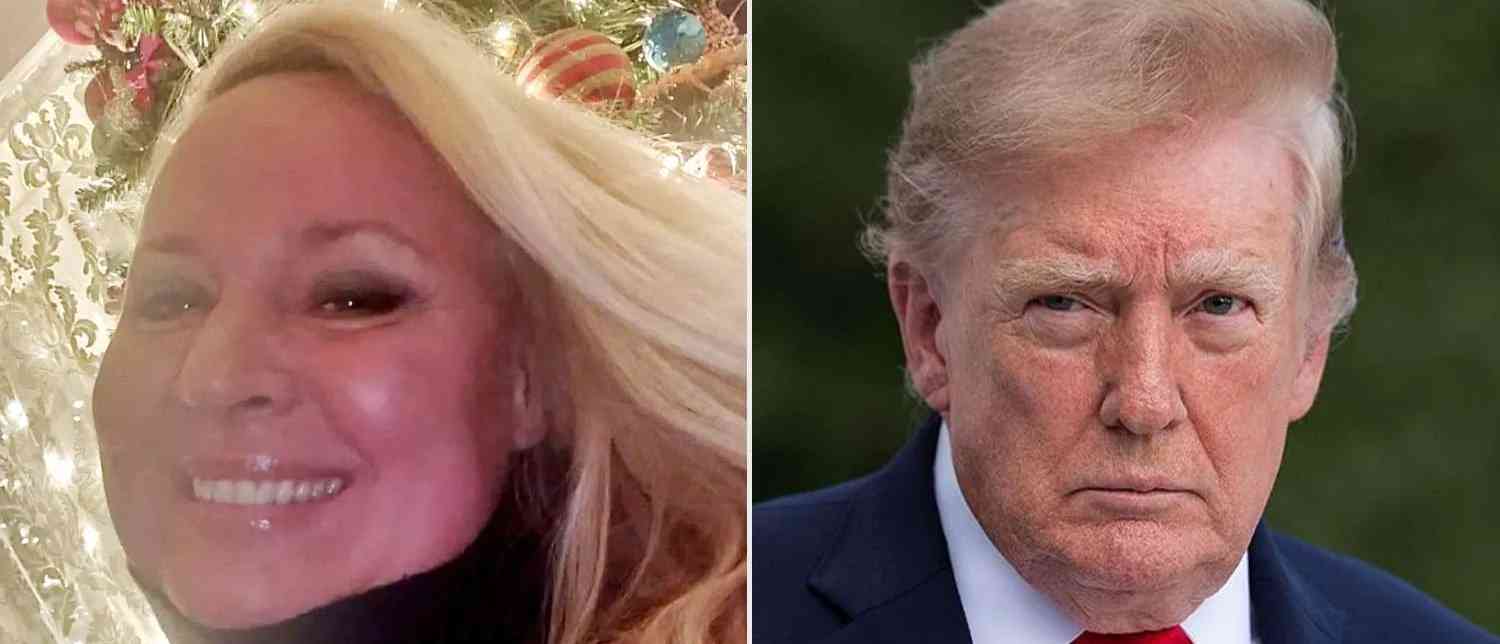
A decades-old allegation against US President Donald Trump has returned to the political spotlight after former Miss Switzerland contestant Beatrice Keul alleged that Trump raped her at New York’s Plaza Hotel in November 1993. The allegation appears in a report released by Democrats on the House Judiciary Committee examining Trump’s alleged connections to convicted sex offender Jeffrey Epstein and the broader circumstances surrounding their past associations.
Keul, who was 24 at the time of the alleged incident, told congressional staff that she was subjected to a violent sexual assault after attending a beauty pageant event connected to Trump. According to the account presented in the report, the alleged assault left her bleeding and bruised, while her dress was torn. She also alleged that Trump subsequently pressured her to remain silent.
The White House has categorically denied the allegations, describing them as untrue and dismissing the report as a politically motivated attack. Trump has not been charged with a crime in connection with Keul’s allegations.
The disclosure has nevertheless reignited questions about the former model’s account, the circumstances in which she met Trump, and the wider controversy surrounding his past association with Epstein. It has also placed renewed attention on the role of beauty pageants, promises of professional opportunities and the power imbalances that can arise when aspiring models interact with influential figures.
The allegations remain unproven, and the account presented in the congressional report has not been independently verified by all parties involved.
What Did Beatrice Keul Allege About Donald Trump?
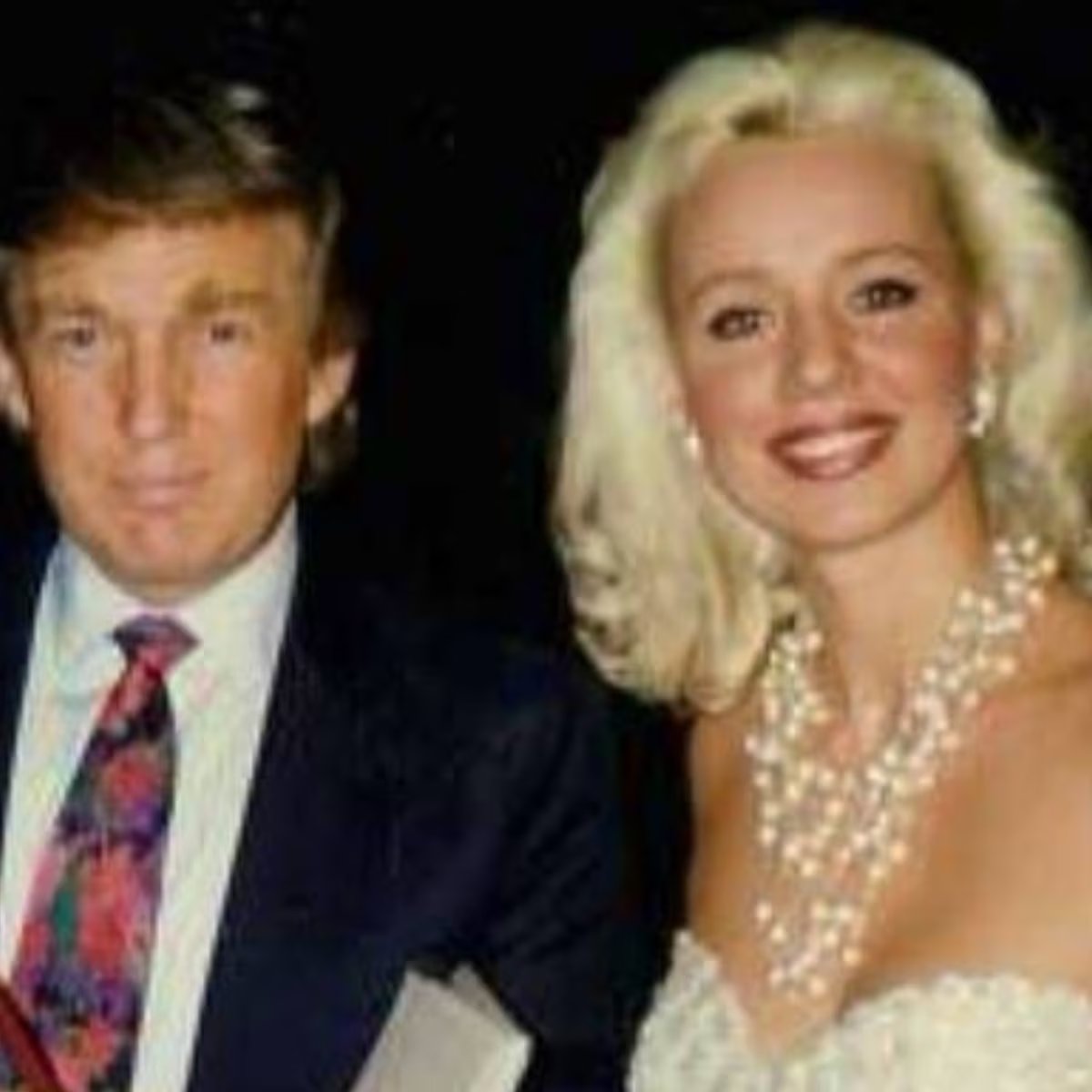
According to the congressional report, Keul alleged that Trump raped her inside a suite at the Plaza Hotel in November 1993, when he owned the property.
At the time, Keul was a Swiss model who also worked in financial services. She had travelled to the United States to participate in the American Dream Pageant, an event associated with Trump that brought together young women seeking opportunities in modelling and related fields.
Her account describes an encounter that allegedly began with professional promises and ended in a traumatic incident.
Keul said Trump approached her during a press luncheon at the Plaza Hotel. During their conversation, he allegedly offered to help her obtain a US visa and secure admission to New York University (NYU). According to her account, these assurances suggested that he could use his connections to help advance her education and future career.
Later that day, a representative associated with Trump allegedly invited Keul to meet him upstairs at the hotel. Believing the meeting could help her pursue the opportunities that had been discussed, she agreed to go.
Keul told congressional staff that Trump then grabbed her from behind and forcibly raped her after she entered the suite. The report describes her allegations of physical injuries, including bleeding and bruising, and damage to her dress.
She characterised the alleged assault as brutal.
These details have drawn considerable attention because the account goes beyond a general allegation of sexual misconduct and describes a specific location, approximate date and sequence of events. However, the publication of an allegation in a congressional report does not, by itself, establish that the alleged conduct occurred.
Keul’s claims have not resulted in criminal charges against Trump, and the White House has rejected them.
The Alleged Aftermath: Silence, Fear and Unfulfilled Promises
Keul’s account also describes what she says happened immediately after the alleged assault.
According to the report, Trump allegedly repeated his promises to help her with a visa and university admission. She further alleged that he made her promise not to disclose the incident, reportedly telling her that “the show must go on.”
The phrase, as presented in the account, has become one of the most widely discussed details of the allegation because of its connection to the pageant environment in which the encounter allegedly occurred.
Keul reportedly completed the event while in a state of fear and distress. She also said that her passport had been taken from her when she arrived, leaving her concerned about the consequences of attempting to leave before the competition ended.
The account raises questions about the position of a young international contestant navigating an unfamiliar environment while depending on event organisers and influential individuals for travel arrangements and potential professional opportunities.
According to the report, Keul subsequently returned to Switzerland and declined to participate in another Trump-sponsored pageant in Hawaii several weeks later.
Several months after the alleged incident, Trump reportedly contacted her in Switzerland and again offered assistance with obtaining a visa and gaining admission to NYU. Keul said she declined the offer.
The available reporting does not independently establish every detail of the alleged encounter or its aftermath. Nevertheless, the chronology described in the report provides the central basis for understanding why the allegations have attracted renewed scrutiny more than three decades after the events in question.
How Jeffrey Epstein Figures Into the Allegations
The renewed controversy is closely connected to the wider examination of Trump’s past association with Jeffrey Epstein.
Epstein, a wealthy financier who was convicted of sex offences and later faced federal sex-trafficking charges, maintained relationships with prominent people across business, politics and entertainment. He died in federal custody in 2019 while awaiting trial on federal sex-trafficking charges; his death was ruled a suicide.
Keul alleged that she also encountered Epstein during the pageant-related event in November 1993.
According to her account, Epstein approached her after her conversation with Trump and introduced himself as a close friend of Trump. She said he discussed helping her with opportunities in the United States and invited her to attend a party at Trump’s Mar-a-Lago estate.
Epstein allegedly told her that he and Trump organised numerous parties together. This detail has attracted attention because it offers a glimpse into the social environment Keul says she encountered during the event.
The House Judiciary Democrats’ report examines these allegations alongside broader questions about Trump’s association with Epstein. It also draws comparisons between the alleged promises of educational and career assistance made to Keul and accounts of Epstein using similar opportunities to establish relationships with women and girls.
Those comparisons form part of the report’s argument; they should not be mistaken for independent proof that every alleged interaction occurred as described.
Trump has previously maintained that he ended his association with Epstein before the latter’s criminal conduct became widely known. The White House has also said that Trump removed Epstein from his Mar-a-Lago club because of his behaviour and maintains that the president has been cleared of wrongdoing connected to Epstein.
The central question is therefore not simply whether the two men knew each other. It is what the available evidence establishes about their interactions, the circumstances surrounding those relationships and any alleged misconduct.
An association between individuals, on its own, does not establish participation in another person’s crimes. The allegations concerning Keul and the broader Epstein controversy must be assessed on their respective evidence.
What Does the House Judiciary Democrats’ Report Reveal?
The report has brought renewed attention to allegations that had previously received less detailed public examination.
According to the published account, the document includes details from Keul’s interviews with congressional staff and presents her allegation that the incident at the Plaza Hotel constituted rape. Earlier public accounts had focused on allegations of groping, while the newly reported testimony provides a more extensive description of the alleged assault.
The report also examines the circumstances in which Keul attended the pageant and the alleged offers of assistance involving a US visa and university admission.
Beyond her account, the document refers to other allegations of sexual misconduct involving Trump, including a lawsuit filed in 1997 by Jill Harth. Such material is presented as part of the committee Democrats’ broader examination of the president’s past conduct and connections.
However, the report was released by Democrats on the House Judiciary Committee. Its findings and arguments should therefore be understood in the context of a partisan congressional investigation, rather than treated as a judicial ruling or criminal conviction.
The distinction matters. Congressional reports can bring allegations and documentary material into public view, raise questions for further investigation and contribute to political oversight. They do not automatically determine criminal liability.
Keul’s account is significant because it adds a specific allegation to an already contentious public debate. Whether additional evidence corroborates her account remains a separate question.
Who Is Beatrice Keul, the Former Miss Switzerland Contestant?
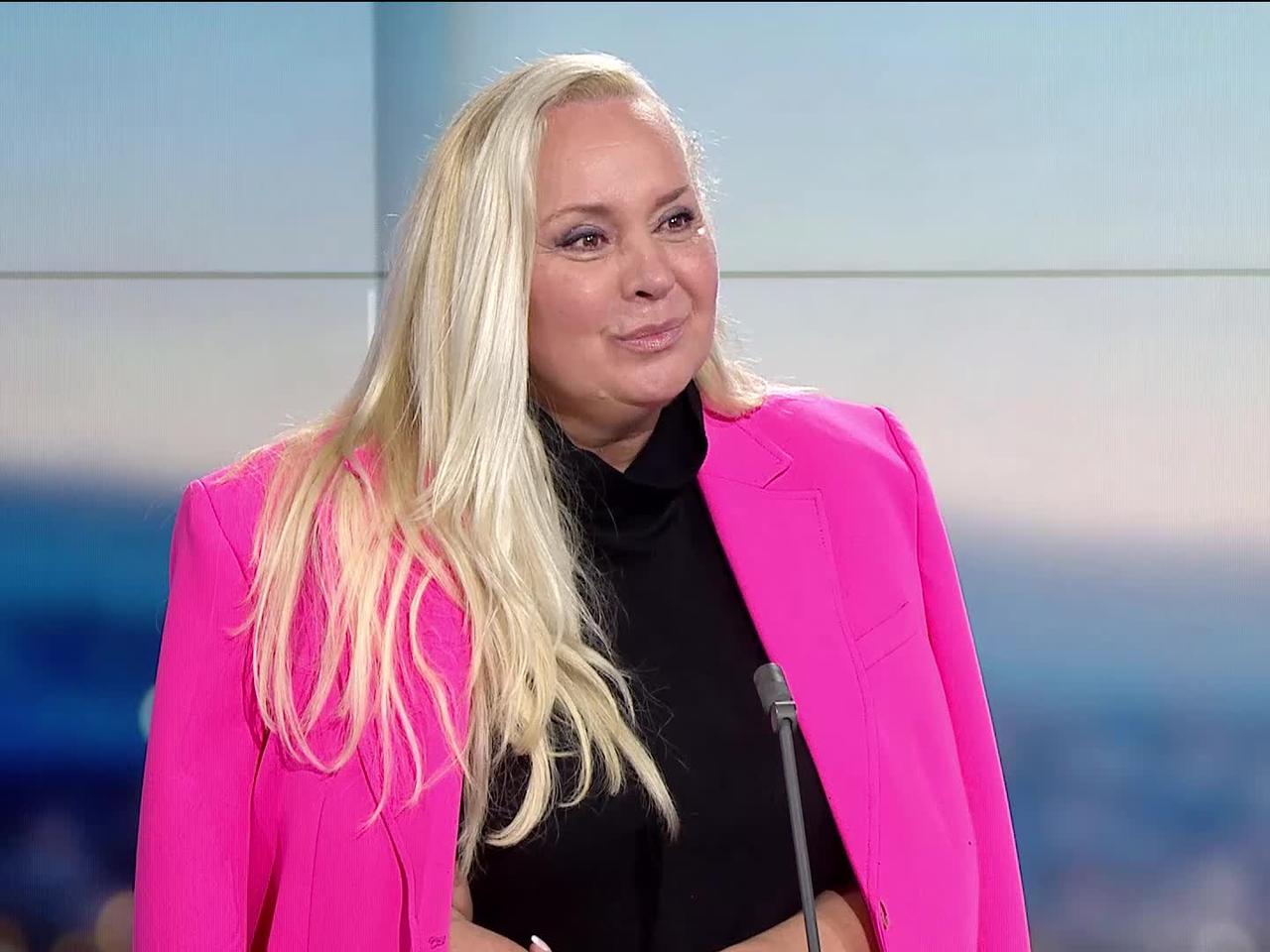
Beatrice Keul is described in the reporting as a former Miss Switzerland contestant, model and financial services professional.
In November 1993, she travelled to the United States to participate in the American Dream Pageant, an event associated with Trump and designed to attract young women interested in beauty competitions and modelling opportunities.
Her participation brought her into contact with people who, according to her account, offered access to professional advancement, education and opportunities in the United States.
Keul’s background is relevant to understanding the circumstances she describes. She was not merely attending a private social gathering, according to the report; she was participating in an event connected to potential career development.
Her allegation centres partly on the promises she says were made during the pageant and her belief that meeting Trump could help her future prospects.
The reporting also states that she declined to attend a subsequent Trump-sponsored pageant in Hawaii and later rejected another offer of assistance.
Beyond these details, publicly available information about Keul’s life and professional trajectory is limited. It would therefore be inappropriate to make assumptions about her motives, personal experiences or the full impact of the alleged incident.
Her account deserves careful examination on its stated merits, just as any response from the accused and any corroborating or contradictory evidence should be considered.
The White House Responds: Trump Denies the Allegations
The White House has strongly rejected Keul’s allegations.
In a statement reported following the release of the congressional document, White House spokeswoman Lauren Bis said the allegations were untrue and characterised the report as an attempt by Democrats to distract the public from the administration’s political momentum.
The statement also reiterated the administration’s position that Trump had removed Epstein from his Mar-a-Lago club because of his behaviour and had been fully exonerated in matters relating to Epstein.
The denial places the allegation within a wider political dispute over how Trump’s past relationships and the Epstein investigation are being examined.
For Trump’s critics, the new report raises questions about whether allegations involving powerful individuals have received sufficient scrutiny. For his defenders, the partisan origin of the document is a reason to examine its claims carefully rather than accept them as established facts.
Neither political argument resolves the underlying factual questions.
Keul has made a serious allegation involving a specific historical event. Trump has denied wrongdoing through the White House response. At present, the available reporting does not establish a criminal finding against him arising from her account.
The absence of criminal charges in this matter should not be presented as proof that the allegation is false, just as the allegation itself should not be presented as proof of guilt.
A Wider Pattern of Sexual Misconduct Allegations
Keul’s allegations have also renewed attention to previous accusations of sexual misconduct involving Trump.
One prominent case involved writer E. Jean Carroll, who accused Trump of raping her in a New York department store in the 1990s. Trump denied her allegations. In a separate civil case, a jury found Trump liable for sexual abuse and defamation, and subsequent proceedings addressed damages.
That case is legally distinct from Keul’s allegations and should not be treated as a determination of the truth of the newly reported account.
Nevertheless, the existence of earlier allegations and legal proceedings has contributed to public interest in claims concerning Trump’s conduct toward women.
The broader discussion also touches on the dynamics of power in industries where aspiring professionals may depend on influential figures for introductions, employment, education or international opportunities.
Beauty pageants and modelling events can place contestants in contact with organisers, sponsors and business leaders who have considerable influence over their prospects. When allegations of abuse arise in such settings, questions about safeguards, accountability and the ability to refuse or leave an encounter become particularly important.
These broader concerns can be discussed without assuming that every allegation is proven or that every person associated with an event engaged in wrongdoing.
The legal and factual status of each claim must remain clear.
What Happens Next in the Trump–Epstein Controversy?
The publication of the report has intensified attention on the relationship between Trump and Epstein, as well as on the handling of allegations involving prominent political figures.
Further scrutiny could focus on whether contemporaneous records, photographs, communications, travel documents or witness accounts support or contradict the details Keul provided. The existence and significance of any such evidence would need to be established rather than presumed.
Questions may also arise about the extent of the congressional investigation, the material available to lawmakers and whether additional information will emerge from the wider examination of Epstein-related records.
At the same time, the political implications are likely to remain substantial. Allegations involving a sitting US president can influence public debate, intensify partisan divisions and generate demands for greater transparency.
Yet political consequences and legal conclusions are not interchangeable. Public attention does not establish guilt, and a forceful denial does not independently settle disputed facts.
For now, the principal development is that Keul’s detailed account has been presented in a congressional Democrats’ report, prompting renewed examination of an alleged 1993 incident that had not previously received the same level of public attention.
Trump has not been charged with a crime in connection with Keul’s allegations, and the White House continues to deny them.
Story so far
The allegations made by former Miss Switzerland contestant Beatrice Keul have reopened a sensitive chapter in the continuing controversy surrounding Donald Trump and Jeffrey Epstein.
Keul alleges that Trump raped her at the Plaza Hotel in November 1993 after a pageant-related meeting in which she says he offered to help her obtain a US visa and gain admission to New York University. She also alleges that Epstein approached her during the same event and described himself as a close friend of Trump.
The House Judiciary Democrats’ report has brought these claims into renewed public focus, outlining the alleged assault, its reported aftermath and the broader questions investigators are examining about Trump’s past associations.
The White House has categorically denied the allegations, and no criminal charge has been brought against Trump in connection with Keul’s account.
The next stage of public scrutiny will depend on the evidence available, the responses from the people involved and whether further independently verifiable information emerges.
Until then, the story demands both serious attention and careful reporting: the allegations must not be dismissed merely because they are politically contentious, but neither should they be treated as proven facts before the evidence establishes what happened.
As the debate over the Epstein investigation continues, the distinction between allegations, corroboration and legal findings will remain essential to understanding the case and its potential implications.
© Copyright 2026. All Rights Reserved. Powered by Vygr Media.