 By

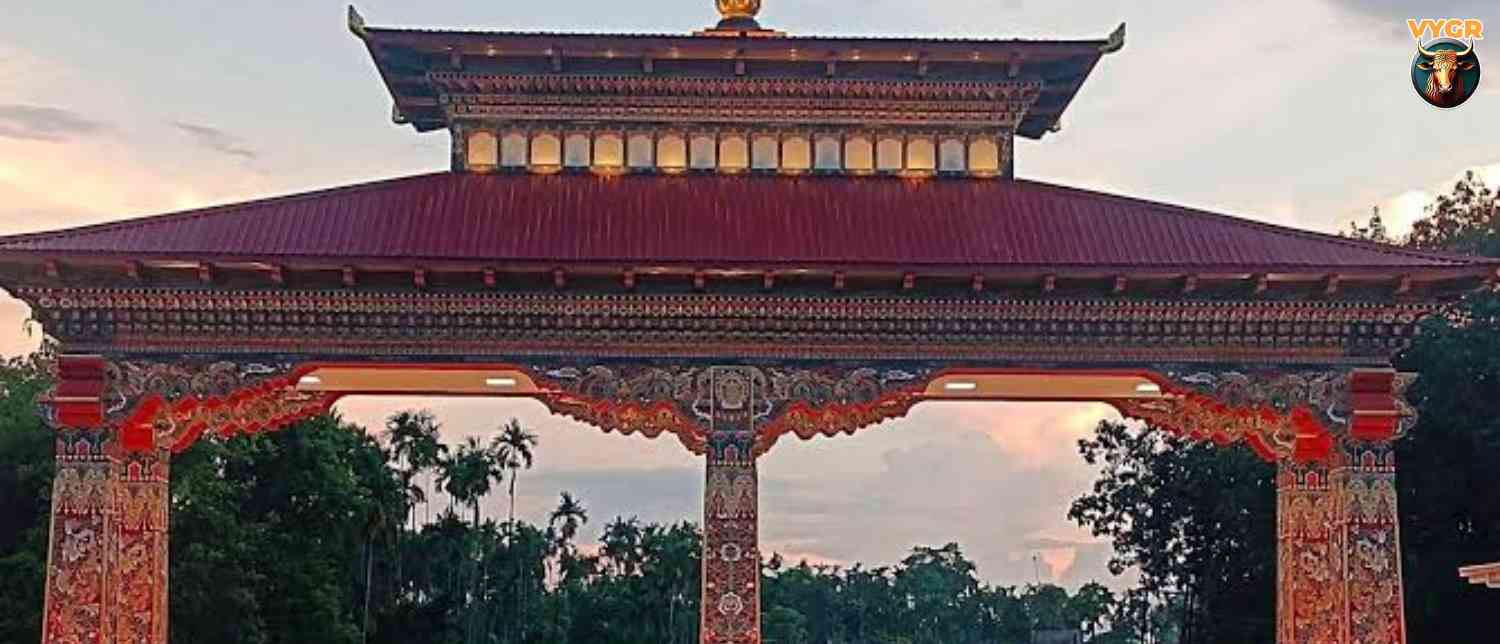
Gelephu: Crossing the India-Bhutan border at Gelephu is about to get faster. A new pedestrian immigration terminal with biometric e-gates opened on Thursday at Gelephu Mindfulness City, letting eligible travellers clear immigration with a face scan instead of repeated paperwork.
How it works
The e-gates compare a traveller’s face with biometric records registered in advance. Eligible Bhutanese and Indian nationals can pass through automatically, without handing over documents at a counter. Anyone without registered biometrics will have to use the staffed counters, which remain open.
Residents said the old routine was tedious. Travellers had to go through the same immigration process every time they entered or left the gate. Now the machines recognise a face and retrieve the person’s information automatically.
Why Gelephu
Gelephu Mindfulness City is a special administrative region that Bhutan is developing as an economic hub, with plans that include an international airport. The city’s governor, Dasho Dr Lotay Tshering, said the terminal supports the growing movement of people between Gelephu and neighbouring India. He added that it will help keep records of cross-border movement and strengthen security by making it easier to monitor who crosses.
A fee is planned
Bhutanese authorities have indicated a planned entry-and-exit charge for using the terminal. No amount or start date has been announced.
A wider push to modernise the border
Gelephu isn’t the first crossing to go automated. Bhutan inaugurated e-gates at the Phuentsholing pedestrian terminal in February 2025 with ten gates for entry and eight for exit. That terminal opposite Jaigaon in West Bengal is Bhutan’s busiest land crossing and handles an average of about 15,000 visitors a day. Authorities have said they plan to extend automated clearance to other crossings.
Rail links to follow
The terminal comes as India and Bhutan advance their first cross-border railway connections. They were announced in September 2025, when the two governments signed an intergovernmental MoU. The two lines are:
- Kokrajhar (Assam) to Gelephu: about 69 km, with six stations and 29 major bridges, and an estimated four years to build. Only about 2.4 km lies inside Bhutan.
- Banarhat (West Bengal) to Samtse: about 20 km, with two stations, costing ₹577 crore, expected to take about three years. About 2.1 km lies in Bhutan.
Together, the two lines come to about 89 km of new track and roughly ₹4,033 crore. Indian Railways is paying for the work inside India, while India’s Ministry of External Affairs is funding the Bhutanese portion under the ₹10,000 crore support package for Bhutan’s 13th Five-Year Plan (2024–29).
Railways Minister Ashwini Vaishnaw said Gelephu will anchor a mindfulness city meant to connect Bhutan with South Asia and Southeast Asia, while Samtse is emerging as an industrial town for exports. India is Bhutan’s largest trading partner, and most of Bhutan’s trade moves through Indian ports, so a rail link gives Bhutan access to the wider Indian network.
What to watch
How much time the e-gates save will depend on how many people register their biometrics, how reliably the gates work and how many people use them. For now, the promise is a smoother crossing for registered travellers at a border that carries both people and the bulk of Bhutan’s trade.
© Copyright 2026. All Rights Reserved. Powered by Vygr Media.