 By

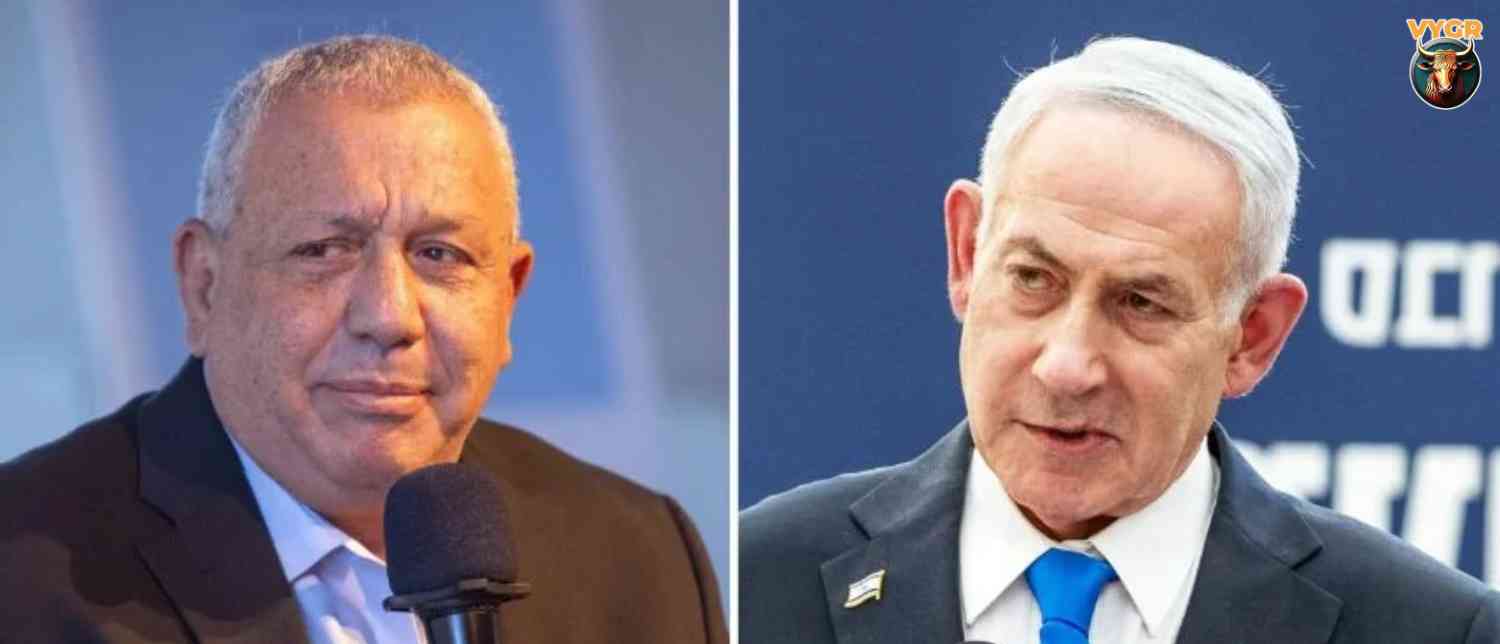
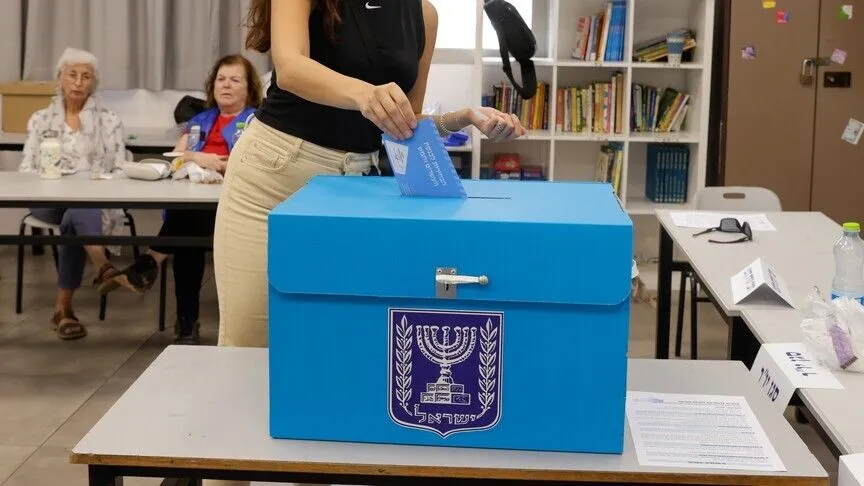
Jerusalem: Israelis vote on Tuesday, October 27, in an election that could end Benjamin Netanyahu’s long run as prime minister or leave him clinging to power through weeks of coalition bargaining. Final polls show the former military chief Gadi Eisenkot’s new Yashar party ahead of Netanyahu’s Likud, but neither the opposition nor Netanyahu’s allies is projected to reach the 61 seats needed to govern.
How the vote works
About 7.3 million Israelis are eligible to vote for the 120-seat Knesset. They vote for party lists, not for a prime minister. A party needs at least 3.25 per cent of the vote, roughly four seats, to enter the Knesset, and several small parties are polling near that line. Polls close at 10 pm Israel time, when television channels publish exit polls, and official results are due on November 4. After the vote, the president invites the lawmaker with the best chance of assembling a majority, who need not lead the largest party.
What the final polls say
Three television polls published on Friday gave Netanyahu’s right-wing and religious bloc exactly 50 seats each. They gave the opposition “change bloc” between 52 and 56, and Arab-led parties 14 to 16, which neither bloc counts. A final Maariv poll gave the opposition 54 seats to Netanyahu’s 48, with Yashar on 21.
- Yashar has generally polled between 20 and 24 seats, with one poll as high as 26.
- Bennett’s Together (B’Yachad) alliance is third, on roughly 14 to 15.
- Channel 14 is the outlier, putting Likud at 30 and Netanyahu’s bloc at 62. Some analysts say right-wing voters have historically been under-counted, so a Netanyahu surprise isn’t out of the question.
The two camps
Netanyahu’s bloc: Likud, Itamar Ben-Gvir’s Otzma Yehudit, Bezalel Smotrich’s Religious Zionism, and the Haredi parties Shas and United Torah Judaism. Netanyahu is campaigning on preserving security gains after October 7 and opposes a Palestinian state and Palestinian Authority control of Gaza. His coalition spent much of its term under strain, mainly over Haredi military conscription, and the Knesset dissolved on July 17. Smotrich’s party has polled close to the threshold, which is a risk for the bloc.
The opposition: Eisenkot, 66, a former IDF chief of staff, left Benny Gantz’s National Unity in 2025 and founded Yashar. He polled in single digits a year ago. His platform centres on security, national service, the cost of living, enforcing court rulings on drafting Haredim and a state commission of inquiry into the October 7 attacks. He has also spoken of losing a son and two nephews in Gaza. Bennett and Yair Lapid joined forces in April as Together. Avigdor Lieberman’s Yisrael Beytenu and Yair Golan’s The Democrats are the other opposition lists. All four leaders have pledged a state commission of inquiry, and all said they would unite behind an agreed candidate after the vote. They rallied together at a Tel Aviv protest on October 24.
The Arab parties
The arithmetic is awkward. Added to the 52 to 56 seats for the opposition, the Arab-led parties’ 14 to 16 would clear 61. But both camps have said they won’t bring Arab parties into a coalition. Eisenkot, Lapid and Lieberman have ruled out partnering with them, and Lieberman has also rejected a minority government dependent on them. Golan’s party is the one Jewish party willing to sit with Arab parties. The Arab parties are also divided: the Joint List was revived without Ra’am. Any route to a majority therefore runs through outside support, a cross-bloc deal, or a new election.
Why Yashar can lead and still lose
Under Israel’s system, finishing first doesn’t decide who governs. Yashar could top Likud and still struggle to assemble 61. Netanyahu could finish second and still get the first chance if his bloc looks closer to a majority. Conversely, the Haredi parties are central to Netanyahu’s path, but their demand for draft exemptions is unpopular, and Lieberman has said there is no place for non-Zionist parties in the next government.
What to watch on election night
- Which small parties cross the 3.25 per cent threshold, because wasted votes could swing the blocs.
- Whether exit polls move Netanyahu’s bloc above 50.
- Arab turnout, which affects the total of Arab-led seats.
- The first moves toward coalition talks. Another election cannot be ruled out.
© Copyright 2026. All Rights Reserved. Powered by Vygr Media.