 By

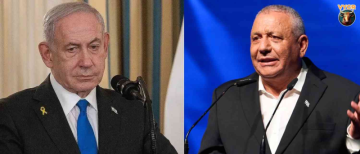
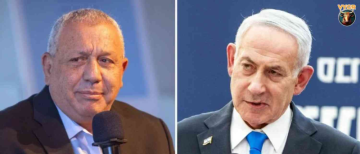
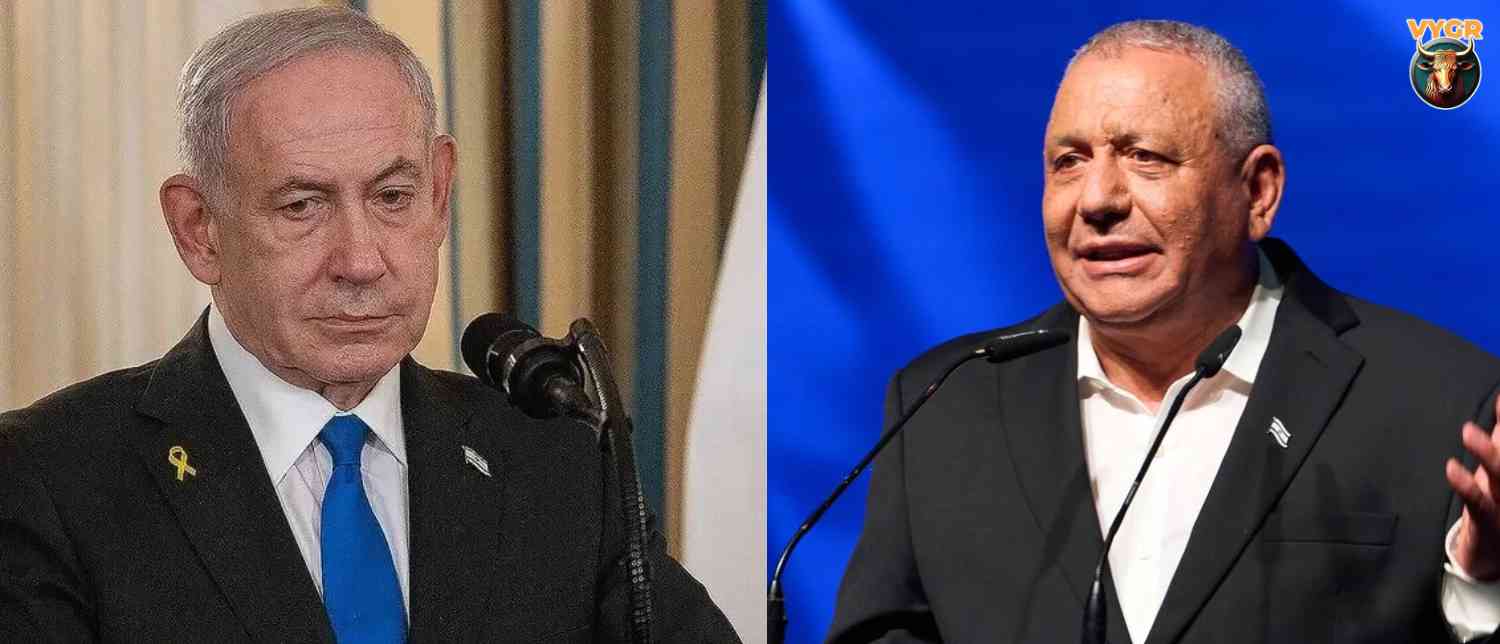
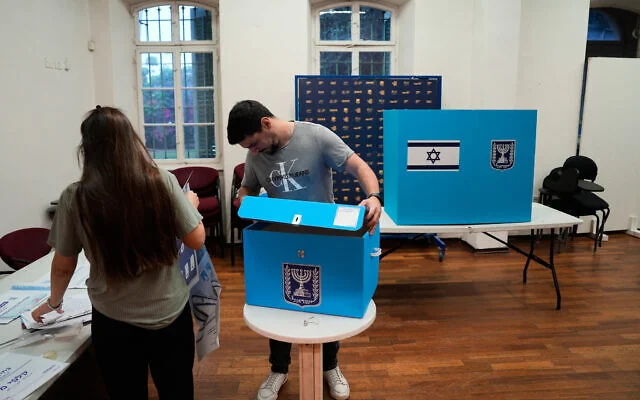
Jerusalem: Israelis began voting at 7 am on Tuesday in a general election that is the country’s first since the October 7, 2023 Hamas attacks and the war in Gaza that followed. Prime Minister Benjamin Netanyahu, 77, is seeking another term against a challenge led by former military chief Gadi Eisenkot, and polls suggest neither side will reach the 61 seats needed to govern alone.
How voting is going
The Central Elections Committee said that polling began as scheduled, with more than 95 per cent of stations open early on. About 7.33 million citizens are eligible to vote, roughly 543,000 more than in 2022, and they are choosing among 38 parties for the 120-seat Knesset. Polls close at 10 pm Israel time, which is about 1:30 am IST on Wednesday, and television exit polls follow immediately. Final official results are due by November 4.
Why the stakes are high
For Netanyahu, who is seeking a seventh term, the contest is political and personal. He is on trial in three corruption cases, which he denies, and has pleaded not guilty. He has described the prosecution as a politically motivated witch-hunt. US President Donald Trump has repeatedly urged President Isaac Herzog to pardon him, including in a letter in November 2025. Herzog’s office said anyone seeking a pardon must follow the established procedures. Netanyahu himself later formally asked for a pardon.
Eisenkot invoked October 7 as he urged people to vote. He told voters to use the day to replace the government of October 7 and set Israel on a new path. Iran has also emerged as a dividing line between the two campaigns.
What the final polls say
Eisenkot’s Yashar led Likud in eight of nine final polls, with projections of about 22 seats against Likud’s roughly 19 to 21, down from 32 in the outgoing Knesset. Naftali Bennett’s alliance was third on about 14. Netanyahu’s bloc polled between 49 and 55 seats and the opposition bloc 54 to 56. Arab-led parties were on 14 to 16, and the opposition leaders have pledged not to form a government that depends on them. That arithmetic could make coalition talks long and uncertain. One television channel has been an outlier, showing Netanyahu’s bloc at 62.
Who is voting for the first time?
About 595,000 Israelis aged 18 to 22, around 8.7 per cent of eligible voters, are voting for the first time, the largest such cohort in the country’s history. One survey found about three-quarters of new voters identify as right-wing. Higher turnout among Arab citizens, which was 53.2 per cent in 2022 against 70.6 per cent overall, would likely add seats to parties that won’t sit with Netanyahu. The Supreme Court overturned attempts to bar Ra’am and the Joint List from running on October 2.
What to watch tonight
- Turnout: Midday and afternoon figures, especially in the Arab community.
- Exit polls at 10 pm: These are early estimates. In 2022, they projected 30 to 31 seats for Likud, which went on to win 32.
- The threshold: Small parties near 3.25 per cent could decide whether a bloc reaches 61.
- The next step: After the results, the president consults parties and invites the lawmaker with the best chance of forming a government. Another election cannot be ruled out.
© Copyright 2026. All Rights Reserved. Powered by Vygr Media.