 By
By 
The recent reports suggesting that Iran may impose a staggering $2 million transit fee on vessels passing through the Strait of Hormuz have ignited global concern, confusion, and speculation. As tensions involving Israel and Iran continue to simmer, this narrow maritime chokepoint—already one of the most geopolitically sensitive corridors in the world—has once again become the epicentre of economic and strategic anxiety.
But beneath the headlines lies a more nuanced story: one that blends political signaling, legal ambiguity, economic pressure tactics, and the realities of global oil dependency.
A Claim, A Clarification, A Controversy
The genesis of the $2 million “toll” narrative appears rooted in remarks attributed to an Iranian lawmaker. According to multiple reports, including coverage by leading Indian outlets, the statement suggested that Iran could consider charging such a fee for ships transiting the Strait of Hormuz amid escalating regional hostilities.
However, Iranian authorities have not officially implemented such a policy. In fact, subsequent clarifications indicate that the proposal is neither formalized nor enacted. Instead, it appears to be more rhetorical than regulatory—an expression of strategic leverage rather than an immediate economic measure.
This distinction is critical. While headlines framed the development as a definitive policy shift, closer examination reveals it as part of a broader pattern of signaling by Tehran—especially during periods of heightened confrontation.
The Strait of Hormuz: A Global Lifeline
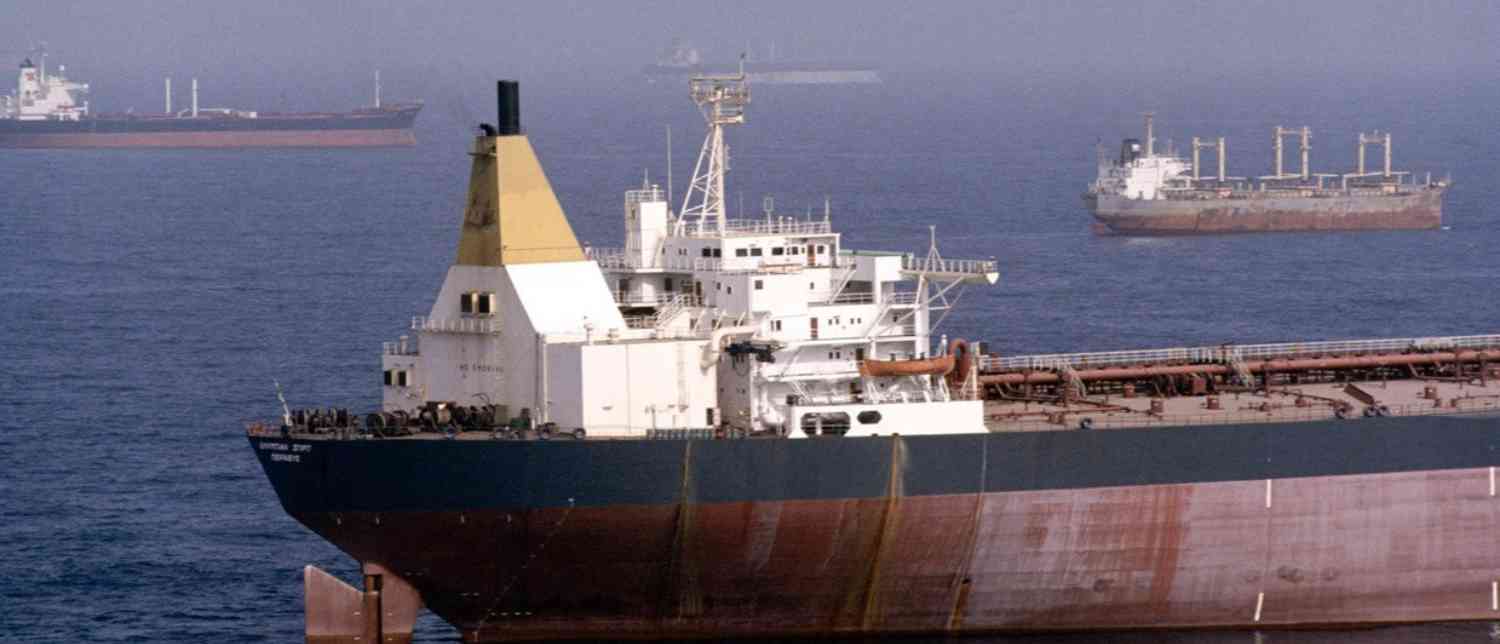
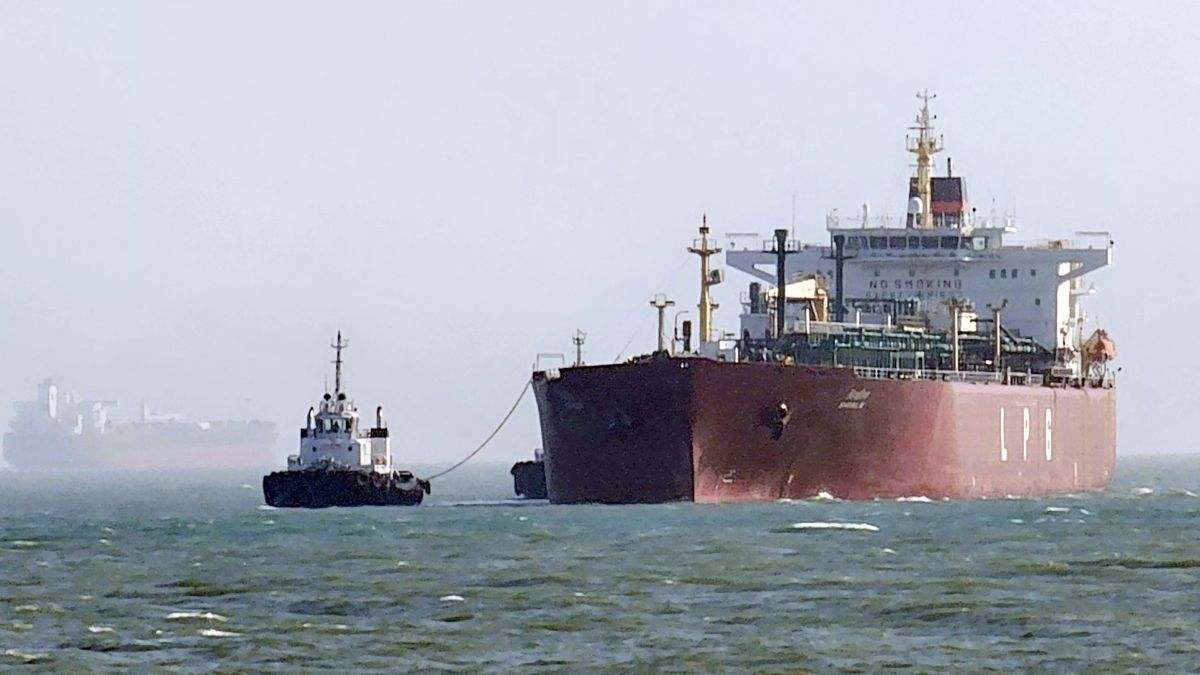
To understand the gravity of even suggesting such a fee, one must appreciate the importance of the Strait itself. Roughly one-fifth of the world’s oil supply flows through this narrow passage connecting the Persian Gulf to international waters. Major energy exporters, including Saudi Arabia, Iraq, the UAE, and Kuwait, rely heavily on this route.
Any disruption—whether through military conflict, blockades, or financial barriers—has immediate ripple effects across global markets. Oil prices react swiftly, shipping insurance premiums surge, and supply chains face uncertainty.
Thus, even a hypothetical $2 million transit charge is not merely a financial burden—it represents a potential chokehold on global energy stability.
Weaponising Geography?
Reports from multiple outlets, including Moneycontrol and NDTV, frame the proposed toll as part of Iran’s broader strategy to “weaponise” its geographic advantage. This is not a new concept. For decades, Iran has leveraged its proximity to the Strait of Hormuz as a deterrent against Western pressure, particularly during sanctions or military escalations.
What’s different now is the scale and specificity of the proposal. A flat $2 million fee per vessel—if implemented—would dramatically alter shipping economics. For oil tankers, which already operate on tight margins influenced by volatile crude prices, such a cost could be prohibitive.
Moreover, the move would raise serious legal questions. Under international maritime law, particularly the United Nations Convention on the Law of the Sea (UNCLOS), transit through straits used for international navigation is generally protected. Imposing unilateral fees could be seen as a violation, inviting diplomatic and possibly military pushback.
Signal to the West, Message to the Region
The timing of this proposal is no coincidence. It comes amid intensifying tensions between Iran and Israel, with the broader Middle East on edge. By floating the idea of a transit fee, Iran may be sending a calculated message—not just to Israel, but to the United States and its allies.
The message is clear: any escalation against Iran will have global economic consequences.
This is classic asymmetric strategy. Rather than matching military might, Iran leverages its control over a critical chokepoint to exert pressure. It’s a reminder that in modern geopolitics, geography can be as powerful as weaponry.
Market Reactions and Economic Implications
Even without formal implementation, the mere discussion of such a toll has implications for global markets. Traders, insurers, and shipping companies operate on risk perception as much as reality.
-
Oil Prices: Speculation around disruptions in the Strait often leads to price spikes. Even rumors can trigger volatility.
-
Shipping Costs: Insurance premiums for vessels transiting the Gulf could rise, reflecting increased geopolitical risk.
-
Supply Chains: Countries heavily dependent on Gulf oil—particularly in Asia—could face indirect economic pressure.
India, for instance, imports a significant portion of its crude from the Gulf. Any instability in the Strait directly impacts its energy security and trade balance.
Reality Check: Can Iran Actually Enforce It?
While the rhetoric is potent, the practical implementation of a $2 million toll raises serious questions.
-
International Law Constraints: As noted earlier, such a move could violate established maritime norms, inviting global condemnation.
-
Military Risk: Enforcing the fee would likely require some form of naval intervention, increasing the risk of confrontation with international forces present in the region.
-
Economic Self-Harm: Iran itself relies on the Strait for its oil exports. Disrupting traffic could backfire, hurting its own economy.
These factors suggest that the proposal is more of a strategic bluff than an imminent policy.
Media Amplification and Public Perception
Another important dimension is how the story has been reported and amplified. Headlines emphasizing a “$2 million toll” create a sense of immediacy and alarm, even when the underlying reality is more tentative.
This highlights a broader issue in modern news cycles: the gap between political statements and policy actions. In high-stakes geopolitical contexts, rhetoric is often used as a tool—but when amplified without nuance, it can distort public understanding.
The Broader Pattern: Economic Leverage in Conflict
The Strait of Hormuz episode fits into a larger trend where economic tools are increasingly used in geopolitical conflicts. From sanctions and tariffs to control over supply chains and chokepoints, nations are leveraging economic interdependence as a strategic weapon.
Iran’s proposal—real or rhetorical—is part of this playbook. It underscores how globalisation, while creating interconnected markets, has also introduced new vulnerabilities.
What Comes Next?
For now, there is no official confirmation that Iran has imposed or will imminently impose such a fee. However, the episode serves as a warning.
-
For policymakers: The need to secure alternative energy routes and diversify supply sources is more urgent than ever.
-
For markets: Volatility in geopolitically sensitive regions is not an exception—it’s the norm.
-
For the global community: Maintaining freedom of navigation in critical waterways remains a collective priority.
A Threat More Than a Policy
The idea of a $2 million toll on ships passing through the Strait of Hormuz is less about immediate economics and more about strategic messaging. It reflects Iran’s awareness of its geographic leverage and its willingness to use that leverage as a bargaining chip in times of conflict.
Yet, the realities of international law, economic interdependence, and military risk make actual implementation unlikely—at least for now.
Still, in a world where perception can move markets as much as policy, even a suggestion can have real consequences. The Strait of Hormuz remains not just a passage for oil, but a barometer of global stability.
And as long as tensions persist, the world will continue to watch it—not just for ships, but for signals.
With inputs from agencies
Image Source: Multiple agencies
© Copyright 2025. All Rights Reserved. Powered by Vygr Media.