 By
By 
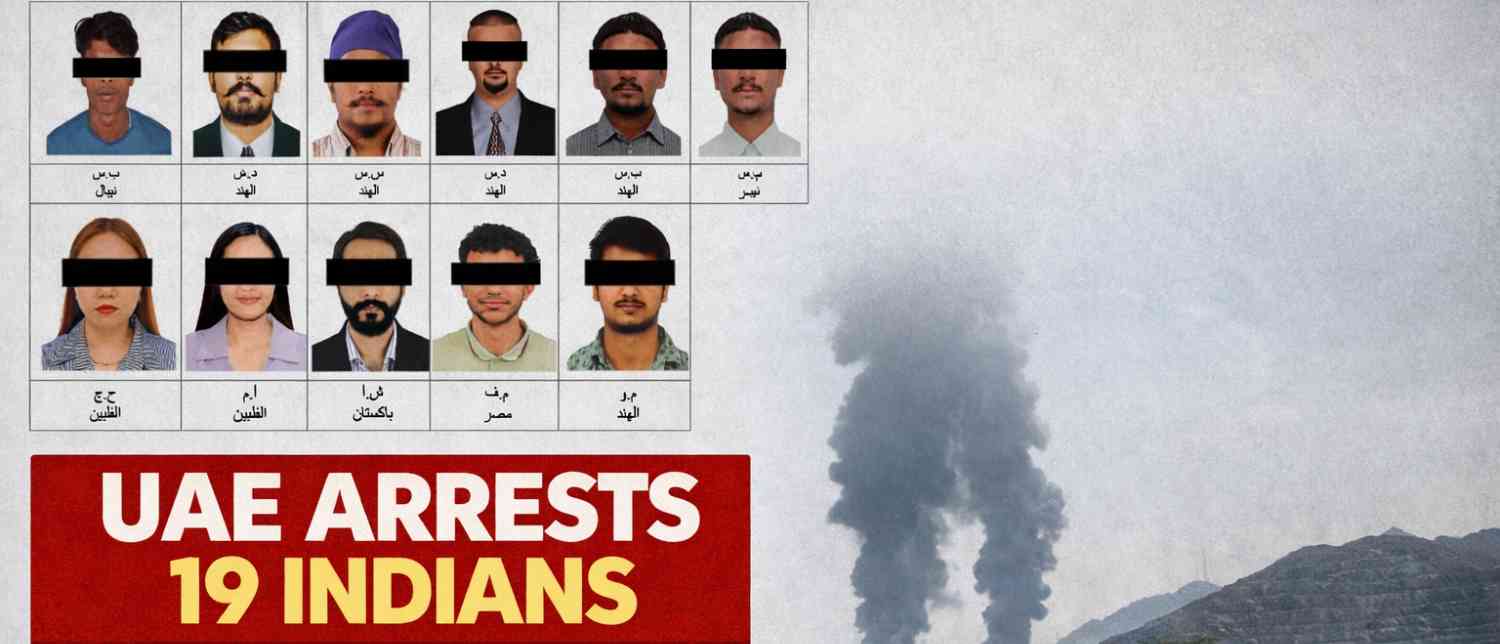
As tensions escalate in the Middle East due to the ongoing conflict involving Iran, Israel, and the United States, authorities in the United Arab Emirates (UAE) have taken a firm stance against misinformation circulating online. In a significant crackdown, the UAE ordered action against 35 individuals, including 19 Indian nationals, accused of spreading misleading content related to the war.
The arrests highlight the UAE’s zero-tolerance approach toward digital misinformation—especially during times of geopolitical tension—while also raising questions about social media responsibility, expatriate conduct, and the power of AI-generated content.
UAE’s Crackdown on Misleading Online Content
Authorities in the UAE recently launched a sweeping operation targeting individuals accused of spreading false or misleading information about the regional conflict. According to official reports, 35 people were ordered arrested, among whom 19 were Indian nationals.
The accused allegedly published fabricated or manipulated video clips on social media platforms, some of which were created using artificial intelligence. Officials said the videos contained misleading narratives about missile strikes and explosions during the ongoing conflict in the Gulf.
The UAE government argued that such content could mislead the public, create panic, and undermine national security, particularly during a volatile period in the region.
Authorities emphasized that the action was not aimed at any specific nationality but at anyone violating the country’s strict cybercrime and misinformation laws.
The Iran War and Rising Regional Tensions
The crackdown comes amid escalating hostilities following military confrontations involving Iran, the United States, and Israel.
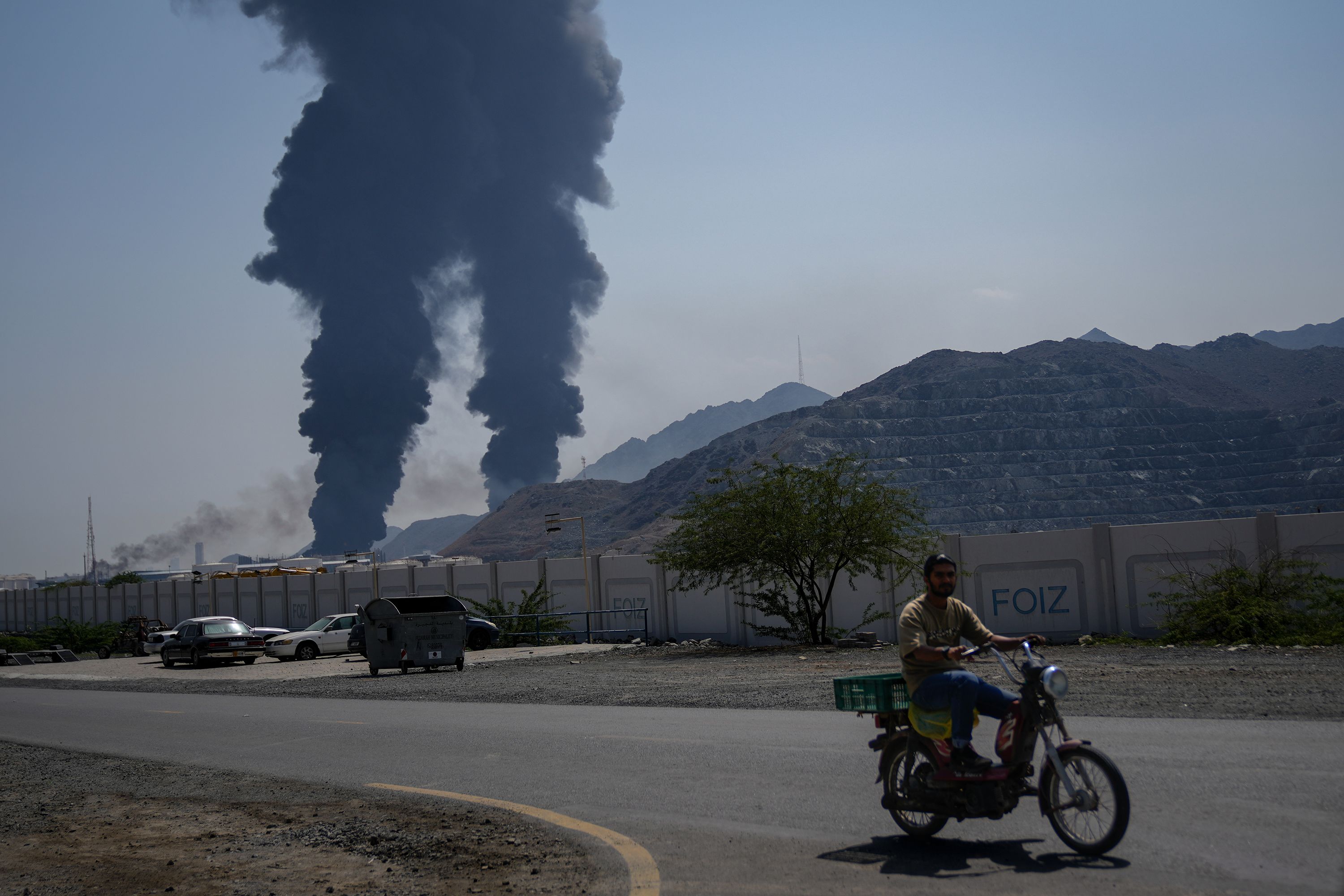
Missile and drone attacks linked to the conflict have heightened security concerns across the Gulf region, including in the UAE. Since late February 2026, the country has faced a series of attacks and interception operations as part of the broader conflict.
Authorities have warned that during such sensitive situations, unverified information spreading on social media can quickly trigger panic, distort facts, or even reveal sensitive security details.
Because of this, governments in the region have intensified monitoring of online activity.
_1773650704.png)
Three Categories of Alleged Offences
Investigations reportedly revealed that those arrested were involved in three different types of misinformation activities.
1. Manipulating Real Footage
The first group allegedly shared genuine video clips, including footage showing missile interceptions in UAE airspace or crowds gathering to watch such events. However, the clips were edited with dramatic commentary, added sound effects, or misleading captions.
Authorities say these edits falsely suggested active attacks or exaggerated the situation, which could cause public fear and misrepresent the country’s security response.
2. AI-Generated or Recycled Videos
Another group was accused of circulating fabricated videos generated using artificial intelligence or reusing footage from incidents that happened outside the UAE.
These clips reportedly showed explosions or missile strikes and were falsely labeled as occurring within the country. Some videos even included flags, dates, or captions designed to make them appear authentic.
Officials believe such manipulated visuals were particularly dangerous because they blur the line between reality and fabrication, making it difficult for ordinary viewers to verify the truth.
3. Content Praising Hostile Forces
A third group allegedly shared posts that praised a hostile country and its military leadership, which authorities said could harm national unity and security during wartime.
Investigators stated that these posts could inflame tensions and undermine the UAE’s strategic position in the ongoing conflict.
Why the UAE Is Strict About Online Posts
The UAE has some of the strictest cybercrime and media regulations in the world. Under its federal cybercrime laws, spreading rumours, false information, or misleading content online can lead to severe penalties.
Depending on the seriousness of the offence, punishments may include:
-
Heavy fines
-
Prison sentences
-
Deportation for expatriates
Authorities argue that misinformation during emergencies or conflicts can endanger public safety and national security.
For example, videos showing missile interceptions or damage could potentially reveal sensitive military information, including defence capabilities or locations.
Because of this, the UAE government often urges residents to rely only on official sources for updates during crises.
AI-Generated Content Raises New Concerns
One of the most striking aspects of the case is the alleged use of AI-generated videos.
Artificial intelligence can now create extremely realistic footage of events that never occurred. This technology has rapidly become a major concern for governments worldwide because it enables the creation of deepfakes and fabricated scenes that appear genuine.
Authorities believe some of the videos shared online during the conflict were digitally manipulated to show explosions or missile strikes in the UAE—even though the footage may have originated elsewhere.
Officials say such fabricated visuals can spread quickly on social media, amplify panic, and distort international perceptions of events.
Warnings Issued to Residents and Expats
The crackdown was preceded by several warnings from authorities.
Officials in the UAE had already urged residents not to:
-
Share unverified videos of explosions or incidents
-
Record emergency situations or military activity
-
Circulate rumours or speculation online
Even seemingly harmless posts can have unintended consequences during conflicts.
For example, footage of missile interceptions or defence systems could inadvertently reveal information useful to adversaries or cause widespread alarm.
Because expatriates form a large portion of the UAE’s population—including millions from India—official messages often stress that foreign residents must follow local laws strictly.
Advisory for Indian Citizens in the UAE
In response to rising tensions and the spread of misinformation, the Indian diplomatic mission also issued advisories to citizens living in the UAE.
Indian nationals were urged to:
-
Avoid taking photos or videos of sensitive incidents
-
Refrain from sharing unverified information on social media
-
Follow updates from official government sources only
The advisory also reminded the Indian community to remain cautious about forwarding rumours or viral messages online.
With more than four million Indians living in the UAE, officials emphasised responsible digital behaviour to prevent misunderstandings or legal trouble.
The Bigger Issue: Social Media During Wartime
The case underscores a broader challenge facing governments worldwide: the role of social media in shaping perceptions during conflicts.
Platforms such as X, Instagram, TikTok, and WhatsApp allow information to travel instantly across borders. While this can help people stay informed, it also creates fertile ground for:
-
Rumours
-
Edited videos
-
AI-generated misinformation
-
Misinterpretation of real footage
In wartime or crisis situations, even small pieces of misinformation can escalate quickly, influencing public sentiment or diplomatic relations.
Governments therefore increasingly view digital misinformation as a national security threat.
Legal and Diplomatic Implications
The arrests have also sparked discussions about the responsibilities of expatriates living abroad.
While citizens of different countries may be accustomed to broader online expression, residents of the UAE must adhere to local laws governing media and online behaviour.
Legal experts note that many countries—including the UAE—consider misinformation about security situations to be a serious offence.
Authorities stress that the crackdown is intended to protect public safety and prevent chaos during a period of heightened geopolitical tension.
A Warning About the Cost of Online Misinformation
The UAE’s action against the 19 Indians serves as a powerful reminder of how seriously the country treats misinformation.
Officials say the goal is not simply to punish individuals but to deter the spread of false narratives that could harm national stability.
In a world where AI tools can easily manipulate videos and social media can amplify rumours instantly, governments are increasingly prioritizing digital responsibility.
For residents and expatriates in the UAE, the message is clear:
verify information before sharing it, rely on official sources, and avoid posting sensitive content during crises.
Failing to do so could lead not only to misinformation—but also to serious legal consequences.
With inputs from agencies
Image Source: Multiple agencies
© Copyright 2025. All Rights Reserved. Powered by Vygr Media.