 By
By 
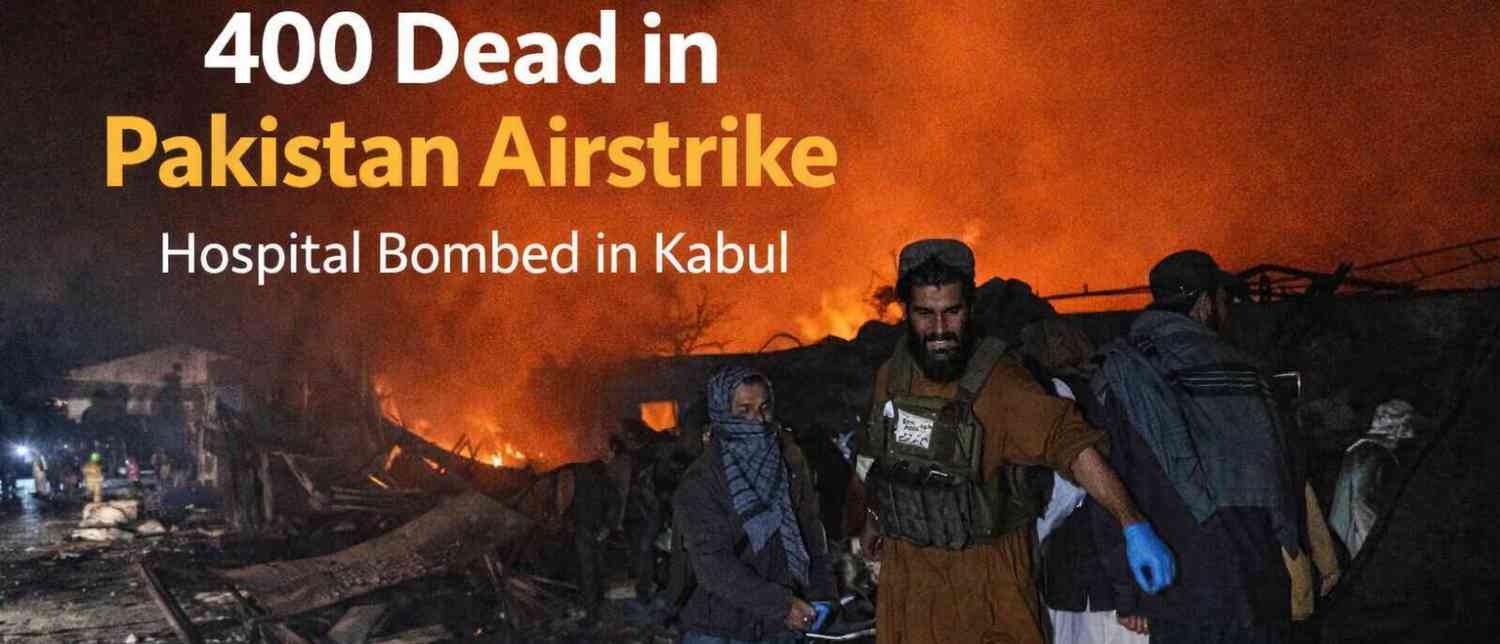
The long-standing tensions between Afghanistan and Pakistan have escalated dramatically in recent days, culminating in what is now being described as one of the deadliest attacks in Afghanistan’s modern history. A devastating airstrike on a hospital in Kabul has left hundreds dead, including children, and triggered global outrage.
This catastrophic incident is not just another episode in regional hostilities—it represents a humanitarian crisis of staggering proportions, raising urgent questions about civilian safety, military accountability, and the future of stability in the region.
The Attack That Shocked the World
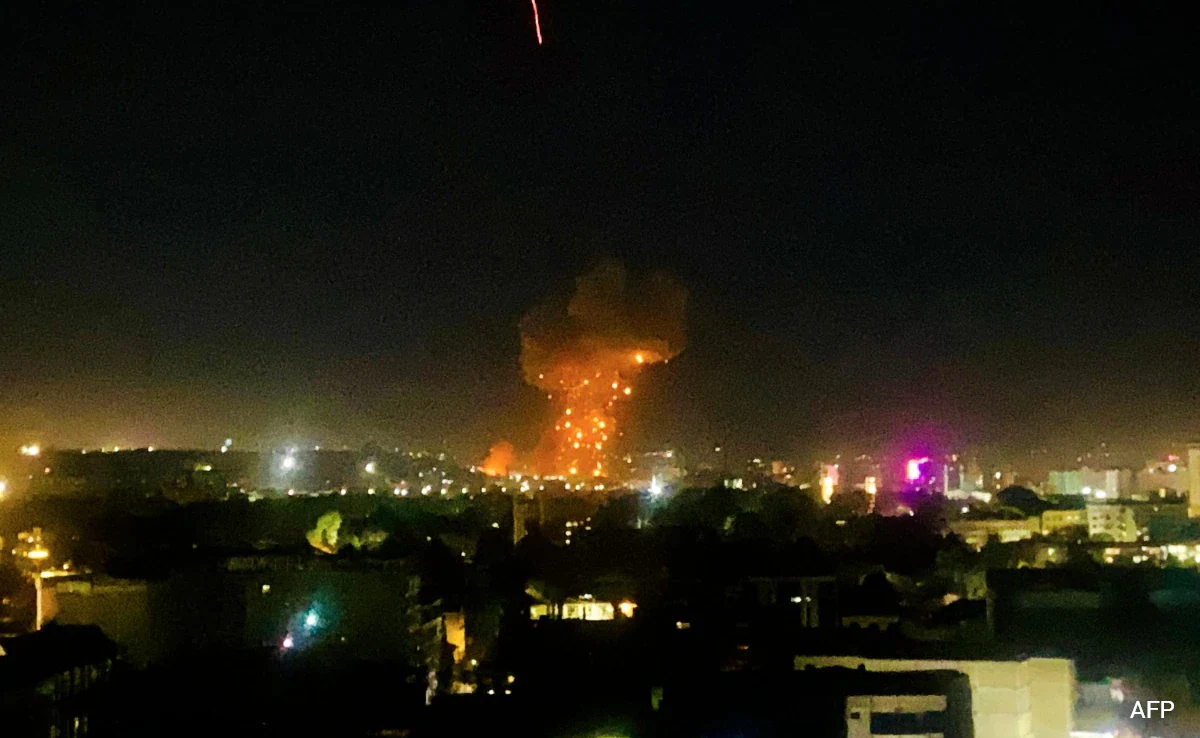
According to multiple reports, Pakistani airstrikes targeted a hospital in Kabul, resulting in mass casualties. Initial figures suggested over 250 deaths, but subsequent updates indicated that the toll may have risen to nearly 400 people, making it one of the deadliest single incidents in Afghanistan’s history.
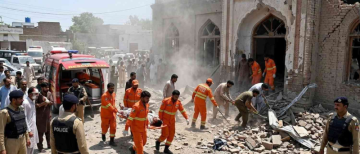
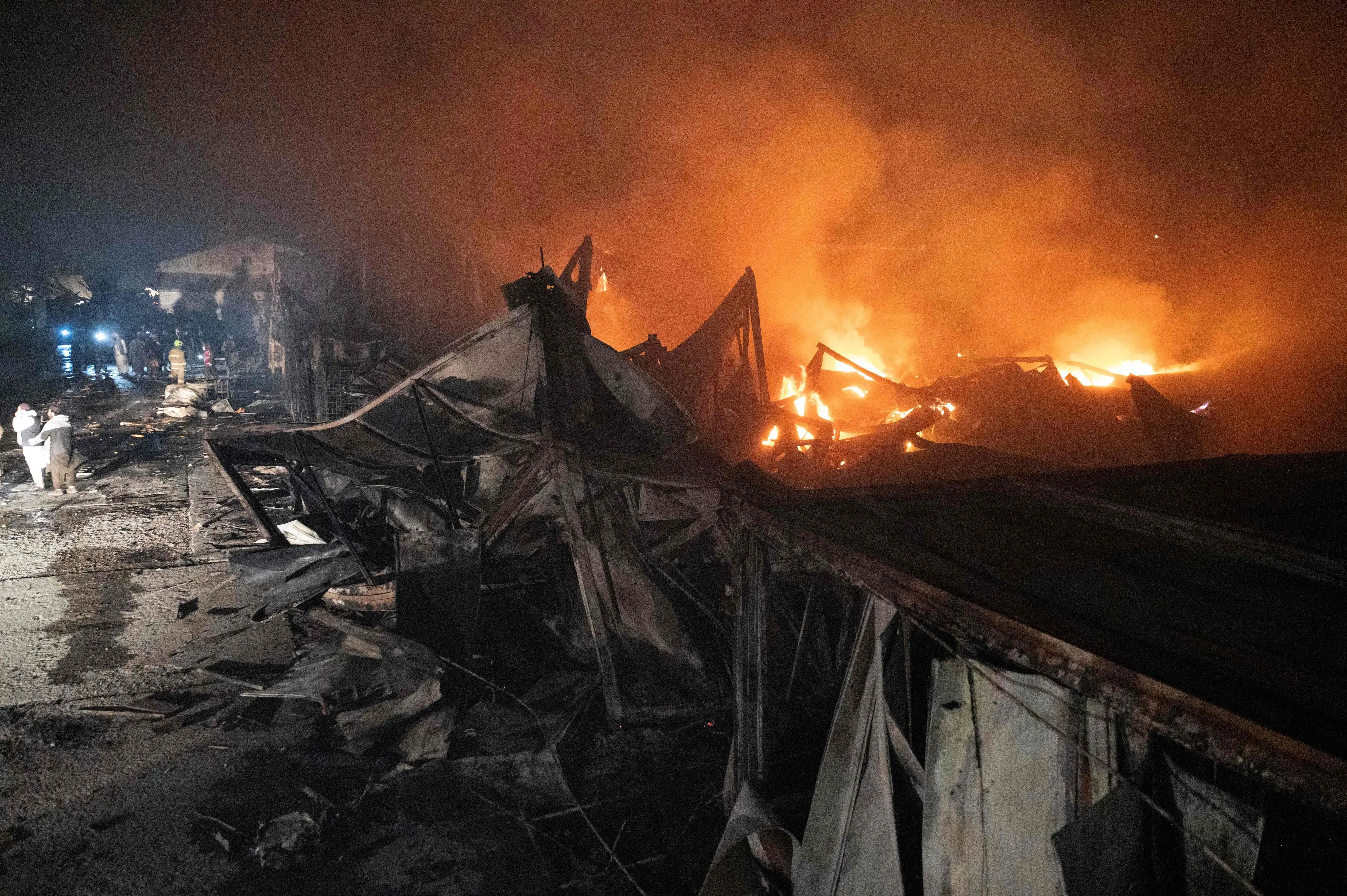
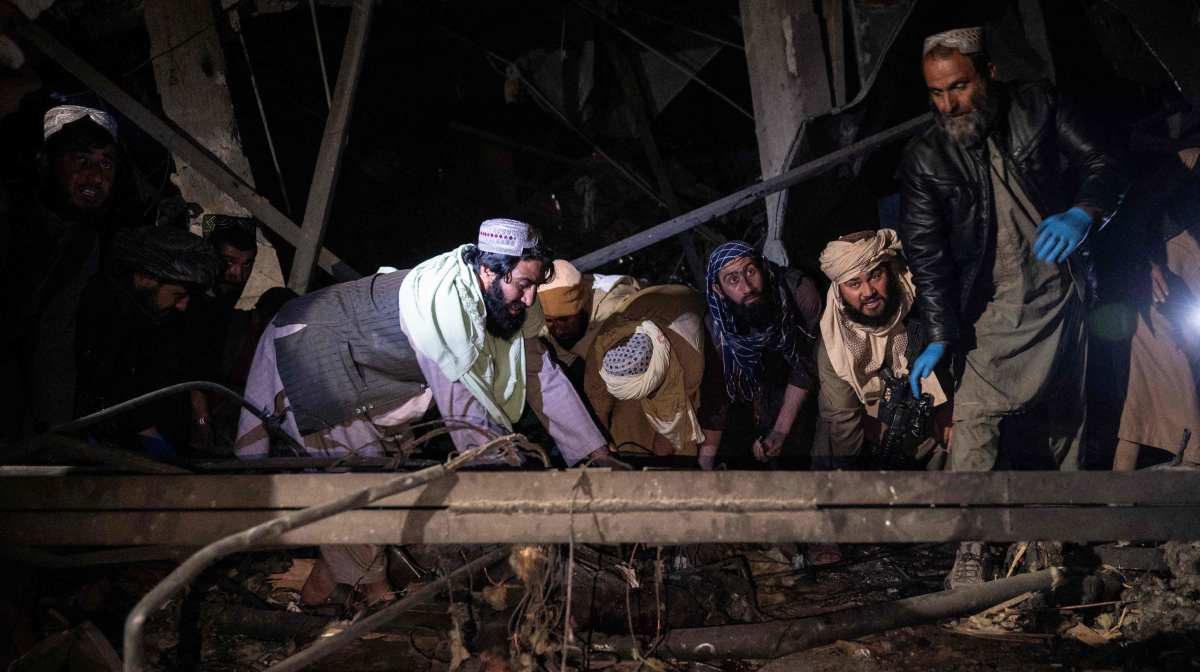
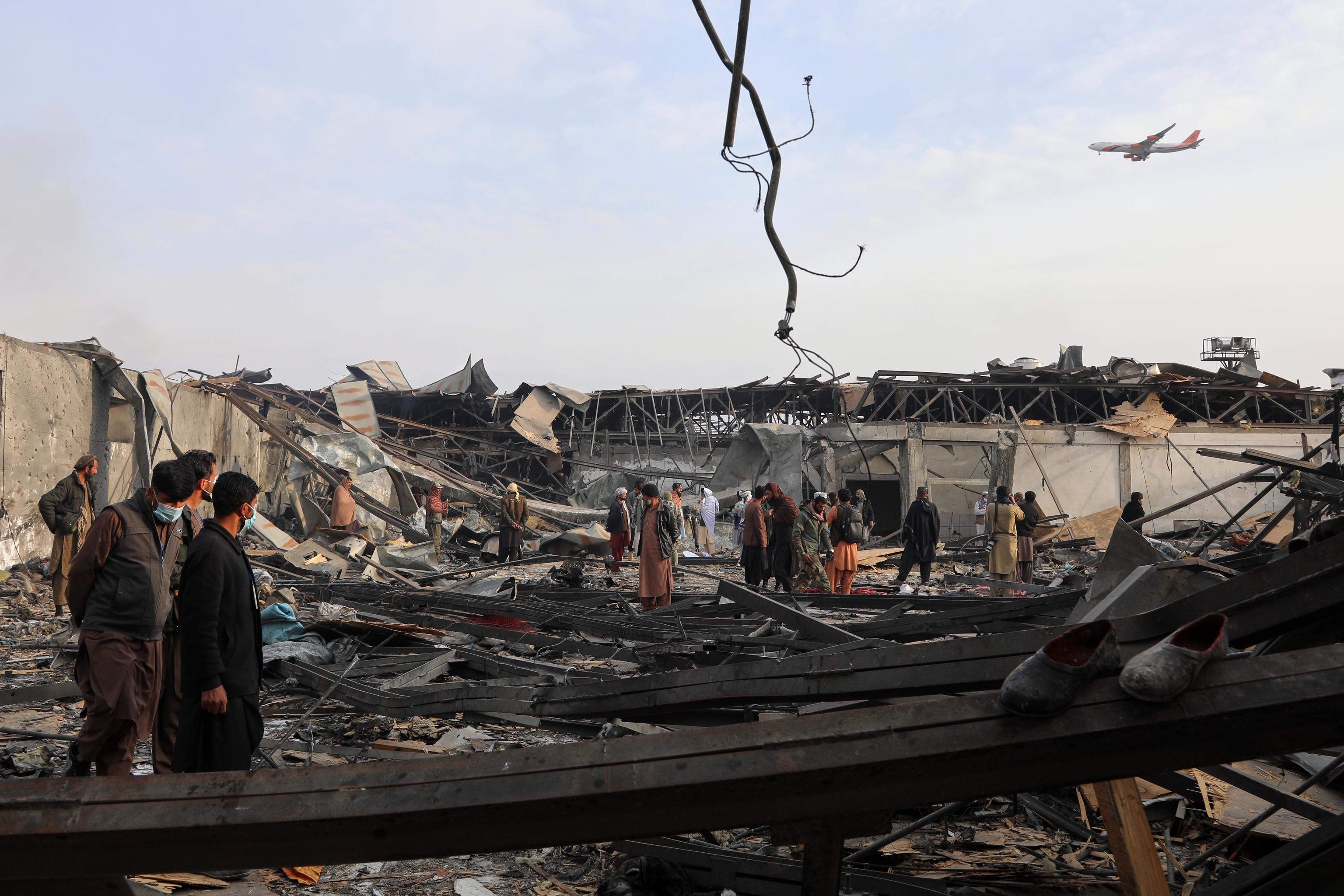
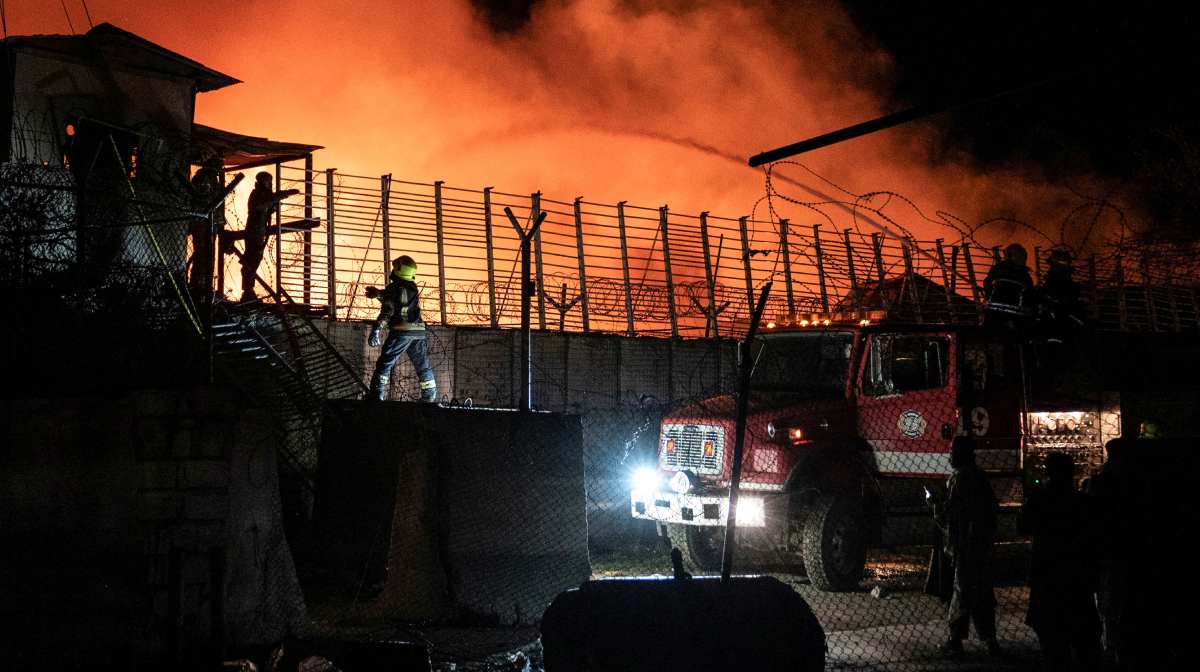
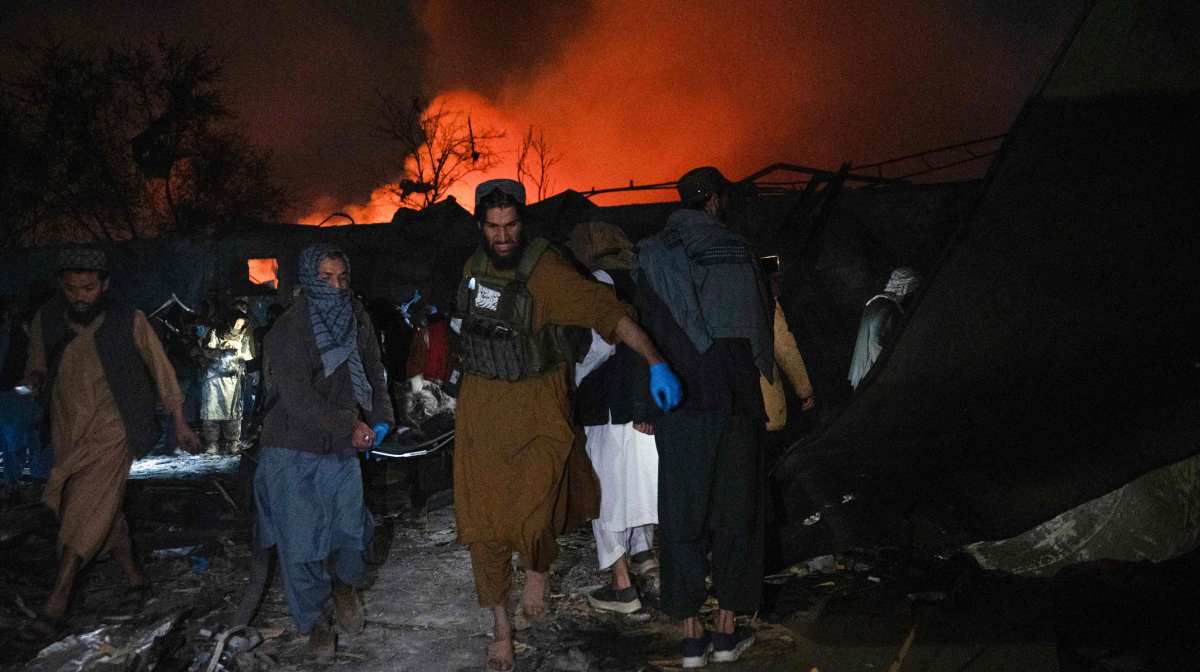
The hospital, which was reportedly filled with patients and medical staff at the time of the strike, became the epicenter of destruction. Eyewitness accounts describe scenes of chaos—collapsed structures, overwhelmed emergency responders, and desperate families searching for loved ones under the rubble.
This attack stands out not only for its scale but also for its target. Hospitals are protected under international humanitarian law, and striking such a facility intensifies the gravity of the incident.
Children Among the Victims
One of the most heartbreaking aspects of the tragedy is the high number of children among the dead and injured. Afghan officials confirmed that minors were caught in the blast, many of whom were either receiving treatment or accompanying family members.
Images and reports emerging from the aftermath depict a deeply distressing reality—young lives lost, families shattered, and a healthcare system pushed to the brink. The inclusion of children among the casualties has further amplified global condemnation and calls for accountability.
A History of Rising Tensions
The airstrike did not occur in isolation. It is part of a broader escalation in hostilities between Afghanistan and Pakistan, fueled by longstanding disputes over border security and militant activity.
Pakistan has repeatedly accused Afghanistan of harboring militants who carry out cross-border attacks, particularly along the volatile frontier regions. In response, Afghan authorities have rejected these claims and accused Pakistan of violating their sovereignty through airstrikes and military incursions.
This cycle of accusation and retaliation has created a fragile and increasingly dangerous environment, where civilians often bear the brunt of geopolitical conflict.
Conflicting Narratives
Pakistan has defended its actions by stating that the airstrikes were aimed at militant hideouts and were necessary for national security. Officials claim that intelligence indicated the presence of high-value targets in the area.
However, Afghan authorities strongly dispute this narrative. They assert that the attack was indiscriminate and directly hit a civilian medical facility, resulting in unnecessary and avoidable loss of life.
The stark contrast between these accounts highlights the complexity of modern warfare, where information is contested and truth often becomes a casualty of conflict.
One of the Deadliest Incidents in Afghan History
Experts and analysts have compared the scale of this attack to some of the worst incidents in Afghanistan’s decades-long history of conflict. With casualty figures potentially nearing 400, it ranks among the most lethal single events in the country.
The magnitude of the destruction has overwhelmed local healthcare infrastructure. Nearby hospitals are struggling to accommodate the influx of injured survivors, while medical supplies and personnel are stretched thin.
This incident also underscores the vulnerability of civilian infrastructure in conflict zones, particularly in countries like Afghanistan where resources are already limited.
Global Reaction and Condemnation
The international community has responded with alarm and condemnation. Human rights organizations have called for an independent investigation into the incident, emphasizing the need to determine whether international laws were violated.
Many global leaders have expressed concern over the rising tensions between Afghanistan and Pakistan, urging both sides to exercise restraint and prioritize diplomatic solutions over military escalation.
The targeting of a hospital has drawn particular criticism, as it represents a breach of fundamental humanitarian principles designed to protect civilians during wartime.
Humanitarian Crisis Deepens
Beyond the immediate loss of life, the attack has triggered a broader humanitarian crisis. Families have been displaced, children orphaned, and communities left traumatized.
The destruction of a major medical facility has also had long-term implications. Access to healthcare in Kabul and surrounding regions has been severely impacted, putting countless lives at risk in the weeks and months ahead.
Aid organisations are working to provide emergency relief, but the scale of the disaster presents significant challenges.
Calls for Accountability
In the wake of the attack, there are growing demands for accountability. Afghan officials have called for international intervention and an impartial investigation to establish the facts and hold those responsible accountable.
Legal experts suggest that if the hospital was intentionally targeted, it could constitute a violation of international humanitarian law and potentially a war crime.
Pakistan, meanwhile, continues to defend its actions, maintaining that its operations were justified and aimed at protecting its national interests.
The Risk of Further Escalation
Perhaps the most concerning aspect of this incident is the potential for further escalation. Retaliatory actions, heightened military activity, and increased hostility could push the region into a more dangerous phase of conflict.
Both Afghanistan and Pakistan are at a critical juncture. The choices made in the coming days will likely determine whether the situation de-escalates or spirals into a broader crisis.
A Tragedy That Demands Reflection
The Kabul hospital airstrike is more than just a headline—it is a stark reminder of the human cost of conflict. Behind every statistic is a story: a child who will never grow up, a parent who will never return home, a community forever changed.
As the world watches, there is an urgent need for dialogue, accountability, and a renewed commitment to protecting civilian lives. Without these, tragedies like this risk becoming an all-too-common feature of modern warfare.
Final Thoughts
The airstrike on the Kabul hospital marks a dark chapter in the ongoing tensions between Afghanistan and Pakistan. With hundreds dead, including children, and a healthcare system in ruins, the incident has left an indelible scar on the nation.
As investigations continue and global pressure mounts, one thing remains clear: the cost of conflict is measured not just in strategic gains or losses, but in human lives. And in Kabul, that cost has been devastatingly high.
With inputs from agencies
Image Source: Multiple agencies
© Copyright 2025. All Rights Reserved. Powered by Vygr Media.