 By
By 
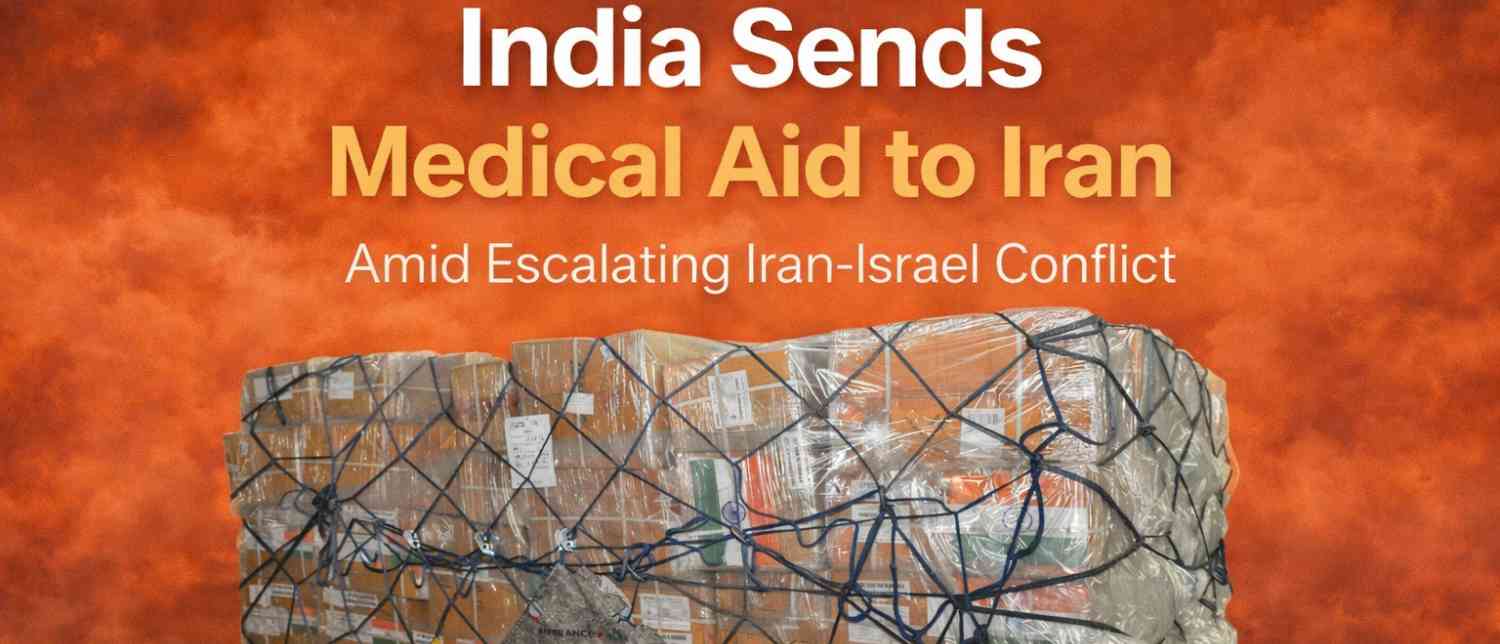
As tensions intensify in West Asia due to the ongoing Iran-Israel conflict, India has stepped forward with a significant humanitarian gesture—dispatching its first shipment of medical aid to Iran. This move not only underscores India’s commitment to global humanitarian assistance but also highlights its diplomatic balancing act in a volatile geopolitical environment.
A Timely Humanitarian Intervention
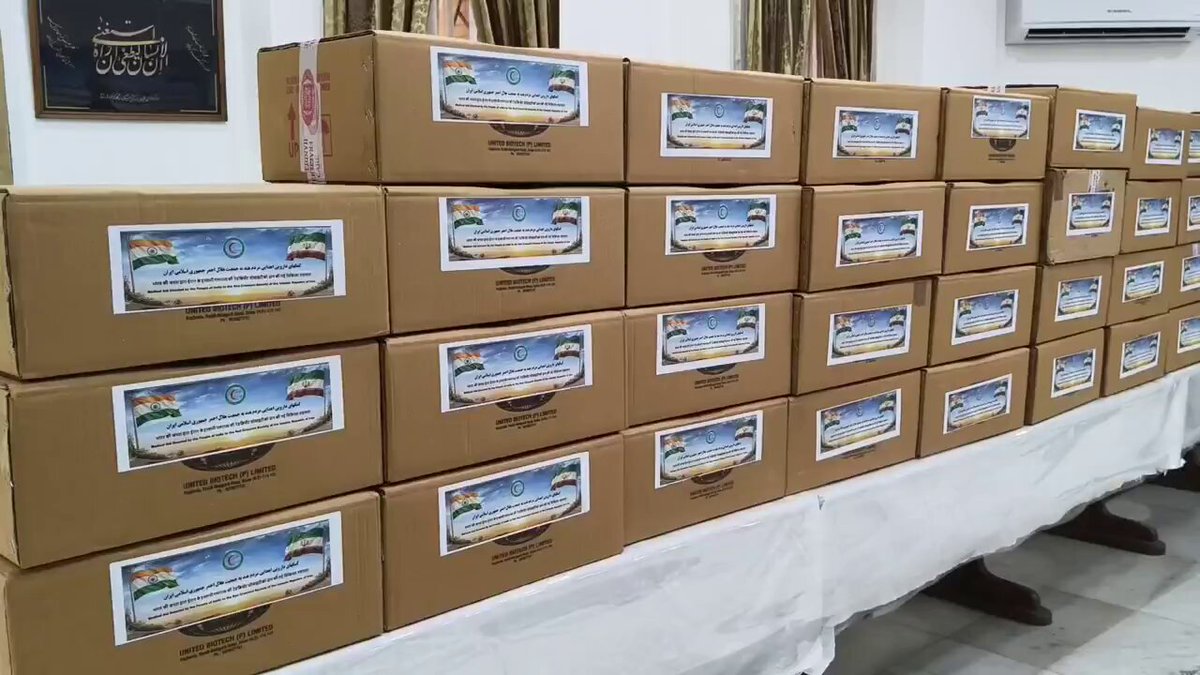
India’s medical aid shipment arrived in Iran at a critical juncture, as the conflict continues to strain the country’s healthcare infrastructure. The delivery was officially confirmed by the Indian Embassy in Tehran, marking a pivotal moment in India-Iran relations during wartime.
The assistance, sent as part of India’s humanitarian outreach, was aimed at supporting those affected by the ongoing conflict. While the exact contents of the shipment were not fully disclosed, it reportedly included essential medical supplies meant to bolster Iran’s healthcare response amid rising casualties and infrastructure damage.
This marks India’s first such consignment to Iran during the current crisis, emphasizing urgency and intent.
Iran Expresses Gratitude to India
Iran responded warmly to India’s gesture. Officials and diplomatic representatives expressed heartfelt appreciation, thanking the “kind people of India” for their timely support.
The Iranian Embassy further acknowledged the aid publicly, reinforcing the goodwill between the two nations. It also issued an advisory urging donors to contribute only through official banking channels, warning against unauthorized links or QR codes to prevent misuse of funds.
This acknowledgment reflects not just diplomatic courtesy, but also the significance of India’s support at a moment of humanitarian need.
Background: Escalating Iran-Israel Conflict
The aid comes amid a rapidly deteriorating security situation in the region. Israel has launched a series of coordinated airstrikes targeting key locations in Iran, escalating the conflict significantly.
Reports indicate that these strikes have targeted strategic infrastructure and high-value individuals, leading to casualties and widespread disruption. The situation has further intensified with missile exchanges, regional instability, and growing international concern.
The broader conflict has already resulted in:
-
Civilian casualties and destruction of infrastructure
-
Attacks impacting hospitals and essential services
-
Heightened military activity across multiple countries in the region
-
Increased global anxiety over energy security and maritime safety
The crisis has also had a direct impact on India, with reports confirming that several Indian nationals have been affected, including fatalities and missing individuals.
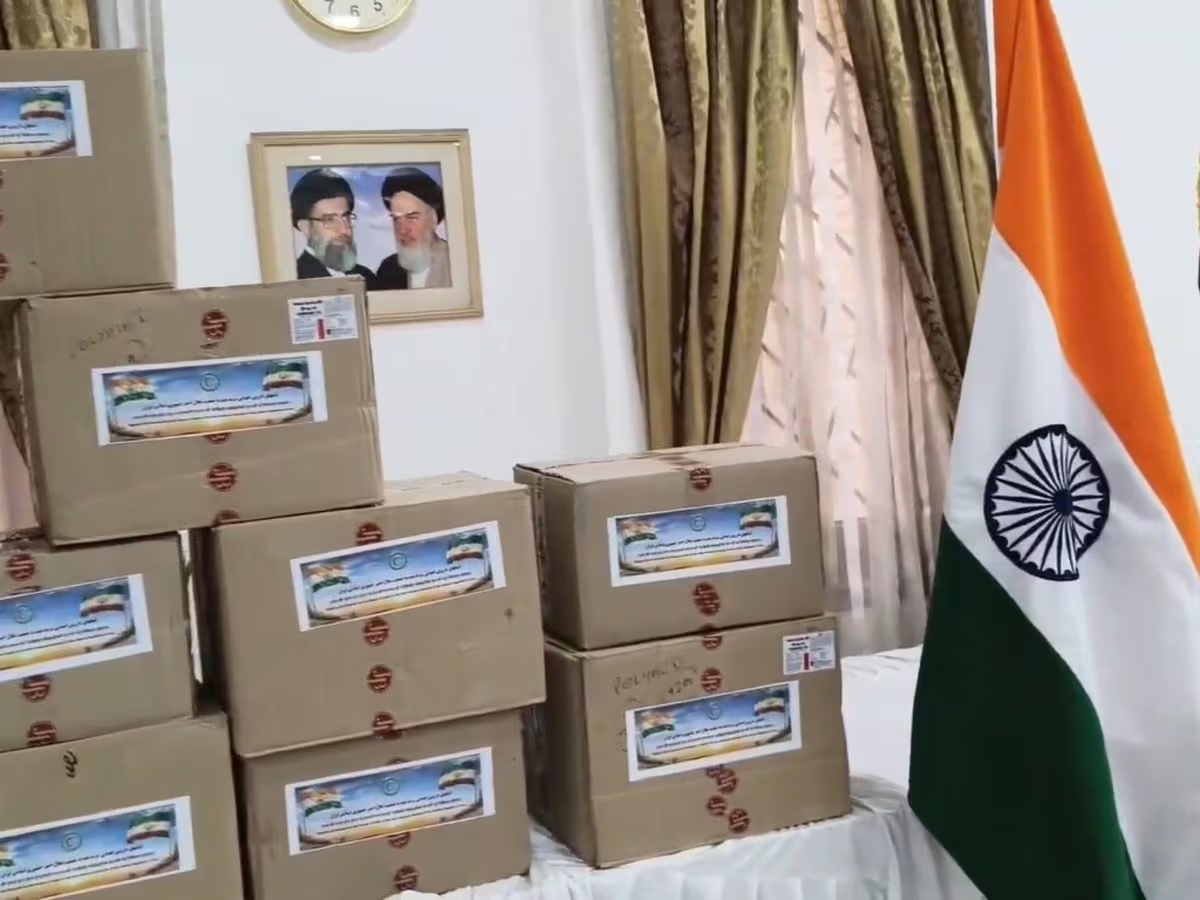
India’s Dual Approach: Humanitarian Aid and Strategic Caution
India’s response to the conflict reflects a carefully calibrated dual strategy—offering humanitarian support while maintaining diplomatic neutrality.
1. Humanitarian Commitment
India’s decision to send medical aid aligns with its long-standing tradition of acting as a “first responder” in times of crisis. The country has consistently provided assistance during natural disasters and conflicts worldwide.
This latest shipment reinforces India’s image as a responsible global actor committed to humanitarian principles, regardless of geopolitical complexities.
2. Diplomatic Balance
At the same time, India has avoided taking sides in the Iran-Israel conflict. Instead, it has focused on:
-
Ensuring the safety of Indian citizens in the region
-
Maintaining stable relations with both Iran and Israel
-
Supporting peace and stability through diplomatic channels
This balanced approach allows India to safeguard its strategic interests while contributing constructively to crisis management.
Logistics and Execution of the Aid Mission
The shipment was coordinated through diplomatic channels and delivered with precision despite the challenging security environment.
Key aspects of the operation include:
-
Coordination between Indian authorities and Iranian agencies
-
Delivery through official diplomatic routes
-
Assurance of transparency and accountability in aid distribution
The Iranian Embassy’s advisory regarding official donation channels further highlights efforts to maintain integrity in humanitarian assistance.
Broader Regional Implications
India’s aid shipment must also be viewed in the context of broader regional developments.
Maritime and Energy Concerns
The conflict has raised serious concerns about the safety of shipping routes, particularly the Strait of Hormuz—a critical artery for global energy supplies.
India has been actively engaging with regional partners to ensure safe passage for its vessels. Reports indicate that Indian ships carrying vital fuel supplies have successfully navigated the strait, though risks remain high.
Evacuation and Safety Measures
India has also intensified efforts to monitor the safety of its nationals in the region. Diplomatic missions are working round the clock to provide assistance, while evacuation and advisory measures are being continuously updated.
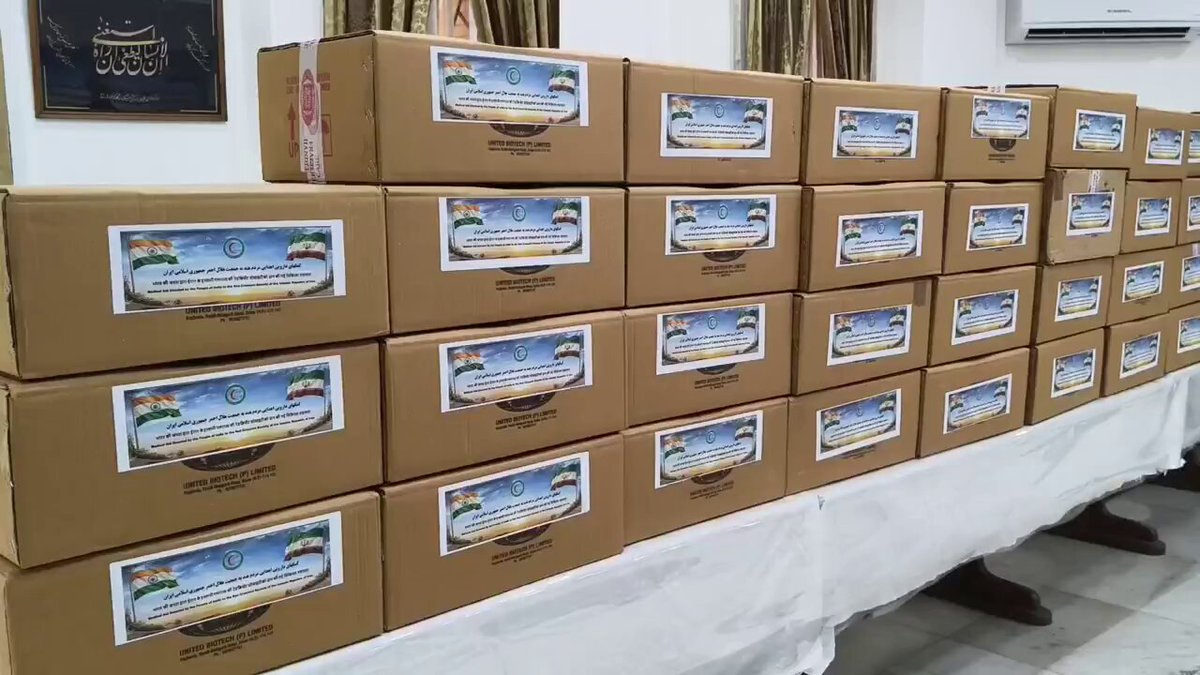
A Message Beyond Aid: Soft Power and Global Responsibility
India’s medical assistance to Iran is more than just a humanitarian act—it is a demonstration of soft power and global responsibility.
By extending support during a crisis, India:
-
Strengthens bilateral ties with Iran
-
Enhances its global image as a humanitarian leader
-
Reinforces its commitment to international solidarity
Such actions contribute to India’s broader foreign policy objective of being seen as a stabilizing force in global affairs.
The Role of Public Sentiment
Interestingly, the aid has also been framed as a contribution from the “people of India,” emphasizing collective goodwill rather than just state policy.
This narrative strengthens the emotional and diplomatic impact of the gesture, positioning it as a people-driven act of compassion rather than a purely political move.
Challenges Ahead
Despite the positive response, the situation remains highly volatile.
Key challenges include:
-
Continued escalation of military actions
-
Risk to humanitarian operations in conflict zones
-
Potential disruption of supply chains and logistics
-
Safety concerns for aid workers and diplomatic staff
India’s ability to navigate these challenges while continuing its humanitarian outreach will be crucial.
Final Thoughts
India’s decision to send medical aid to Iran amid an escalating conflict is a powerful example of humanitarian diplomacy in action. At a time when geopolitical tensions are running high, India has chosen to prioritize human lives and medical support.
The move has been warmly received by Iran, reinforcing bilateral goodwill and showcasing India’s commitment to global responsibility. At the same time, India continues to maintain a delicate diplomatic balance, safeguarding its strategic interests while contributing positively to crisis response.
As the conflict unfolds, India’s role—both as a humanitarian partner and a diplomatic stabilizer—will remain closely watched on the global stage.
With inputs from agencies
Image Source: Multiple agencies
© Copyright 2025. All Rights Reserved. Powered by Vygr Media.