
 By
By 
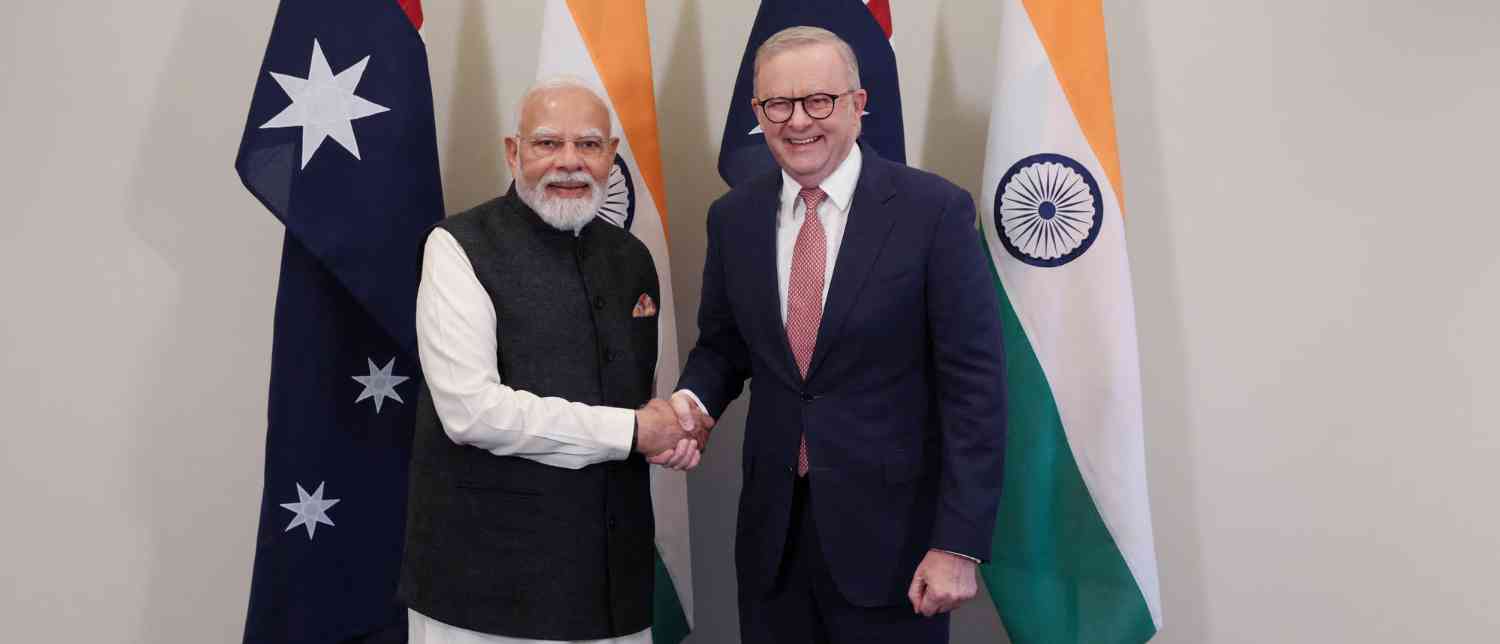
India and Australia have significantly strengthened their strategic partnership by signing a series of agreements covering civil nuclear cooperation, defence, clean energy, trade and critical minerals during Prime Minister Narendra Modi's official visit to Australia. The announcements mark a major milestone in bilateral relations, underscoring the growing alignment between the two Indo-Pacific democracies on economic security, energy transition and regional stability.
At the heart of the visit was the long-awaited operationalisation of Australia's uranium exports to India, a development that unlocks a key aspect of the civil nuclear cooperation agreement signed years ago. Alongside this breakthrough, both countries advanced discussions on an early trade pact, expanded cooperation in defence and maritime security, deepened collaboration on critical minerals and renewable energy, and announced fresh Australian investments in India's infrastructure sector.
Uranium Agreement Marks a Historic Milestone
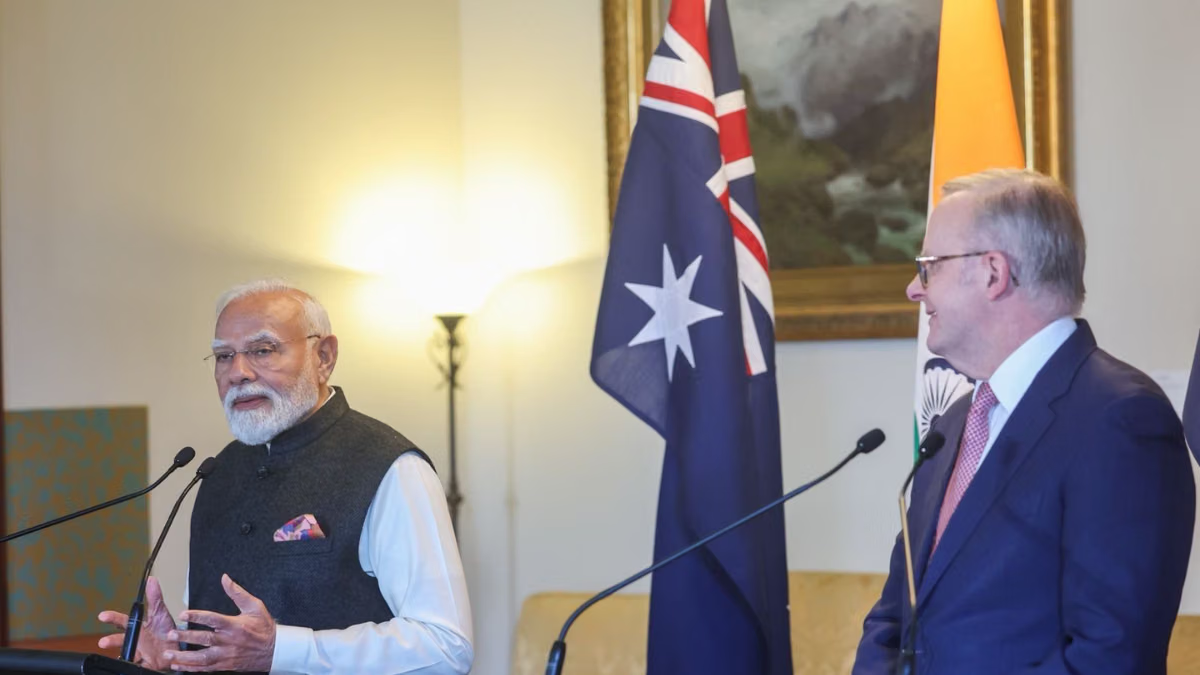
The most significant outcome of the leaders' summit was the agreement enabling Australia to begin supplying uranium to India for peaceful civilian nuclear purposes under internationally accepted safeguards. Although both nations had signed a civil nuclear cooperation agreement in 2014, practical implementation had remained pending for several years.
The latest decision removes those obstacles, allowing Australia—one of the world's largest holders of uranium reserves—to become a crucial supplier for India's expanding nuclear energy programme. As India works towards its ambitious target of developing 100 gigawatts of nuclear power capacity by 2047, access to reliable uranium supplies will play an increasingly important role in supporting the country's clean energy ambitions.
Beyond its commercial significance, the agreement also reflects the growing strategic trust between the two countries and reinforces Australia's confidence in India's commitment to the peaceful use of nuclear energy.
Clean Energy Partnership Gains Momentum
Energy cooperation emerged as another central pillar of the visit, with both governments agreeing to deepen collaboration in renewable energy, green hydrogen, critical minerals and emerging clean technologies.
Australia's abundant reserves of lithium, cobalt and other critical minerals complement India's rapidly growing manufacturing sector and electric mobility ambitions. By working together, both countries aim to build resilient supply chains that support battery manufacturing, renewable energy infrastructure and advanced technology industries.
The leaders also explored opportunities to strengthen cooperation in solar energy, hydrogen production and low-carbon industrial technologies. These initiatives are expected to support both nations' efforts to reduce carbon emissions while ensuring long-term energy security and sustainable economic growth.
Australian Investment in Indian Infrastructure
Economic cooperation featured prominently during the visit, with Prime Minister Modi encouraging Australian businesses to view India as a long-term investment destination.
Among the major announcements was AustralianSuper's commitment to invest an additional AUD 500 million in India's National Investment and Infrastructure Fund (NIIF). The investment is expected to support infrastructure development and further strengthen investor confidence in India's growth story.
Both leaders also highlighted opportunities across technology, logistics, digital infrastructure and advanced manufacturing, identifying these sectors as key drivers of the next phase of bilateral economic engagement.
Early Trade Agreement Back on the Agenda
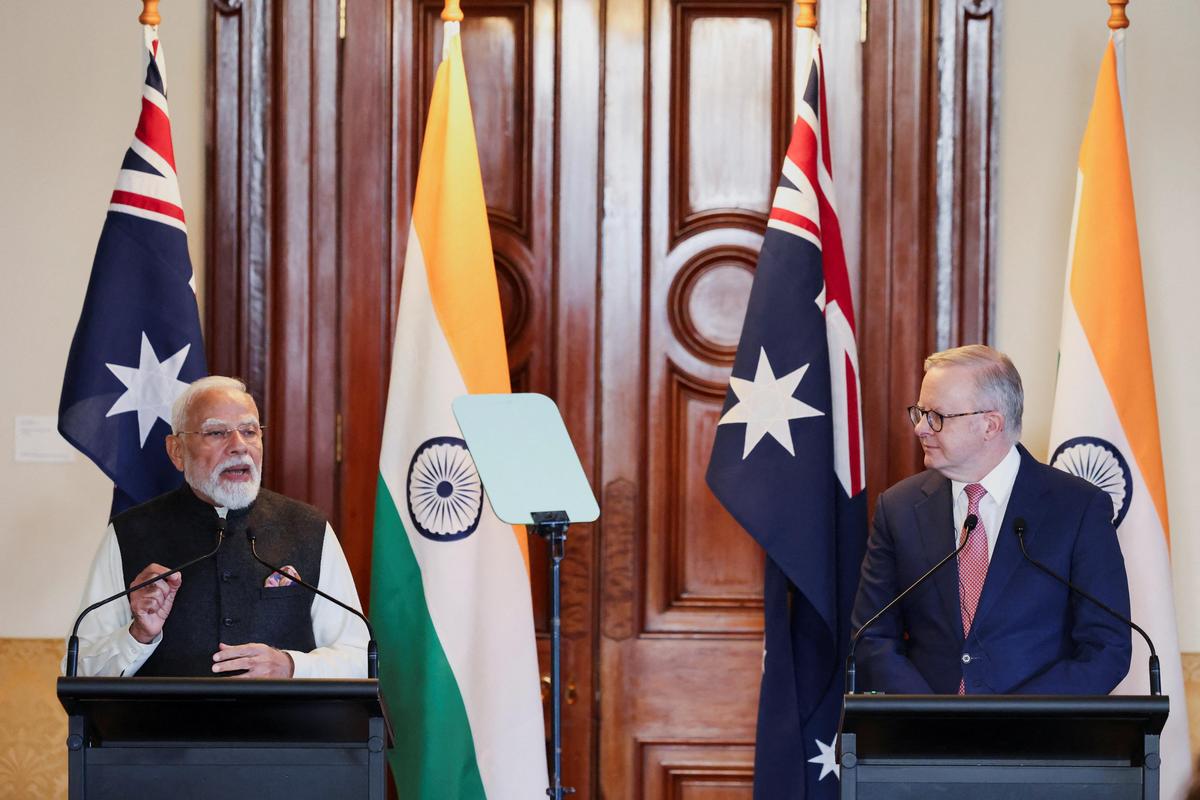
India and Australia also renewed efforts to conclude an early trade agreement that could eventually pave the way for a broader Comprehensive Economic Cooperation Agreement (CECA).
Negotiators from both countries are working to expand market access and reduce trade barriers following the success of earlier trade arrangements. The latest discussions focused on facilitating investment, increasing bilateral commerce and creating new opportunities for businesses across goods and services.
Trade between India and Australia has grown steadily in recent years, making India one of Australia's fastest-growing economic partners. Both governments expressed confidence that an early agreement could unlock fresh opportunities for exporters, manufacturers and service providers while further strengthening economic ties.
Defence and Indo-Pacific Security Cooperation
Security cooperation formed another major focus of the summit.
India and Australia agreed to enhance defence collaboration through expanded military engagements, greater maritime cooperation and closer strategic coordination across the Indo-Pacific region.
The leaders endorsed measures aimed at improving maritime domain awareness, strengthening cybersecurity cooperation and increasing defence exchanges. They also reaffirmed their shared commitment to maintaining a free, open and rules-based Indo-Pacific.
Counter-terrorism cooperation was another important area of discussion, with both governments pledging to expand intelligence sharing and strengthen efforts to combat terrorism financing, online radicalisation and transnational security threats.
These commitments further reinforce the growing strategic alignment between India and Australia, particularly through broader regional initiatives focused on ensuring peace, stability and resilience in the Indo-Pacific.
Critical Minerals Take Centre Stage
Critical minerals have emerged as one of the defining pillars of the India-Australia partnership.
Australia's vast reserves of lithium, rare earth elements and other strategic minerals are expected to play a vital role in supporting India's ambitions in electric mobility, battery manufacturing and advanced technologies.
By strengthening cooperation in this sector, both countries aim to diversify global supply chains, reduce dependence on concentrated sources of critical minerals and support domestic industries involved in clean energy technologies, semiconductors and next-generation manufacturing.
As countries around the world compete to secure strategic resources, the partnership between India and Australia is expected to become increasingly significant in shaping resilient and sustainable supply chains.
Stronger People-to-People Connections
Beyond economic and strategic cooperation, both leaders highlighted the importance of strengthening people-to-people ties.
The Indian diaspora continues to make significant contributions across Australia's business, education, healthcare and technology sectors. Educational partnerships, research collaborations and cultural exchanges have also expanded considerably over the past decade, creating stronger social and economic connections between the two nations.
These growing human links have become an important foundation for the broader bilateral relationship and continue to support closer cooperation across multiple sectors.
Bilateral Relationship Enters a New Phase
Observers believe the outcomes of the visit demonstrate how India-Australia relations have evolved beyond traditional diplomatic engagement.
What was once a partnership focused primarily on education, mining and trade has expanded to include advanced technologies, defence manufacturing, cybersecurity, artificial intelligence, resilient supply chains, clean energy and strategic cooperation across the Indo-Pacific.
The uranium agreement represents a particularly important milestone, resolving a long-pending issue while supporting India's clean energy goals and Australia's resource exports.
Similarly, renewed momentum towards an early trade agreement reflects both governments' determination to convert growing strategic trust into meaningful economic outcomes.
Looking Ahead
Although many of the agreements announced during the visit will require further implementation through government agencies and industry partnerships, the outcomes signal a shared commitment to building a long-term strategic relationship.
As countries increasingly compete for secure energy supplies, trusted technology partnerships and resilient critical mineral supply chains, India and Australia appear well-positioned to deepen cooperation across multiple sectors.
From civil nuclear cooperation and renewable energy to defence collaboration, infrastructure investment and trade, the agreements reached during Prime Minister Modi's visit provide a comprehensive roadmap for future engagement.
If implemented successfully, these initiatives have the potential to significantly boost bilateral trade, strengthen regional security cooperation and accelerate both countries' clean energy transitions, further cementing India and Australia's position as key strategic partners in shaping the future of the Indo-Pacific.
With inputs from agencies
Image Source: Multiple agencies
© Copyright 2026. All Rights Reserved. Powered by Vygr Media.