
 By
By 
What began as a routine ferry boarding at one of Bangladesh’s busiest river crossings ended in a catastrophic tragedy, as a passenger bus plunged into the Padma River at Daulatdia ferry ghat, killing at least 25 people and leaving several others missing in one of the deadliest transport accidents in recent months.
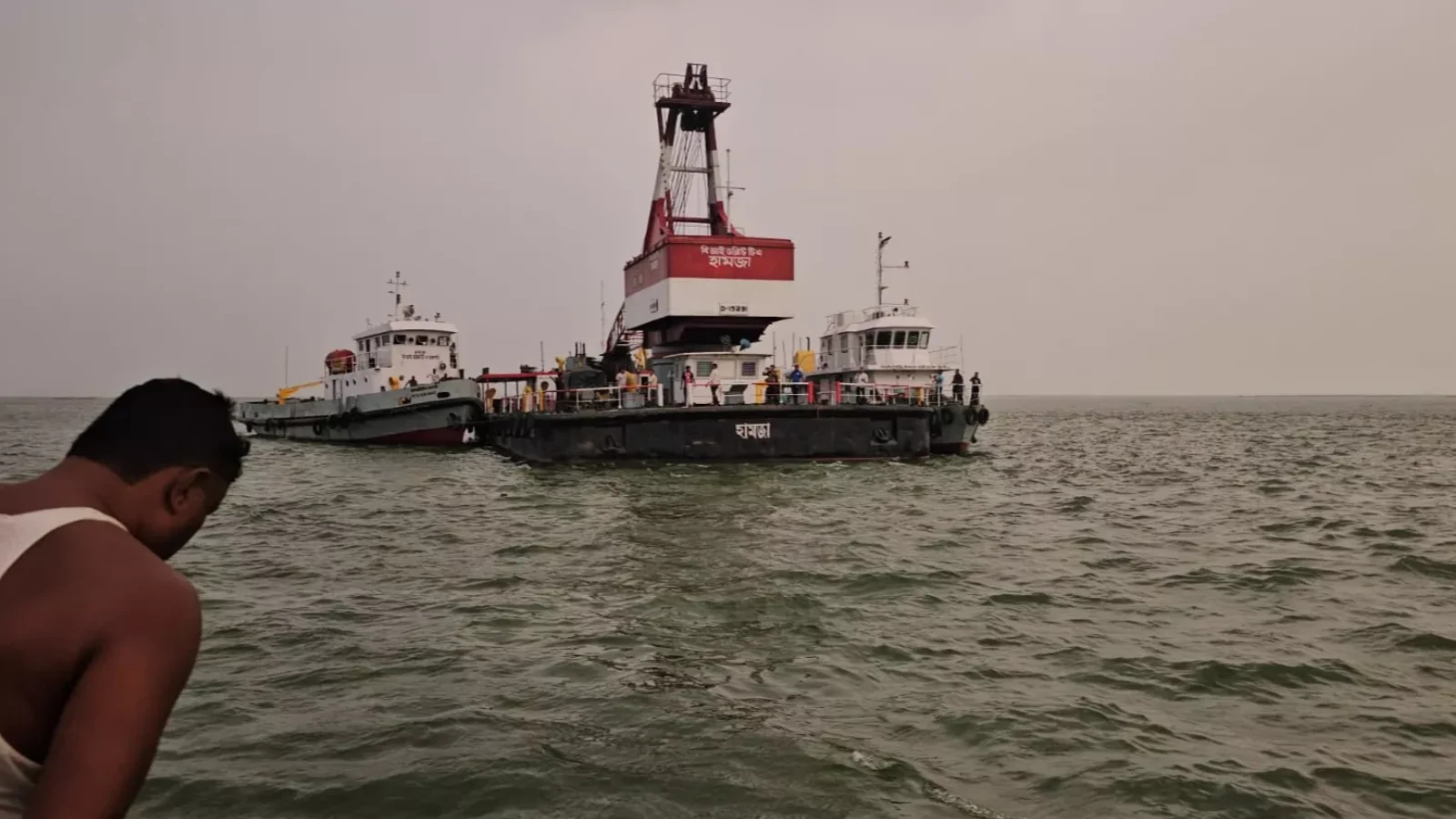
The Incident: A Deadly Fall into the Padma
The accident occurred on March 25, around 5:15–5:20 PM, at Daulatdia ferry ghat’s pontoon No. 3 in Rajbari district, approximately 100 kilometers from Dhaka.
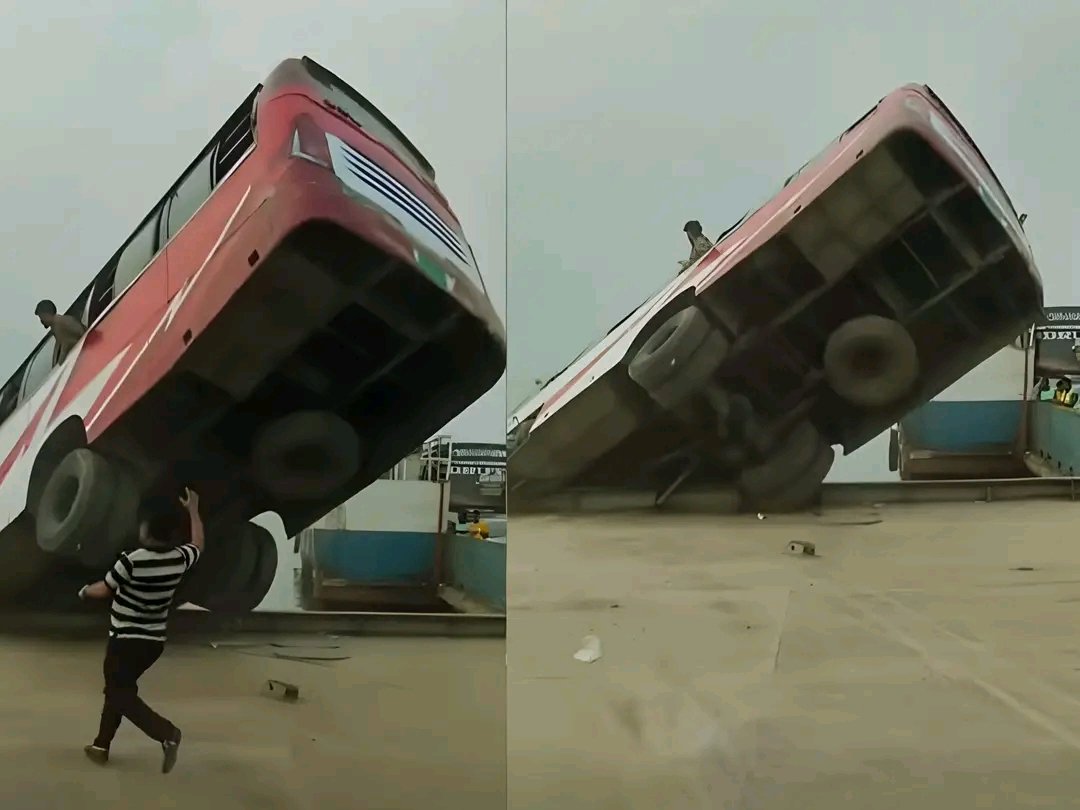
A Souhardo Paribahan passenger bus, carrying an estimated 40 to 50 passengers, was attempting to board a ferry on the Daulatdia–Paturia route when it suddenly lost control and plunged off the pontoon into the Padma River.
Initial reports suggest the bus overturned before sinking nearly 30 feet (around 9 meters) underwater, trapping many passengers inside.
Conflicting Accounts: Mechanical Failure or External Impact?
While authorities indicated that the bus driver may have lost control while approaching the ferry, eyewitness accounts and other reports point to an external trigger.
According to witnesses at the scene, a smaller vessel struck the ferry pontoon, causing a sudden jolt that may have forced the bus off balance and into the river.
Transport supervisor Monir Hossain described the helplessness of those present:
“The bus fell into the river right before our eyes, but we could do nothing.”
A video circulating on social media captured the horrifying moment as the bus slipped into the water in front of stunned onlookers.
Passengers Trapped, Few Escape
The bus was packed with passengers traveling from Kushtia to Dhaka, many returning to work after the Eid al-Fitr holidays, a period known for heavy travel congestion.
As the vehicle sank rapidly:
-
Only 8 to 11 passengers managed to escape or swim to safety
-
The majority were trapped inside the submerged bus
-
Survivors described scenes of panic, with passengers screaming and attempting to break windows as water rushed in
Rising Death Toll and Grim Recovery
Rescue operations continued through the night and into the following day, with authorities reporting evolving casualty figures:
-
25 bodies recovered in total
-
22 bodies found inside the bus itself
-
Among the deceased were women and children, including at least 10–11 women and multiple children
-
Two additional victims died after being rescued, raising the confirmed toll
-
Eight passengers remain missing, according to latest updates
Earlier recovery phases had reported 18 to 23 bodies, reflecting the evolving nature of the search effort.
Massive Rescue Operation
A large-scale rescue effort was launched immediately after the accident, involving:
-
Fire Service and Civil Defence divers
-
Army, police, and coast guard personnel
-
River police and ferry authorities
Key details of the operation include:
-
The bus had sunk to depths of 20–30 feet underwater
-
It took more than five hours to locate and lift the submerged vehicle
-
The wreck was finally retrieved late at night by a rescue vessel
-
Rescue teams worked overnight despite strong currents, poor visibility, and rain, which significantly hampered efforts
Officials feared that additional passengers could still be trapped or missing, prolonging search operations.
Human Toll: Families Devastated
Scenes at local hospitals and mortuaries were marked by grief, as relatives gathered to identify victims. Many families lost multiple members, reflecting the devastating human cost of the tragedy.
Government officials expressed deep condolences, mourning the loss of life and promising accountability.

A Pattern of Transport Tragedies
The Daulatdia disaster has once again highlighted systemic safety concerns in Bangladesh’s transport infrastructure, particularly at ferry terminals that handle heavy passenger and vehicle traffic daily.
Key concerns include:
-
Poor pontoon stability and docking safety
-
Lack of strict vehicle movement control during boarding
-
Inadequate collision prevention mechanisms
The tragedy comes just days after another fatal incident in Cumilla, where a train collided with a bus at a level crossing, killing at least 12 people, further intensifying national concern over transport safety standards.
Why Accidents Like This Are Common
Bangladesh, crisscrossed by over 230 rivers, relies heavily on ferries for transportation. However, this dependence has historically been accompanied by frequent accidents.
Authorities and experts point to recurring issues:
-
Overcrowding during peak travel seasons, especially after festivals like Eid
-
Weak enforcement of safety regulations
-
Aging infrastructure and limited modernization of ferry systems
Hundreds of people die each year in road and ferry accidents, making such tragedies tragically common.
Investigation Underway
Authorities have launched an investigation to determine the exact cause of the accident, focusing on:
-
Whether the bus driver lost control due to human error
-
The role of the collision with the smaller vessel
-
Possible structural or operational failures at the ferry terminal
Officials have pledged accountability and measures to prevent similar incidents in the future.
A Preventable Disaster?
The Daulatdia ferry ghat accident is more than a tragic incident—it is a stark reminder of the vulnerabilities in Bangladesh’s transport systems.
A routine ferry boarding turned into a mass-casualty disaster within seconds, claiming at least 25 lives, injuring others, and leaving families shattered.
As rescue operations wind down and investigations proceed, the key question remains: could this tragedy have been prevented?
Until systemic safety issues are addressed, the risk of such devastating accidents will continue to loom over one of the country’s most vital transport lifelines.
With inputs from agencies
Image Source: Multiple agencies
© Copyright 2025. All Rights Reserved. Powered by Vygr Media.