 By
By 
Against the backdrop of an escalating conflict in West Asia that has begun to ripple across global energy markets and maritime trade routes, the Indian government convened a high-stakes all-party meeting on Wednesday, attempting to build political consensus on the country’s response. While the Centre asserted that it had addressed “all concerns” raised by opposition leaders, several parties walked away dissatisfied, exposing fault lines even as calls for national unity grew louder.
A Crisis with Global and Domestic Fallout
The urgency of the meeting stems from a rapidly deteriorating geopolitical situation in West Asia. The conflict—now in its fourth week—was triggered after Iran’s Supreme Leader Ayatollah Ali Khamenei was killed in joint US-Israeli strikes on February 28, prompting retaliatory attacks by Iran on US and Israeli assets across Gulf nations.
This escalation has severely disrupted key maritime corridors, particularly the Strait of Hormuz—one of the world’s most critical energy chokepoints—leading to volatility in global oil and gas supplies and raising concerns for countries like India that depend heavily on the region.
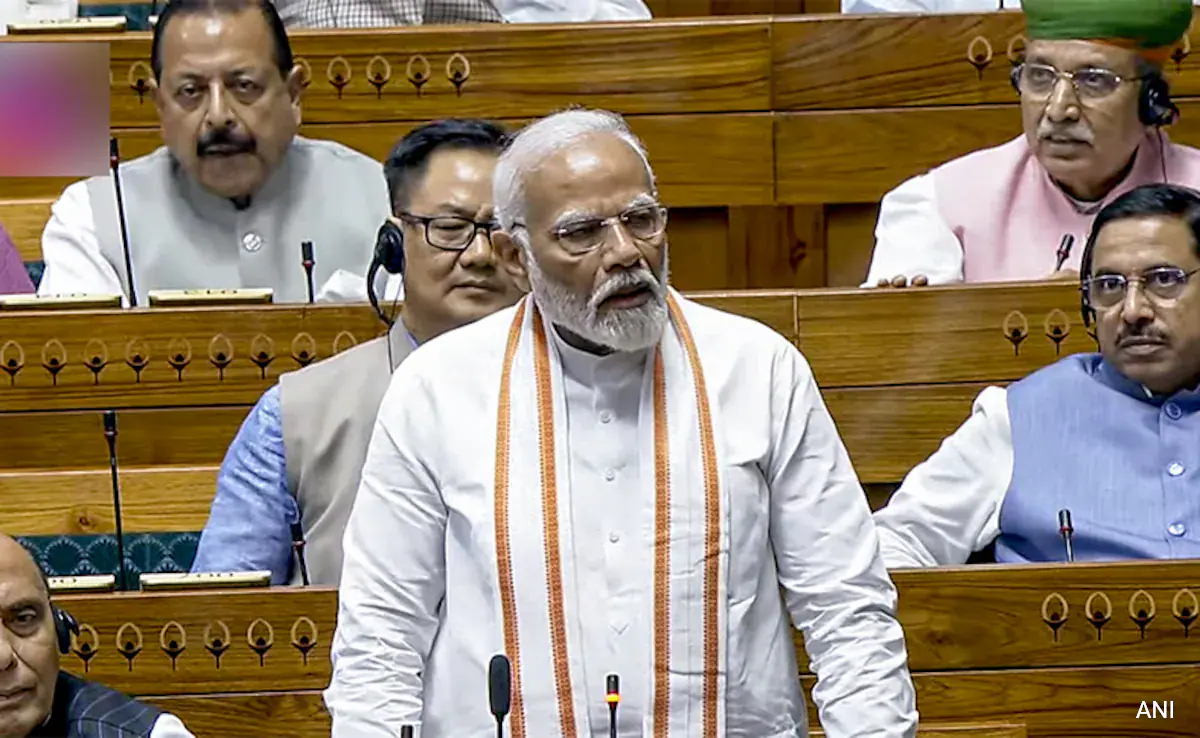
Prime Minister Narendra Modi had earlier described the situation as “worrisome,” warning that the crisis poses “unprecedented challenges” not just economically but also in terms of national security and humanitarian concerns.
Inside the All-Party Meeting
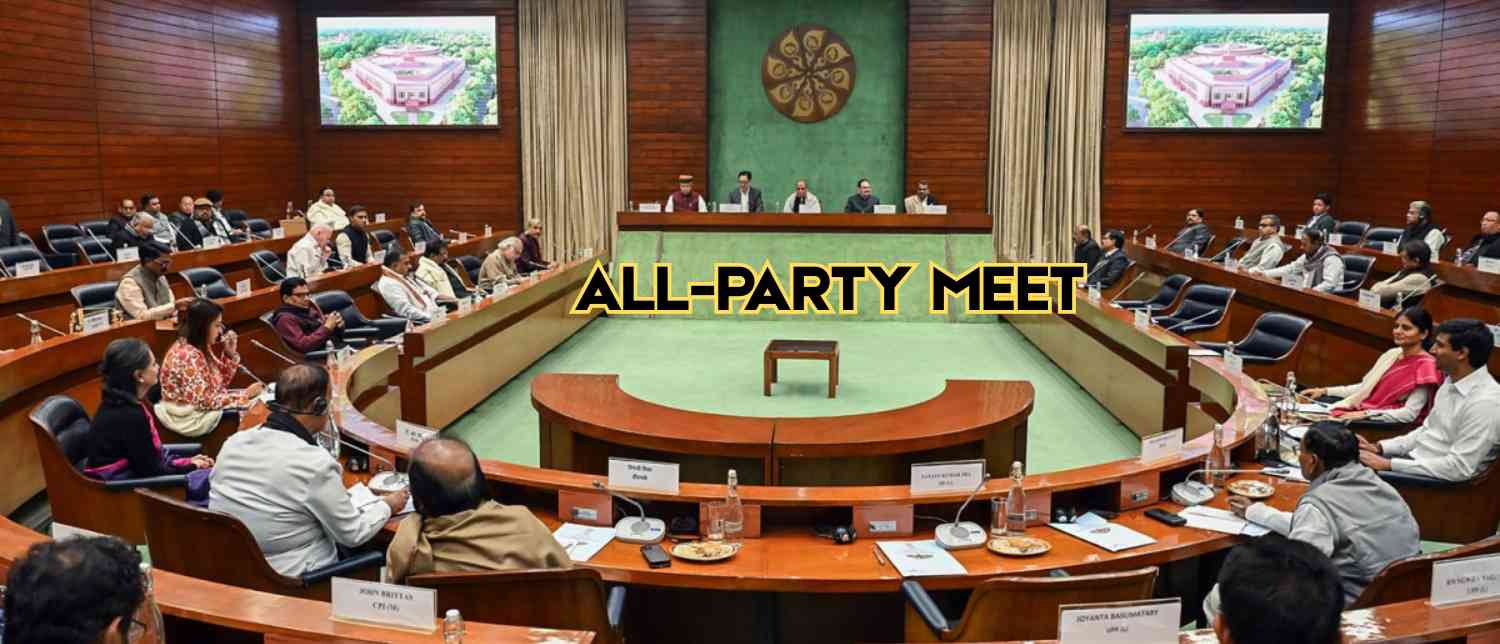
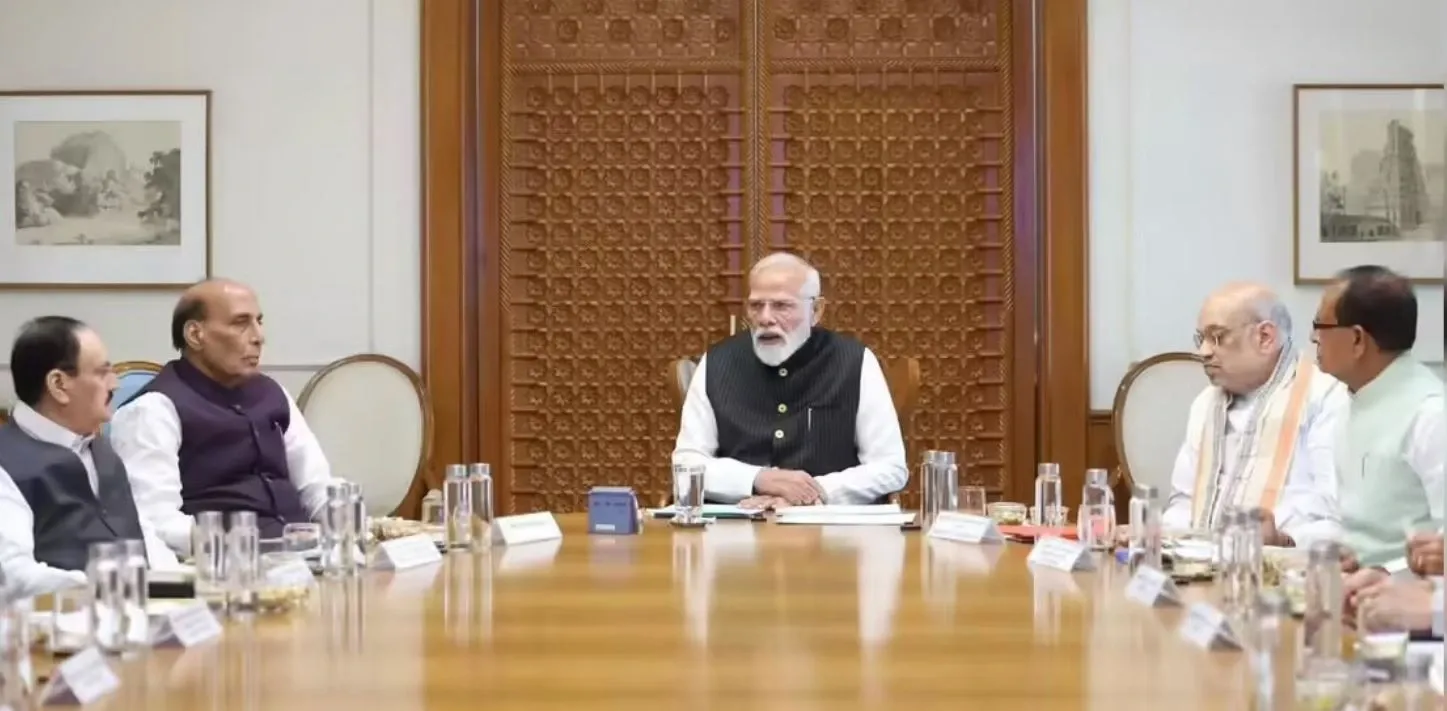
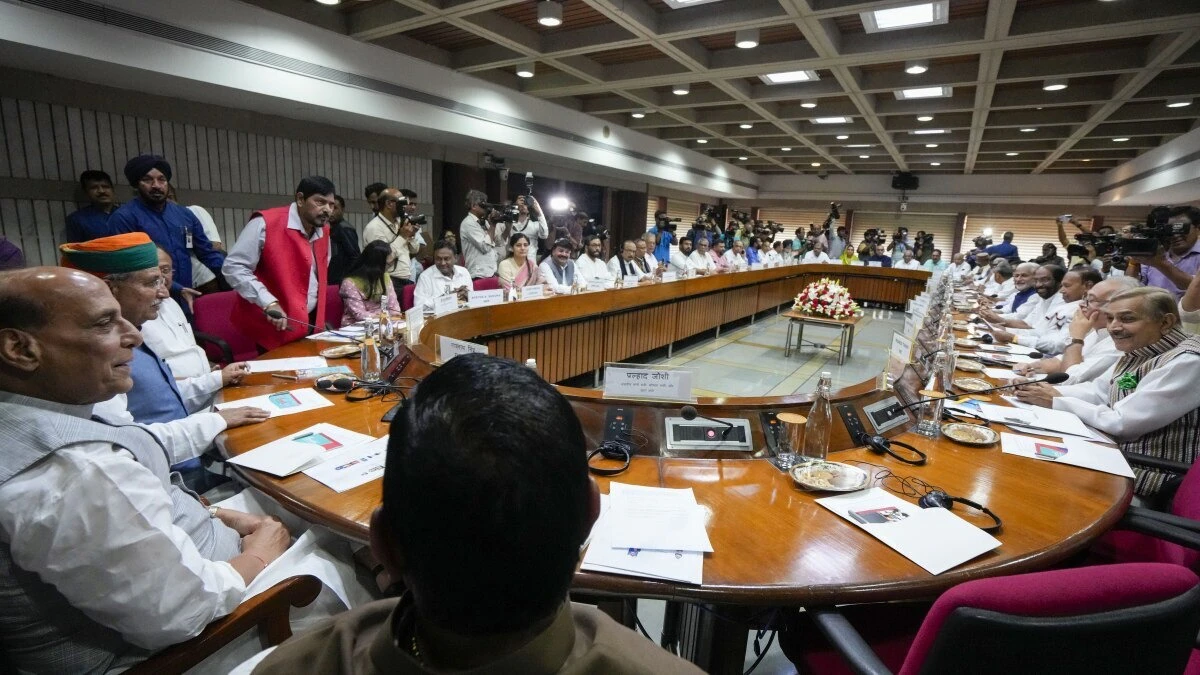
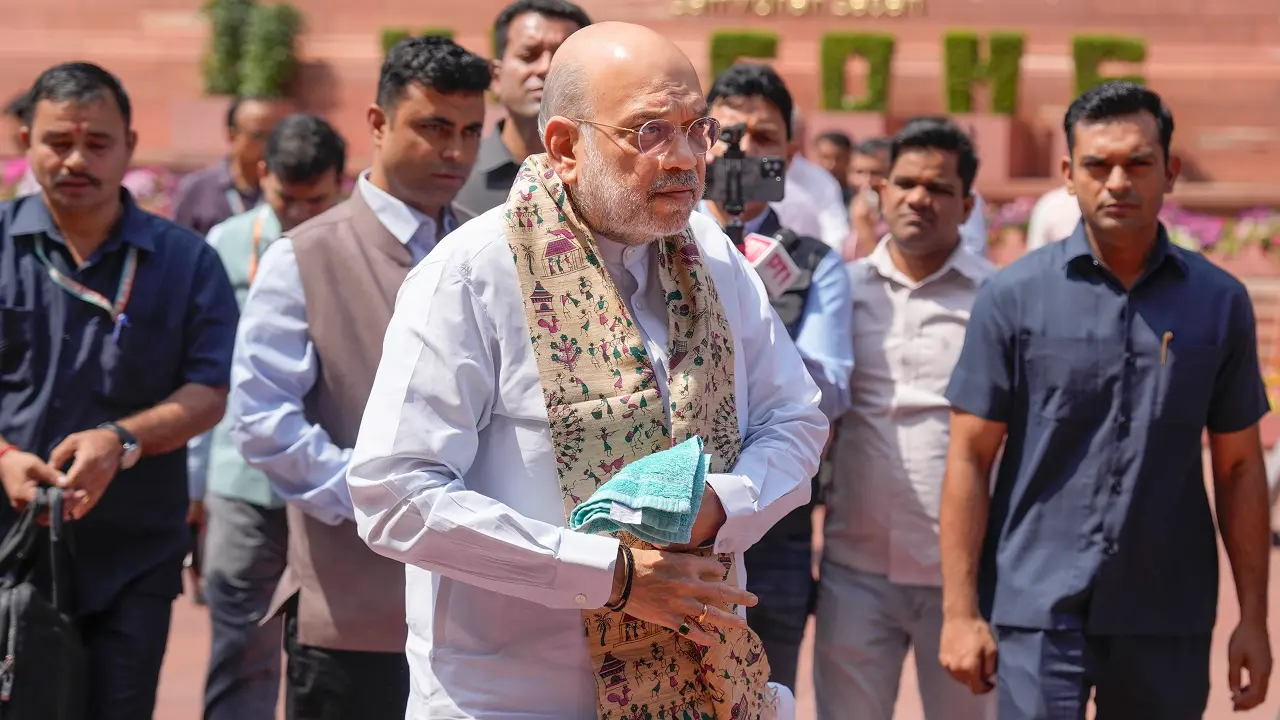
The all-party meeting, chaired by Defence Minister Rajnath Singh at the Parliament complex, began at 5 PM and saw participation from top government leaders including Home Minister Amit Shah, Finance Minister Nirmala Sitharaman, External Affairs Minister S. Jaishankar, Petroleum Minister Hardeep Puri, and Foreign Secretary Vikram Misri.
Leaders from across the political spectrum attended, including representatives from the BJD, JD(U), Congress, Samajwadi Party, CPI(M), and others.
According to Parliamentary Affairs Minister Kiren Rijiju, the government provided a “detailed presentation” addressing concerns related to energy security, supply chain disruptions, and the safety of Indian nationals in the Gulf.
Rijiju said that “all queries and confusion were clearly explained,” adding that opposition leaders appreciated the government’s initiative to convene the meeting at a critical juncture.
Government’s Key Assurances
The Centre used the meeting to reassure political parties—and by extension, the public—that the situation, though serious, was under control.
-
No immediate fuel crisis: The government stressed that there was “no need for panic,” assuring that India has sufficient crude oil and gas supplies, with additional shipments already secured.
-
Strategic preparedness: Officials highlighted measures taken to secure energy routes and maintain supply chains, including arrangements for ships passing through the Strait of Hormuz.
-
Focus on diaspora safety: The safety of millions of Indians living and working in Gulf countries remains a top priority.
Notably, the government informed parties that it had already secured vessels to ensure continuity in energy imports, addressing a major concern given that a significant portion of India’s oil and gas comes from the region.
Additionally, Prime Minister Modi has announced the formation of seven empowered groups tasked with managing critical sectors such as fuel, fertilisers, and supply chains to mitigate the impact of the conflict.
A Call for Unity—and Support
Despite the tense geopolitical backdrop, the government emphasized the need for a unified national response.
Rijiju noted that leaders across party lines acknowledged the gravity of the situation and stressed the importance of standing together. Many opposition parties, he said, “thanked the government” for calling the meeting and expressed support in principle during such a challenging time.
Separate reports also indicated that several opposition parties assured their backing for the government’s handling of the crisis, reflecting a broader consensus on safeguarding national interests amid global instability.
Opposition Voices Dissent
However, beneath the surface of apparent unity, discontent simmered.
Congress MP Tariq Anwar described the meeting as “unsatisfactory,” stating that the opposition’s primary demand—a full-fledged discussion in both Houses of Parliament—remains unmet.
Echoing this sentiment, Samajwadi Party leader Dharmendra Yadav said that while questions were raised in the “national interest,” the government failed to provide “specific, satisfactory answers.”
Opposition leaders pressed the government on several fronts:
-
Energy vulnerability: Concerns were raised about India’s dependence on the Strait of Hormuz, through which nearly 70% of its energy supplies pass.
-
Diplomatic stance: Some leaders questioned India’s positioning in the conflict and its relations with key players like Iran and Israel.
-
Domestic shortages: Issues such as potential LPG shortages and rising fuel concerns were also flagged.
Aam Aadmi Party leader Sanjay Singh highlighted that while the government claimed sufficient supply, concerns about LPG availability persist, noting that around 60% of LPG is produced domestically.
Anwar also made a pointed remark suggesting that Pakistan appears to be playing a mediator’s role in the conflict, while India remains on the sidelines—a comment reflecting deeper dissatisfaction with India’s diplomatic posture.
Political Undertones and Absences
The meeting was not without political undertones.
Leader of Opposition Rahul Gandhi did not attend the meeting, citing prior commitments in Kerala, though the Congress party remained critical of the government’s approach.
Earlier, the Congress had described Prime Minister Modi’s Parliament address on the crisis as a “prepared text full of self-praise,” underscoring the friction between the government and opposition even before the meeting began.
Parliament Debate: A Continuing Demand
The all-party meeting comes amid ongoing debates in Parliament during the Budget Session, where the West Asia crisis has dominated discussions.
Opposition parties have repeatedly demanded a detailed debate in both the Lok Sabha and Rajya Sabha, arguing that the issue’s far-reaching implications—from energy security to the safety of Indian nationals—require deeper parliamentary scrutiny.
The government, meanwhile, has used Parliament sessions to brief members on the evolving situation and outline its preparedness, including measures to protect trade routes and stabilize supplies.
India’s Stakes in the West Asia Conflict
India’s concerns are not abstract—they are deeply tied to economic and strategic realities.
-
Energy dependence: A large share of India’s crude oil and gas imports comes from West Asia.
-
Trade routes: The region serves as a vital corridor for India’s global trade.
-
Indian diaspora: Nearly one crore Indians live and work in Gulf countries, making their safety a critical priority.
Additionally, Indian seafarers and commercial vessels operating in the region face heightened risks amid escalating hostilities and disruptions to shipping lanes.
Diplomatic Engagement and Global Outreach
India has also engaged diplomatically at the highest levels.
Prime Minister Modi recently held discussions with US President Donald Trump, emphasizing the need for de-escalation and the importance of keeping the Strait of Hormuz open and secure. Both leaders agreed to remain in touch on efforts to restore peace and stability.
India has reiterated its support for dialogue and diplomacy as the preferred path to resolving the crisis, aligning with global calls for restraint.
The Road Ahead
The all-party meeting may have achieved partial consensus, but it also highlighted the complexities of navigating a global crisis in a politically charged domestic environment.
On one hand, the government has projected confidence—asserting preparedness, ensuring supply stability, and calling for unity. On the other, the opposition’s dissatisfaction signals that political scrutiny will continue, particularly in Parliament.
As the West Asia conflict intensifies, India faces a delicate balancing act: safeguarding its economic and strategic interests while maintaining diplomatic neutrality and domestic political cohesion.
For now, the message from the Centre is clear—there is no immediate cause for alarm. But with global tensions showing no signs of easing, the real test of India’s preparedness may still lie ahead.
With inputs from agencies
Image Source: Multiple agencies
© Copyright 2025. All Rights Reserved. Powered by Vygr Media.