 By
By 
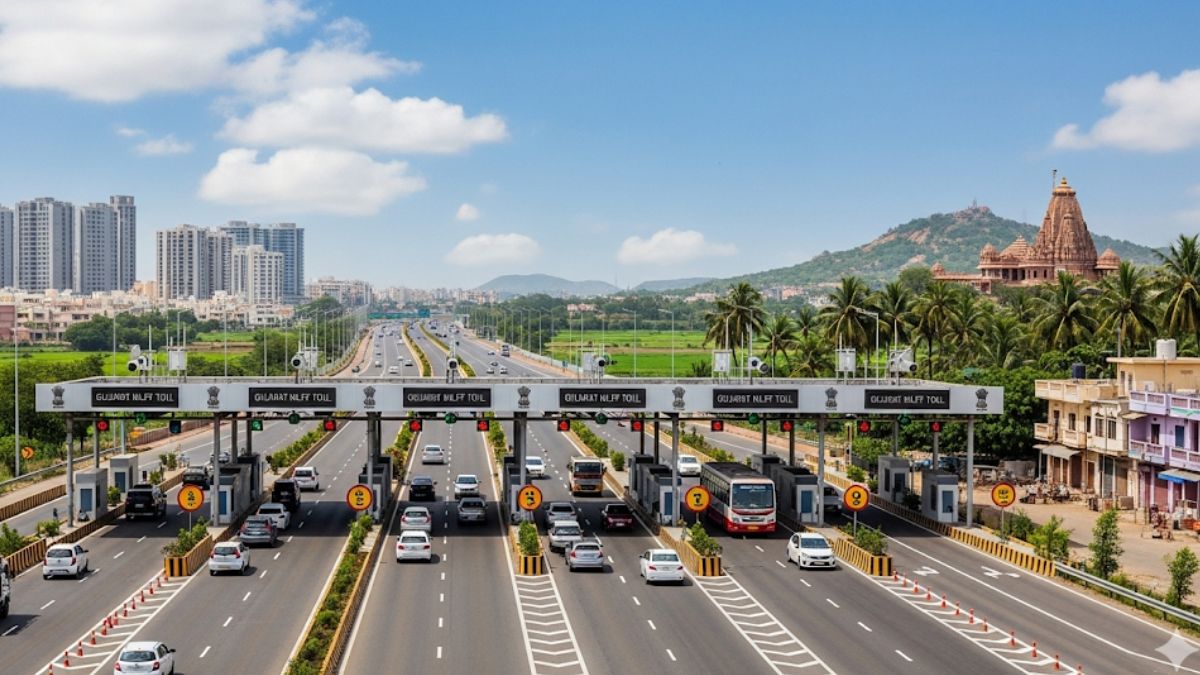
India has taken a significant step toward transforming highway travel and electronic toll collection with the launch of the country’s first Multi-Lane Free Flow (MLFF) tolling system on the Surat–Bharuch stretch of National Highway-48 in Gujarat. The new barrier-less tolling system, introduced by the National Highways Authority of India (NHAI) at the Chorayasi Toll Plaza, is expected to drastically reduce congestion, improve travel efficiency, cut fuel wastage, and modernise the nation’s toll collection infrastructure.
The rollout represents a major policy and technological shift in India’s highway ecosystem. Unlike traditional toll plazas where vehicles are required to stop or slow down for toll payments, the MLFF system enables vehicles to move seamlessly through toll points without any physical barriers. Toll charges are automatically deducted using a combination of Automatic Number Plate Recognition (ANPR) technology and FASTag-based electronic toll collection systems.
According to the Ministry of Road Transport and Highways, around 41,500 vehicles crossed the newly implemented MLFF toll location on the very first day of operations, highlighting both the scale of adoption and the operational readiness of the technology.
What Is the Multi-Lane Free Flow Tolling System?
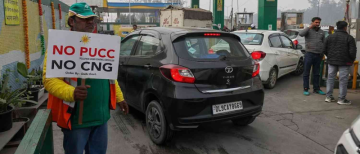
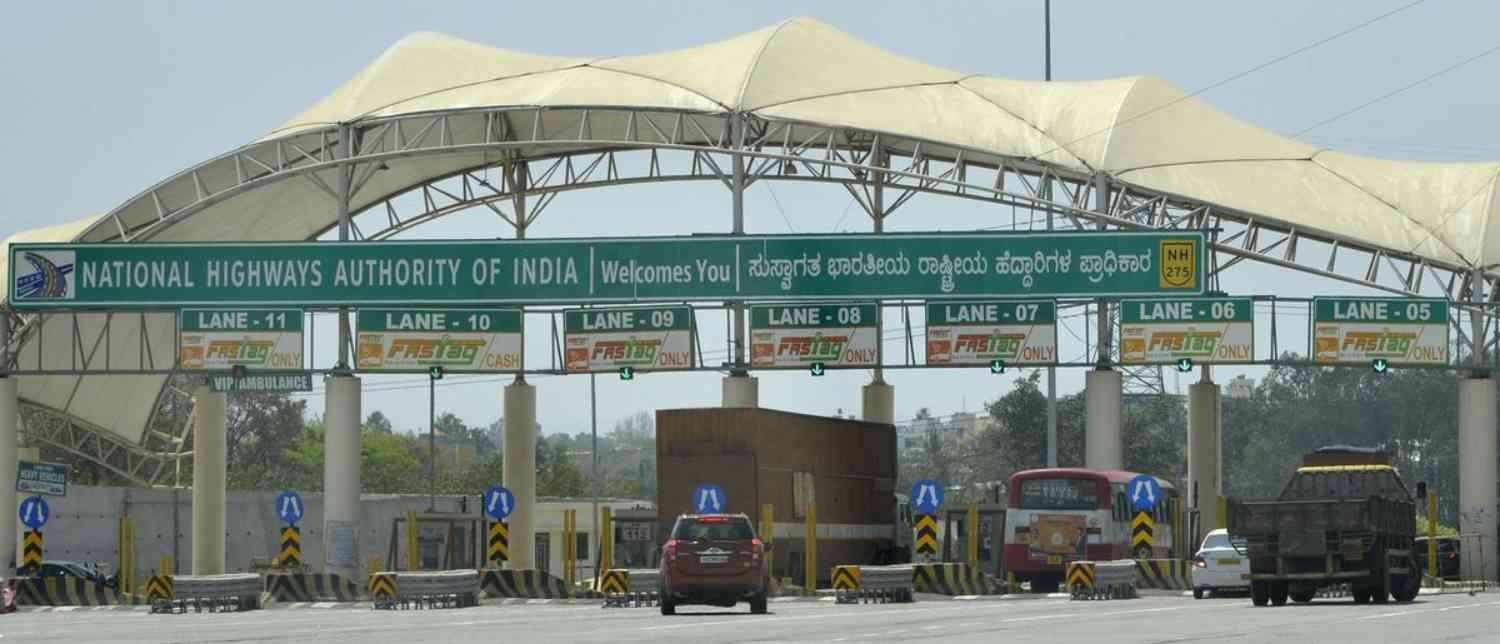
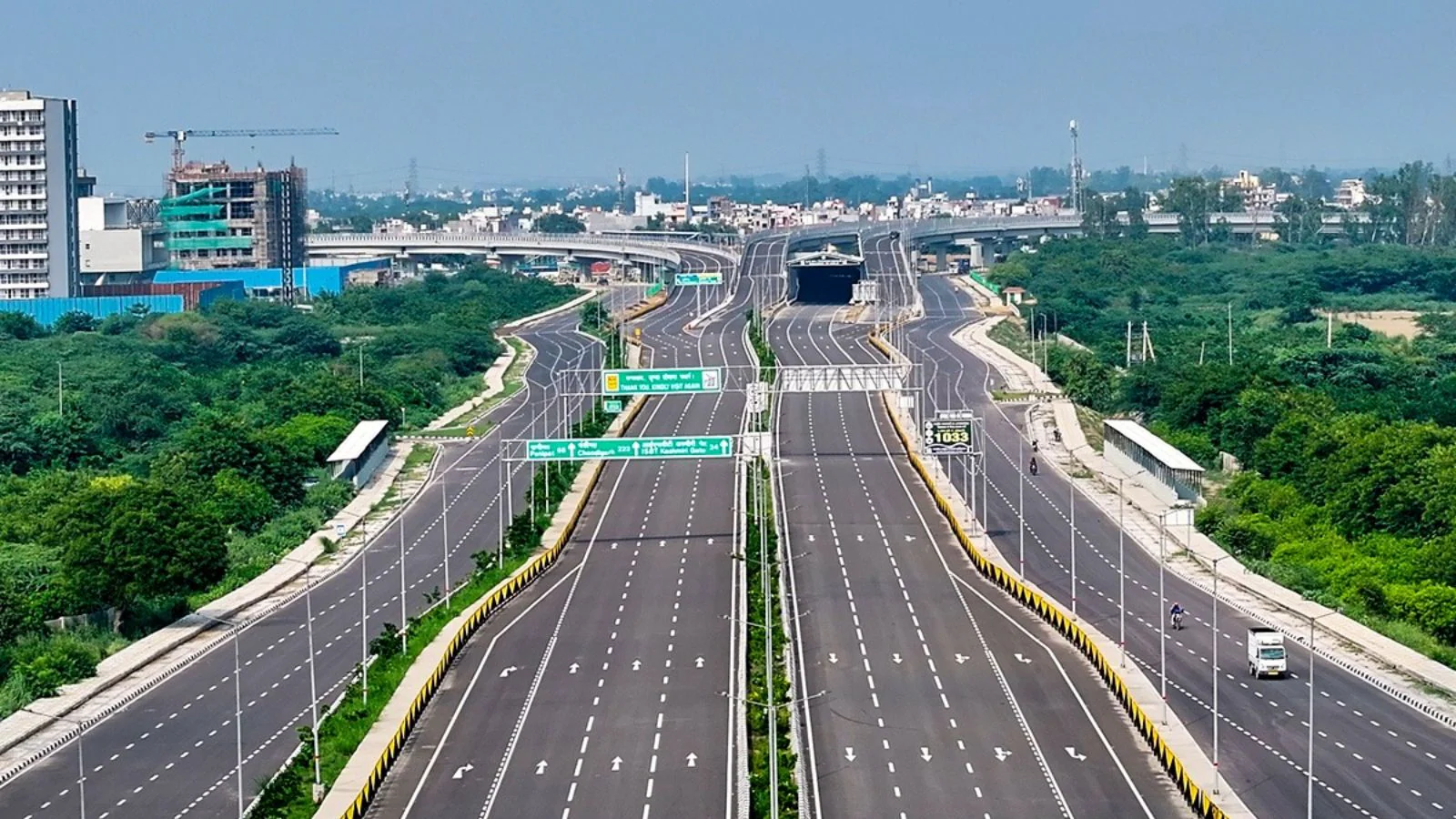
The Multi-Lane Free Flow tolling system is designed to eliminate the bottlenecks commonly associated with conventional toll plazas. Under the new framework, there are no toll booths, no physical barriers, and minimal human intervention. Vehicles continue travelling at regular highway speeds while overhead gantries equipped with high-resolution cameras and RFID-enabled systems identify the vehicle and automatically process toll payments.
The system primarily relies on two technologies:
-
Automatic Number Plate Recognition (ANPR): Cameras capture and verify vehicle registration numbers in real time.
-
FASTag Integration: RFID-based FASTag systems deduct toll amounts directly from linked wallets or bank accounts.
Together, these technologies ensure fully automated and contactless tolling operations.
Officials say the new model marks a “paradigm shift” in how toll collection will function on Indian highways in the coming years. The government believes the technology will eventually replace conventional toll plazas across several national highway corridors.
Why the NH-48 Corridor Was Chosen
The Surat–Bharuch section of NH-48 is among the busiest highway stretches in western India and forms part of the larger Delhi–Mumbai corridor. NH-48 itself spans approximately 2,807 kilometres, connecting Delhi to Chennai through multiple economically important regions.
Heavy freight movement, industrial traffic, and high passenger vehicle volumes make the corridor an ideal testing ground for a technology-driven tolling model. Frequent congestion and long waiting times at toll plazas had previously contributed to fuel wastage, delays, and higher vehicular emissions. The MLFF rollout is aimed at addressing these long-standing issues.
Key Benefits for Commuters and Highway Users
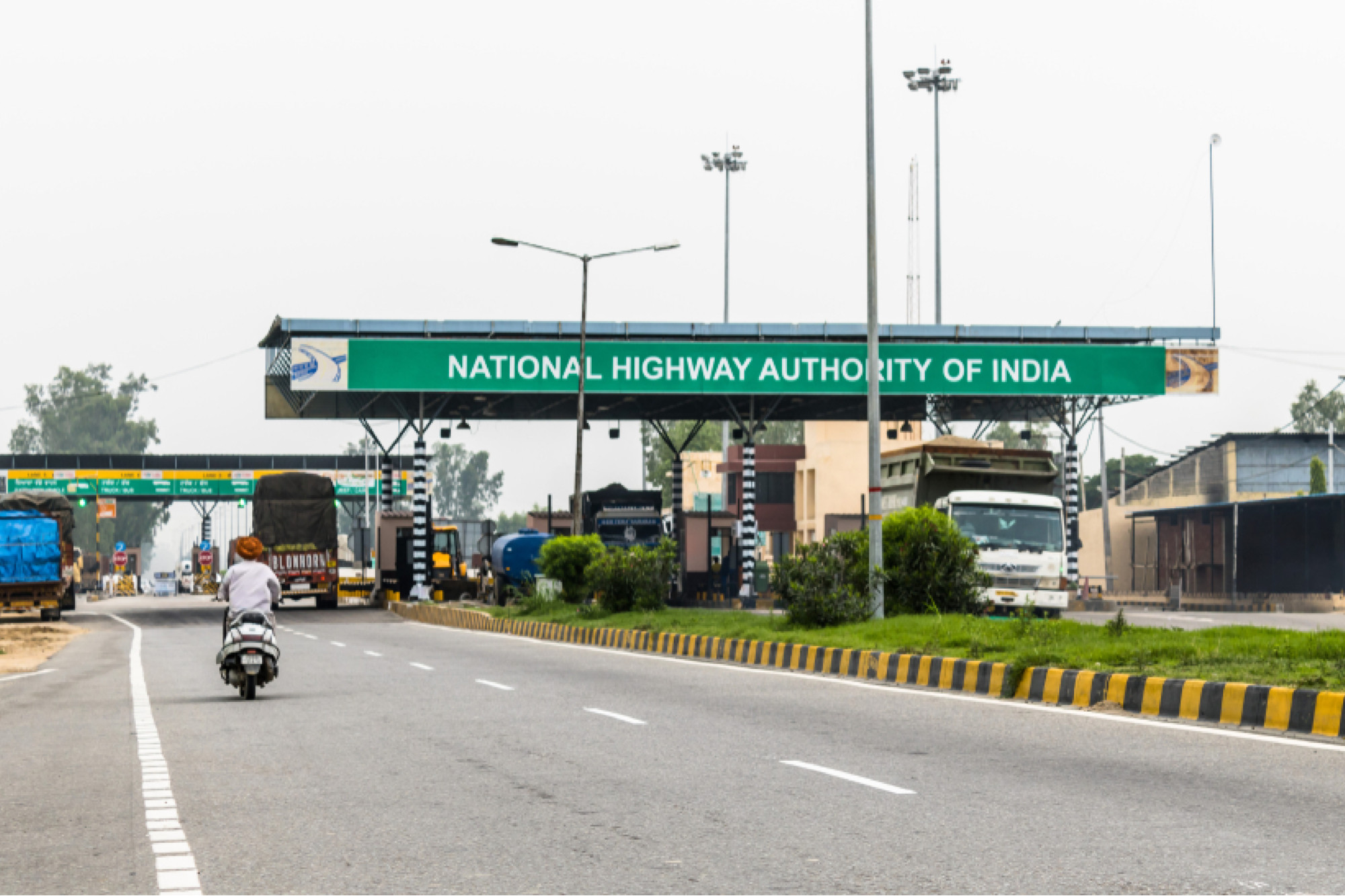
One of the biggest advantages of the MLFF system is the elimination of waiting time at toll plazas. Vehicles no longer need to queue or stop for toll deduction, leading to uninterrupted traffic flow. This is expected to significantly reduce travel time for both passenger and commercial vehicles.
The government and NHAI have highlighted several expected benefits from the new system:
-
Reduced traffic congestion at toll plazas
-
Faster travel and smoother highway movement
-
Lower fuel consumption due to reduced idling
-
Reduction in vehicular emissions
-
Enhanced commuter convenience
-
Improved transparency in toll operations
-
Lower operational costs associated with physical toll booths
Industry estimates suggest that the broader implementation of MLFF technology could help India save nearly ₹1,500 crore annually in fuel costs alone.
The environmental impact could also be substantial. Reduced idling at toll plazas means fewer emissions from vehicles waiting in long queues, particularly heavy commercial vehicles and freight carriers operating on national highways.
How the System Handles Non-Payment
The barrier-less tolling model also introduces stricter digital enforcement mechanisms. If a vehicle has insufficient FASTag balance, an invalid FASTag, or a non-functional tag, authorities can issue an electronic notice for unpaid toll charges.
Users are expected to clear unpaid toll dues within 72 hours. Failure to do so may result in penalties, including doubled toll charges in certain cases.
The system is expected to reduce disputes and manual intervention while improving transparency and accountability in toll collection operations.
Part of India’s Larger Highway Digitalisation Push
The launch of the MLFF system is not an isolated initiative but part of a broader government push to modernise India’s highway infrastructure through digital technology and smart mobility solutions. FASTag-based toll collection was first introduced in India in 2015 as part of efforts to digitise toll payments using RFID technology.
Over the years, FASTag adoption expanded rapidly across the national highway network. However, vehicles still had to slow down or stop at physical barriers. The MLFF model takes this transformation a step further by eliminating the need for physical toll plazas altogether.
Earlier reports from 2025 had indicated that Gujarat’s Chorayasi Toll Plaza and the Gharaunda toll plaza on the Delhi–Chandigarh highway were selected as pilot locations for India’s first barrier-free tolling systems. Agreements for implementation were reportedly signed by the Indian Highway Management Company Ltd (IHMCL), operating under NHAI, along with banking partners including ICICI Bank.
The success of the Gujarat rollout is likely to accelerate expansion plans for MLFF technology across other high-density highway corridors in India.
Public Reaction and Early Response
Initial public reaction to the new tolling model has largely been positive, especially among frequent highway users who have long complained about traffic jams and delays at toll plazas. Online discussions and social media conversations described the experience as smoother, faster, and more efficient compared to traditional toll systems.
Many commuters welcomed the elimination of long queues and unnecessary stoppages, with users highlighting reduced stress during highway travel and better driving continuity. Some discussions also pointed to the possibility of a future nationwide transition toward fully automated tolling.
However, there are also concerns regarding implementation consistency, road quality, and the effectiveness of digital enforcement systems. Some highway users have raised questions about transparency, toll pricing, and maintenance standards on certain highway stretches.
Despite these concerns, the successful first-day operation involving more than 41,500 vehicles is being viewed as a strong indicator of the system’s viability.
A Glimpse Into the Future of Indian Highways
The launch of India’s first barrier-less tolling system signals the beginning of a new era in highway transportation. By combining digital payments, AI-driven vehicle recognition, and automated enforcement mechanisms, the government aims to build a more efficient, cost-effective, and commuter-friendly tolling ecosystem.
For a country with one of the world’s largest road networks and rapidly growing vehicle traffic, the shift toward seamless tolling could play a major role in improving logistics efficiency, reducing transportation delays, and supporting economic growth.
As India continues expanding its expressway and highway infrastructure, the success of the MLFF system in Gujarat may well become the blueprint for the next generation of smart highways nationwide.
With inputs from agencies
Image Source: Multiple agencies
© Copyright 2026. All Rights Reserved. Powered by Vygr Media.