 By
By 
The grief of a father in Pune has turned into a cry that should shake the conscience of an entire nation—but will it?
Standing in Dehu, preparing to immerse the ashes of his three-year-old daughter, a man made a plea that cut through the noise of political statements and public outrage. He did not want sympathy visits. He did not want folded hands and rehearsed condolences. He wanted justice. Swift. Absolute. Final.
“Until my daughter receives justice and the accused is awarded the death penalty, no politician should come to our home,” he said in a video message, his voice carrying the unbearable weight of loss. This is not just a grieving father speaking. This is an indictment of a system that repeatedly fails its most vulnerable.
A Brutal Crime That Has Shaken Maharashtra
The crime itself is as horrifying as it is depressingly familiar.
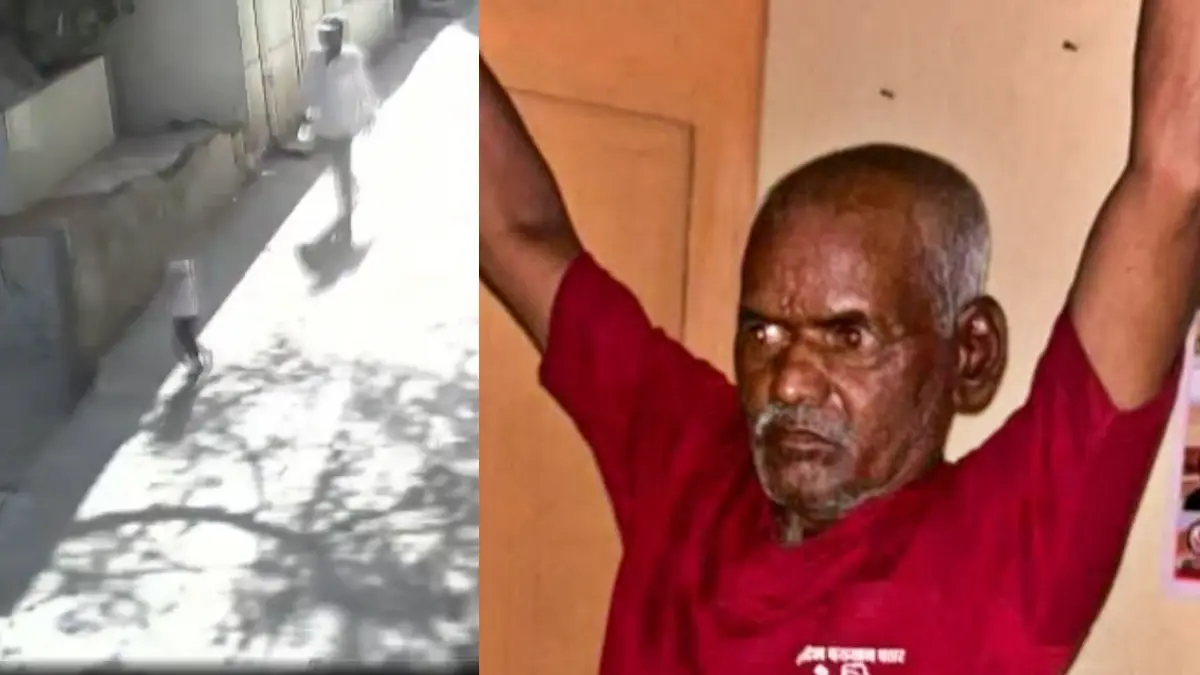
On May 1, in Bhor, a four-year-old girl was lured away with the promise of food by a 65-year-old man. According to police, he took her to a cattle enclosure—an ordinary rural structure that became the site of unspeakable violence. There, he allegedly sexually assaulted the child and then killed her by smashing her head with a stone.
Let that sink in. A child. Four years old. Brutalised and murdered by a man old enough to be her grandfather.
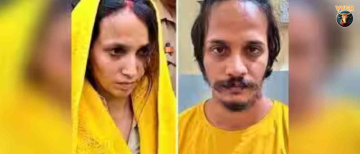
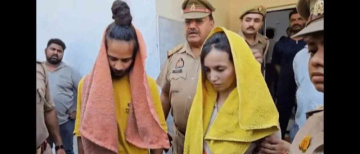
The accused, a local labourer, did not emerge from nowhere. He lived in the same area. He blended into the same community. And most damningly, he had a criminal past. Pune Rural Superintendent of Police Sandeep Singh Gill confirmed that the man had two prior cases against him, including one under the Protection of Children from Sexual Offences Act.
How does a man with a history of crimes against children remain free long enough to commit such an atrocity again?
The Questions No One Wants to Answer
This is where the outrage must move beyond candle marches and hashtags.
If there was already a POCSO case against the accused, why was he not under strict surveillance? Why was he not behind bars? Why was a known threat allowed to roam freely in a village where children play without fear, at least, they used to?
And more importantly: how many more such men are out there, known to the system, documented in files, yet walking among us?
The answers are uncomfortable. They point to systemic failure—of policing, of legal processes, and of accountability.
A District Erupts in Anger
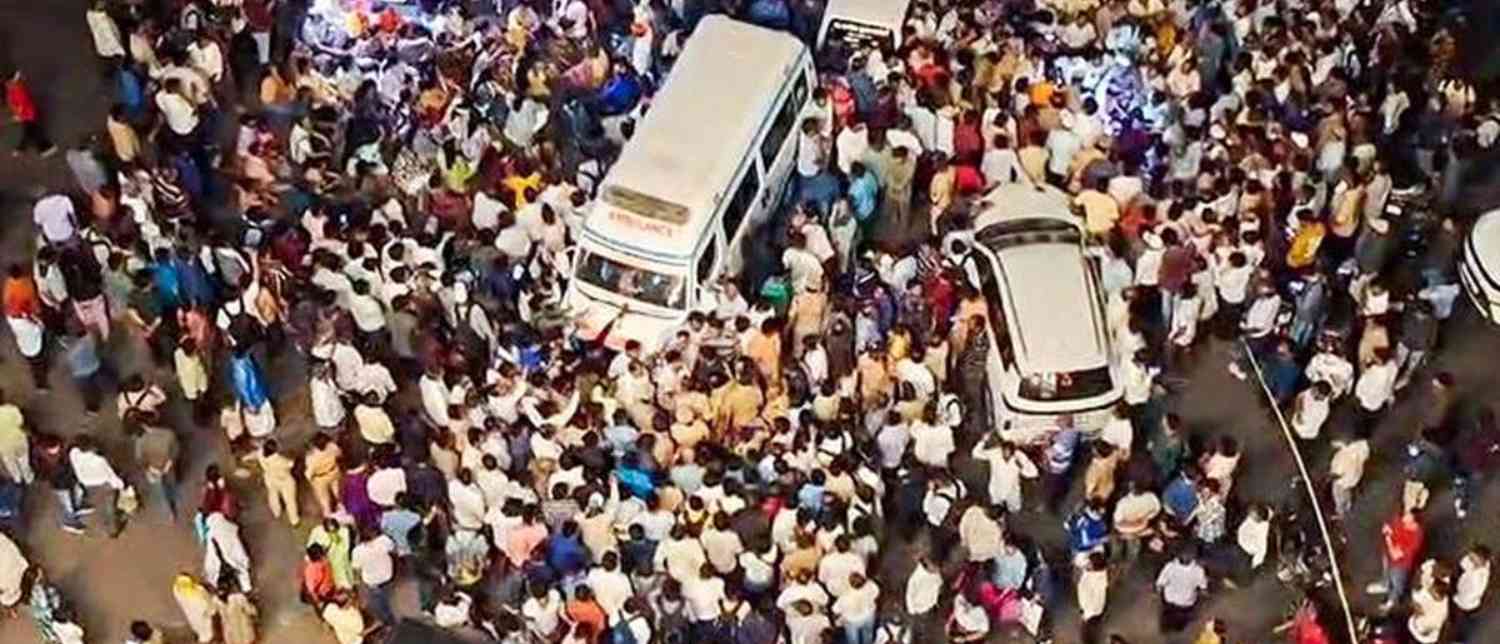
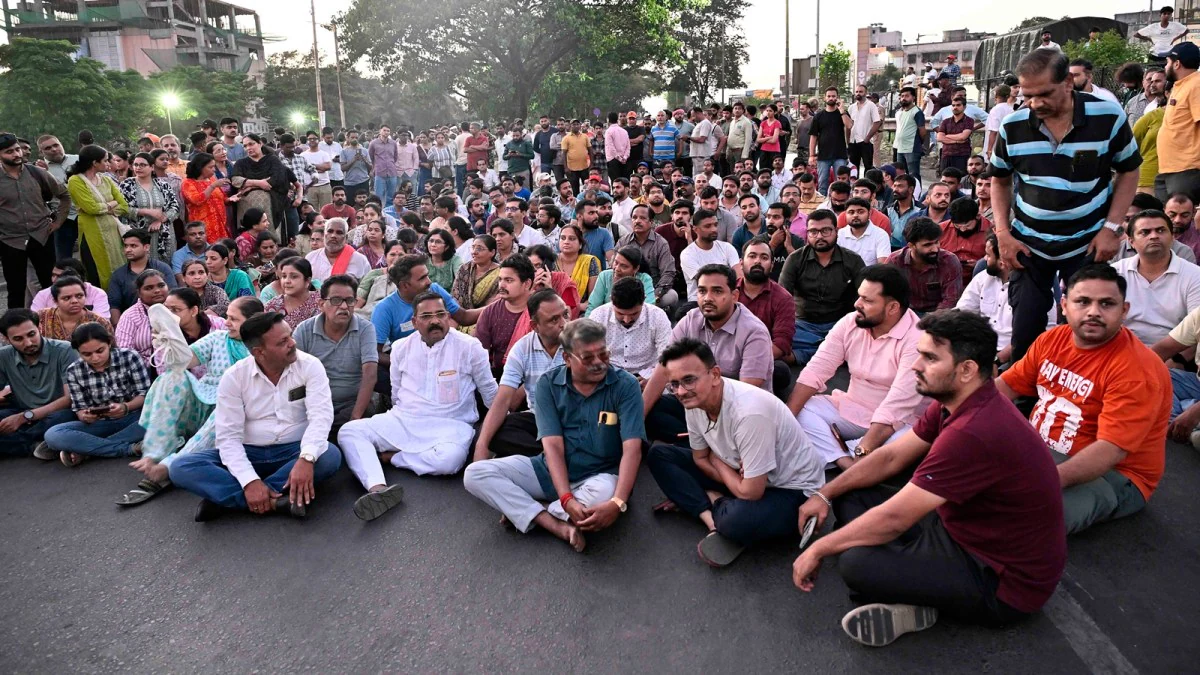
The brutality of the crime sparked immediate outrage across the Pune district. Protests erupted, roads were blocked, and daily life came to a standstill in parts of the region. Entire areas shut down in anger, as citizens demanded justice—not just for this child, but for every girl who has been failed by the system.
The message from the streets was clear: enough is enough.
People are tired of reacting after the fact. They are tired of mourning children whose lives were stolen. They are tired of assurances that rarely translate into meaningful change.
Political Promises vs Public Distrust
Maharashtra Chief Minister Devendra Fadnavis has assured that the state will seek capital punishment for the accused. He also stated that the case would be fast-tracked and heard “in record time.”
But here lies another uncomfortable truth: we have heard this before.
After every horrific crime, there are promises of fast-track courts. There are vows of the harshest punishment. There are statements meant to reassure a shaken public.
Yet crimes continue. Children continue to die. Women continue to live in fear.
So the question is not whether this case will be fast-tracked. The question is: why does it take a tragedy of this magnitude for urgency to appear at all?
A Father’s Refusal to Perform Grief for Politics
Perhaps the most powerful moment in this entire tragedy is the father’s refusal to allow his daughter’s death to become a political spectacle.
He made it clear: no visits, no condolences, no photo opportunities until justice is delivered.
“We will be open to meeting people, including politicians, only after justice is served,” he said.
It is a rare and courageous stance in a country where grief is often appropriated for optics. His words expose a painful reality—that even in death, victims are not spared from being turned into symbols, headlines, or talking points.
The Horror Beneath the Headlines
As more details emerged, the case became even more disturbing. Reports revealed the calculated nature of the crime—the use of food to lure the child, the isolation of the location, the sheer brutality of the killing.
This was not an impulsive act. This was predatory.
And it forces us to confront a terrifying question: how do we protect children from individuals who exploit trust, familiarity, and vulnerability?
Because this is not a story about strangers lurking in the shadows. This is about someone from within the community. Someone known. Someone who had already shown signs of danger.
The Pattern We Refuse to Break
India has seen countless cases of sexual violence against women and children. Each time, there is outrage. Each time, there are protests. Each time, there are promises.
And each time, the cycle repeats.
Why?
Is it the slow pace of justice? The lack of enforcement? The failure to rehabilitate or monitor offenders? Or is it something deeper—a societal discomfort with confronting the roots of gender-based violence?
Because crimes like this do not happen in isolation. They are enabled by a system that fails to deter, fails to protect, and fails to respond effectively.
Even a Child Is Not Safe
This case strips away any illusion of safety.
If a four-year-old child can be lured, assaulted, and murdered in broad daylight, in a village setting, by someone with a known criminal past—what does that say about safety in this country?
Parents are left with an impossible burden: how do you protect your child from a world where danger can come from anyone, anywhere?
And what does it do to a society when its youngest members are not safe?
Justice Must Mean More Than Punishment
There is no doubt that the accused deserves the harshest punishment if found guilty. The demand for capital punishment reflects the depth of public anger and the desire for justice.
But punishment alone is not enough.
Justice must also mean accountability of the systems that allowed this to happen. It must mean reforms that prevent repeat offenders from slipping through the cracks. It must mean faster investigations, stronger monitoring, and real consequences for negligence.
Because if nothing changes, then this child’s death will become just another statistic. Another headline. Another moment of outrage that fades with time.
A Nation at a Crossroads
The tragedy in Pune is not just a local issue. It is a national crisis.
It forces us to ask: What kind of country are we building, where even a toddler is not safe? What kind of justice system do we have, where known offenders can strike again? What kind of society do we live in, where outrage is temporary, but violence is constant?
The father’s plea echoes beyond his personal loss. It is a challenge to the entire nation.
Do not come with condolences, he says. Come with justice.
And perhaps the real question is this: will we finally listen?
With inputs from agencies
Image Source: Multiple agencies
© Copyright 2026. All Rights Reserved. Powered by Vygr Media.