 By
By 
Cancer is expected to affect nearly everyone in some way during their lifetime, with the World Health Organization (WHO) warning that around 92 per cent of the world's population will either receive a cancer diagnosis themselves or see a close family member diagnosed with the disease. The finding, published in the WHO's Global Status Report on Cancer 2026, underscores the growing human, social and economic burden of cancer, even as scientific breakthroughs continue to improve treatment outcomes.
The report paints a stark picture of a world where progress in cancer research is advancing rapidly, but access to life-saving prevention, diagnosis and treatment remains profoundly unequal. Unless governments strengthen healthcare systems and invest in equitable cancer care, the number of new cancer cases is projected to climb dramatically over the coming decades, placing unprecedented strain on patients, families and national health systems.
One in five people will develop cancer
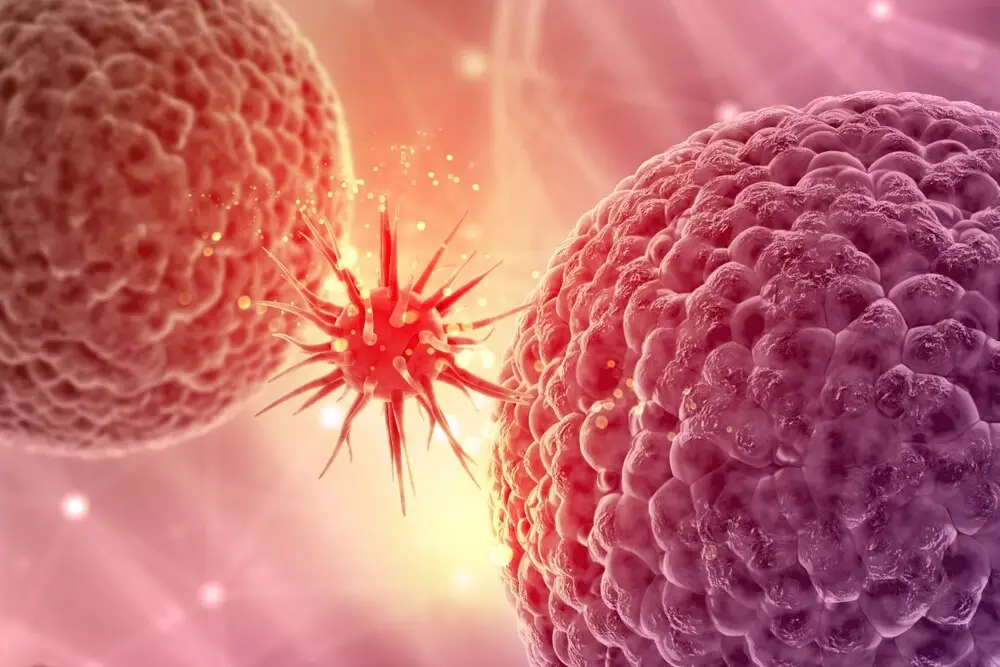
According to the WHO, approximately one in every five people will develop cancer during their lifetime. However, the disease's reach extends far beyond those diagnosed. By accounting for close family members and caregivers who experience the emotional, financial and social consequences of cancer, the organisation estimates that 92 per cent of the global population will be affected by the disease at least once.
The report estimates that there were around 20.6 million new cancer cases globally in 2024, resulting in nearly 10 million deaths. If current trends continue, annual cancer diagnoses are expected to rise to almost 35 million by 2050—a nearly 67 per cent increase driven by population growth, ageing and changing lifestyles.
While these figures are alarming, WHO officials stress that the greatest challenge is not only the growing number of cases but also the unequal distribution of healthcare resources that determines who survives the disease.
Scientific progress has not reached everyone
The report highlights remarkable advances in cancer medicine over the past decade. Improved diagnostic tools, targeted therapies, immunotherapies and better screening programmes have transformed outcomes for many patients.
Yet these innovations remain inaccessible to millions of people, particularly in low- and lower-middle-income countries.
"For years, the story of cancer has been one of scientific progress," WHO cancer control experts noted. "That story is true, but it is not the whole story."
The organisation found persistent and widening disparities in access to cancer prevention, early detection, treatment and supportive care across regions. These inequalities often determine survival more than the biology of the disease itself.
Survival depends on where patients live
One of the report's most striking findings is the enormous gap in survival rates between wealthy and poorer nations.
Women diagnosed with breast cancer in high-income countries have an approximately 87 per cent chance of surviving for at least five years after diagnosis. In low-income countries, that figure drops to about 42 per cent.
Similarly, survival rates for childhood cancers exceed 80 per cent in many developed nations but remain dramatically lower in countries with limited healthcare infrastructure.
The disparities stem from delayed diagnosis, shortages of trained healthcare professionals, limited access to medicines, inadequate radiation facilities and insufficient health insurance coverage.
WHO data show that many lower-income countries have access to only a fraction of the organisation's priority cancer medicines. In several countries, radiation therapy facilities are entirely unavailable, making curative treatment impossible for many patients.
Financial burden remains devastating
Cancer continues to impose enormous financial hardship on patients and their families.
The WHO's first global survey of people affected by cancer revealed that at least 45 per cent of patients experience significant financial difficulties after diagnosis. More than half reported mental health challenges linked to their illness, while caregivers frequently described emotional stress, unpaid care responsibilities and social isolation.
In some settings, treatment costs force families to make impossible choices between healthcare and essential needs such as education or housing. WHO estimates suggest that in certain regions, up to 90 per cent of patients discontinue treatment because they simply cannot afford it.
The report argues that cancer should be viewed not only as a medical condition but also as a major social and economic issue requiring comprehensive public policy responses.
Prevention remains a powerful tool
Despite the concerning projections, WHO emphasises that many cancers can still be prevented.
Nearly four out of every 10 new cancer cases are linked to known and preventable risk factors. Tobacco use remains the leading preventable cause, followed by infections such as human papillomavirus (HPV), hepatitis B and C, alcohol consumption, obesity and physical inactivity.
The report highlights encouraging progress in several areas. Global tobacco use continues to decline in many countries, HPV vaccination programmes are expanding, and cervical cancer elimination is increasingly viewed as an achievable public health goal.
Many countries have also adopted national cancer control plans aimed at strengthening prevention, screening and treatment services.
Public health experts argue that greater investment in prevention could substantially reduce the future burden of cancer while easing pressure on already stretched healthcare systems.
Asia carries the largest cancer burden
The report shows that Asia accounts for more than half of all global cancer cases and deaths, largely because of its large population.
Europe, despite representing only around 9 per cent of the world's population, carries a disproportionately high share of cancer cases and deaths.
Meanwhile, many countries across Africa and parts of Asia report comparatively lower incidence rates but significantly higher mortality, reflecting late diagnosis and limited access to treatment rather than lower disease severity.
Lung cancer remains the leading cause of cancer-related deaths worldwide. Among men, lung, prostate and colorectal cancers are the most commonly diagnosed, while breast, lung and colorectal cancers account for a substantial proportion of cases among women.
A people-centred approach
Rather than focusing solely on medical innovation, the WHO's latest report urges governments to place patients and families at the centre of cancer policy.
The organisation recommends integrating cancer care into universal health coverage, strengthening healthcare workforces, improving financial protection for patients and ensuring that research benefits all populations rather than only those in wealthier countries.
The report outlines three broad priorities: building stronger health system capabilities, improving protections for patients and caregivers, and ensuring that innovation delivers value through equitable access.
WHO Director-General Dr Tedros Adhanom Ghebreyesus stressed that where someone is born or how much they earn should never determine their chances of surviving cancer. The report argues that today's policy choices will shape the cancer burden experienced by future generations.
What the findings mean for India and the world
The WHO report carries particular significance for countries such as India, where cancer cases are expected to rise steadily due to demographic changes and increasing life expectancy. At the same time, access to early screening, specialised oncology services and affordable treatment remains uneven across urban and rural areas.
Health experts have consistently emphasised the importance of expanding cancer screening programmes, improving awareness about early symptoms and strengthening primary healthcare to ensure earlier diagnosis. Investments in tobacco control, vaccination and lifestyle interventions could also significantly reduce future cancer incidence.
Globally, the report serves as a reminder that scientific breakthroughs alone cannot solve the cancer crisis. While new treatments continue to improve survival for many patients, millions remain excluded because of geography, poverty or weak healthcare systems.
The WHO concludes that achieving meaningful progress against cancer will require more than medical innovation. It will demand political commitment, sustained public investment and a healthcare model that prioritises prevention, equitable access and compassionate care.
As cancer cases continue to rise worldwide, the organisation's message is clear: the disease may touch almost every family, but its impact need not be determined by inequality. With timely action, stronger health systems and wider access to prevention and treatment, millions of lives could still be saved in the decades ahead.
With input from agencies
Image Source: Multiple agencies
© Copyright 2026. All Rights Reserved. Powered by Vygr Media.