 By
By 
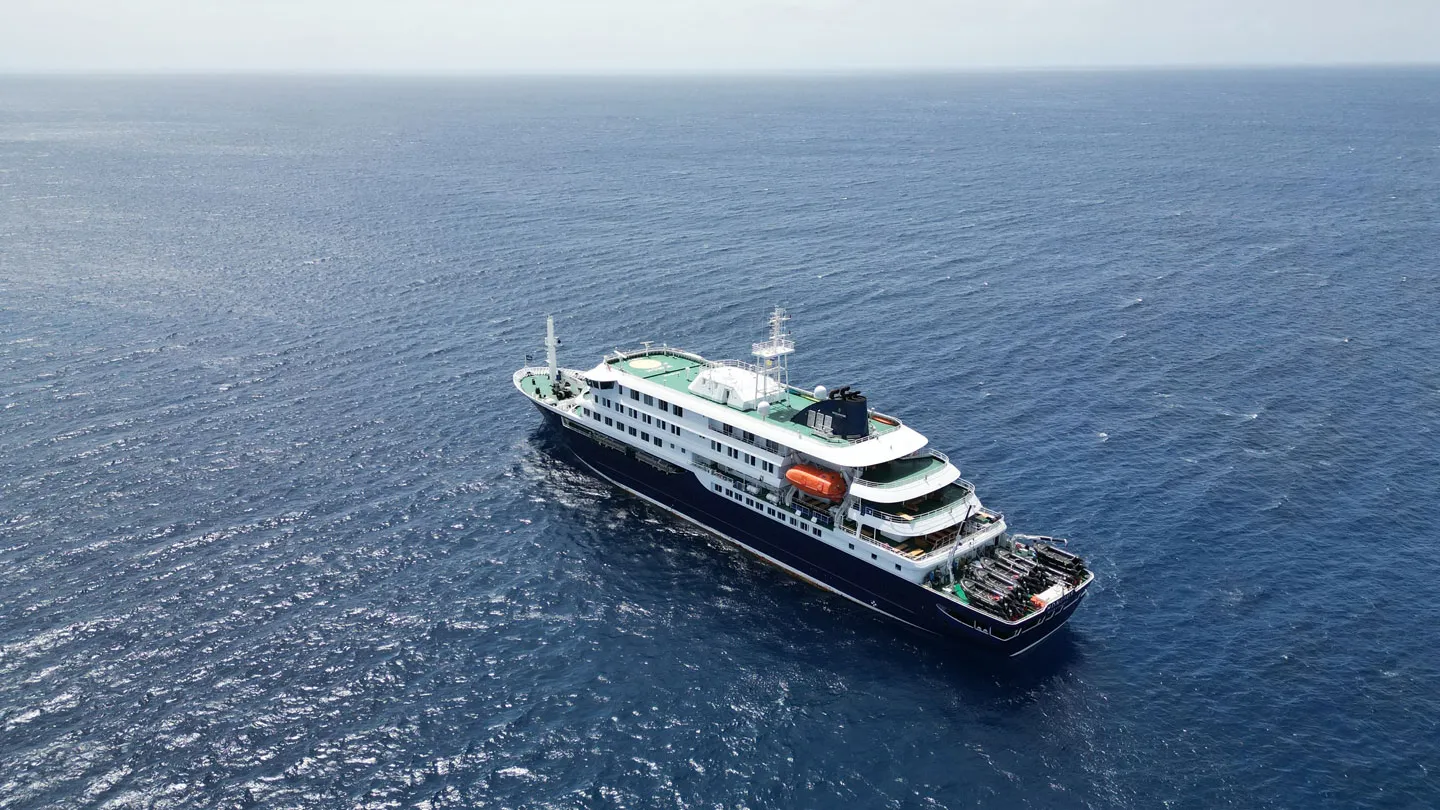
A remote island in the South Atlantic, a luxury expedition cruise ship, a multinational medical evacuation, and a renewed global focus on zoonotic diseases have all converged into one unfolding public health story. The recent hantavirus scare linked to the expedition vessel MV Hondius has triggered emergency surveillance measures, cross-border coordination, and widespread public concern over the rare but potentially deadly virus.
Authorities across multiple countries are now closely monitoring the situation after passengers aboard the vessel developed symptoms associated with hantavirus infection during and after the ship’s voyage near Antarctica. The developments prompted a dramatic military-assisted rescue operation on the isolated island of Tristan da Cunha, while health agencies intensified disease surveillance and reassured the public about the risks of transmission.
What Triggered the Hantavirus Scare?
The health alert began after two passengers aboard the Antarctic expedition cruise ship MV Hondius reportedly developed symptoms consistent with hantavirus infection. The vessel was carrying international passengers and crew, including Indian nationals employed on board.
One passenger who had been medically evacuated later tested positive for hantavirus, while another reportedly developed symptoms during a return flight home. These developments led health authorities to begin tracking potentially exposed individuals and launch precautionary measures to prevent wider spread.
The outbreak drew global attention because hantavirus infections are rare but can become severe rapidly, particularly when they affect the lungs. The situation became more complicated due to the ship’s remote location and the logistical challenges of evacuating sick passengers from isolated maritime regions.
Historic Rescue Mission on Tristan da Cunha
One of the most dramatic chapters in the incident unfolded on Tristan da Cunha, widely regarded as the world’s most remote inhabited island. Located in the South Atlantic Ocean, the island sits thousands of kilometres away from mainland populations and has extremely limited medical infrastructure.
In an unprecedented operation, British paratroopers conducted what has been described as the first-ever airborne medical rescue mission on the island. The operation aimed to evacuate passengers requiring urgent medical attention linked to the hantavirus scare aboard the MV Hondius.
Military aircraft and medical personnel were reportedly mobilised to assist in the evacuation effort, underscoring the seriousness with which authorities treated the incident. Video footage and reports from the operation highlighted the complexity of landing and coordinating emergency medical support in one of the most geographically isolated regions on Earth.
The mission not only demonstrated the logistical challenges posed by infectious disease outbreaks in remote settings but also highlighted the increasing importance of rapid international coordination in global public health emergencies.
Passenger Tests Positive After Evacuation
Health concerns intensified after one evacuated passenger tested positive for hantavirus following medical examination. According to reports, another individual also began developing symptoms during the journey home, raising fears of additional infections among passengers or close contacts.
Authorities began tracing individuals who may have been exposed during the cruise or evacuation process. Medical monitoring protocols were reportedly activated for people who had interacted closely with symptomatic individuals.
The positive test result elevated concerns because hantavirus infections can initially resemble common viral illnesses, making early detection difficult. Symptoms often begin with fever, muscle pain, fatigue, headaches, nausea, or dizziness before progressing in some cases to severe respiratory distress.
Public health officials stressed that while the virus is serious, outbreaks remain relatively uncommon and are generally linked to specific exposure scenarios involving rodents or their contaminated droppings.
India Activates Surveillance Network
As international attention around the outbreak grew, Indian authorities moved swiftly to strengthen monitoring systems. A nationwide viral surveillance mechanism involving 165 laboratories was reportedly activated to monitor hantavirus-related developments and other emerging viral threats.
The surveillance initiative is aimed at improving early detection, testing, and tracking capabilities should any suspected cases emerge in India. The move reflects a broader post-pandemic strategy focused on strengthening preparedness against zoonotic diseases and imported infections.
Health officials are reportedly monitoring international travellers and maintaining communication with relevant agencies regarding passengers and crew linked to the affected cruise ship.
The expanded surveillance effort is also part of a wider attempt to prevent panic while ensuring laboratories remain prepared for diagnostic testing if required.
Indian Crew Members Declared Healthy
Amid rising concern, the Indian Embassy confirmed that Indian crew members aboard the MV Hondius were asymptomatic and in good health. The statement provided reassurance to families and the broader public after reports about the outbreak began circulating widely online.
Officials clarified that the Indian nationals on board had not shown symptoms associated with hantavirus infection and were being appropriately monitored as a precautionary measure.
The embassy’s communication became especially important because misinformation and fear surrounding infectious diseases often spread rapidly during international health scares. By confirming the healthy status of Indian crew members, authorities sought to reduce unnecessary anxiety while continuing routine health monitoring.
What Exactly Is Hantavirus?
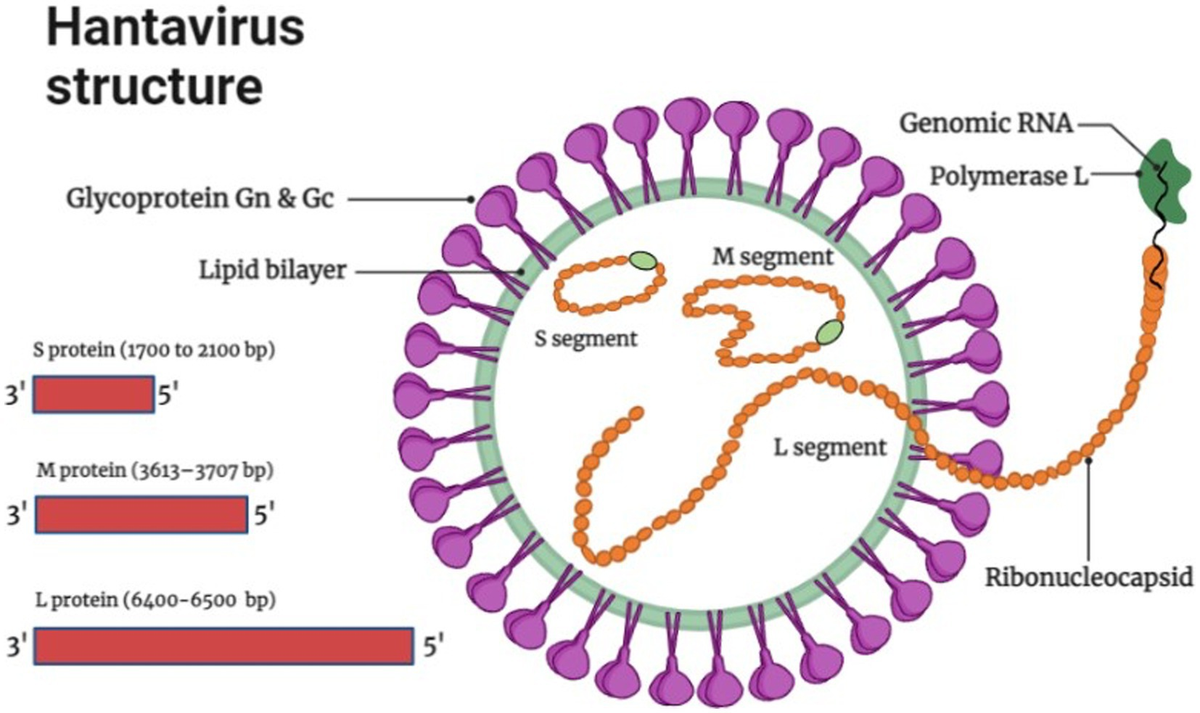
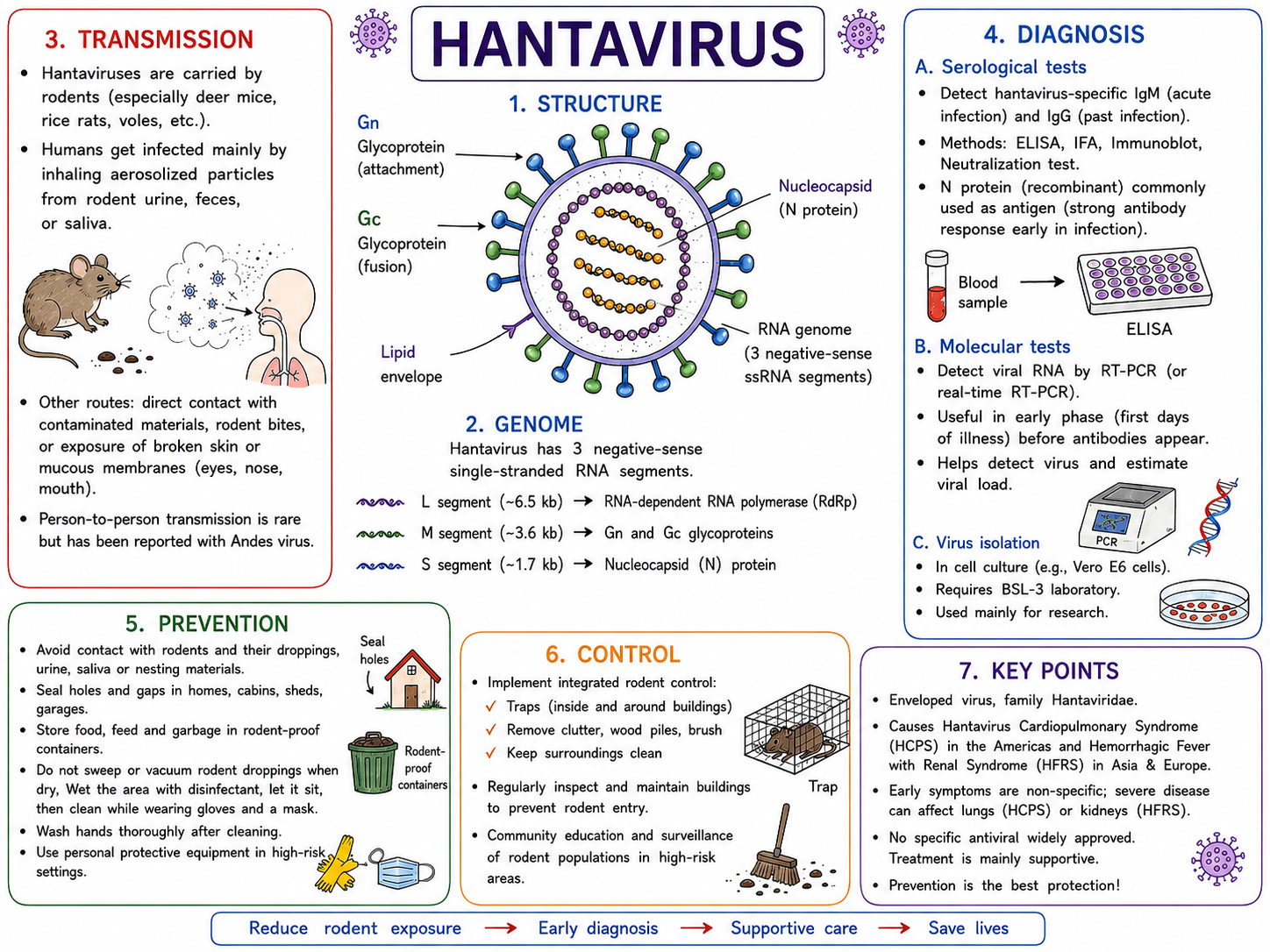
Hantavirus refers to a group of viruses primarily carried by rodents. Humans typically become infected after exposure to rodent urine, droppings, or saliva, especially when contaminated particles become airborne and are inhaled.
Doctors and infectious disease experts note that hantavirus infections are uncommon but potentially dangerous. Different strains exist in various parts of the world, and the severity of disease can vary depending on the strain involved.
In many cases, infection may lead to Hantavirus Pulmonary Syndrome (HPS), a severe respiratory illness that can become life-threatening if not treated quickly. Certain strains found in Europe and Asia may also cause haemorrhagic fever with renal syndrome, affecting the kidneys.
Medical experts explain that the virus does not spread in the same way as common respiratory infections such as influenza or COVID-19. Instead, infections are usually linked to direct or indirect contact with infected rodents.
Can Hantavirus Spread From Person to Person?
One of the most frequently asked questions during the current scare has been whether hantavirus can spread between humans.
According to infectious disease experts and doctors quoted in reports, person-to-person transmission is extremely rare. Most known hantavirus strains do not spread from one human to another. Infection generally occurs through environmental exposure involving rodents.
However, experts caution that a small number of hantavirus variants documented in South America have shown limited human-to-human transmission in rare situations. This distinction is important because it explains why health authorities remain cautious even though widespread transmission risk remains low.
Doctors have advised people not to panic but to remain informed about preventive measures, especially when travelling to areas where rodent exposure may occur.
Symptoms People Should Watch For
Health professionals say symptoms usually appear between one and eight weeks after exposure to contaminated rodent material. Early signs may resemble flu-like illness, making diagnosis challenging in the initial stages.
Common symptoms include:
-
Fever
-
Muscle aches
-
Fatigue
-
Chills
-
Headaches
-
Nausea or vomiting
-
Abdominal pain
-
Dizziness
In more severe cases, patients may develop coughing and breathing difficulties as fluid accumulates in the lungs. This respiratory phase can escalate rapidly and may require intensive medical care.
Doctors stress that early medical intervention significantly improves survival chances. Anyone experiencing severe respiratory symptoms after potential rodent exposure is advised to seek immediate medical attention.
Why the Current Case Has Drawn Global Attention
Several factors have contributed to the intense international focus on the MV Hondius incident.
Remote Geography
The outbreak involved passengers travelling through some of the world’s most isolated maritime regions, complicating evacuation and treatment efforts.
Military Involvement
The use of British paratroopers and airborne rescue operations transformed the event into an extraordinary international mission rarely seen in infectious disease cases.
Post-Pandemic Sensitivity
Global health systems remain highly alert to emerging infectious diseases following the COVID-19 pandemic. Even limited outbreaks now attract rapid media and governmental attention.
Cruise Ship Concerns
Cruise ships have become particularly sensitive settings for disease monitoring because infections can spread quickly in enclosed environments. Authorities therefore acted aggressively to contain any possible risk.
How Authorities Are Responding
Health agencies across multiple countries have adopted a layered response strategy focused on surveillance, contact tracing, testing, and public communication.
Measures include:
-
Monitoring symptomatic passengers and close contacts
-
Strengthening laboratory testing networks
-
Coordinating between embassies and international health authorities
-
Tracking travel histories linked to the vessel
-
Issuing medical advisories regarding symptoms and prevention
Authorities have repeatedly emphasised that the current situation does not indicate a widespread outbreak. Instead, officials describe the response as precautionary and aimed at preventing escalation.
Preventive Measures Against Hantavirus
Medical experts recommend several practical steps to reduce hantavirus risk, especially in areas where rodents are present.
Avoid Rodent Exposure
People should minimise contact with rodent droppings, nests, or urine-contaminated environments.
Use Protective Cleaning Methods
Sweeping contaminated areas can release virus particles into the air. Experts advise using disinfectants and protective gloves when cleaning rodent-infested spaces.
Ensure Ventilation
Closed or poorly ventilated spaces that may contain rodent contamination should be aired out before cleaning or entering.
Store Food Safely
Keeping food sealed and disposing of waste properly can help prevent rodent infestations.
Seek Medical Care Early
Anyone developing fever or breathing issues after possible exposure should consult healthcare providers promptly.
A Reminder About Emerging Zoonotic Diseases
The hantavirus scare aboard the MV Hondius has once again highlighted the broader global challenge posed by zoonotic diseases — illnesses that jump from animals to humans.
Scientists have long warned that increasing human interaction with wildlife, environmental changes, and global travel networks make such outbreaks more likely to emerge and spread rapidly across borders.
While experts continue to stress that hantavirus does not pose the same level of transmission risk as airborne pandemic viruses, the incident has demonstrated how even isolated infections can trigger large-scale international responses in today’s interconnected world.
For now, health authorities remain focused on surveillance and containment while continuing to reassure the public that the risk of widespread transmission remains low. Yet the dramatic rescue mission, positive test results, and activation of monitoring systems across countries serve as a powerful reminder that vigilance against emerging infectious threats remains a global priority.
With inputs from agencies
Image Source: Multiple agencies
© Copyright 2026. All Rights Reserved. Powered by Vygr Media.