 By
By 
New Delhi: The Indian Air Force (IAF) has once again emerged as one of the world's leading aerial combat forces, securing the third position in the latest World Directory of Modern Military Aircraft (WDMMA) Global Air Power Rankings. The achievement marks the fifth consecutive time since 2022 that the IAF has been ranked ahead of China's People's Liberation Army Air Force (PLAAF), underscoring India's growing air combat capabilities despite persistent challenges related to squadron strength and fleet modernization.
The latest rankings reaffirm India's status as a major air power at a time when geopolitical competition across the Indo-Pacific continues to intensify. While the IAF has maintained its edge over China in the WDMMA assessment, defence experts caution that sustaining this advantage will require faster modernization, timely procurement of fighter aircraft, and the replacement of ageing platforms.
India Retains Third Spot Globally
According to the WDMMA's 2026 Global Air Power Rankings, the United States Air Force occupies the top position, followed by the Russian Air Force, while the Indian Air Force claims third place. China's PLAAF is placed fourth in the rankings, giving India a notable advantage despite China's significantly larger aircraft inventory.
Unlike rankings based solely on the number of aircraft, the WDMMA evaluates air forces using its proprietary TrueValue Rating (TvR) system. The methodology considers multiple parameters, including fleet composition, combat readiness, technological sophistication, logistical support, modernization levels, pilot training, and operational effectiveness.
This means that quality, capability, and mission readiness outweigh sheer fleet size, allowing countries with comparatively smaller but better-balanced air forces to rank higher.
Why India Is Ahead of China
One of the biggest takeaways from the rankings is that India continues to outperform China despite the PLAAF operating a much larger fleet.
China possesses more combat aircraft and has aggressively expanded its indigenous aerospace industry over the past decade. However, the WDMMA assessment suggests that the IAF maintains a superior balance between multirole combat capabilities, strategic deployment, operational readiness, and force structure.
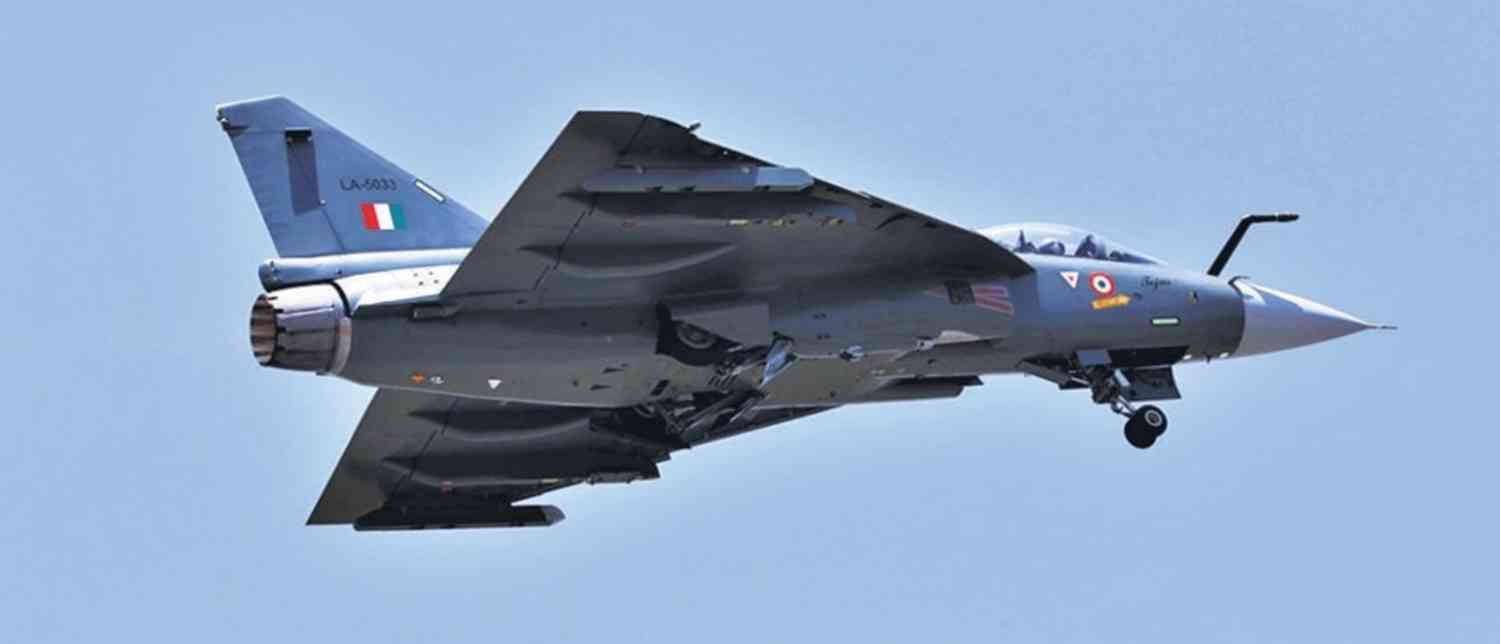
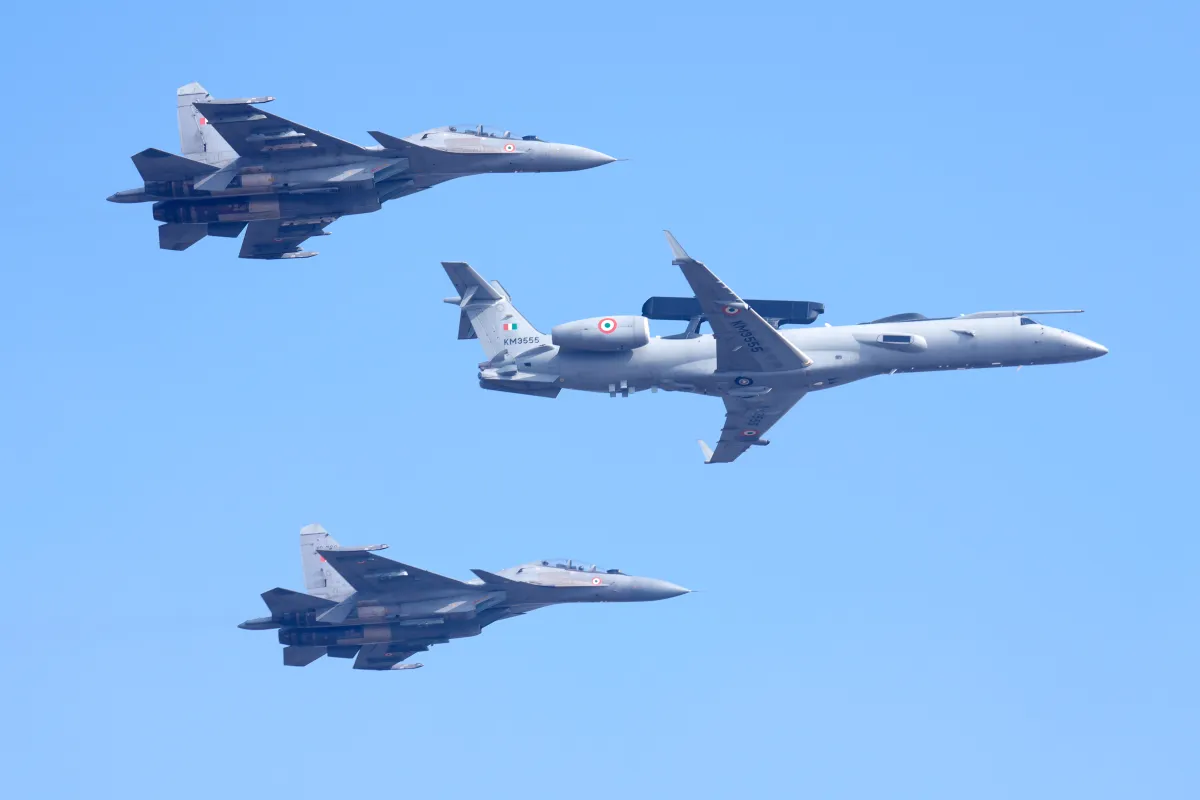
India's diverse inventory—including frontline fighters such as the Rafale, Su-30MKI, Mirage-2000, MiG-29, and the indigenous Light Combat Aircraft Tejas—along with advanced transport aircraft, aerial refuelling assets, helicopters, and integrated air defence systems, contributes to its strong overall score.
The ranking also reflects India's ability to deploy its air assets across multiple operational theatres while maintaining high levels of combat preparedness.
More Than Just Aircraft Numbers
Military analysts have long argued that counting aircraft alone no longer provides an accurate picture of air superiority. Modern air warfare depends on several interconnected capabilities, including surveillance systems, precision-guided weapons, electronic warfare, command-and-control networks, logistics, pilot proficiency, and maintenance infrastructure.
The WDMMA's TvR model attempts to capture these broader strengths, which explains why countries with smaller but technologically advanced and well-maintained fleets often outperform nations with larger inventories.
The rankings therefore highlight that operational capability and force balance remain more important than numerical superiority in determining overall air power.
A Significant Strategic Milestone
The latest ranking is being viewed as another milestone for India's defence establishment, particularly as the country continues to strengthen its indigenous defence manufacturing ecosystem under initiatives promoting self-reliance.
The IAF has steadily expanded its operational capabilities in recent years through the induction of Rafale fighter jets, improved missile systems, advanced surveillance platforms, enhanced network-centric warfare capabilities, and the gradual induction of indigenous aircraft and weapons.
These developments have strengthened India's ability to respond to evolving security challenges along both its western and northern borders.
Remaining ahead of China in the rankings for five consecutive years also carries symbolic significance, given the strategic competition between the two Asian powers and their ongoing efforts to modernize their armed forces.
Critical Challenges Still Remain
Despite the encouraging global ranking, defence experts warn that the IAF continues to face several structural challenges that require urgent attention.
One of the most pressing concerns is the declining number of operational fighter squadrons. While the sanctioned strength of the IAF is 42 fighter squadrons, the current operational strength remains considerably lower, affecting the force's ability to simultaneously address multiple security contingencies.
Several legacy aircraft are nearing retirement, creating capability gaps that will need to be filled through faster induction of new fighter platforms.
The planned acquisition of additional fighter aircraft, increased production of the indigenous Tejas variants, and the future induction of advanced combat aircraft are expected to play a crucial role in maintaining India's long-term air superiority.
Experts also point to the need for continued investments in force multipliers such as airborne early warning systems, aerial refuelling aircraft, unmanned aerial systems, and next-generation air defence networks.
Modernization Will Determine Future Rankings
While India's current ranking reflects its operational excellence, maintaining this position will depend heavily on modernization efforts over the coming decade.
The IAF is pursuing multiple modernization programmes, including expanded induction of Tejas aircraft, development of the Advanced Medium Combat Aircraft (AMCA), upgrades to existing fighter fleets, improved missile capabilities, and greater integration of indigenous defence technologies.
These initiatives are intended to address capability gaps while reducing dependence on imported defence equipment.
With regional military competition intensifying, experts believe sustained investments in indigenous aerospace manufacturing and technological innovation will be critical for preserving India's competitive edge.
What the Ranking Means
The WDMMA rankings provide an independent assessment of military aviation capabilities rather than a definitive measure of wartime superiority. Real-world combat effectiveness depends on numerous additional factors, including military strategy, intelligence, logistics, joint operations, industrial capacity, leadership, and geopolitical circumstances.
Nevertheless, India's consistent placement ahead of China since 2022 signals growing international recognition of the IAF's operational capabilities and modernization efforts.
The latest ranking reinforces India's position among the world's leading air powers while simultaneously highlighting the importance of addressing existing capability gaps. As the IAF continues to modernize its fleet and strengthen indigenous defence production, the challenge will be to convert today's ranking into sustained long-term strategic superiority.
For now, the Indian Air Force's third-place global standing represents both an achievement worth celebrating and a reminder that continued investment, modernization, and operational preparedness remain essential in an increasingly competitive security environment.
With input from agencies
Image Source: Multiple agencies
© Copyright 2026. All Rights Reserved. Powered by Vygr Media.