 By
By 
Bollywood has never existed entirely outside politics. From actors sharing the stage with political leaders to celebrities expressing their views on social media, the relationship between India's entertainment industry and those in power has always been complicated. Yet, for many actors, the question is not simply whether they have a political opinion. It is whether expressing that opinion publicly is worth the potential consequences.
In an industry where a single statement can trigger online outrage, boycott campaigns and heated public debate, having a political opinion can become a professional risk. An actor who criticises the government may find themselves at the centre of a controversy, while another who supports the ruling establishment may receive praise from sections of the public. Others choose to remain silent, leaving audiences to wonder whether their silence reflects personal choice, professional caution or something more complicated.
The debate surrounding Bollywood and politics, therefore, goes beyond individual celebrities. It raises a larger question about freedom of expression, political influence and the price of speaking one's mind in an industry that depends heavily on public perception.
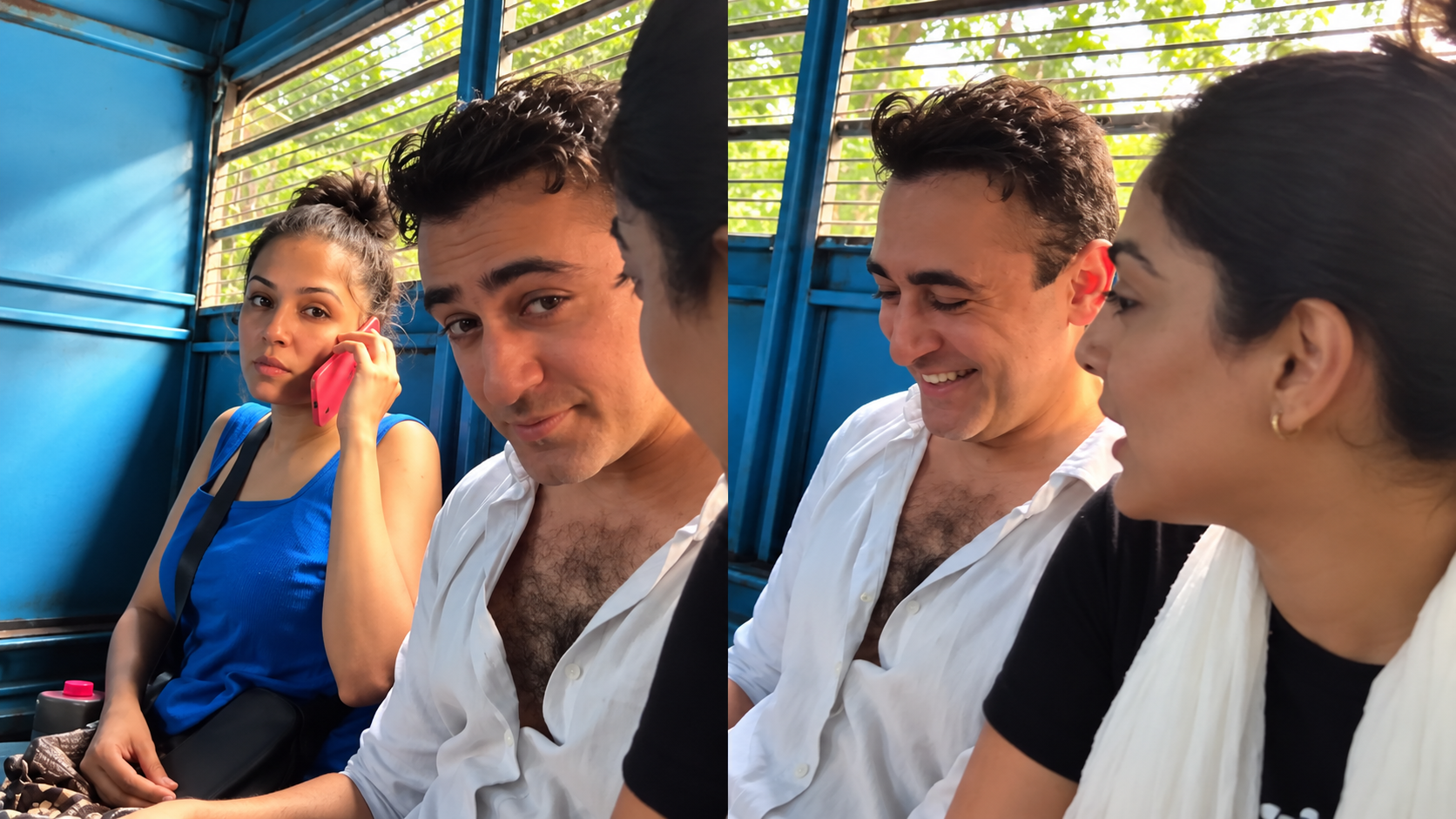
Imran Khan's Controversy Brings Bollywood's Political Dilemma Into Focus
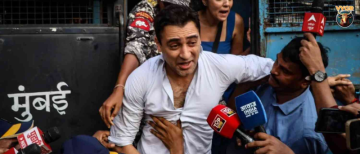
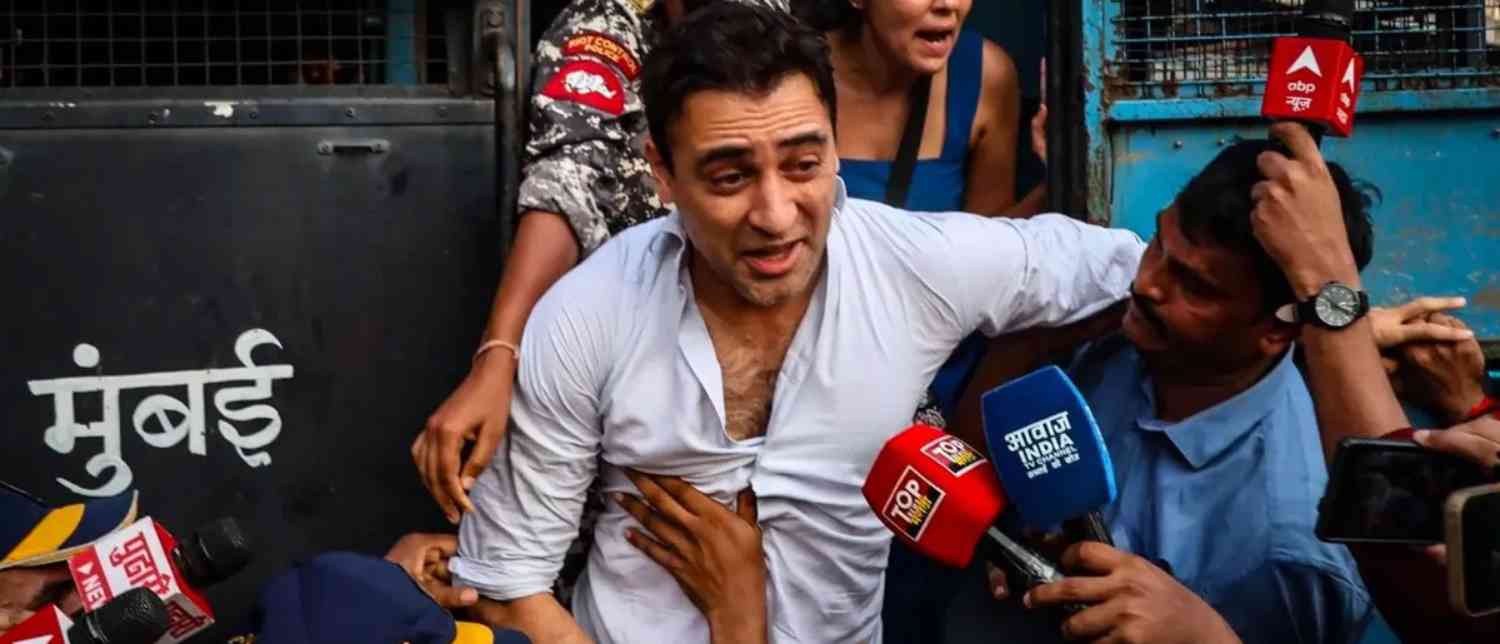
Actor Imran Khan's recent participation in political protests has brought this uncomfortable relationship back into the spotlight. In July 2026, he joined demonstrations connected to the NEET examination paper leak controversy. He subsequently participated in a protest demanding the resignation of Chief Election Commissioner Gyanesh Kumar.
The controversy escalated in October when Indian authorities reportedly asked the actor, an American citizen and Overseas Citizen of India cardholder, to leave the country by the end of the month, citing alleged immigration-law violations. The action prompted questions about the circumstances surrounding his political participation and the broader implications for public expression. The authorities' stated legal grounds and the debate about political expression remain distinct issues.
Khan's situation illustrates the complicated position of celebrities who choose to participate in protests rather than restrict themselves to expressing opinions about films, fashion or entertainment.
An actor's presence at a demonstration can become a political statement in itself. Supporters may view it as an exercise of democratic freedom, while critics may question the celebrity's motives, political loyalties or right to intervene in public affairs.
This scrutiny becomes particularly intense when a celebrity's position challenges those in power. The discussion can quickly move away from the original issue and towards the actor's nationality, personal beliefs, professional reputation or perceived loyalty to the country.
The central question is whether celebrities should be expected to remain silent simply because their opinions might be controversial.
Bollywood's Uneasy Relationship With Political Dissent
Imran Khan's experience is not the first time a Bollywood personality has faced controversy after expressing a political opinion.
In 2015, Aamir Khan attracted widespread criticism after speaking about a growing sense of insecurity and intolerance in India. Shah Rukh Khan also faced political backlash after commenting on intolerance. Their remarks prompted accusations of being unpatriotic from some critics, while others defended their right to speak about the country's social and political climate.
The controversies demonstrated how quickly a discussion about public concerns could turn into a debate about national loyalty. Rather than focusing exclusively on the arguments made by the actors, sections of the public directed their attention towards their films, personal lives and commercial associations.
The consequences of political speech are not always limited to criticism on social media. Boycott campaigns can threaten a film's commercial prospects, while controversies can complicate brand endorsements and public appearances. Although the precise impact differs from case to case, the possibility of professional repercussions gives celebrities a reason to think carefully before speaking.
Deepika Padukone's visit to Jawaharlal Nehru University in January 2020, following an attack on students, offers another example. Her appearance drew sharply divided reactions, with some praising the gesture and others criticising it. The episode illustrated how even a brief public appearance can acquire a political meaning that extends far beyond the celebrity's stated intentions.
These cases do not establish that every actor who faces criticism is being targeted by the government. Public figures can be challenged by audiences, political organisations and fellow celebrities for many reasons. Nevertheless, they demonstrate how expressing a political opinion can expose Bollywood personalities to intense public scrutiny.
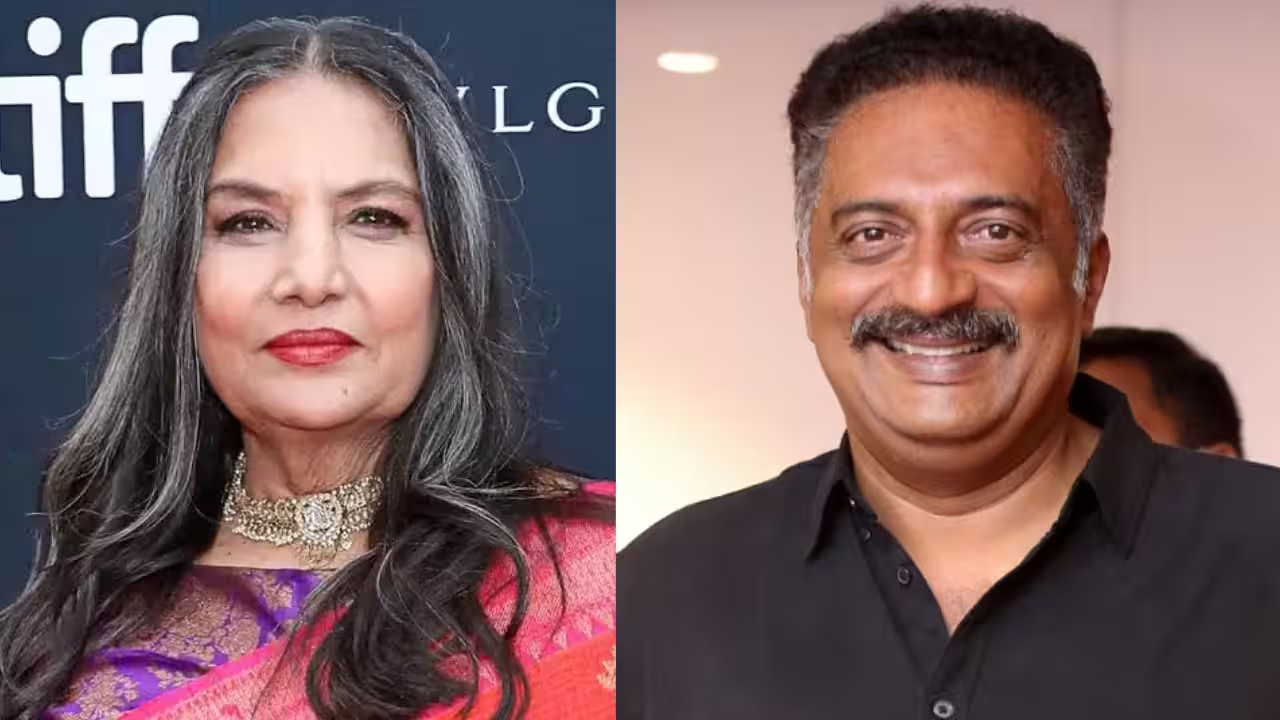
Why Do Some Bollywood Celebrities Support the Government While Others Stay Silent?
Bollywood's relationship with the government is not defined by a single political position. Some celebrities openly criticise government decisions, others express support for the ruling establishment, and many avoid commenting on contentious issues.
During the 2021 farmers' protests, for instance, several prominent celebrities, including Akshay Kumar, Ajay Devgn and Kangana Ranaut, posted messages supporting the government's position after international personalities drew attention to the agitation. Their statements became part of a wider debate about celebrity influence, national sovereignty and the role of public figures in political discussions.
At the same time, actors and filmmakers such as Swara Bhasker, Taapsee Pannu and Anurag Kashyap have publicly commented on political controversies, sometimes facing considerable online criticism.
Kangana Ranaut occupies a different position because her political involvement extends beyond celebrity commentary. As a BJP member of Parliament, she participates directly in electoral politics. Her statements should therefore be understood in the context of her formal political role as well as her career in entertainment.
These differences matter. Supporting the government is not inherently evidence of opportunism, just as criticising it does not automatically establish courage or independence. Celebrities can hold genuine political convictions on either side.
However, the entertainment industry's close relationship with commercial interests raises legitimate questions about incentives. Film productions require financing, promotional opportunities and access to markets. Celebrities also depend on audiences, advertisers and professional networks. When a political controversy threatens those interests, remaining quiet may appear safer than making a public statement.
It is difficult to establish an individual's private motives without evidence. Still, the possibility that public opinion, commercial pressure and political associations influence celebrity behaviour is an important part of understanding Bollywood and politics.
The issue is not whether every celebrity should oppose the government. It is whether celebrities feel equally free to support it, question it or disagree with it without facing disproportionate consequences.
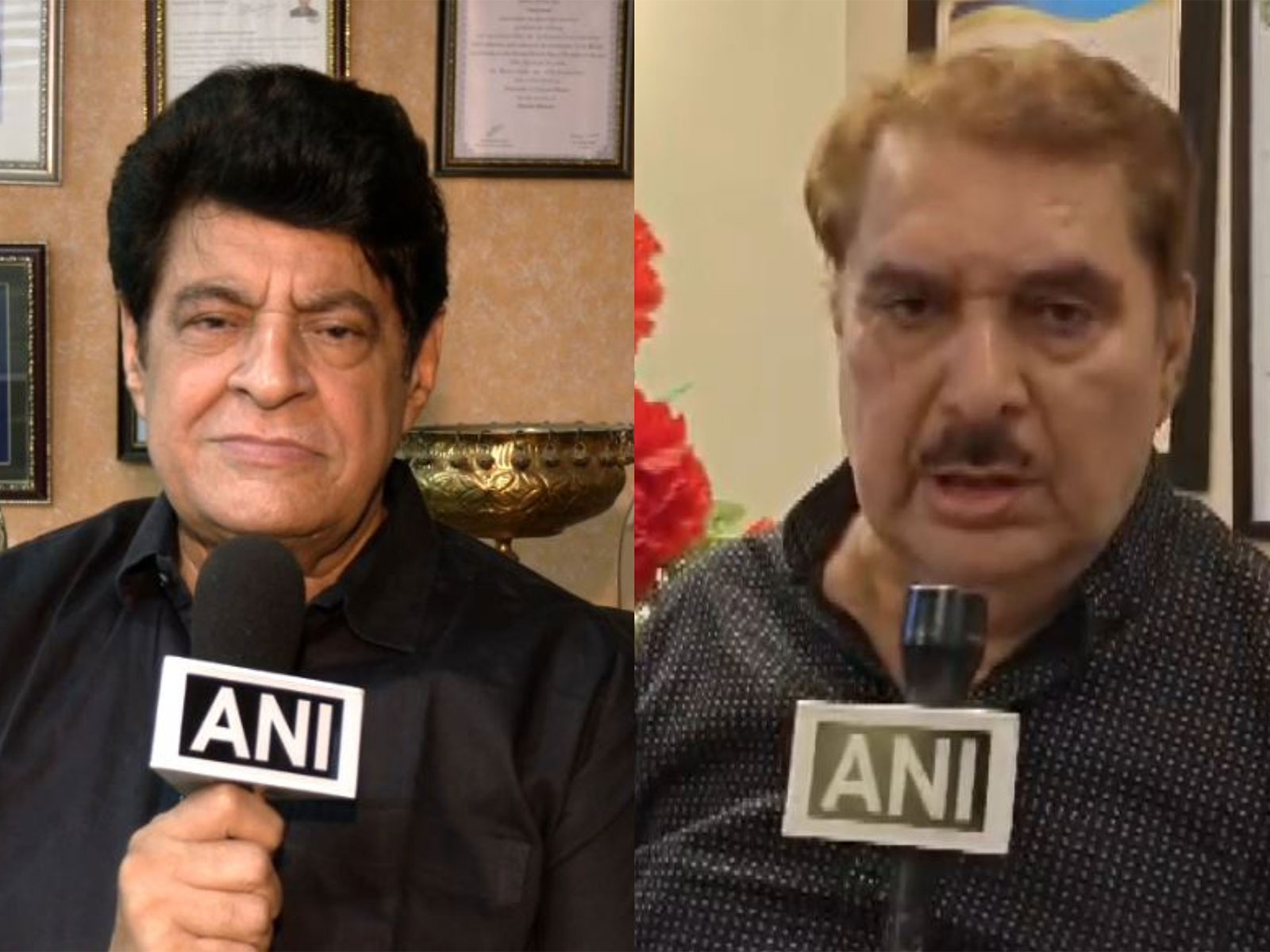
When Silence Becomes a Political Statement
Public silence is often interpreted as support for the status quo, particularly when a celebrity has previously spoken passionately about other social or international issues.
Yet silence can have several explanations. An actor may prefer to keep politics separate from their professional life. Another may be concerned about misinformation, public backlash or the possibility that an incomplete statement will be taken out of context. Others may simply believe that public commentary is not their responsibility.
These explanations should not automatically be dismissed.
Nevertheless, silence becomes a subject of public debate when celebrities are celebrated for their influence but appear reluctant to use it during contentious domestic events. Audiences may reasonably ask why a public figure who campaigns for a social cause remains quiet about another issue affecting millions of people.
The criticism directed at Bollywood during student protests in 2026 brought this question into focus. Veteran actor Naseeruddin Shah publicly supported protesting students and criticised the reluctance of prominent industry figures to speak out. His intervention highlighted the disagreement within Bollywood over whether public influence creates a responsibility to address political and social concerns.
Ultimately, celebrities have the right to decide what they discuss publicly. Audiences, however, also have the right to question their choices. The important distinction is between holding celebrities accountable for their public positions and demanding that they adopt a particular political ideology.
Hollywood Faces Its Own Politics of Speaking Out
The politics of celebrity opinion is not exclusive to Bollywood. Hollywood has a long history of actors, musicians and filmmakers expressing political preferences, supporting campaigns and criticising government policies.
Taylor Swift's endorsement of Kamala Harris during the 2024 US presidential election demonstrated the potential reach of celebrity political speech. Swift publicly explained her decision and encouraged her followers to make informed choices. Her endorsement attracted widespread attention and prompted responses from politicians and supporters on opposing sides.
Hollywood also offers examples of celebrities who have spoken about international conflicts and faced professional consequences. In September 2026, Susan Sarandon said her outspoken support for Palestinians had cost her film opportunities, alleging that some industry agencies were discouraging people from hiring her. Her account illustrates how political expression can intersect with employment and professional relationships, although the circumstances surrounding individual casting decisions can vary.
These examples show that Hollywood is not free from political pressure. Celebrities may enjoy considerable platforms, but their views can still provoke backlash from audiences, political groups, industry figures and potential employers.
There are differences between the political and commercial environments of Hollywood and Bollywood, so the experiences should not be treated as identical. Nevertheless, both industries demonstrate that a celebrity's political opinion can become a source of public controversy and professional uncertainty.
The crucial comparison is not which industry is more politically courageous. It is how public figures navigate the competing demands of personal conviction, professional survival and audience expectations.
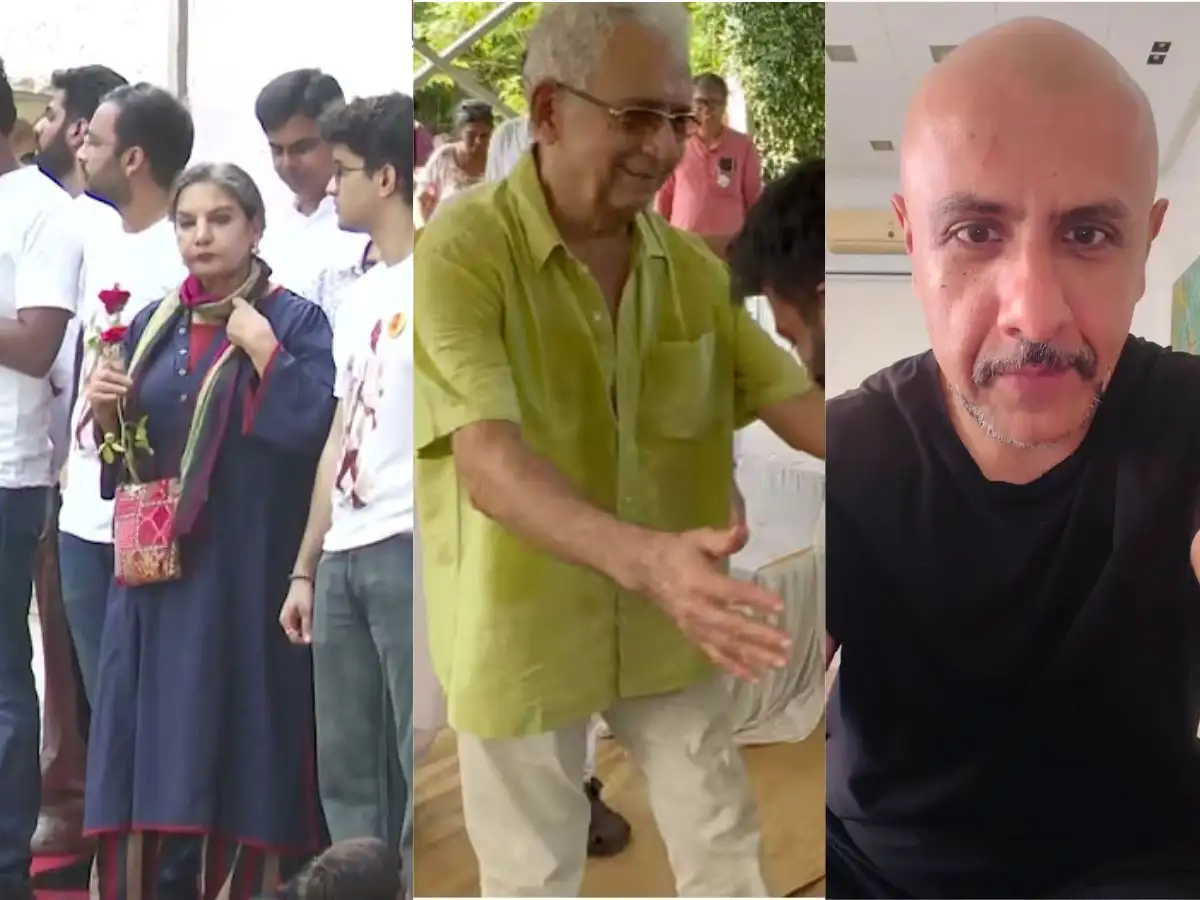
Should Celebrities Be Expected to Take a Political Stand?
Celebrities have enormous visibility, and their statements can bring attention to issues that might otherwise receive limited public engagement. Their influence can encourage people to learn about public policies, participate in democratic processes or question decisions made by those in authority.
But visibility does not automatically make every celebrity an expert on politics. A famous actor's opinion should not replace informed public debate, and celebrity endorsements should not be mistaken for independent evidence that a political position is correct.
At the same time, dismissing celebrities whenever they discuss politics undermines the principle that public affairs are open to citizens from different professions and backgrounds.
An actor should be able to support the ruling government without being presumed dishonest. Another should be able to criticise the prime minister, question a government policy or participate in a peaceful protest without automatically being labelled disloyal.
The same standard should apply to Hollywood celebrities who support or oppose their governments.
The real issue is not whether Bollywood should become more political. It already operates within a society shaped by political decisions, cultural debates and competing public interests. The question is whether its members can express differing opinions without their professional worth or national loyalty being judged solely through their political positions.
The Price of Having an Opinion
Bollywood's relationship with politics reveals a tension between the freedom to speak and the incentives to remain silent. Imran Khan's participation in protests, the backlash faced by Aamir Khan and Shah Rukh Khan, and the contrasting positions taken by celebrities during the farmers' agitation illustrate different dimensions of that tension.
Hollywood's experience reinforces the point: political opinions can attract attention, mobilise supporters and provoke criticism, sometimes with consequences that extend into professional life.
Celebrities are neither obligated to endorse the government nor required to oppose it. Their political positions should be judged on what they actually say and do, not on assumptions about their motives.
A healthy democratic culture must leave room for disagreement, including disagreement from people whose influence comes from entertainment rather than politics.
Perhaps the most important measure of freedom of expression is not how comfortably celebrities can praise those in power. It is whether they can question those same people, defend an unpopular position or choose silence without fear becoming the deciding factor.
For Bollywood, the challenge is not simply having an opinion. It is ensuring that the freedom to express one does not depend on whether that opinion is politically convenient.
© Copyright 2026. All Rights Reserved. Powered by Vygr Media.