 By
By 
Mumbai: Actor Imran Khan, best known for films such as Jaane Tu... Ya Jaane Na and Delhi Belly, has been asked to leave India by October 28, 2026, following his participation in a protest against Chief Election Commissioner Gyanesh Kumar in Mumbai. The development has brought the actor, who holds US citizenship and an Overseas Citizen of India (OCI) card, into the spotlight for reasons far removed from his Bollywood career.
Mumbai Police issued a “Leave India Notice” to Khan under the Immigration and Foreigners Act, 2025, citing his participation in the demonstration despite not being an Indian citizen. The action has triggered questions about the rights of OCI cardholders, restrictions on foreign nationals participating in political protests, and the legal consequences of taking part in demonstrations in India.
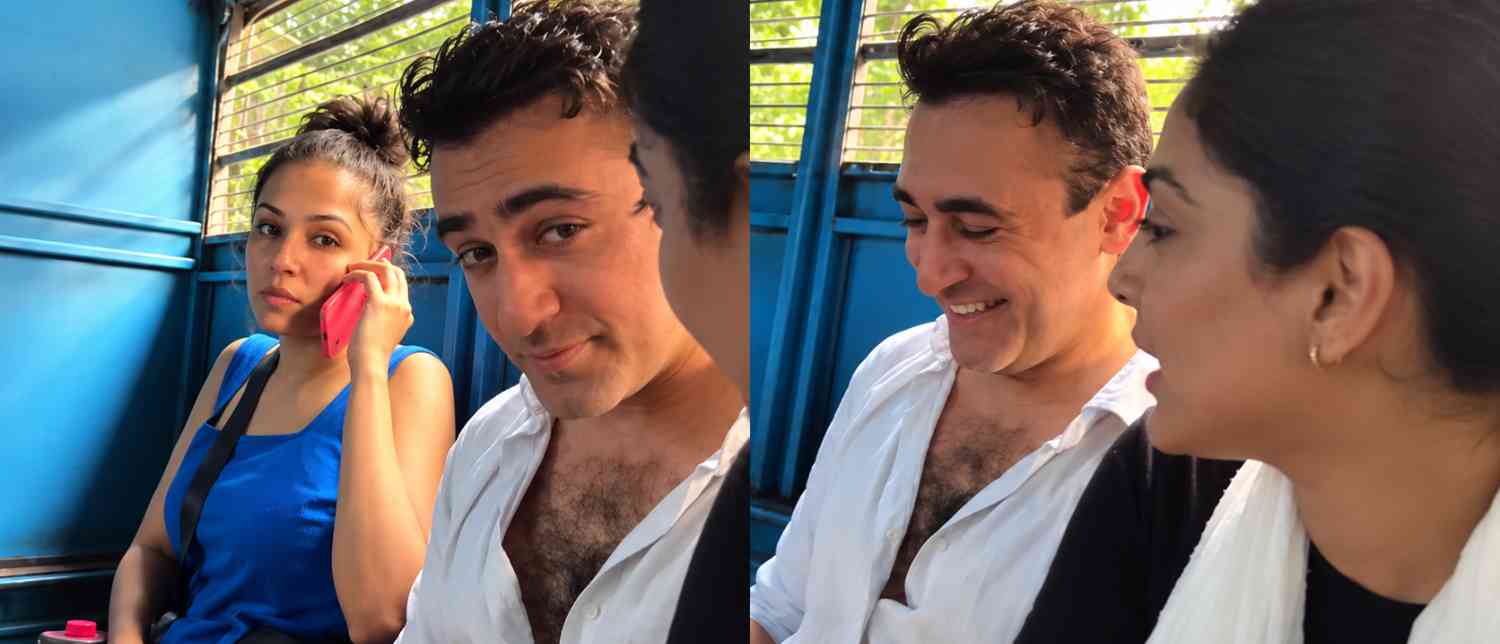
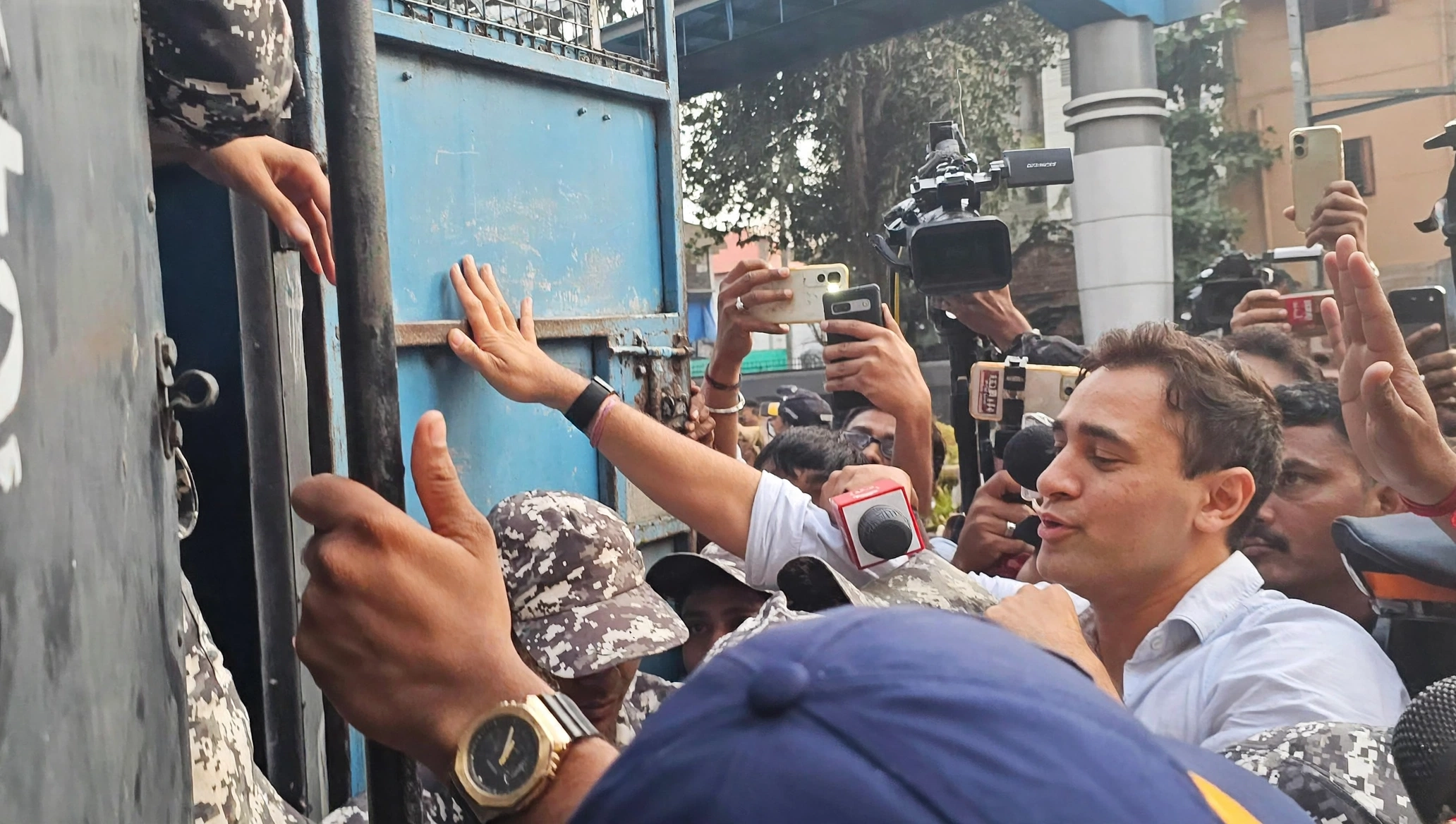
The controversy follows a protest organised by the Cockroach Janata Party (CJP) at Mumbai’s August Kranti Maidan on October 10. Khan attended the demonstration alongside his partner, actor Lekha Washington, and his cousin Zayne Marie Khan. All three were detained by the police and subsequently released.
The case has since attracted political attention, particularly after demands for action against the actor over his participation in the protest.
Why Has Imran Khan Been Asked to Leave India?
According to reports, Mumbai Police has directed Imran Khan to leave India by October 28. The notice was issued under the Immigration and Foreigners Act, 2025, after authorities took note of his participation in the October 10 demonstration.
Police stated that action had been taken under the relevant provisions of immigration law because Khan participated in the protest despite not being an Indian citizen.
The legal issue centres on his citizenship status. Although Khan has spent much of his life connected to India and belongs to a prominent Bollywood family, he is an American citizen who holds an OCI card rather than an Indian passport.
His participation in a political demonstration has therefore brought the conditions governing his stay in India under scrutiny.
BJP leader Kirit Somaiya had earlier approached the Mumbai Police, arguing that the action taken in connection with the protest was incomplete. He called for further proceedings, alleging that Khan's participation amounted to an illegal political agitation and violated OCI provisions and visa conditions.
These allegations and the police action have made the case a subject of wider debate. However, the demand for action by a political leader should be distinguished from the legal grounds cited in the official notice.
Immigration and Foreigners Act, 2025: Which Sections Apply?
Two provisions of the Immigration and Foreigners Act, 2025, have been cited in connection with the notice issued to Khan: Sections 7 and 29.
Section 7 empowers the Central Government to issue orders, directions or instructions regulating, restricting or prohibiting the entry, departure, presence or movement of foreign nationals in India.
The provision gives the government authority to regulate the circumstances under which foreign nationals may enter or remain in the country, subject to the applicable legal framework.
Section 29 deals with the power to remove foreign nationals from India. It provides for removal directions in specified circumstances, including violations of the Act or rules and orders made under it, as well as situations involving an adverse security report.
The provisions have become central to the controversy because Khan is not an Indian citizen. His OCI status allows him certain privileges, but it does not place him on the same legal footing as an Indian citizen.
The notice has consequently raised questions about how immigration regulations apply when a foreign national holding OCI status participates in a political demonstration.
The precise legal implications will depend on the applicable provisions, the grounds for the action and any subsequent proceedings. The issuance of a notice should not, by itself, be treated as a final judicial determination of every allegation surrounding the incident.
What Happened at the CJP Protest in Mumbai?
The incident that preceded the notice took place on October 10 at August Kranti Maidan in Mumbai. Members and supporters of the Cockroach Janata Party, a satirical political group, gathered to protest against Chief Election Commissioner Gyanesh Kumar.
The wider protest movement called for Kumar's resignation amid allegations concerning electoral roll revisions and claims that changes to voter lists had adversely affected certain voters.
The allegations formed part of the protesters' stated concerns. They should not be confused with independently established findings about the electoral process.
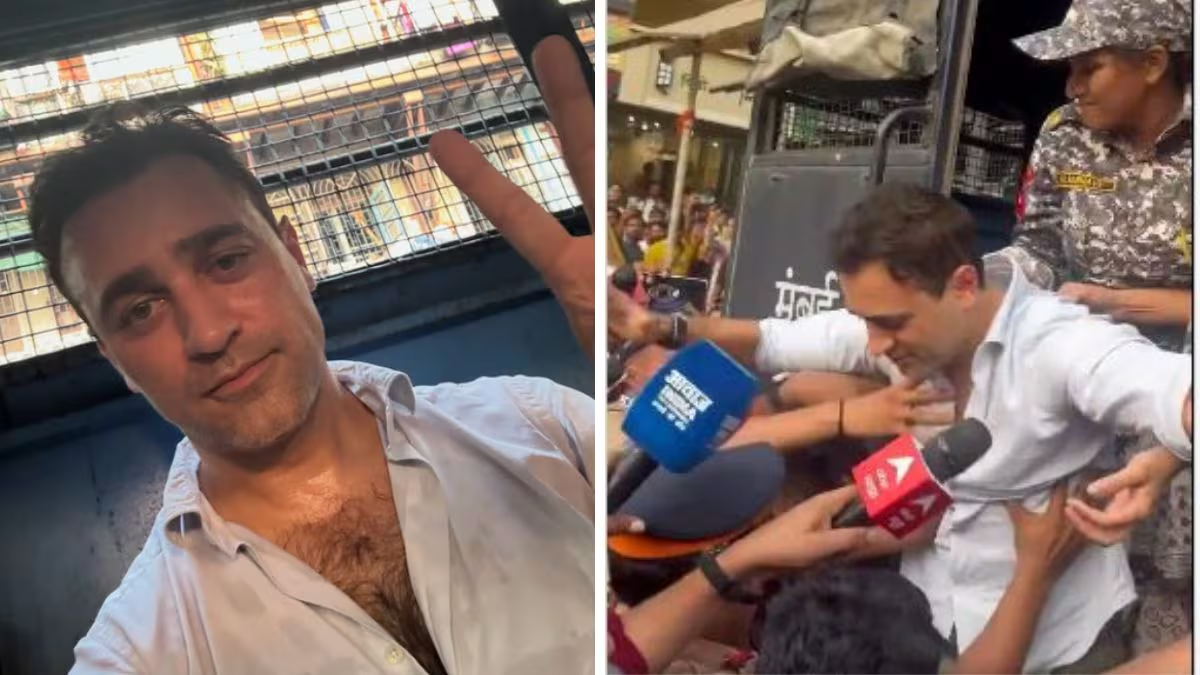
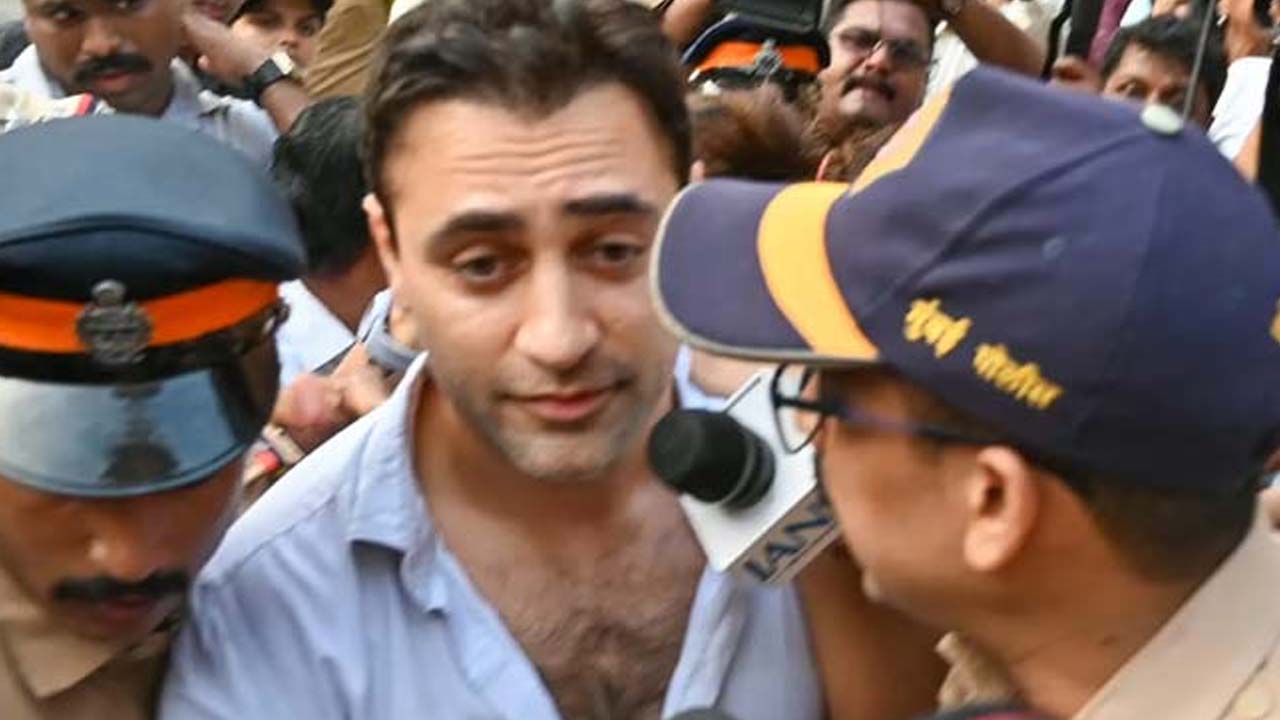
Imran Khan attended the demonstration with Lekha Washington and Zayne Marie Khan. Police detained the three during the protest, although they were later released.
Khan subsequently shared a photograph of himself inside a police van on social media, accompanying it with the caption, “Apparently I'm going for a drive.”
The post drew attention to his detention, but the more significant development came in the days that followed, when authorities issued the notice directing him to leave India.
The episode has since connected a public protest, a celebrity's immigration status and the limits governing political participation by foreign nationals.
Who Is Imran Khan? His Connection to Aamir Khan and Bollywood
Imran Khan is the nephew of Bollywood actor Aamir Khan and filmmaker Mansoor Khan. He is also the grandson of filmmaker and producer Nasir Hussain, whose work helped shape several influential Hindi films.
His mother, Nuzhat Khan, is the daughter of Nasir Hussain, while his father, Anil Pal, is a software engineer. His parents separated when he was young, and he grew up between India and the United States.
Khan entered Bollywood as a leading actor with the 2008 romantic comedy Jaane Tu... Ya Jaane Na, directed by Abbas Tyrewala and produced by Aamir Khan. Starring opposite Genelia D'Souza, he won attention for his performance and received the Filmfare Award for Best Male Debut.
He subsequently appeared in several commercially recognised films, including I Hate Luv Storys (2010), Delhi Belly (2011), Mere Brother Ki Dulhan (2011) and Ek Main Aur Ekk Tu (2012).
His later projects included Matru Ki Bijlee Ka Mandola, Once Upon a Time in Mumbai Dobaara! and Gori Tere Pyaar Mein. His last theatrical release as a lead actor was Katti Batti in 2015, opposite Kangana Ranaut.
After stepping away from mainstream acting, Khan explored other creative interests, including filmmaking. In 2018, he directed the documentary short Mission Mars: Keep Walking India.
His prolonged absence from mainstream cinema has periodically prompted speculation about a possible comeback. However, the latest controversy has shifted public attention from his professional life to his immigration status and participation in the Mumbai protest.
What Is an OCI Card, and Does It Give Indian Citizenship?
An Overseas Citizen of India card is issued to eligible people of Indian origin who hold foreign citizenship, subject to the scheme's requirements.
Introduced in 2005, the OCI scheme allows eligible cardholders to maintain certain connections with India while retaining their foreign nationality.
An OCI card generally provides a lifelong, multiple-entry visa to India, along with specified privileges relating to areas such as education, property and certain professional activities, subject to applicable rules.
However, OCI status is not the same as Indian citizenship.
OCI cardholders do not enjoy all the rights available to Indian citizens. They cannot vote in Indian elections or contest elections for public office, and their activities in the country remain subject to the conditions governing their status.
This distinction is central to the Imran Khan controversy. His association with India, his Bollywood career and his family background do not change his reported US citizenship or automatically confer the political rights available to Indian citizens.
The case has therefore brought renewed attention to the legal differences between Indian citizenship, foreign nationality and OCI status.
Lekha Washington and Zayne Marie Khan Were Also Detained
Khan was not alone at the August Kranti Maidan demonstration. His partner, actor Lekha Washington, and his cousin Zayne Marie Khan also attended the protest.
All three were detained by Mumbai Police and later released.
Washington and Khan's appearance at the demonstration drew additional public attention because of their association with the actor. However, the subsequent immigration notice specifically reported in Khan's case relates to his status as a foreign national and the legal provisions cited by authorities.
The incident illustrates how participation in a political demonstration can have different legal implications depending on an individual's citizenship and immigration status.
What Happens Next? October 28 Deadline in Focus
The October 28 deadline is now a key date in the case. Mumbai Police has directed Imran Khan to leave India by that date, making the notice a significant development for the actor and raising questions about his future stay in the country.
The controversy also places a broader legal issue in focus: the relationship between political participation and the conditions attached to foreign nationals' presence in India.
For OCI cardholders, the distinction between permission to reside in or travel to India and the rights of Indian citizens is particularly important. The privileges attached to OCI status do not eliminate the restrictions that may apply under immigration law.
At the same time, the precise grounds for the action, the interpretation of the relevant provisions and any subsequent legal developments will be important in determining how the matter progresses.
The episode has also prompted discussion about the responsibilities and limitations applicable to foreign nationals who take part in political demonstrations in India.
What This Means for Imran Khan
The notice directing Imran Khan to leave India by October 28 has turned a Mumbai protest into a wider debate about citizenship, immigration rules and political participation.
The actor's detention at the October 10 CJP protest, his US citizenship, his OCI card and the invocation of the Immigration and Foreigners Act, 2025, have brought these issues together in a case attracting considerable public attention.
For Khan, the development represents a sharp departure from the Bollywood career that made him familiar to audiences. For observers, it highlights the distinction between having Indian roots and holding Indian citizenship, as well as the legal conditions that govern foreign nationals staying in the country.
As the deadline approaches, the next developments in the case will determine how the notice is addressed and what implications the episode may have for the wider debate over OCI status and political demonstrations in India.
© Copyright 2026. All Rights Reserved. Powered by Vygr Media.