 By
By 
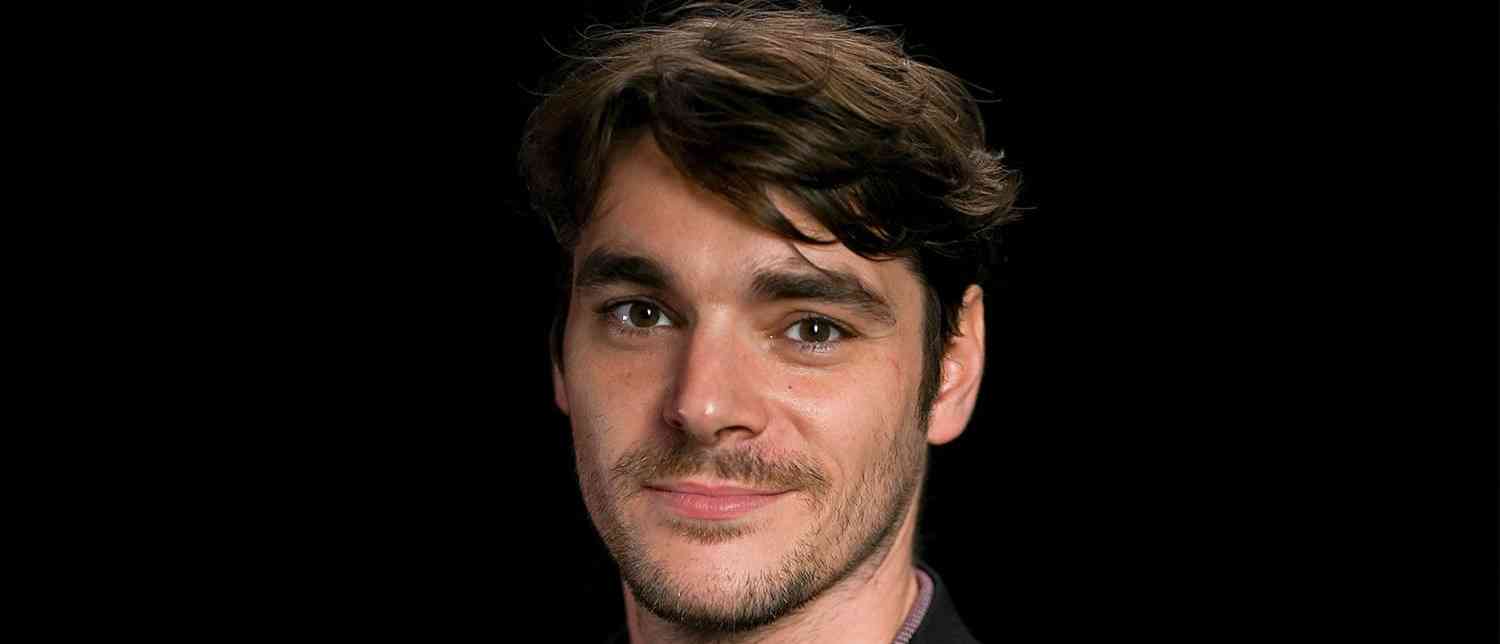
RJ Mitte, best known for playing Walter White Jr. in the acclaimed television series Breaking Bad, has died at the age of 34. The actor’s death has prompted an outpouring of grief from fans who remember him for his heartfelt performance, as well as for his efforts to promote disability awareness and inclusion in the entertainment industry.
Mitte became widely recognised for portraying the son of Walter White, played by Bryan Cranston, and Skyler White, played by Anna Gunn, in the celebrated crime drama. His character, known as Walter Jr. or Flynn, became an important emotional presence in a series dominated by crime, moral conflict and the consequences of increasingly dangerous decisions.
Beyond his work on screen, Mitte was admired for drawing on his own experience with cerebral palsy to bring authenticity to his performance. He also used his public platform to challenge stereotypes about disability and encourage greater representation of disabled performers in Hollywood.
As news of RJ Mitte’s death spread, viewers began revisiting his memorable scenes, his career beyond Breaking Bad and the lasting significance of a character who helped bring disability representation into mainstream television.

RJ Mitte Dies at 34: What We Know About His Death
RJ Mitte died on October 12, 2026, at the age of 34. His death was confirmed by his representatives, who expressed profound sadness over the loss of the actor, philanthropist and disability rights advocate.
Authorities said Mitte died in Brownsville, Texas. Cameron County Justice of the Peace Cyndi Hinojosa confirmed that he had been pronounced dead at approximately 1:30 p.m. local time on Monday.
At the time of the initial announcements, the circumstances surrounding his death had not been officially established, and authorities indicated that further examination would be required. It is important to distinguish between information confirmed by officials and details that may emerge as an investigation progresses.
The announcement shocked fans of Breaking Bad, a series that remains influential years after its original run. Mitte’s representatives highlighted the connection between his personal experiences and his professional work, noting how he helped promote disability awareness and inclusion.
For many viewers, the news was particularly difficult because Mitte was still pursuing creative projects and engaging with audiences shortly before his death. His passing has renewed attention to both his screen career and the causes he supported away from the camera.
Why RJ Mitte Became Famous as Walter White Jr. in Breaking Bad
Mitte’s most recognisable role was Walter White Jr., the teenage son of Walter White in Breaking Bad. Created by Vince Gilligan, the AMC crime drama originally ran from 2008 to 2013 and followed the transformation of a high-school chemistry teacher into a major figure in the illegal drug trade.
While Walter White’s descent into criminality drove the central storyline, his family relationships provided much of the series’ emotional complexity. Walter Jr. was one of the characters most directly affected by his father’s choices, even as he struggled to understand what was happening within his own household.
Initially, Walter Jr. admired his father and saw him as a source of stability. As Walter’s secret criminal life became increasingly difficult to conceal, however, that relationship changed. The growing distance between father and son became one of the show’s most painful family conflicts.
Mitte appeared throughout the series’ five-season run, contributing to a character whose emotional journey extended beyond his disability. Walter Jr. experienced anger, confusion, affection and betrayal, making him a recognisable teenager caught in circumstances he could neither fully understand nor control.
His character was also known as Flynn, a name he sometimes preferred to distinguish himself from his father. The relationship between the two names reflected the character’s efforts to establish an identity of his own amid the growing turmoil surrounding the White family.
Mitte’s performance helped make Walter Jr. more than a supporting character in a crime drama. His presence offered viewers a perspective grounded in family loyalty, vulnerability and the consequences of choices made by people he loved.
RJ Mitte’s Cerebral Palsy Brought Authenticity to His Performance
One of the defining aspects of Mitte’s career was the connection between his lived experience and his portrayal of Walter White Jr. The actor had cerebral palsy, a neurological condition that can affect movement, muscle control and coordination. He was diagnosed during childhood.
Like Mitte, his character in Breaking Bad had cerebral palsy. This connection gave the performance a distinctive authenticity and helped challenge conventional portrayals of disability on television.
Rather than making disability the sole focus of Walter Jr.’s identity, the series presented him as a teenager with relationships, frustrations, preferences and personal ambitions. His disability formed part of his life, but it did not define every aspect of his personality.
That distinction was important in an entertainment industry where disabled characters have often been reduced to stereotypes or portrayed primarily to advance another character’s story.
Mitte’s work demonstrated how disabled actors could bring personal understanding to complex roles while participating in mainstream television on their own professional merits.
His experience also helped him speak publicly about disability representation, accessibility and opportunities for performers who are frequently underrepresented on screen.
For audiences who saw themselves reflected in Walter Jr., the character offered a meaningful example of a disabled teenager being included in an expansive story without losing his individuality. For other viewers, the role provided an opportunity to engage with disability through an established, widely watched drama.
Mitte’s contribution therefore extended beyond a single television performance. It became part of a wider conversation about inclusion, authentic casting and the need for Hollywood to make space for disabled talent.
From Breaking Bad to Other Television and Film Projects
Although Breaking Bad established Mitte as a familiar face to television audiences, his career continued after the series concluded in 2013.
He appeared in other television productions, including Switched at Birth, which explored family relationships, identity and communication through the lives of two teenagers who discover they were switched at birth. He also appeared in The Guardians of Justice, a superhero satire that offered a different kind of role from the grounded family drama that first brought him widespread recognition.
His film credits included projects such as The Recall, The Oak Room and Triumph. Through these performances, Mitte continued exploring different characters and genres rather than remaining limited to the role that made him famous.
He also worked behind the scenes on independent film projects, expanding his involvement in the entertainment industry beyond acting.
In the period leading up to his death, Mitte had been promoting Talking to Strangers, a film that brought renewed attention to his work. He remained engaged with creative opportunities, demonstrating that his ambitions extended well beyond the success of Breaking Bad.
For an actor who had entered the industry as a teenager, his career represented a sustained effort to build a professional identity while using his visibility to encourage more inclusive storytelling.
RJ Mitte’s First Instagram Post and the Lasting Popularity of Walt Jr.
Following news of Mitte’s death, renewed interest in his early social media activity reflected the enduring connection between the actor and his best-known character.
His first Instagram post reportedly introduced him to followers as Walt Jr., the character through whom millions of viewers came to know him. The detail offered a reminder of how closely his public identity had become associated with Breaking Bad and the White family.
For longtime fans, revisiting such early posts has become a way of looking back at the actor’s journey, from his breakthrough on a landmark television series to his later work in film, television and disability advocacy.
The continued interest in Walt Jr. also speaks to the lasting popularity of Breaking Bad. Even years after the finale, the series continues to attract viewers through streaming, online discussions and renewed appreciation of its performances.
Walter Jr.’s story remains particularly memorable because it unfolded alongside his father’s moral collapse. As Walter became increasingly consumed by his criminal ambitions, his son’s trust and admiration gave way to disappointment and heartbreak.
One of the series’ most powerful elements was the contrast between Walter’s increasingly destructive choices and his son’s desire for a stable, loving family. Mitte helped make that contrast emotionally convincing.
The renewed attention surrounding the actor’s death has therefore become more than a retrospective on a famous television role. It has also encouraged audiences to consider the person behind the character and the work he pursued beyond the screen.
RJ Mitte’s Disability Rights Advocacy and Philanthropic Work
Mitte’s legacy was shaped not only by his acting but also by his commitment to improving opportunities for people with disabilities.
He served as an ambassador for United Cerebral Palsy and Shriners Children’s, organisations associated with support, services and advocacy for people with disabilities and their families. He also served as president of the Mitte Foundation, which supported philanthropic and community initiatives.
Through these roles, Mitte helped draw attention to the importance of disability awareness, inclusion and more equitable opportunities.
His advocacy was especially significant because he understood the challenges of navigating an industry in which physical differences can influence casting decisions and the kinds of characters offered to actors. By continuing to work professionally while speaking about representation, he helped challenge assumptions about what disabled performers could achieve.
His example also highlighted the difference between simply including a disabled character in a story and ensuring that disabled people have meaningful opportunities to shape the stories being told.
For young performers and audiences living with disabilities, his career offered a visible reminder that disability need not prevent someone from pursuing creative ambitions. His work helped make that message part of a broader conversation about representation in entertainment.
Mitte’s influence cannot be measured solely by the number of roles he played. His efforts to encourage inclusion and support philanthropic causes formed an important part of the legacy he leaves behind.
Bryan Cranston and the Breaking Bad Family Remember RJ Mitte
Mitte’s death also brought renewed attention to the relationships he developed with his Breaking Bad castmates, particularly Bryan Cranston, who played his on-screen father.
Cranston expressed profound sorrow following the news, reflecting on Mitte’s development from a young actor at the beginning of the series to a talented performer and advocate.
Their relationship carried additional significance because they had portrayed father and son throughout a drama in which the breakdown of that bond became central to the story.
Cranston also highlighted Mitte’s work advocating for performers with disabilities and his involvement in philanthropic initiatives. His tribute captured the sense of loss surrounding an actor whose career had included both artistic achievement and efforts to make the industry more inclusive.
The response from the show's wider audience has similarly demonstrated how strongly viewers connected with Mitte and his portrayal of Walter Jr.
For many fans, the character remains inseparable from some of Breaking Bad’s most emotionally difficult moments. His reactions to the truth about his father helped give the series a human dimension that balanced its crime-driven narrative.
RJ Mitte’s Legacy: More Than Just Walter White Jr.
RJ Mitte’s death at 34 marks a significant loss for the entertainment industry and the disability advocacy community. His career connected a memorable television performance with a broader commitment to representation, accessibility and inclusion.
As Walter White Jr., he helped portray a disabled teenager as a fully realised individual rather than a character defined by a medical condition. Away from the screen, he used his platform to support people with disabilities and challenge limiting assumptions about their abilities.
His subsequent work in television and film demonstrated his willingness to pursue new creative opportunities, while his philanthropic involvement reflected a commitment to causes beyond his own career.
The renewed interest in his first Instagram post, his performances and his advocacy underscores the lasting relationship between actors and the audiences who grow attached to their work.
For Breaking Bad fans, Mitte will remain the actor who brought sincerity, vulnerability and emotional depth to Walter White’s son. For those who followed his work beyond the series, he will also be remembered as a performer who sought to make Hollywood more inclusive.
His career was tragically cut short, but the conversations he helped advance about disability representation and the performances he left behind will continue to shape how audiences remember him.
As tributes continue, RJ Mitte’s legacy rests on two connected achievements: bringing an unforgettable character to life and using the visibility that followed to advocate for a more inclusive world.
© Copyright 2026. All Rights Reserved. Powered by Vygr Media.