 By
By 
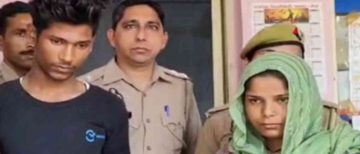
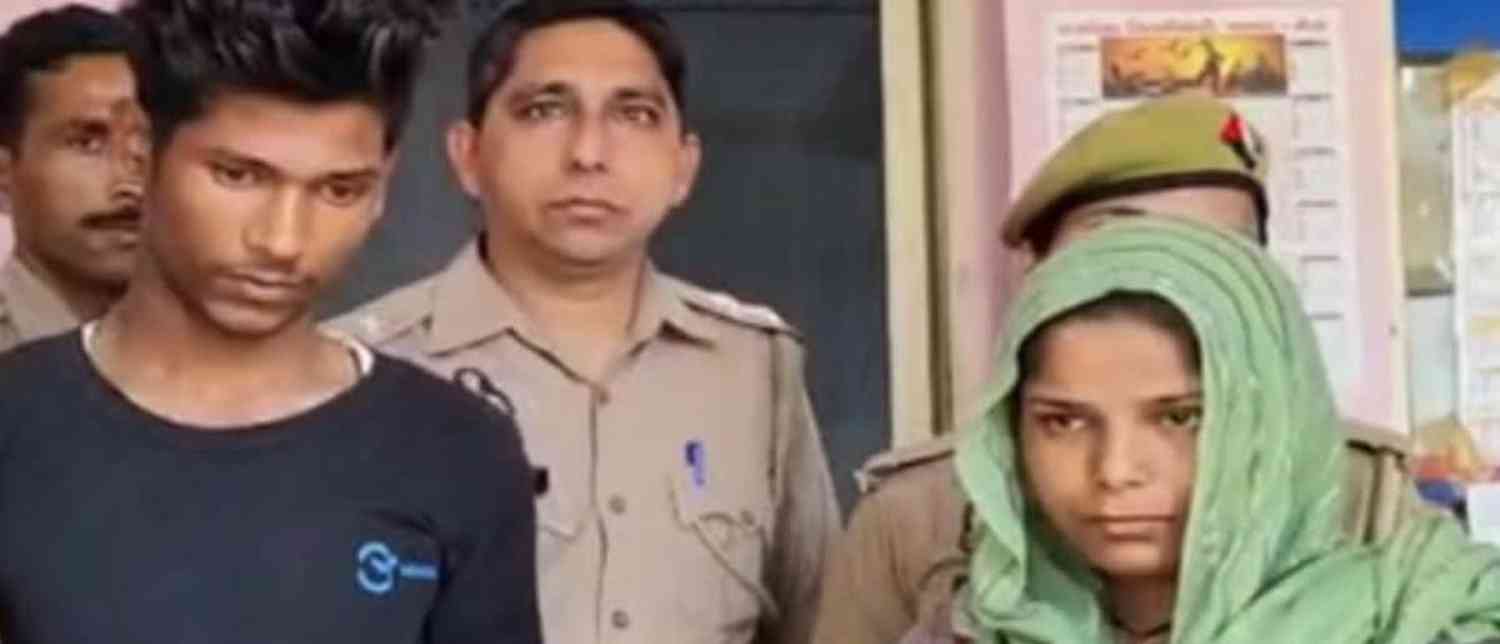
A Meerut court has sentenced Ravita Kashyap and her lover, Amardeep, to death for murdering her husband, Amit Kashyap, and allegedly attempting to disguise the crime as a snakebite. Describing the case as one of the “rarest of rare”, the court delivered its verdict on October 16, 2026, bringing a significant development in a murder case that shocked Uttar Pradesh.
The Meerut snakebite murder case centres on the death of Amit, also known as Mikky, whose body was discovered at his home in Akbarpur Sadat village in April 2025. What initially appeared to be a possible snakebite death soon developed into a murder investigation after suspicious injuries and forensic findings raised serious questions about the circumstances.
Investigators subsequently uncovered evidence that pointed towards a planned killing, with the prosecution alleging that the accused had attempted to mislead the police by placing a snake near the victim’s body.
The verdict marks the conclusion of a closely watched trial involving allegations of marital betrayal, criminal conspiracy and an attempt to conceal a murder. It also places renewed attention on the evidence that helped investigators establish the actual cause of Amit Kashyap’s death.
Meerut Court Awards Death Penalty in Amit Kashyap Murder Case
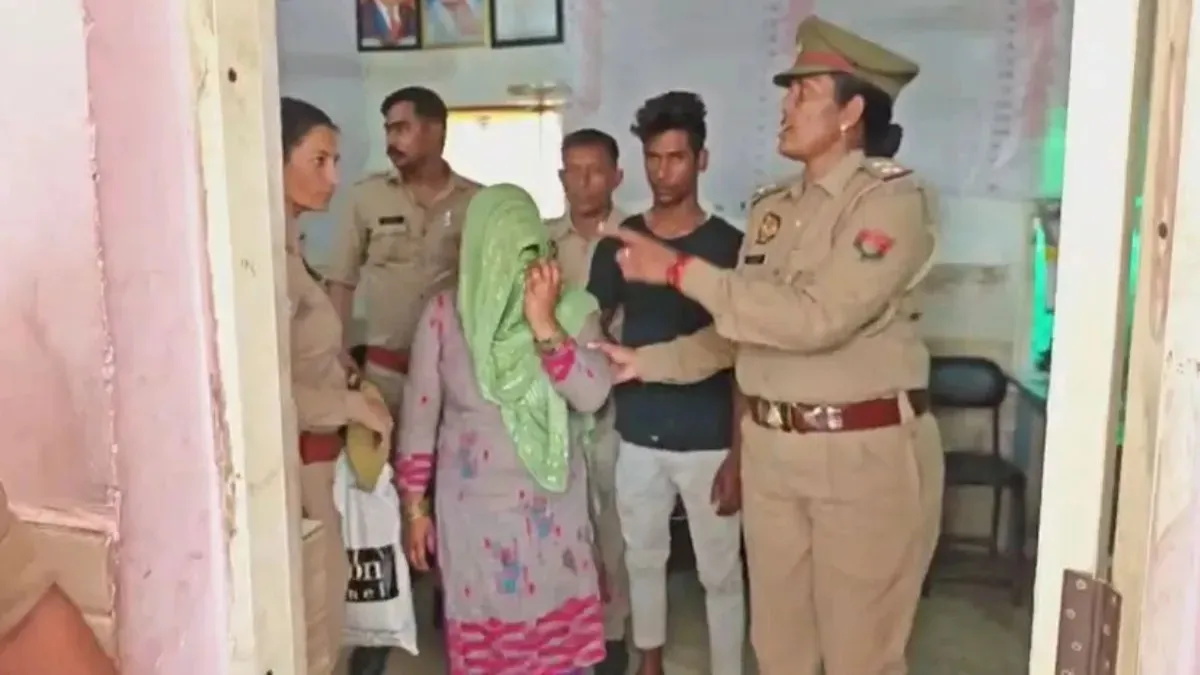
The court of Additional District Judge-12 in Meerut sentenced Ravita and Amardeep to death after convicting them of murder and criminal conspiracy on October 7. The sentencing decision followed arguments over the seriousness of the crime, the alleged planning involved and the attempt to make the killing appear to be an accidental death.
During the sentencing proceedings, the prosecution sought capital punishment for both convicts, arguing that the nature of the offence and the alleged effort to mislead investigators justified the maximum penalty.
The victim’s family also sought the death penalty, maintaining that the gravity of the crime warranted the harshest punishment available under the law.
The court's decision to classify the case as “rarest of rare” was central to the sentencing outcome. Under Indian law, the death penalty is reserved for exceptional cases, with courts required to assess the circumstances of the crime and the relevant aggravating and mitigating factors.
The verdict represents a major development for Amit Kashyap’s family, which had been seeking justice since his death.
What Happened to Amit Kashyap in Meerut?
Amit Kashyap was found dead at his home in Akbarpur Sadat village on April 12, 2025. The circumstances initially led his family to suspect that he had died after being bitten by a snake, particularly because a snake was found trapped beneath his body.
However, the discovery of injuries on his neck and scratch marks on his body raised suspicions about the apparent cause of death.
A post-mortem examination proved crucial in determining what had happened. The report established that Amit had died from asphyxia caused by strangulation, rather than from a snakebite.
This finding changed the direction of the investigation. What had initially appeared to be a possible natural or accidental death was treated as a suspected murder, prompting investigators to examine the victim’s personal relationships and the events surrounding his death.
According to the prosecution, Ravita and Amardeep were in a relationship and had conspired to eliminate Amit. The prosecution alleged that they strangled him and then used the snake to make the death appear to have resulted from a snakebite.
The alleged cover-up became one of the most disturbing aspects of the case, as investigators worked to establish whether the snake had played any role in the death or had been deliberately introduced to mislead the authorities.
How the Snakebite Murder Conspiracy Was Exposed
The snake found beneath Amit’s body initially supported the appearance of a snakebite incident. However, the medical findings contradicted that explanation.
The snake was reportedly caught and kept in a container for examination. According to the prosecution, snake charmers who examined the animal said its venom sac had been removed, undermining the claim that a venomous bite had caused Amit’s death.
Police also questioned the person suspected of supplying the snake as part of the investigation.
The forensic findings and the investigation into the snake became important elements in challenging the apparent explanation for Amit’s death. The post-mortem report established strangulation as the cause of death, while the circumstances surrounding the snake raised further questions about the alleged attempt to stage the incident.
Investigators also examined communications between Ravita and Amardeep. Mobile phone records emerged as a significant part of the prosecution’s case, helping establish the nature and frequency of contact between the two.
Together, the medical evidence, phone records, witness testimony and investigation into the snake formed key elements of the case presented before the court.
Mobile Phone Records Played a Crucial Role
Digital evidence proved particularly important in the Meerut murder investigation.
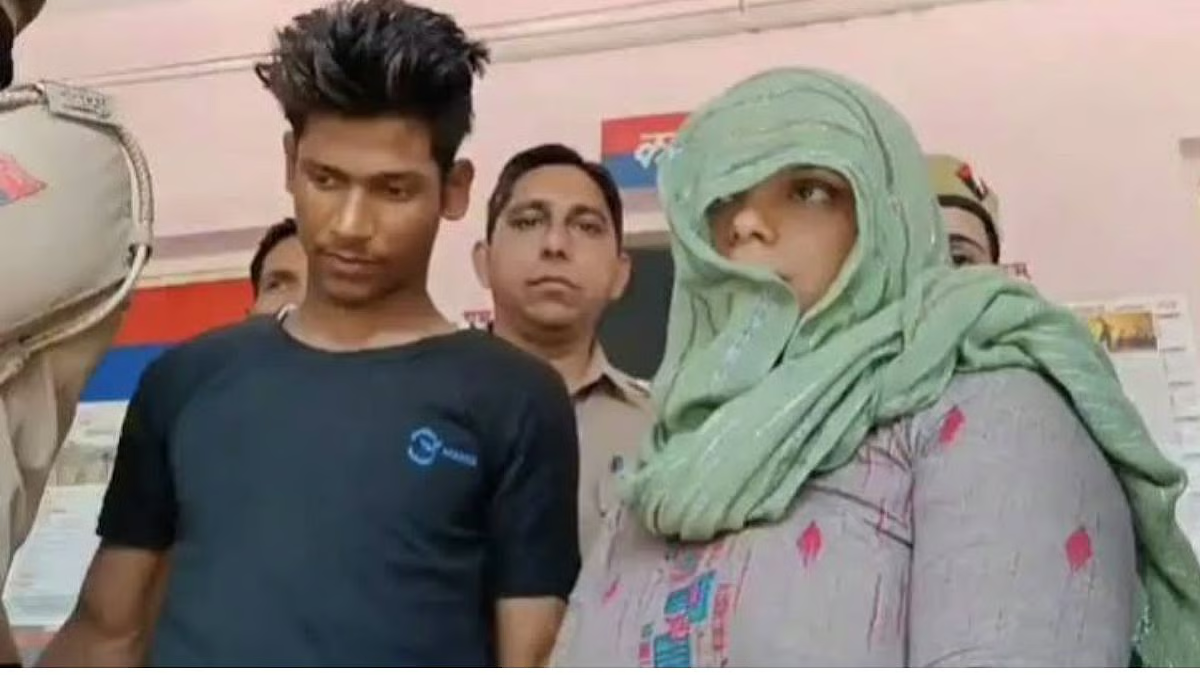
According to the prosecution, Ravita and Amardeep communicated more than 70 times over four days following Amit’s death. Investigators also traced more than 500 calls between the two through a mobile number allegedly used by Amardeep to contact Ravita.
The number was registered in the name of Sonu, a resident of Jagriti Vihar. He reportedly told the court that he neither used the number nor knew either of the convicts.
These details formed part of the prosecution's effort to establish the communications between the accused and examine their relevance to the alleged conspiracy.
Call records can help investigators reconstruct contact patterns and identify connections between individuals, although their significance depends on how they fit with the other evidence in a case.
Here, the prosecution relied on the mobile phone records alongside the post-mortem findings and witness testimony to support its allegations of a planned murder.
The investigation culminated in a chargesheet running to more than 500 pages. The prosecution examined over a dozen witnesses during the trial, presenting its account of the events and the evidence against the accused.
Prosecution Seeks Maximum Punishment for the Convicts
During the sentencing arguments, government prosecutors urged the court to impose the death penalty on Ravita and Amardeep.
They cited the alleged premeditated nature of the murder, the manner in which it was carried out and the attempt to conceal the crime as reasons for seeking capital punishment.
The prosecution also referred to previous judicial decisions, including the Shabnam murder case, while presenting its arguments in favour of the maximum sentence.
Lawyers representing Amit Kashyap’s family supported the demand for the death penalty.
The court ultimately sentenced both convicts to death, describing the crime as falling within the “rarest of rare” category.
The decision underscores the seriousness with which the court viewed the circumstances established during the trial. However, a death sentence is subject to the applicable legal procedures and judicial safeguards before it can be carried out.
Court Invokes the Traditional Meaning of Marriage
One of the notable aspects of the sentencing proceedings was the court’s reference to the traditional concept of a wife as ardhangini, meaning an equal or complementary half of her husband in Hindu tradition.
The court also invoked the example of Savitri, a figure from Hindu tradition associated with devotion and efforts to save her husband’s life.
These references formed part of the court’s observations while pronouncing the sentence.
The case itself, however, was decided on the criminal charges and the evidence considered during the trial. The prosecution’s case centred on the alleged conspiracy, the strangulation of Amit and the attempt to make his death appear to have been caused by a snakebite.
The sentencing observations added a cultural dimension to a case already attracting considerable public attention because of the unusual method allegedly used to disguise the killing.
Meerut Murder Case Draws Attention to Forensic and Digital Evidence
The Amit Kashyap murder case highlights how an apparent explanation for a death can unravel when forensic evidence conflicts with the initial account.
The presence of a snake initially suggested a possible snakebite. But the post-mortem report established strangulation as the cause of death, redirecting the investigation towards suspected homicide.
The examination of the snake, the questioning of a suspected supplier, mobile phone records and witness statements subsequently became important parts of the prosecution's case.
The investigation also demonstrates the role digital evidence can play in criminal proceedings. Communication records do not independently establish guilt, but they can help investigators test timelines, examine relationships and assess allegations when considered alongside forensic findings and other evidence.
In this case, the court convicted Ravita and Amardeep of murder and criminal conspiracy before imposing the death penalty.
The verdict brings a major judicial development in a case that began with the discovery of a man whose death appeared to have a very different explanation from the one eventually established through forensic examination.
Death Sentence Marks a Major Development in the Meerut Snakebite Case
The death sentence awarded to Ravita Kashyap and Amardeep in the Meerut snakebite murder case marks a significant moment in the pursuit of justice for Amit Kashyap.
From the discovery of his body in Akbarpur Sadat village to the forensic findings that established strangulation, the investigation challenged the initial suspicion of a snakebite death and led to a murder prosecution.
The prosecution's reliance on medical evidence, mobile phone records and witness testimony helped present its case before the court. The subsequent convictions and death sentences have brought the proceedings to a critical stage.
Yet the legal process surrounding capital punishment includes further safeguards, and the sentence remains subject to the procedures prescribed by law.
For Amit Kashyap’s family, the ruling represents a major development after more than a year of investigation and court proceedings. For the wider public, the case stands as a reminder of the importance of forensic science, careful investigation and the judicial process in uncovering the truth behind suspicious deaths.
© Copyright 2026. All Rights Reserved. Powered by Vygr Media.