 By

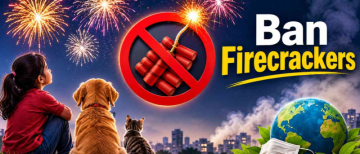
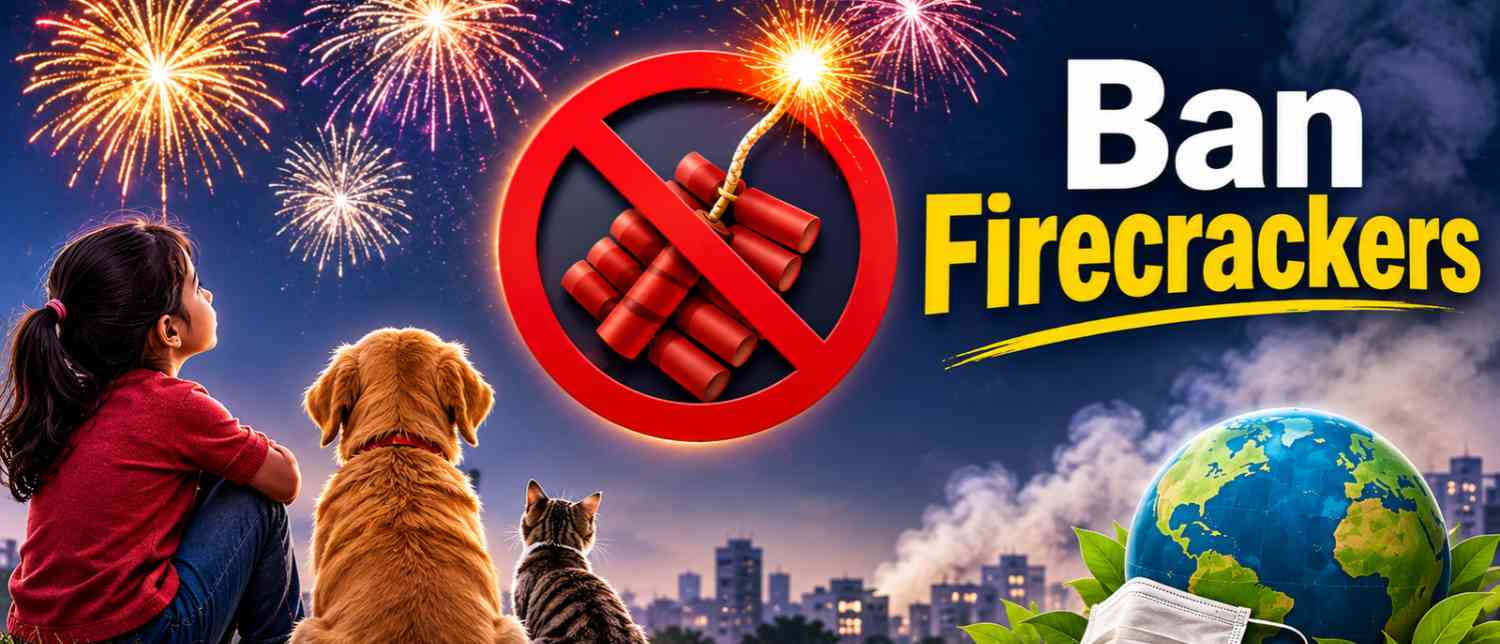
Every year, as Diwali approaches, the debate over firecrackers returns to public discourse. Television discussions, newspaper editorials, social media campaigns and court proceedings begin examining their impact on air quality, public health and the environment. Concerns about pollution, respiratory illnesses, animal distress and fire hazards become particularly prominent, and demands for restrictions or a complete ban grow louder.
These concerns are neither unreasonable nor unnecessary. Firecrackers release pollutants, generate excessive noise, leave behind waste and expose people and animals to avoidable risks. However, there is another question that deserves equal attention: why does the conversation about the environmental consequences of fireworks become so prominent during certain festivals, while their use during other celebrations often receives considerably less scrutiny?
If fireworks are harmful during Diwali, they are harmful during Christmas, New Year's Eve, Dussehra, weddings, political celebrations, national events and sporting victories. The smoke does not recognise religion, the noise does not distinguish between communities, and the pollution does not become harmless because the occasion happens to be different.
Perhaps it is time to move beyond the annual argument over Diwali firecrackers and ask a more fundamental question: do we really need fireworks to celebrate anything?
The problem is fireworks, not the festival
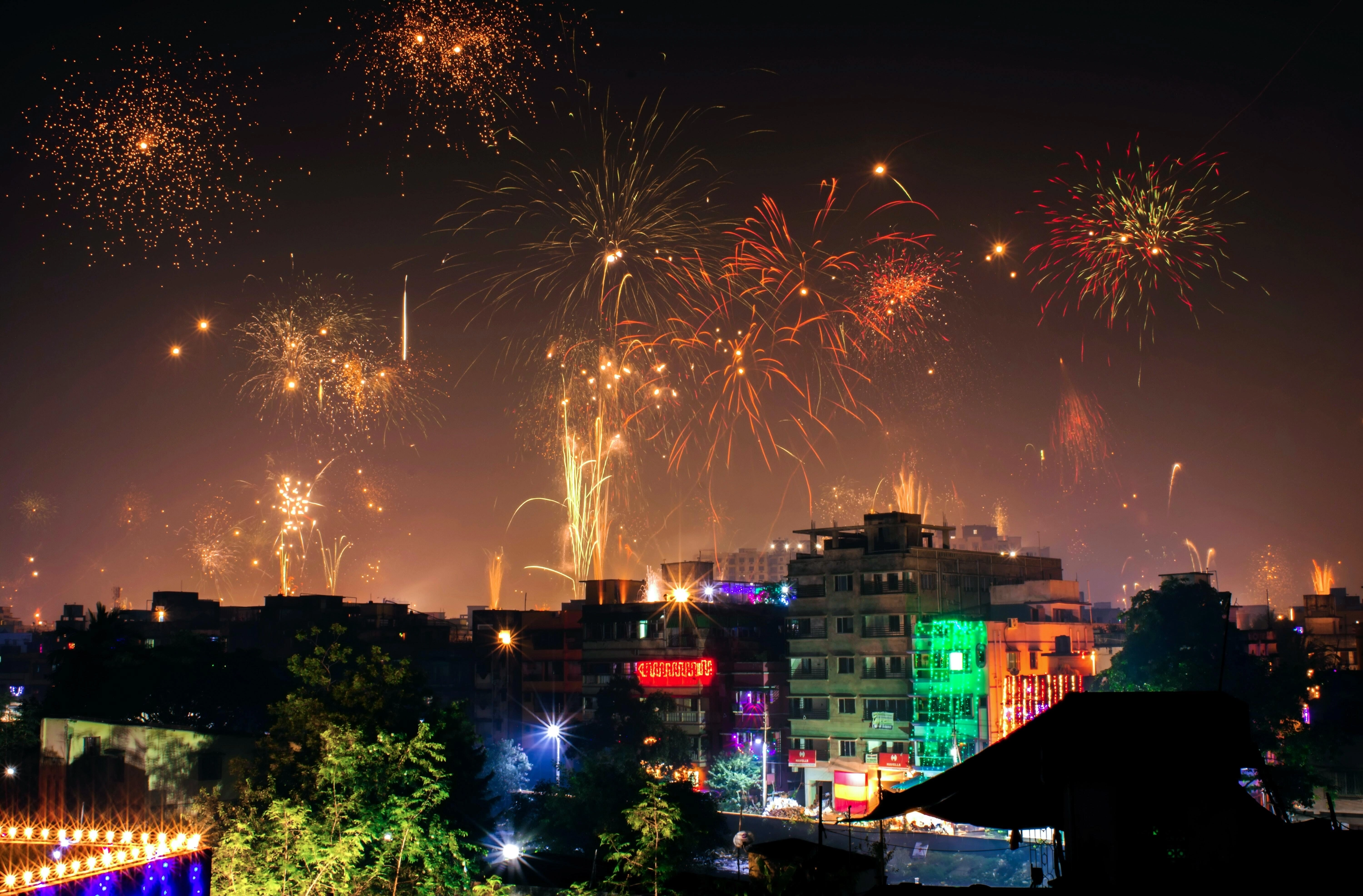
Diwali is an important cultural and religious celebration for millions of people. Its significance extends beyond lighting lamps, exchanging gifts and decorating homes. Similarly, Christmas, New Year's Eve, Chinese New Year, Independence Day and major sporting celebrations carry their own cultural, social and emotional significance.
Fireworks have gradually become associated with many of these occasions. They are used to welcome a new year, celebrate a sporting victory, mark a political achievement, commemorate national events and add excitement to religious festivals.
Yet, their environmental consequences remain largely unchanged.
The argument against firecrackers should therefore never be restricted to a particular festival or religious community. If environmental activists, policymakers and concerned citizens genuinely want to reduce pollution, their concerns must extend to every occasion involving fireworks.
Questioning the use of firecrackers during Diwali is legitimate. Questioning their use during New Year's Eve or Christmas is equally legitimate. What is not reasonable is applying environmental standards selectively, depending on which community is celebrating.
At the same time, the argument should not be reversed to suggest that fireworks become acceptable during Diwali simply because they are used elsewhere. The objective should not be to justify one occasion by pointing towards another. It should be to recognise that the same environmental responsibility applies to everyone.
Environmental protection cannot become a festival-specific campaign. It must become a universal responsibility.
A celebration should not become someone else's health hazard
One of the strongest arguments against the unrestricted use of firecrackers is their impact on human health.
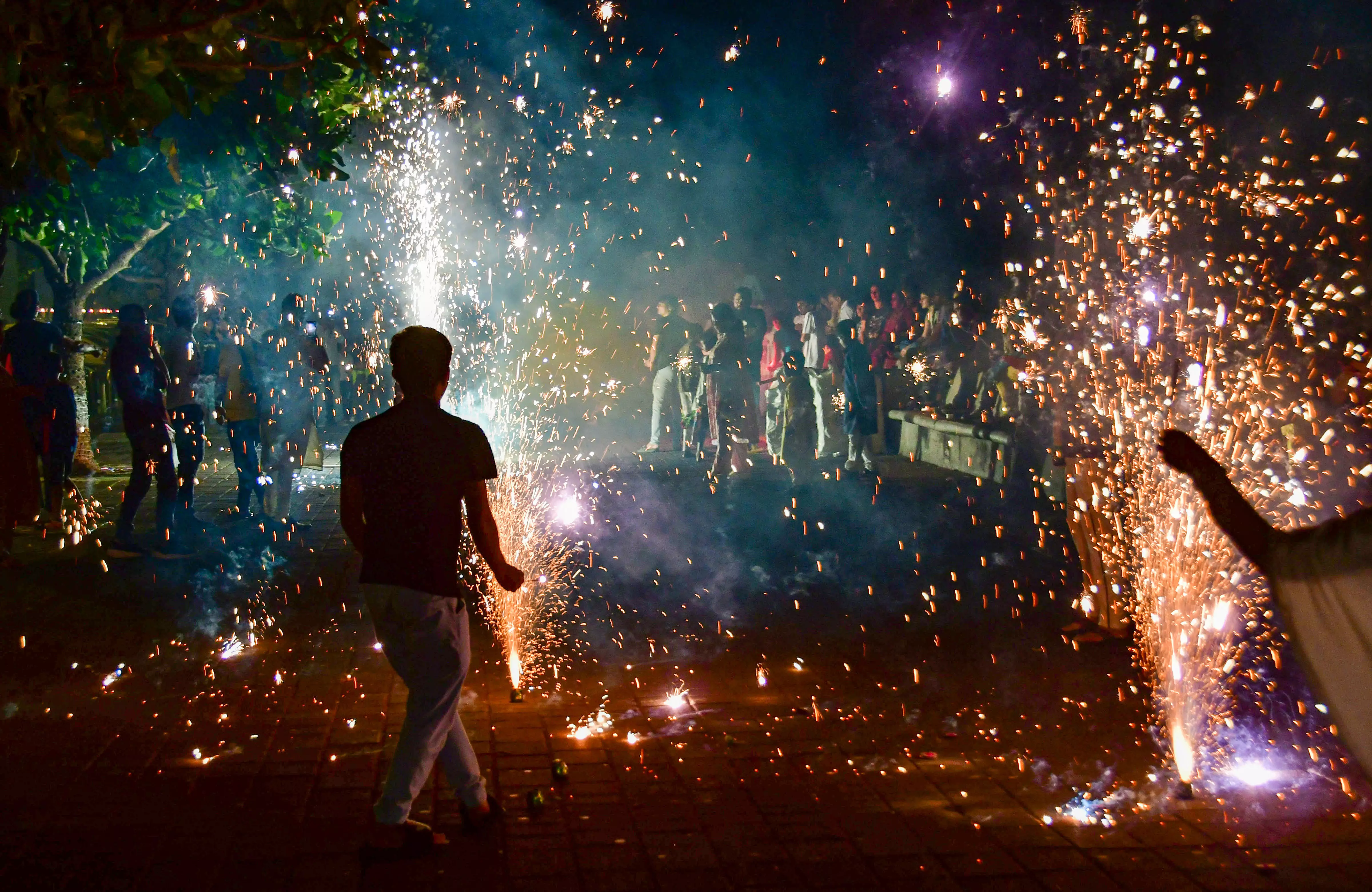
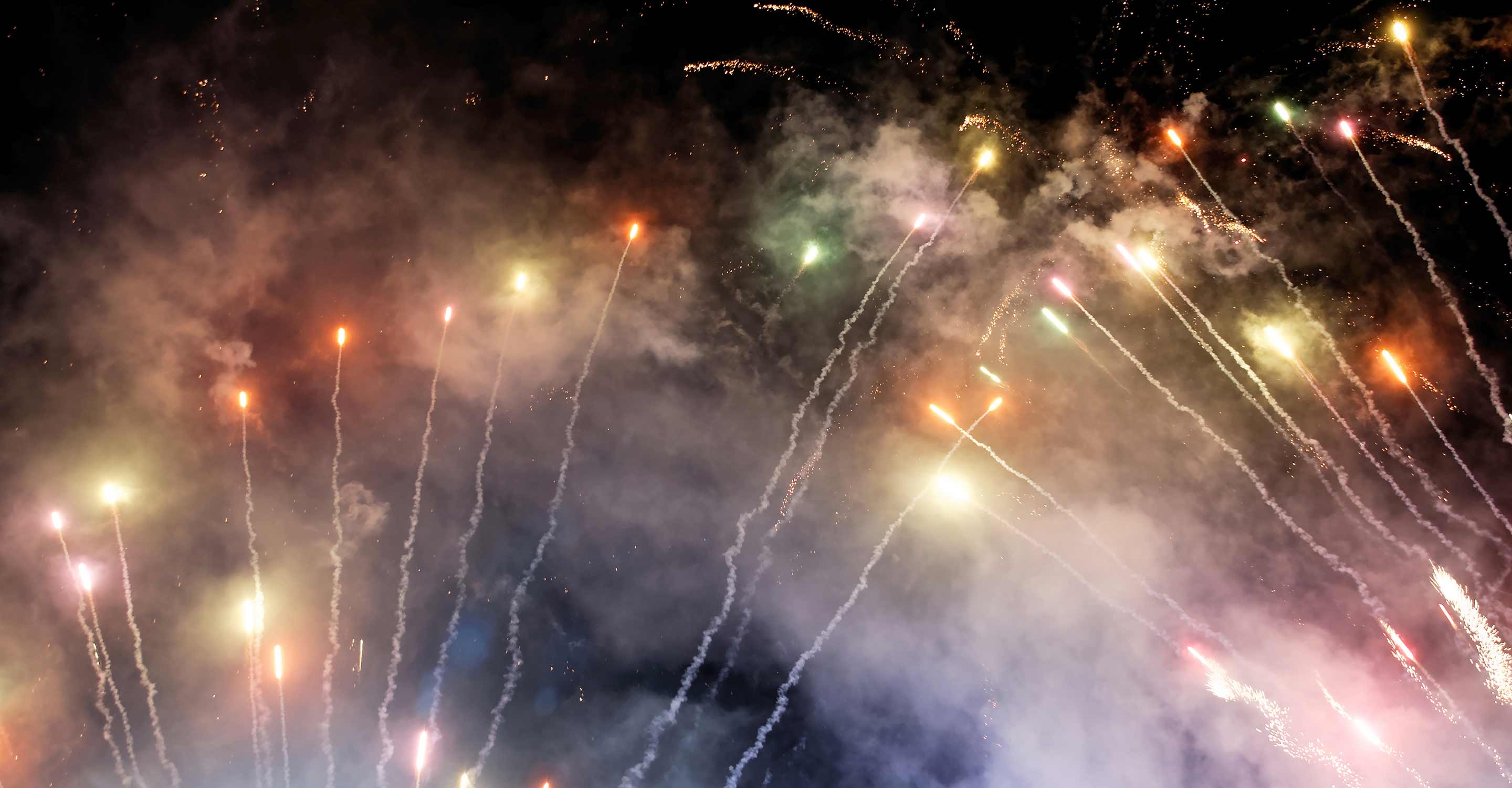
Fireworks release particulate matter, including PM2.5 and PM10, along with gases, metallic compounds and other pollutants. These emissions can deteriorate air quality, particularly when large quantities of fireworks are used within a short period.
The problem becomes more concerning in cities already struggling with poor air quality, where weather conditions such as low wind speeds and temperature inversion can prevent pollutants from dispersing.
A 2026 scientific review by Peter Brimblecombe, published in the journal Environments, examined the environmental consequences of fireworks, including air, water and soil contamination, noise, light pollution and waste. It discussed the release of fine particles and potentially harmful metals such as copper, zinc, cadmium, arsenic, barium and strontium.
Research has also established that fireworks can contribute substantially to short-term increases in particulate pollution. A 2024 study published in Atmospheric Environment, examining multiple years of data from Delhi, identified fireworks as a major source of elemental aerosols during Diwali, accounting for approximately 85 per cent of elemental PM2.5 in the study's analysis.
The consequences are particularly concerning for children, older people, individuals with respiratory conditions and those with existing cardiovascular vulnerabilities.
The Supreme Court, in its November 2026 observations concerning firecracker regulation in Delhi-NCR, also expressed concern about microscopic particulate matter remaining suspended in the atmosphere for several days after Diwali. It emphasised that environmental degradation resulting in health hazards for living beings defeats the very purpose of festivities.
However, an important distinction must be maintained: fireworks are not the only contributor to India's air pollution. Vehicular emissions, industrial activity, construction dust, agricultural burning and other sources also require urgent attention.
But identifying other pollution sources does not make fireworks harmless. We cannot keep adding avoidable pollutants simply because eliminating them will not solve the entire problem.
Reducing pollution requires addressing multiple sources simultaneously, including those associated with celebrations.
The forgotten victims: Animals, birds and wildlife
While discussions about firecrackers generally focus on air pollution and human health, another group often remains overlooked: animals.
For humans, fireworks may represent excitement, entertainment and celebration. For animals, sudden explosions can trigger fear, panic and disorientation.
Domestic animals, particularly dogs and cats, may experience severe distress during fireworks displays. Stray animals have even fewer opportunities to find a safe and quiet environment. Birds can become startled by sudden explosions, abandon their resting places and fly unpredictably, sometimes exposing themselves to injuries.
Wildlife is equally vulnerable. The combination of loud explosions, flashing lights and unfamiliar activity can disturb natural behaviour, particularly during nighttime.
A 2022 expert discussion published in The Guardian examined the impact of New Year's Eve fireworks on birds, including changes in heart rates and sudden flight responses. Veterinary organisations have also raised concerns about fireworks-related anxiety, injuries and animal welfare.
The question, therefore, is not simply whether humans enjoy watching fireworks. It is whether a few minutes of entertainment justify imposing fear, distress and potential harm on animals that have no choice in the matter.
Celebration should not require other living beings to suffer silently.
If fireworks are harmful during Diwali, what about New Year's Eve and other celebrations?
This is perhaps the most uncomfortable question in the entire debate, but it deserves to be asked.
Fireworks are not exclusive to Diwali. They are widely associated with New Year's Eve celebrations across the world, Christmas festivities in some regions, national independence celebrations, sporting victories and major public events.
In India, fireworks are also used during Dussehra, weddings, political celebrations and cricket victories.
Consider New Year's Eve. Millions of people across the world welcome January 1 with fireworks. Cities organise large public displays, while individuals celebrate with private firecrackers. Yet, the environmental consequences of these celebrations deserve the same attention as those associated with Diwali.
A 2024 commentary by Md. Ziaul Islam, published in The Geographical Journal, examined the environmental impact of fireworks during different festivals, including Diwali and Chinese New Year. It discussed their contribution to air, water, noise and light pollution and the consequences for human health and wildlife.
There is also Indian evidence worth considering. An Airvoice report published in January 2025 examined air quality during New Year's celebrations across Indian and international cities. Bengaluru recorded a 63 per cent increase in PM2.5 compared with its December night averages. The report identified increased firecracker use as a major contributor to the spike.
Interestingly, the same report found that the impact was not statistically significant across most of the Indian cities examined. This illustrates why environmental comparisons must account for local conditions rather than assuming that every celebration produces identical pollution levels.
The point, however, remains straightforward: fireworks deserve scrutiny wherever they are used.
If someone campaigns against firecrackers during Diwali because of pollution, the same concern should extend to New Year's Eve, Christmas, national celebrations and sporting events. Equally, those who defend the use of firecrackers during Diwali should recognise that the environmental consequences do not disappear when the occasion changes.
There is no need to turn this into a competition between festivals or communities. Environmental responsibility should never be selective.

Is criticism of Diwali firecrackers becoming a religious debate?
The repeated public controversy surrounding Diwali firecrackers sometimes creates the impression that environmental concerns are being discussed through a religious or political lens.
Some people feel that Hindu festivals receive disproportionate criticism, while similar activities during other occasions do not attract comparable public attention. Others believe that questioning firecrackers during Diwali is simply an extension of legitimate environmental activism.
Both perspectives deserve to be examined without automatically assuming the intentions of everyone involved.
Environmental concerns should not be dismissed as anti-Hindu merely because they arise during Diwali. At the same time, environmental responsibility should not be invoked selectively to criticise one community while ignoring similar practices elsewhere.
It is possible to respect Diwali, recognise its cultural significance and simultaneously question the use of firecrackers. These positions are not contradictory.
The Supreme Court's November 2026 observations offer an interesting perspective in this regard. The Court noted that ancient Indian philosophy regarded the environment and all living beings as integral to religious thought. It also referred to the significance of lamps in traditional Deepawali celebrations and observed that the widespread use of gunpowder and firecrackers developed much later.
The broader message is worth considering: protecting nature does not have to mean opposing religious traditions. Respect for the environment can be part of celebrating them.
But this principle should extend beyond Hindu philosophy and Indian religious traditions. It should be a shared responsibility across societies, religions and cultures.
The conversation should be about consistent environmental standards, not about deciding which community deserves criticism.
Green crackers: A genuine solution or a temporary compromise?
The introduction of green crackers has been presented as an attempt to reduce the environmental consequences of conventional fireworks.
Developed through research by the Council of Scientific and Industrial Research–National Environmental Engineering Research Institute (CSIR-NEERI), green crackers are designed to reduce certain harmful emissions and pollutants. They are claimed to produce approximately 30 per cent less pollution than conventional crackers.
However, a reduction in pollution does not mean the elimination of pollution.
A 2026 review by Peter Brimblecombe also examined the limitations of greener fireworks. It discussed research indicating that even reduced-emission fireworks can contribute to substantial pollution when their overall use increases. The review noted that doubling the use of green fireworks can potentially produce pollution levels comparable to conventional fireworks.
This raises an important question: are green crackers a meaningful step towards reducing harm, or are they gradually becoming a justification for continuing an activity that society could reconsider altogether?
The Supreme Court's November 2, 2026 decision allowed certified green crackers in Delhi-NCR for November 7 and 8, subject to specified timings, certification requirements and other restrictions. The complete ban was scheduled to return from November 9.
The Court also acknowledged that a blanket ban might appear to be an ideal solution, but adequate evidence was not available to determine whether prohibition alone would effectively resolve the region's air pollution problem. It highlighted the need for better enforcement, monitoring and coordination.
This is an important distinction. The effectiveness of green crackers must be established through independent scientific assessment, transparent certification and actual pollution measurements.
If they genuinely reduce environmental harm, they may represent a transitional measure. But if their benefits are marginal, their certification is misused or their marketing creates a false impression of environmental safety, there is little justification for treating them as a sustainable solution.
We should not confuse a less harmful product with a harmless one.
The bigger problem: Laws without enforcement
India already has restrictions governing the manufacture, sale and use of firecrackers. Yet, violations continue to be reported during festivals.
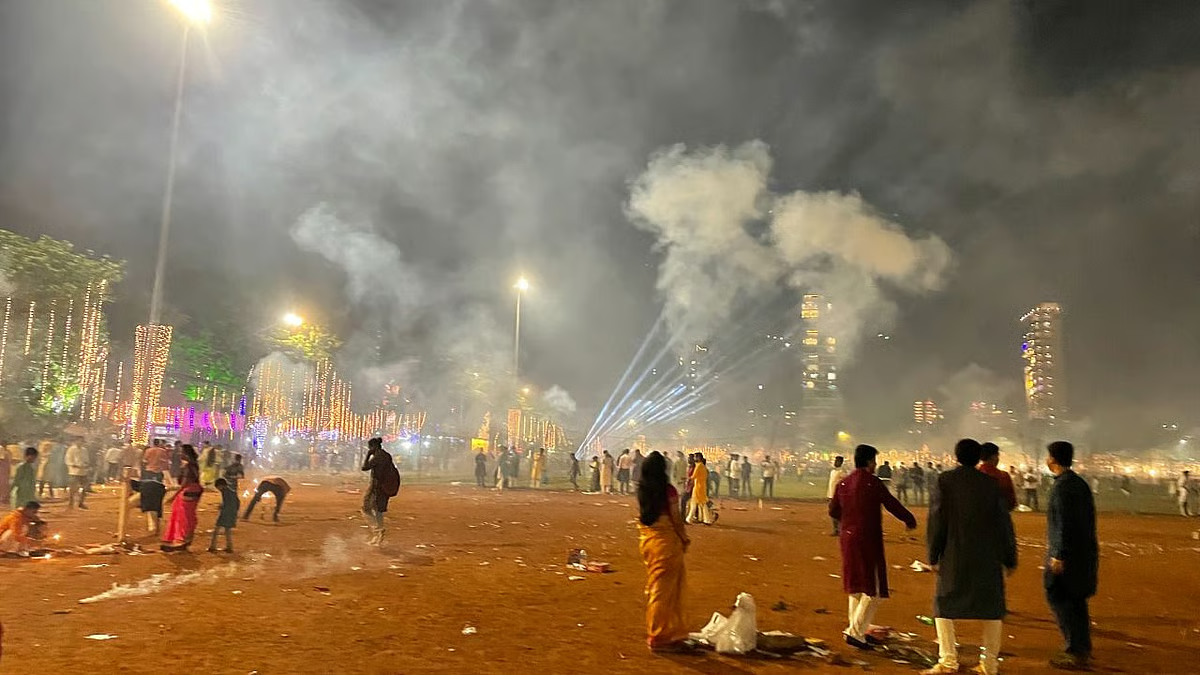
Recent concerns raised in Bengaluru illustrate the problem. Citizens sought enforcement of existing rules after alleged violations during the 10-day Ganesha festival, including the use of prohibited crackers and explosions beyond permitted hours.
The issue also highlights the importance of protecting people who may not want to participate in fireworks celebrations. Elderly residents, infants, people with disabilities, patients and animals cannot simply escape the noise and pollution created around them.
The 2023 Attibele fireworks tragedy in Karnataka, which claimed 17 lives, is another reminder of the consequences of inadequate safety measures and regulatory failures.
Technology, inspections and certification can help authorities monitor the sale and use of firecrackers. But enforcement cannot remain limited to occasional drives or temporary festival restrictions.
Rules must apply consistently, illegal products must be seized, violations must attract consequences, and public awareness must continue throughout the year.
A law that exists only on paper cannot protect the public.
We can celebrate without firecrackers
Perhaps the most important question is also the simplest: when did fireworks become essential to happiness?
A festival can be celebrated with lamps, decorations, music, family gatherings, community events and traditional rituals. New Year's Eve can be welcomed with concerts, light shows and gatherings. Sporting victories can be celebrated through public events, performances and collective festivities.
Drone displays, laser shows, illuminated installations and other creative alternatives can provide visual entertainment without relying on conventional explosive fireworks.
These alternatives also require responsible planning, since drone displays consume energy and can create their own noise, light and ecological concerns. No alternative should automatically be labelled environmentally harmless.
Nevertheless, they offer opportunities to rethink celebrations and reduce dependence on explosive displays.
A transition away from consumer fireworks would also require consideration of the livelihoods of manufacturers, traders and workers in the firecracker industry. Governments should explore alternative employment, financial support and a gradual transition rather than ignoring the economic consequences of such a policy.
A complete ban should therefore be accompanied by a practical implementation plan, not simply announced as a symbolic measure.
It is time to rethink what celebration means
Celebrations are important. Traditions are important. Cultural and religious freedom are important. But so are clean air, public health, animal welfare and the right to live without unnecessary noise and danger.
The question is not whether people should celebrate Diwali, Christmas, New Year's Eve or any other occasion. They absolutely should. The question is whether fireworks must remain an indispensable part of those celebrations.
If the environmental and health consequences are serious, why should their use be defended merely because it has become a familiar tradition?
And if we genuinely believe that fireworks should be restricted, why should those restrictions apply selectively?
The ultimate goal should be a consistent, evidence-based policy that addresses the manufacture, sale and use of consumer fireworks across festivals, sporting events, political celebrations and public occasions. Where scientific evidence demonstrates that their harmful effects cannot be adequately controlled, a phased ban deserves serious consideration.
We do not need to choose between celebrating and protecting the environment. We need to change how we celebrate.
If a firecracker is harmful during Diwali, it is equally harmful during Christmas, New Year's Eve, Independence Day or a World Cup victory. The occasion changes, but the smoke, noise and consequences do not.
Perhaps the time has come to stop asking which festival should be allowed to burst crackers and start asking why we need them at all.
© Copyright 2026. All Rights Reserved. Powered by Vygr Media.