
 By
By 
New Delhi, August 7, 2026: The possibility of charges being introduced on UPI transactions has triggered concern among millions of Indians who rely on the instant payment system for everything from grocery purchases and utility bills to online shopping and cab rides. However, Finance Minister Nirmala Sitharaman has clarified that any Merchant Discount Rate (MDR) introduced on UPI would apply to merchants and not directly to customers.
The clarification comes amid debate over the Taxation and Other Laws (Amendment) Bill, 2026, which seeks to amend the legal framework governing the zero-MDR regime for digital payments. The Lok Sabha passed the Bill on August 6, paving the way for the government to potentially modify the existing framework. However, an MDR has not yet been formally introduced, and the final structure, rates and categories of transactions remain undecided.
The development is significant because UPI has operated without transaction charges for consumers since its launch in 2016. The zero-MDR framework has also helped merchants, particularly small businesses and neighbourhood shops, accept digital payments without having to bear a processing fee.
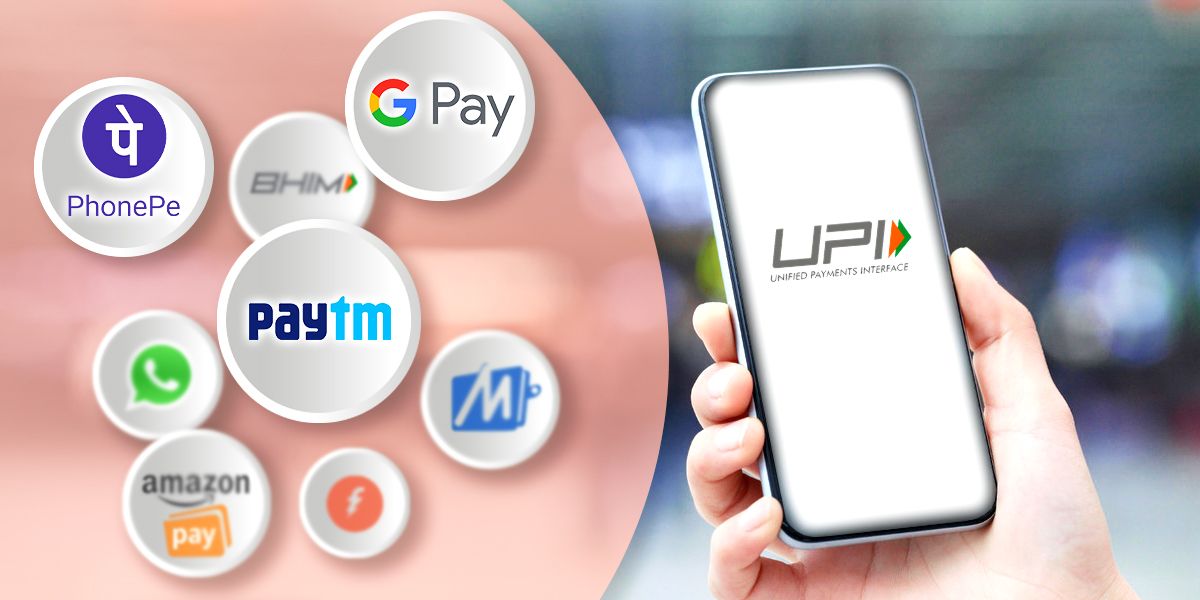
UPI charges: Will customers have to pay?
For ordinary UPI users, the immediate answer is no.
Sitharaman has specifically stated that MDR is a charge applicable to merchants rather than end users. In a response to Congress leader Jairam Ramesh, she argued that describing the proposed change as a charge on ordinary UPI users was misleading.
The Finance Minister also said that merchant-funded charges could help banks and fintech companies invest in infrastructure, innovation and security.
This distinction is important. An MDR is essentially a fee associated with accepting a digital payment. It is generally paid by the merchant to the banks, payment service providers or other entities involved in processing the transaction.
Therefore, if an MDR is eventually imposed on certain UPI transactions, a customer making a payment would not automatically receive a separate UPI fee simply because the merchant has to pay an MDR.
The Payments Council of India has similarly indicated that consumers will continue to be able to use UPI without transaction charges. It has also said that small merchants are not expected to be brought under the proposed charge structure.
What is MDR and why is it being discussed now?
Merchant Discount Rate, commonly known as MDR, is a fee associated with processing digital payments for merchants.
For example, when a customer pays a merchant through a card, part of the transaction value may be deducted as a processing charge before the merchant receives the balance. UPI, however, has operated under a zero-MDR structure, meaning merchants currently receive the full transaction value.
The government had introduced the zero-MDR framework to encourage digital payments and make electronic transactions accessible to both consumers and businesses. Since then, UPI has grown dramatically and become a critical part of India's payments infrastructure.
That scale has also created a new question: who should pay for the enormous infrastructure required to keep UPI running?
Banks, fintech companies, payment service providers, the National Payments Corporation of India (NPCI) and other ecosystem participants have to continuously spend on technology, cybersecurity, fraud prevention, compliance, customer support and system reliability.
With UPI transactions now running into billions every month, maintaining this infrastructure is a substantial and continuing cost.
The current discussion around MDR is therefore less about making consumers pay for UPI and more about creating a potential revenue mechanism for the businesses and institutions supporting the system.
Why has the government proposed changing the law?
The Taxation and Other Laws (Amendment) Bill, 2026 does not itself impose an MDR on UPI.
Instead, the legislation seeks to amend Section 10A of the Payment and Settlement Systems Act, 2007, giving the government the legal framework to modify the existing zero-MDR arrangement through a subsequent decision or notification.
In other words, the Bill creates the legal possibility of changing the current system; it does not set a specific UPI transaction fee.
The distinction matters because headlines suggesting that UPI charges have already been introduced could give consumers the wrong impression.
Sitharaman has said that the UPI and Services Steering Committee, headed by NPCI, is yet to decide on the MDR. According to her clarification, that decision would follow the passage of the legislation through Parliament.
Could UPI charges apply to transactions above ₹2,000?
One of the proposals being discussed involves applying MDR to higher-value UPI transactions.
Reports cited by India Today indicate that one proposal under consideration could involve an MDR of around 0.3% to 0.5% on UPI transactions above ₹2,000, potentially limited to merchants with annual turnover above ₹1.5 crore.
Another possible approach would link the fee to a merchant's annual turnover rather than simply applying a percentage based on each transaction. A cap on the absolute amount charged could also be considered.
However, these figures should not be treated as final.
The government has not officially announced a UPI MDR rate, and the eventual structure could differ significantly from the proposals currently being discussed.
The reason higher-value transactions have attracted attention is their disproportionate contribution to the total value processed through UPI. Transactions above ₹2,000 reportedly account for only a small share of the overall transaction count but represent a much larger proportion of total transaction value.
This makes larger transactions a potentially attractive segment for introducing merchant-side charges while protecting low-value digital payments.
Will small shops and kirana stores have to pay?
This is another major concern, particularly for India's small merchants.
Available information suggests that small merchants are expected to remain protected under any potential MDR framework.
The Payments Council of India has stated that small shopkeepers and kirana stores would not be required to pay MDR for accepting UPI. The broader objective, it said, remains preserving the accessibility of digital payments for small businesses.
That could mean the impact of a future UPI MDR system would be concentrated among larger businesses rather than India's smallest retailers.
For a customer paying ₹200 to a neighbourhood shop using UPI, therefore, there is currently no indication that the transaction will suddenly attract a separate fee.
Who currently pays for UPI's infrastructure?
The fact that UPI is free to consumers does not mean that operating the system is cost-free.
Banks and payment companies spend continuously on maintaining the technology required to process transactions instantly. Cybersecurity, fraud detection, system upgrades, compliance, customer support and reliability all require investment.
NPCI and the wider banking and fintech ecosystem have collectively invested in developing and maintaining the UPI network for nearly a decade.
The government argues that allowing some form of merchant-funded MDR could help create a more sustainable economic model for the payment ecosystem.
Sitharaman has specifically linked potential MDR revenue with greater investment in infrastructure and security, arguing that consumers would ultimately benefit from a stronger and more resilient UPI network.
How would UPI charges compare with card payments?
The proposed UPI MDR debate is also taking place against the backdrop of existing charges in the card-payment ecosystem.
Merchants already pay MDR on many card transactions. Credit-card MDR can typically be around 1.5% and can reach higher levels in some cases, while debit-card charges are generally lower.
UPI's zero-MDR structure has therefore made it particularly attractive to merchants and consumers, contributing to its rapid adoption.
A future merchant-side UPI charge could change the economics of payment acceptance for some businesses, but it would still be distinct from imposing a direct transaction fee on consumers.
What happens next?
The key point for UPI users is that nothing changes immediately.
The legislation provides the legal route for the government to alter the existing zero-MDR framework, but a final MDR rate and the categories to which it would apply have not yet been announced.
The UPI and Services Steering Committee will have a role in determining the eventual framework, subject to the legislative process being completed.
For consumers, the message from the government is straightforward: UPI itself will remain free for users, even if certain merchants are eventually required to pay a processing charge.
For businesses, however, the eventual MDR structure could become an important cost consideration, particularly for large merchants processing high-value digital payments.
The broader issue is ultimately one of sustainability. UPI has moved far beyond being a relatively new digital-payment facility; it is now a piece of critical national infrastructure. As transaction volumes and dependence on digital payments continue to rise, policymakers and industry participants are grappling with how to fund the technology, security and innovation needed to keep the system running at scale.
For now, therefore, reports of a blanket UPI transaction charge for consumers are premature. The more accurate picture is that India is considering a possible shift from a completely zero-MDR ecosystem towards a targeted, merchant-funded model—while attempting to keep ordinary users and small businesses insulated from the cost.
With input from agencies
Image Source: Multiple agencies
© Copyright 2026. All Rights Reserved. Powered by Vygr Media.