 By
By 
The death of IIT Bombay student Sahil Ravindra Wakode on September 18 has rapidly developed into a major campus controversy, with an examination incident followed by protests, allegations of caste-based harassment, a police case, an 18-point student charter, an apology from the institute and public support for Professor Suryanarayana Doolla from faculty members at IIT Bombay and IIT Madras.
What began with an incident during a mid-semester examination has, within three days, turned into a wider debate over academic discipline, student welfare, mental-health support, institutional accountability and the safeguards available to students facing disciplinary proceedings.
Here is the sequence of events from the beginning to the latest developments.
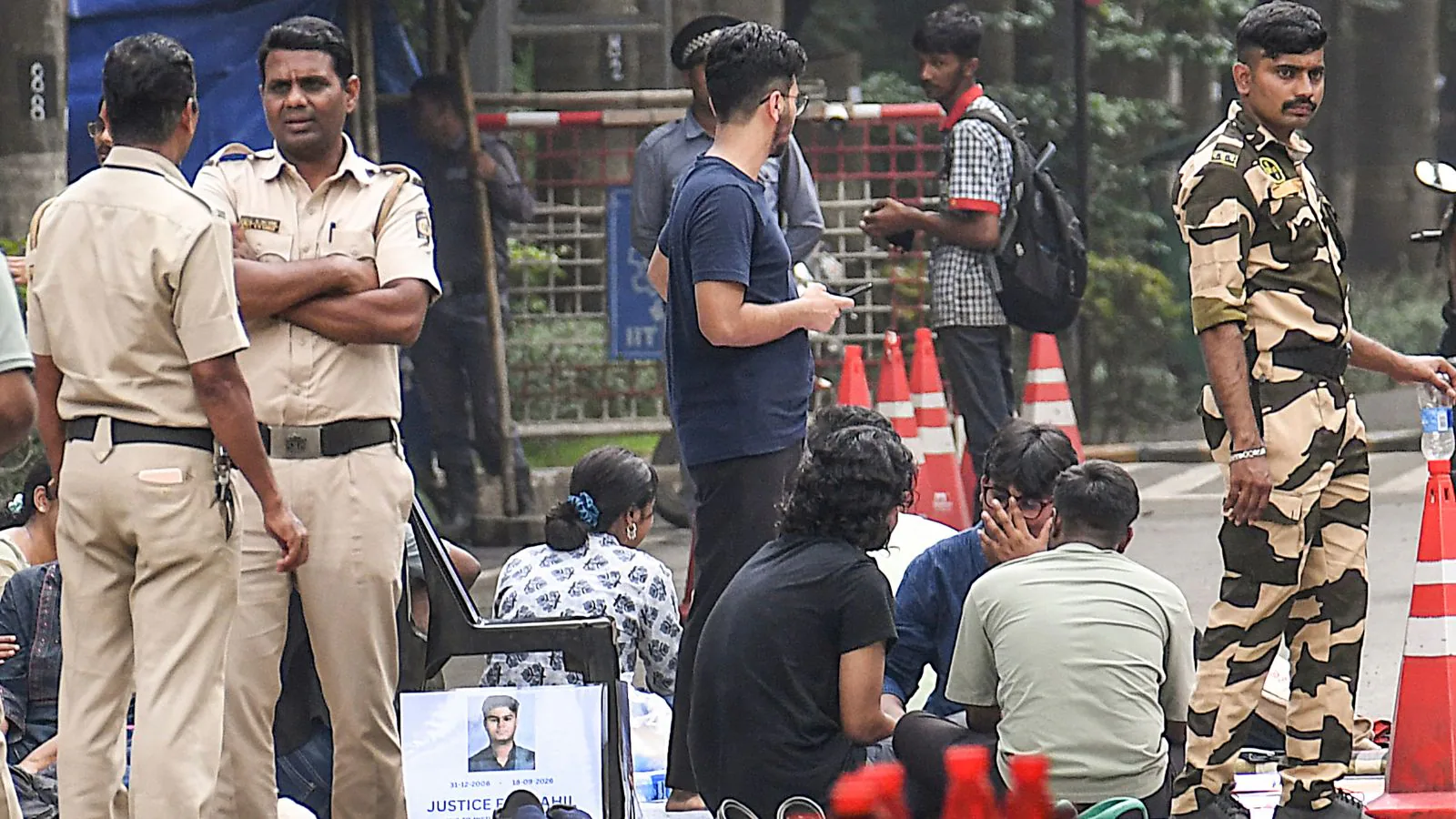
September 18: Examination incident precedes Sahil Wakode's death
The sequence began on September 18, when Sahil Wakode, a second-year BTech student of IIT Bombay's Department of Energy Science and Engineering, appeared for a mid-semester examination.
According to IIT Bombay's account, Professor Suryanarayana Doolla, who was performing invigilation duties, found Wakode allegedly using a mobile phone during the examination. The institute subsequently said that Wakode had uploaded the examination question paper to ChatGPT in an attempt to obtain answers. The Faculty Forum later said Doolla had detected unauthorised possession and use of a smartphone and had reported the matter through the prescribed institutional process.
The institute's initial version also stated that no disciplinary action had been initiated against Wakode at that stage. It said the matter was discussed with the student by the instructor and the Head of Department, who counselled him and assured him that the incident would not adversely affect his academic career.
Students, however, later gave a different account, alleging that Wakode had been threatened with serious disciplinary consequences, including suspension. That claim became one of the major points of contention between protesters and the institute.
Later that day, Wakode returned to his hostel. He was subsequently found dead in his room.
The death immediately shocked the campus and prompted questions about what had happened between the examination incident and his death.
September 19: Students begin protesting
The following day, September 19, anger on campus intensified.
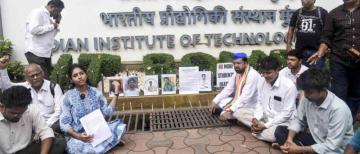
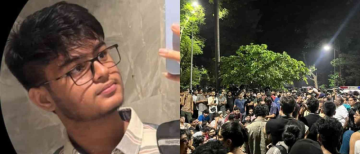
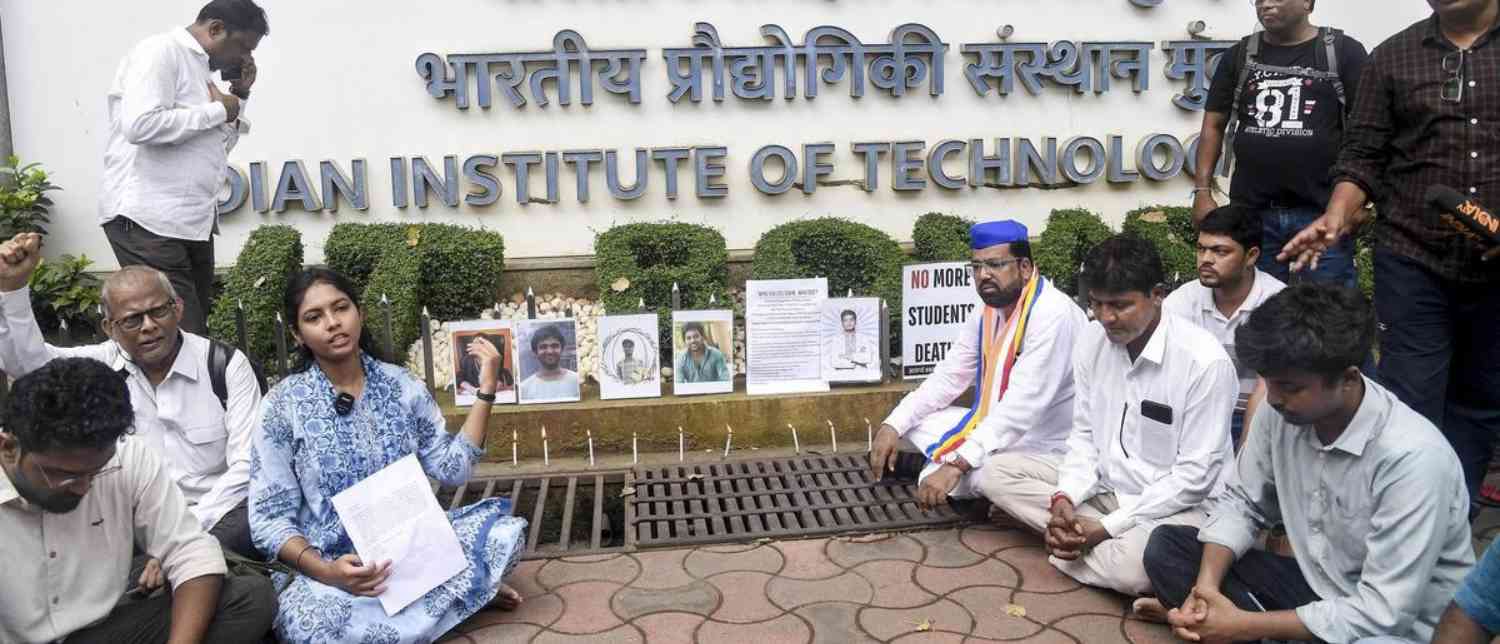
Students began gathering and protesting against the institute's handling of the situation. According to reports, hundreds of students participated in demonstrations and raised questions about the examination-related proceedings, the treatment of Wakode and the broader academic environment at IIT Bombay.
A key disagreement quickly emerged.
The administration maintained that no disciplinary action had been initiated against Wakode and that he had been counselled. Protesters, meanwhile, alleged that he had been threatened with suspension following the examination incident.
The controversy therefore shifted from the question of alleged examination malpractice to a broader question: what exactly happened after Wakode was found with the phone, and what was communicated to him?
Students also began raising wider concerns about academic pressure, student welfare and the mechanisms available to students facing disciplinary proceedings.
By this stage, the incident was no longer being treated solely as an examination matter.
Wakode's family raises allegations of harassment and caste discrimination
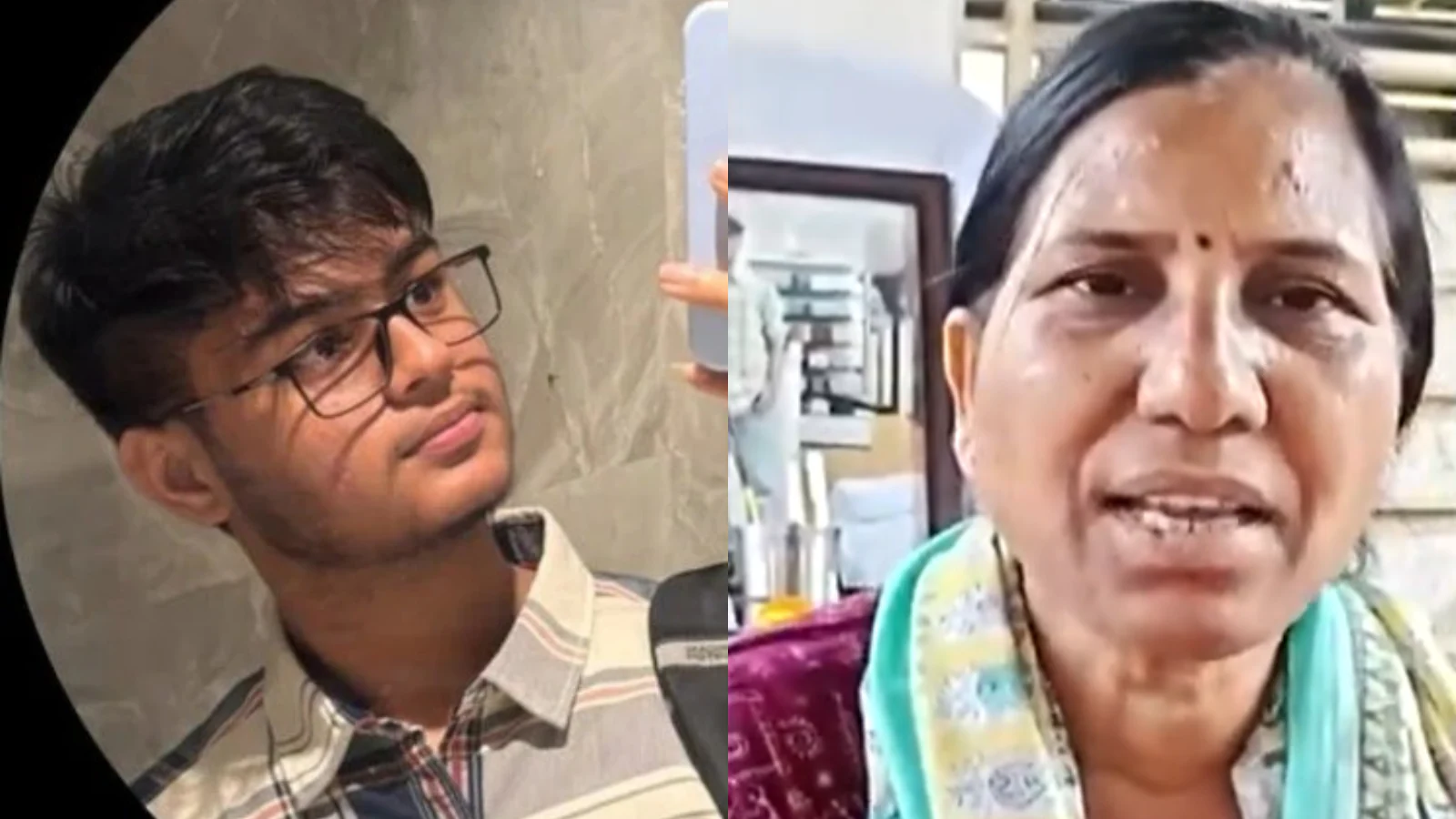
As the protests grew, Wakode's family alleged that their son had faced harassment and caste-based discrimination before his death.
The allegations were incorporated into the police complaint filed by the family. Professor Doolla was named in the complaint, along with other institute officials.
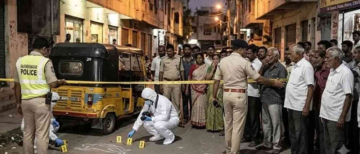
Mumbai Police subsequently registered a case involving abetment of suicide and provisions of the Scheduled Castes and Scheduled Tribes (Prevention of Atrocities) Act. The investigation was later transferred to the Mumbai Crime Branch. The allegations remain subject to investigation and have not been established as facts by a court.
IIT Bombay disputed the caste-discrimination allegation. The institute said that Wakode had not previously submitted a complaint to its SC/ST cell or administration alleging caste-based discrimination.
A close friend of Wakode also later said he had not personally witnessed caste-based discrimination against his friend. At the same time, the friend acknowledged that he could not know everything that may have happened privately between Wakode and institute authorities.
That left two sharply different accounts at the centre of the developing controversy, with the police investigation expected to establish the relevant facts.
Students' protests expand beyond Wakode's individual case
As the demonstrations continued, students began raising demands that went beyond the immediate examination incident.
They questioned the institute's disciplinary procedures, student representation in decision-making bodies, access to counselling and mental-health services, communication between students and senior administrators, and the broader mechanisms for addressing student grievances.
The protests continued through the weekend, eventually becoming a sustained sit-in at the institute's main gate.
By Sunday, the students had prepared an extensive 18-point charter of demands.
September 20: Faculty Forum backs Professor Doolla
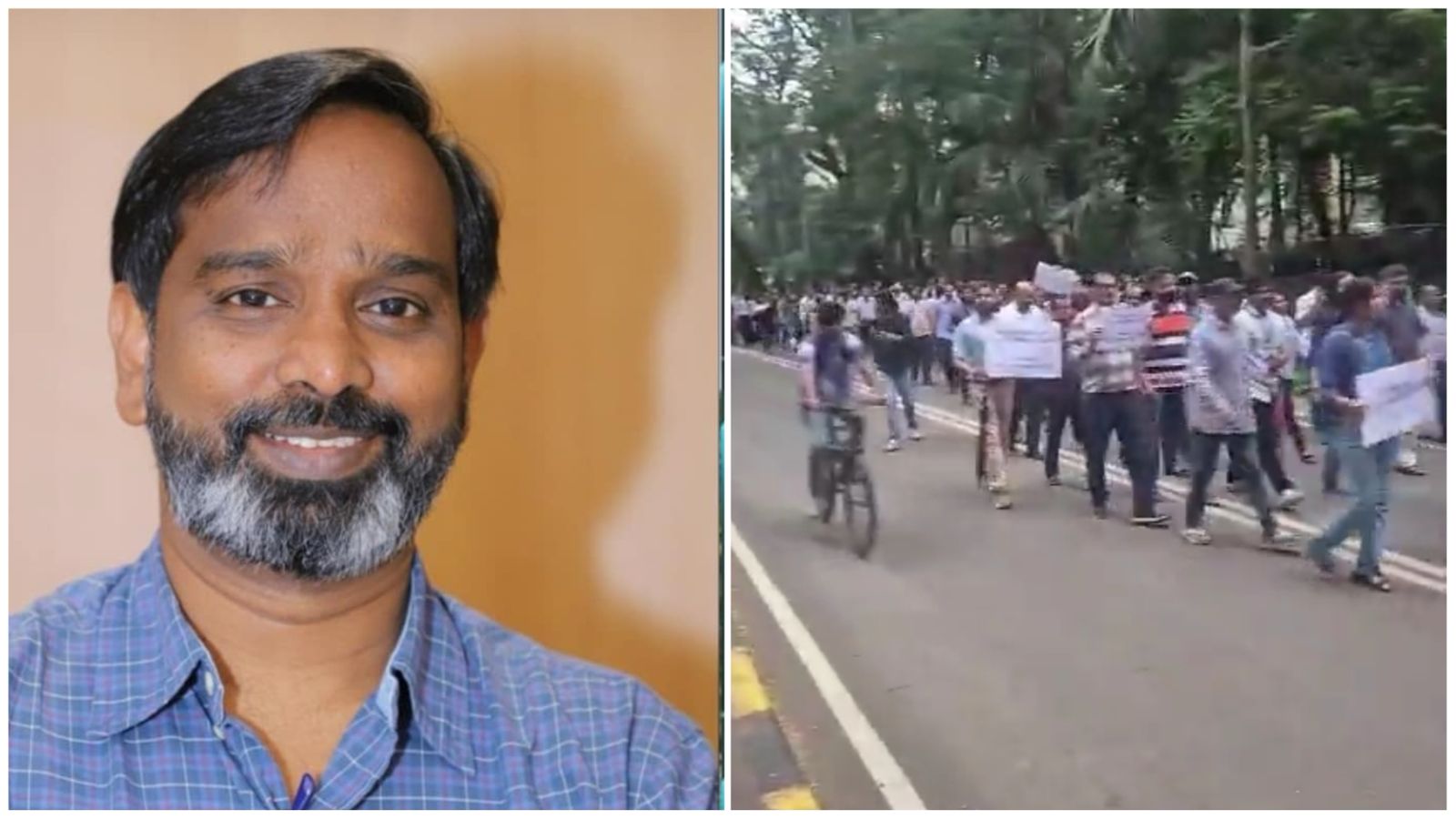
On September 20, IIT Bombay's Faculty Forum publicly expressed solidarity with Professor Doolla.
The faculty body said Doolla had been performing his responsibilities as an invigilator and had acted according to the institute's Senate-approved academic policies. It said he had detected the alleged examination malpractice and reported it through the prescribed process.
The Faculty Forum also objected to what it described as the tarnishing of Doolla's reputation and stressed that faculty members needed to be able to enforce examination rules in accordance with institutional procedures.
This created a clear divide in the public debate: protesting students were demanding accountability and action against Doolla, while faculty members were arguing that an invigilator should not be held personally responsible merely for carrying out examination duties before an investigation had established what happened.
Sunday night: Director signs students' 18-point charter
After three days of protests, IIT Bombay Director Professor Shireesh Kedare met protesting students late on Sunday, September 20.
The meeting reportedly lasted nearly three hours and took place near the institute's main gate. Students recorded the proceedings.
During the meeting, Kedare signed the 18-point charter submitted by the protesters. While students viewed the signing as acceptance of their demands, an institute official indicated that the signing did not mean that every demand had already been implemented and that due process would continue to be followed.
The charter was much broader than a demand for action against one professor.
The 18 demands submitted by IIT Bombay students
1. Immediate action against stakeholders:
Students demanded the immediate suspension of Professor Suryanarayana Doolla and removal of any other stakeholder found guilty after the investigation.
2. Public apology over Wakode's portrayal:
Students sought an apology from IIT Bombay over what they described as the defamation of Sahil through details published in an institute LinkedIn post.
3. Open house with senior officials:
They demanded an open house involving the Director, Dean of Student Affairs, Dean of Academic Programmes and Wakode's department head, allowing students to directly raise concerns and questions. They wanted this held before September 22.
4. Accountability for implementing the demands:
Students demanded that the Director, Dean of Academic Programmes and Dean of Student Affairs resign if demands 5 to 14 were not implemented within one month. They also sought weekly progress updates.
5. Independent investigation:
Students called for an independent panel comprising professors, student representatives, external members and members recommended by students to investigate the circumstances surrounding Wakode's death, including the emergency and hospital response. They sought an interim report by September 30 and publication of the final process and conclusions by October 15.
6. Monetary support for bereaved families:
Students demanded fair and prompt financial assistance for four families that had lost a loved one at IIT Bombay in recent months, along with continued institutional support.
7. Student representation in committees:
They sought voting rights for student representatives in academic and non-academic committees dealing with student matters, with equal student representation and no administrative veto over the student voice.
8. Re-evaluation of decisions affecting student culture:
Students wanted decisions affecting student culture that had been imposed without consultation to be reconsidered after taking students' views into account.
9. Code of conduct for professors:
Students demanded a committee to establish a formal process for complaints against professors, including an escalation mechanism and clearly defined timelines for evaluating complaints.
10. Changes to handling of disciplinary cases:
When a student is accused of academic malpractice, students wanted the student's mentor or student companion and a student-selected buddy to be informed immediately. They also demanded that interactions concerning the case be documented and conducted with those people aware of the proceedings.
11. Better in-person counselling:
Students sought at least one counsellor for every 250 students, independent audits of the Student Wellness Centre and at least one counsellor in every hostel.
12. 24/7 psychiatric and hospital support:
They demanded a psychiatrist on call around the clock at IIT Bombay Hospital, better-qualified emergency and night-shift doctors, regular mental-health training for hospital staff and a mechanism through which students could raise concerns about hospital services.
13. Mandatory mental-health sensitisation:
Students demanded mandatory sensitisation workshops every two months for professors and staff who directly interact with students. They also wanted the training incorporated into staff onboarding.
14. Greater access to the Dean of Student Affairs:
Students sought at least 20 hours every week from the Dean of Student Affairs' office for one-on-one interactions with students. They also wanted written responses to concerns within 48 hours and weekly publication of available interaction slots.
15. Support for hostel wings:
Students wanted the administration to help bring hostel wings back together and ensure that wingmates could remain together in subsequent years, including through adjacent room allotments, to preserve peer-support networks.
16. Open student concerns portal:
They demanded a portal through which students could raise institute-wide concerns, with both student submissions and administrative responses visible to the student community.
17. Permanent student well-being task force:
Students proposed a standing task force comprising students, faculty members, mental-health professionals and external experts to study student distress, recommend preventive measures and publish semester-wise reports.
18. Protection of protesting students:
Students demanded a written assurance that students participating in the protest would not face disciplinary, hostel, financial, legal or indirect action because of their participation.
The charter also sought a written response within 24 hours and an implementation plan by September 26.
September 21: IIT Bombay apologises for its earlier communication
On Monday, September 21, IIT Bombay issued an important clarification concerning its earlier public statement about Wakode's death.
The institute apologised for the statements contained in its earlier communication and said the circumstances leading up to Wakode's death remained under investigation.
IIT Bombay acknowledged that, while the investigation was ongoing, it had been inappropriate to characterise details about the events preceding the student's death before those details had been established through the appropriate investigative process.
The apology was significant because the institute had earlier publicly described the examination incident and stated that no disciplinary action had been initiated against Wakode.
The administration's revised position effectively placed greater emphasis on allowing the investigation to establish the precise sequence of events.
We apologise for the statements contained in our earlier communication concerning the circumstances surrounding the unfortunate demise of Sahil.
The details and circumstances leading up to the incident remain subject to investigation by the appropriate authorities. In view of…— IIT Bombay (@iitbombay) September 21, 2026
IIT Bombay removes Doolla from his deanship
The same day brought another major development.
IIT Bombay announced that Professor Suryanarayana Doolla had been removed from the post of Dean of Administrative Affairs with immediate effect.
The institute said further action would be considered after the investigation.
The distinction is important: Doolla was not removed from the institute or from his position as a faculty member. The action concerned his administrative role as Dean of Administrative Affairs.
This came after students had demanded his immediate suspension and removal of officials found responsible following an investigation.
The police case against Doolla, meanwhile, remained under investigation.
Reports of Director's resignation denied
Amid the protests, reports and videos circulated claiming that IIT Bombay Director Shireesh Kedare had resigned.
IIT Bombay subsequently rejected those reports, stating that the director had not resigned.
The confusion followed the Sunday-night meeting with protesters, during which Kedare had reportedly indicated that he would resign but needed to follow the applicable process before communicating a final decision. The institute later clarified that there had been no confirmed resignation.
The issue of administrative accountability nevertheless remained part of the students' 18-point charter.
IIT Bombay faculty marches in support of Doolla
As the administration announced the change in Doolla's administrative position, faculty members at IIT Bombay held a march in his support.
The faculty's position was that Doolla had been carrying out his duties as an examination invigilator under established institutional rules.
The Faculty Forum also pointed out that Doolla remained a faculty member and that the change in his administrative role should not be interpreted as a finding of guilt.
IIT Madras Faculty Association issues three-point solidarity statement
The controversy then spread beyond IIT Bombay.
The IIT Madras Faculty Association issued a three-point statement expressing solidarity with Doolla while also offering condolences to Wakode's family, friends and classmates.
Its three specific points were:
1. Fair, transparent and time-bound investigation:
Any inquiry into the incident should be conducted by the appropriate institutional and legal authorities in a fair, transparent and time-bound manner, while respecting the dignity of the student and his family.
2. No premature attribution of responsibility:
No individual should be publicly or through the media held responsible before the investigative process has been completed. The association warned against premature conclusions, media trials and social-media speculation.
3. Examine student safeguards during academic malpractice proceedings:
The inquiry should also examine whether institutional procedures for dealing with academic malpractice provide students with sufficient counselling, support and safeguards when they are experiencing acute stress.
The statement therefore did not simply defend faculty members. It simultaneously called for due process for Doolla and scrutiny of whether institutional procedures adequately support students during disciplinary situations.
Where the matter stands now
As of September 21, the situation remains under investigation on multiple fronts.
The Mumbai Crime Branch is investigating the circumstances surrounding Wakode's death, following the FIR filed on the basis of his family's complaint. The allegations of caste-based harassment remain allegations under investigation, while IIT Bombay has denied caste discrimination.
IIT Bombay has apologised for its earlier communication, removed Doolla from his administrative post pending further investigation, and denied reports that its director has resigned.
Students, meanwhile, have submitted an 18-point charter covering accountability, an independent investigation, student representation, disciplinary procedures, counselling, psychiatric care, faculty sensitisation, hostel support, transparency and protection for protesters.
Faculty members at IIT Bombay have rallied behind Doolla, while the IIT Madras Faculty Association has called for a fair investigation, protection against premature conclusions and an examination of student safeguards during academic disciplinary proceedings.
The immediate controversy therefore remains unresolved.
What began on September 18 with an examination incident involving a mobile phone and alleged use of ChatGPT has, by September 21, developed into a much wider institutional dispute involving a student's death, competing accounts of what happened before it, allegations of caste discrimination, police investigation, student protests, administrative action and a debate within the IIT community over both academic integrity and student welfare.
The investigations now underway will be central to establishing what happened, what responsibility—if any—rests with individuals or institutional processes, and what further action follows.
With input from agencies
Image Source: Multiple agencies
© Copyright 2026. All Rights Reserved. Powered by Vygr Media.