
 By
By 
Bengaluru: In a significant food-safety action, Karnataka authorities have suspended the food licences and registrations of Amazon, Swiggy Instamart and BigBasket over the online sale and listing of Datura, commonly known as Dhatura, in forms that could be offered for human consumption.
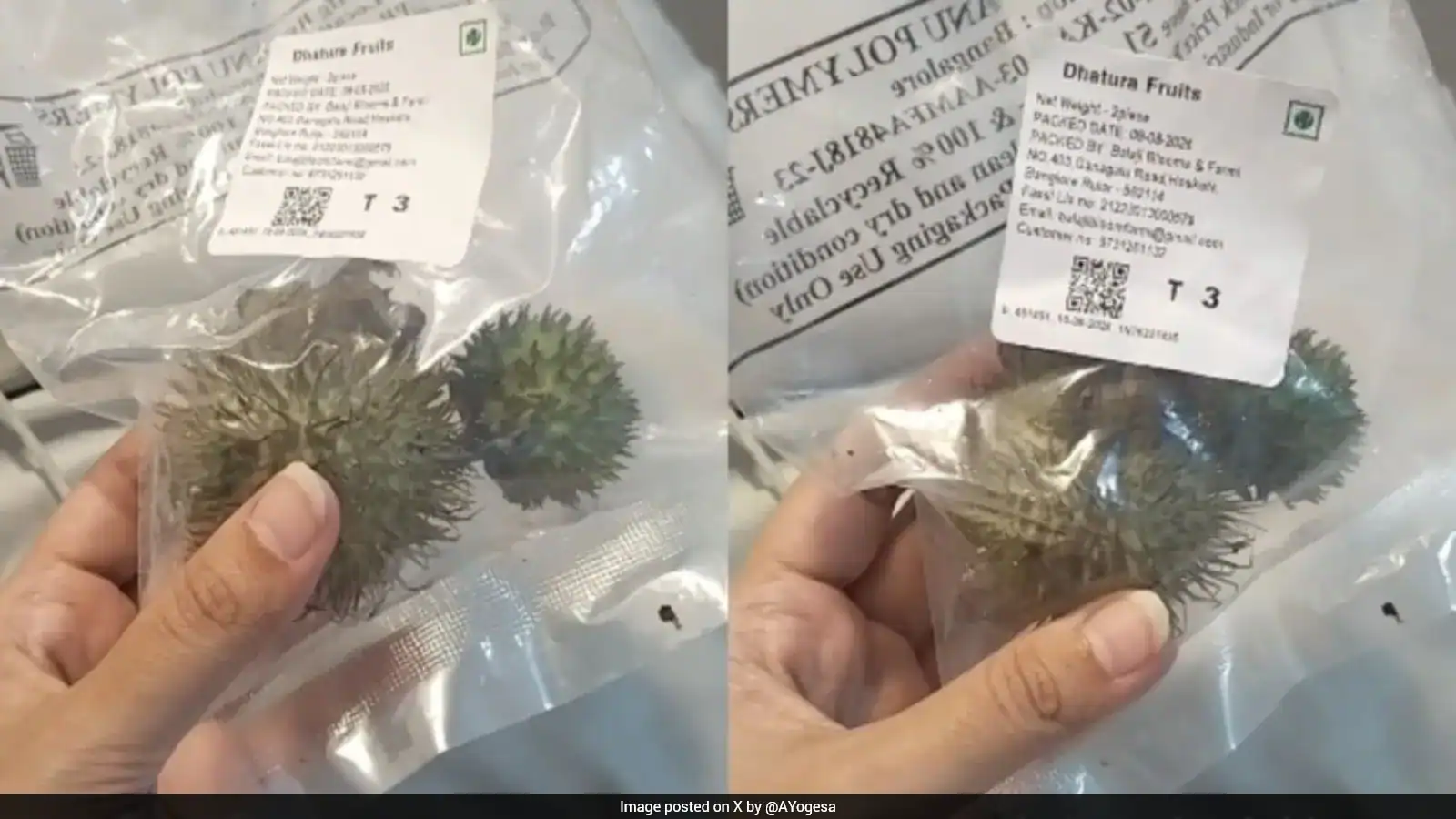
The decision follows inspections by food-safety officials, who found Datura fruits and seeds being stored and offered for sale through online platforms. Some of the products were found carrying food-related licence or registration numbers, despite the authorities maintaining that Datura is poisonous and cannot legally be handled or marketed as food.
The suspension has been ordered until further directions and is not limited to the three major online platforms. Authorities have also initiated action against suppliers and sellers linked to the products, indicating that the regulatory scrutiny could extend across the wider supply chain.
Why Karnataka Took Action Against Amazon, Swiggy and BigBasket
The issue came to light after complaints and subsequent inspections into the online sale of Datura products. Food-safety officials found the fruits and seeds listed on e-commerce platforms, with some listings presented in a manner that raised concerns over their potential use as food.
According to the findings cited in the regulatory action, packets containing Datura fruits and seeds were found bearing food licence or registration numbers. Officials also found the products stored in warehouses and being supplied or distributed through online channels.
The central concern was not simply that Datura was available online, but that a poisonous plant was allegedly being handled and presented within the food-commerce ecosystem.
Datura contains naturally occurring toxic compounds and can pose serious health risks if consumed. Because of that risk, the Karnataka authorities concluded that the products could not be collected, stored, sold or distributed as food.
The department has consequently directed the concerned businesses to remove or suspend listings and advertisements offering Datura fruits or seeds for human consumption.
Companies Asked to Explain Their Actions
Representatives of the concerned businesses appeared before the authority during the proceedings on August 24.
The responses from the companies differed.
Amazon did not submit a response to the proceedings, according to the order. Swiggy Instamart sought additional time to provide documents detailing the action it had taken after receiving the department's notice.
BigBasket, meanwhile, informed the authority that it had stopped selling the Datura fruits. It also indicated that the labelling would be changed in the future to make it clear that such products were "Not for human consumption."
However, the food-safety authority was not satisfied with the explanations provided.
Given the poisonous nature of Datura and the potential danger to consumers, the regulator took the view that the products should not have been handled as food products in the first place.
The authorities therefore ordered the temporary suspension of the food licences and registrations of the three platforms, pending further proceedings.
Datura Listings Ordered Removed
The Karnataka Food Safety and Drugs Administration Department has directed the concerned food businesses to immediately remove or suspend online listings and advertisements offering Datura fruits or seeds as food.
The platforms have also been instructed not to display, sell or distribute such products for human consumption going forward.
The order is significant because online marketplaces and quick-commerce platforms have increasingly become part of consumers' everyday grocery supply chain. Products that appear on these platforms can reach customers within minutes or hours, making accurate classification, labelling and safety checks particularly important.
The regulator's action effectively puts the responsibility of preventing unsafe food products from reaching consumers under sharper scrutiny.
Any violation of the directions could result in further action under the applicable food-safety laws.
Action Also Taken Against Suppliers and Sellers
The regulatory action does not stop with Amazon, Swiggy Instamart and BigBasket.
Authorities have also directed the suspension of licences and registrations belonging to suppliers and sellers that provided the Datura products to the online platforms.
This broader action highlights the importance of accountability across the entire digital food-supply chain. While online marketplaces provide the infrastructure through which products reach consumers, the responsibility for a product's legality and safety can involve multiple participants, including manufacturers, suppliers, sellers, warehouses and platform operators.
In this case, the authorities found that Datura products had entered that chain despite their poisonous nature.
The involvement of suppliers and sellers means the regulatory investigation could have consequences beyond the three prominent e-commerce names at the centre of the case.
What the Licence Suspension Means
The suspension is temporary and will remain in force until further orders. It does not necessarily mean that the platforms will permanently lose their ability to operate as food businesses in Karnataka.
The order provides for the possibility of the suspensions being reconsidered after the concerned companies submit the required responses and compliance reports and appear for further hearings.
However, until the regulatory process moves forward, the companies are expected to comply with the directions concerning Datura listings and sales.
The episode also demonstrates that food licences are not merely administrative permissions. They carry obligations relating to the safety, legality and handling of products sold to consumers.
Why the Issue Matters for Online Grocery Platforms
The incident comes at a time when quick commerce has dramatically changed how consumers buy groceries and household products.
Customers can now search for an item on an app, place an order and receive it shortly afterwards. That convenience, however, creates a complicated safety challenge: products need to be correctly identified, categorised and screened before they reach digital shelves.
Traditional retail stores generally have physical staff and visible shelves where questionable products can be identified. Online platforms operate differently. Thousands of products can be listed across multiple sellers and warehouses, while catalogue information may change rapidly.
The Karnataka action therefore raises a broader question about how e-commerce companies verify products that are sold through their platforms and whether their existing systems can reliably distinguish food items from products that are unsuitable or unsafe for consumption.
The issue is particularly sensitive when a product is toxic rather than merely defective or incorrectly labelled.
Karnataka's Wider Food Safety Crackdown
The action against the three online platforms comes amid a broader food-safety drive in Karnataka.
In recent weeks, authorities have intensified inspections across Bengaluru and other parts of the state's food ecosystem, including hotels, restaurants, pubs, warehouses and food-supply facilities. Officials have been examining issues such as expired products, poor hygiene, improper storage and labelling violations.
The Datura case adds another dimension to that crackdown by bringing online food and grocery commerce directly under regulatory scrutiny.
Karnataka's health authorities have stressed that food-safety inspections will not be limited to particular categories of businesses or establishments. The stated focus is on protecting consumers and identifying violations wherever they occur.
The latest action against major digital platforms reinforces that approach.
A Warning for the E-Commerce Food Industry
For consumers, the episode serves as a reminder that an online listing does not automatically mean that a product is safe or suitable for consumption.
For e-commerce companies, it could prove to be an important compliance warning.
Digital platforms have increasingly blurred the distinction between marketplace, retailer and grocery provider. As more consumers depend on apps for everyday food purchases, regulators are likely to pay closer attention to how products are sourced, classified, stored, labelled and presented.
The Datura case also underlines the importance of accurate product descriptions. A clear warning such as "Not for human consumption" can be crucial in certain circumstances, but the Karnataka authorities' position in this case is that the poisonous nature of Datura means it should not have been sold or distributed as food in the first place.
For now, Amazon, Swiggy Instamart and BigBasket face temporary suspension of their food licences and registrations in Karnataka, while suppliers and sellers connected to the products also face regulatory action.
The final outcome will depend on the companies' compliance responses and subsequent proceedings. But the immediate message from the authorities is clear: as online grocery platforms become an increasingly important part of India's food supply chain, food-safety obligations extend to the digital marketplace as firmly as they do to physical stores and warehouses.
The case could therefore become an important test of how India's rapidly expanding quick-commerce sector balances speed and convenience with one of its most basic responsibilities — ensuring that products reaching consumers are safe to consume.
With input from agencies
Image Source: Multiple agencies
© Copyright 2026. All Rights Reserved. Powered by Vygr Media.