
 By
By 
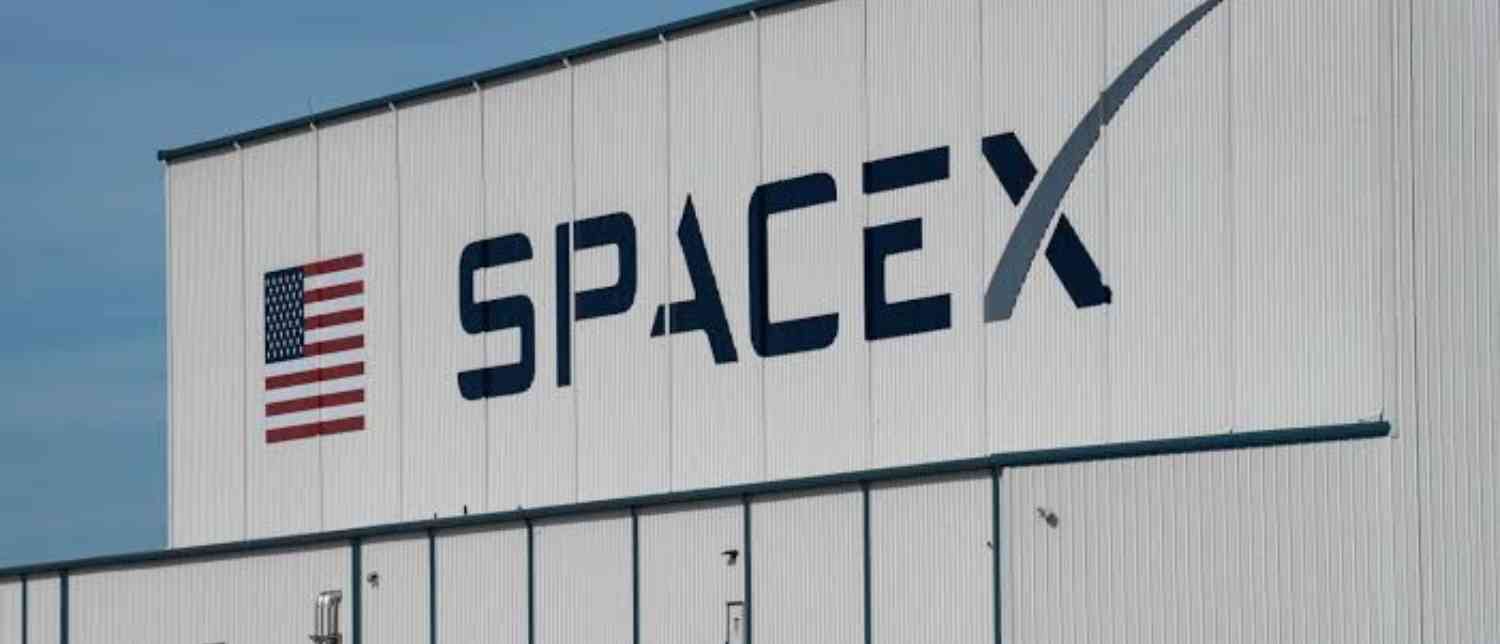
SpaceX, one of the world's most closely watched aerospace and satellite companies, is facing a sharp correction in its publicly traded stock, with shares plunging more than 40% from their post-listing peak and briefly falling below their IPO price. The decline has rattled investors who only weeks ago were celebrating the company's blockbuster market debut, but analysts remain divided over whether the sell-off reflects deteriorating fundamentals or simply a valuation reset after an extraordinary rally.
The stock's recent weakness comes despite a steady stream of operational milestones, including major government contracts and continued progress in its Starship programme. Instead, analysts point to a combination of stretched valuations, profit booking, broader weakness across space-related stocks, and investor caution ahead of the company's upcoming second-quarter earnings report as the primary reasons behind the decline.
Shares Extend Losing Streak
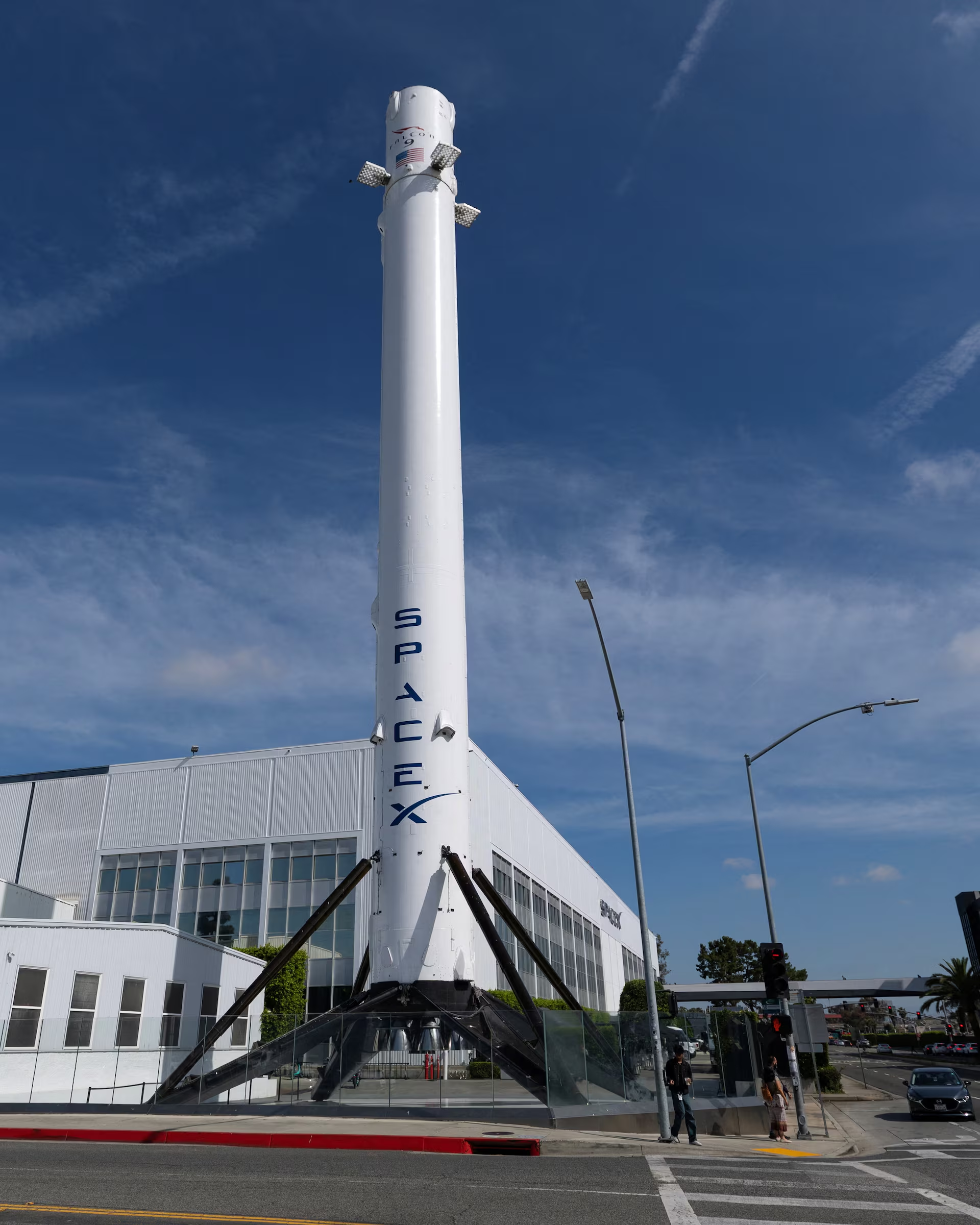
After delivering one of the largest and most celebrated IPOs in market history, SpaceX shares initially surged as investors rushed to gain exposure to the commercial space giant. The optimism, however, has faded rapidly.
Over recent trading sessions, the stock slipped below its IPO price for the first time before touching fresh post-listing lows. At one stage, the shares were down roughly 40% from their all-time high, erasing a significant portion of the gains made during the euphoric post-IPO rally. While the stock later staged a modest rebound, market sentiment remains cautious as investors await the company's quarterly earnings announcement.
The sell-off has been particularly striking because it has unfolded despite little change in SpaceX's underlying business operations. The company continues to dominate the commercial launch market, expand its Starlink satellite network, and advance Starship testing.
Why Investors Are Selling
Market experts believe several factors have converged to pressure the stock.
The most immediate concern is valuation. Following its explosive debut, many analysts argued that SpaceX was trading at levels that priced in years of future growth. As enthusiasm cooled, investors began locking in profits, triggering a broader correction.
Uncertainty ahead of second-quarter earnings has further weighed on sentiment. Investors are closely watching whether SpaceX can justify its lofty valuation through strong revenue growth, expanding margins, and updates on its capital-intensive Starship and Starlink programmes. Any signs of slower-than-expected growth could intensify selling pressure.
Broader market dynamics have also played a role. Space-related equities have experienced widespread weakness in recent weeks as investors rotate away from high-growth sectors toward companies with more predictable earnings, dragging SpaceX lower alongside its peers.
Government Contracts Fail to Lift Sentiment
Ordinarily, securing a major defence contract would boost investor confidence. However, SpaceX's latest US Space Force award failed to reverse the stock's downward momentum.
The company recently secured a contract worth approximately $1.6 billion from the US Space Force, reinforcing its position as one of the Pentagon's most trusted launch providers. Yet the stock still declined during the session, suggesting that investors remain focused on valuation concerns and near-term financial performance rather than long-term business wins.
Analysts say this reaction highlights how market sentiment can outweigh positive operational developments during periods of heightened uncertainty.
_1785397201.jpg)
Earnings Become the Next Big Test
Attention is now firmly fixed on SpaceX's upcoming quarterly earnings report, which many investors see as the next major catalyst for the stock.
Beyond headline revenue and profit figures, investors will closely scrutinise updates on Starlink subscriber growth, launch cadence, Starship development costs, government contracts, and future revenue guidance.
The company has continued making technological progress. Its latest Starship test flight achieved several key milestones, including successful deployment of upgraded Starlink satellites and improved spacecraft recovery, even though booster recovery challenges remain. These developments are viewed as important steps toward full rocket reusability and future lunar and Mars missions.
If earnings demonstrate continued execution across these business segments, analysts believe investor confidence could improve despite recent market volatility.
Not Just a SpaceX Problem
Several market observers caution against viewing the decline as evidence of company-specific weakness.
The broader space sector has faced mounting pressure amid rising investor caution toward speculative growth companies. Many recently listed aerospace businesses have also experienced steep declines as elevated expectations collide with the realities of long investment cycles and substantial capital requirements.
Some analysts argue that SpaceX has become an easy target simply because of its enormous market profile. While the stock has fallen sharply, they contend that the company's business fundamentals remain considerably stronger than many of its industry peers.
Its diversified revenue streams—including commercial launches, government missions, Starlink broadband services and defence contracts—continue to distinguish SpaceX from smaller space companies that rely heavily on future projections rather than established businesses.
Long-Term Growth Story Remains Intact
Despite short-term market turbulence, many analysts continue to maintain constructive long-term views on SpaceX.
The company remains the global leader in reusable rocket technology and commercial launch services. Starlink continues expanding its satellite internet network, while Starship remains central to SpaceX's ambitions for deep-space exploration, NASA missions and future commercial opportunities.
Government partnerships also provide a stable source of long-term revenue. NASA, the US Department of Defense and the US Space Force continue to rely heavily on SpaceX for critical launch missions, reinforcing confidence in the company's strategic importance.
Supporters argue that these competitive advantages have not materially changed simply because the stock price has corrected.
Analysts Split on Valuation
Wall Street remains divided over what happens next.
More cautious analysts argue that the stock may continue facing pressure if earnings fail to justify its premium valuation or if broader market volatility persists. They note that companies commanding exceptionally high expectations often experience prolonged periods of price consolidation after blockbuster IPOs.
Bullish analysts, meanwhile, view the recent decline as a healthy correction rather than the beginning of a structural downturn. They believe the pullback has made the stock more attractive for long-term investors willing to tolerate near-term volatility.
Several investment experts also emphasise that SpaceX should be evaluated over years—not weeks—given the company's ambitious roadmap spanning satellite broadband, reusable launch systems, national security contracts and eventually human space exploration.
Outlook
The coming weeks are likely to determine whether SpaceX's recent decline proves to be a temporary correction or the beginning of a longer period of market adjustment.
Much will depend on the company's second-quarter earnings, management's outlook and investors' willingness to continue assigning premium valuations to one of the world's most ambitious technology companies.
For now, the message from the market is clear: while SpaceX's operational achievements remain impressive, investors are demanding stronger evidence that its financial performance can keep pace with the extraordinary expectations built into its valuation.
As earnings approach, the stock is expected to remain under close scrutiny, with every update on Starlink growth, Starship progress and future revenue potential likely to influence its next major move.
With input from agencies
Image Source: Multiple agencies
© Copyright 2026. All Rights Reserved. Powered by Vygr Media.